


My Fish poisoned by food

  • Thread starter Thread starter EllWay
  • Start date Start date
  • Tagged users Tagged users None

EllWay

Community Member
View Badges
Joined
Aug 15, 2025
Messages
40
Reaction score
24
Location
Leavenworth
What state or country do you live in
Washington
Rating - 0%
0   0   0
I am referring back to my recent post when my Naso and Tomini became sick and died within 24 hours of eating Emerald Entree frozen food. I contemplated every other option and I am very certain it was the food. I was so tragic and sad. In my research, I have found that it does happen. If you look at the photo, look at the warning "Do NOT THAW" in huge writing on the packaging. Also here is some of my research that might interest people. I better give everything the extreme smell test!
f food.JPG


Yes, frozen fish food can become toxic and kill saltwater fish if it's spoiled, contaminated (bacteria/parasites), improperly thawed (left out too long), or refrozen, leading to food poisoning or introducing pathogens, though high-quality, properly handled frozen food is generally safe and nutritious. Key risks are bacterial blooms from thawing/refreezing and potential contaminants from the source, so always thaw in the fridge/cold water and use immediately.
This video explains the pros and cons of different types of fish food:
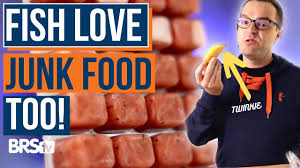
Related video thumbnail

46s


1766513308155.png
1766513308173.png
Bulk Reef Supply - Saltwater Aquariums
YouTube • Nov 12, 2021

When Frozen Food Becomes Toxic:
  • Spoilage: After thawing, bacteria multiply rapidly. If left out for hours or refrozen, it can cause serious illness, say humble.fish users and DRP Aquatics.
  • Bacterial Contamination: Improper handling (not rinsing well, leaving thawed food in water) can introduce harmful bacteria into the tank, especially for sensitive corals and fish.
  • Parasites/Pathogens: If the original source wasn't clean or the freezing process was interrupted, parasites or bad microbes can survive and affect your fish.
  • Elemental Buildup: Foods with high levels of elements like copper (if not rinsed) can slowly poison reef tanks over time, though this is a long-term issue, say this YouTube video and this other YouTube video.
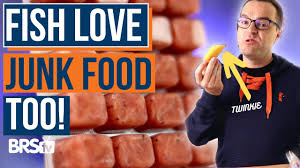
This video discusses the importance of rinsing frozen fish food:
Related video thumbnail

46s


1766513308193.png
1766513308203.png
Bulk Reef Supply - Saltwater Aquariums
YouTube • Nov 12, 2021

How to Avoid Problems:
  1. Thaw Safely: Thaw portions in the refrigerator or in a container with cold tank water, not at room temperature.
  2. Use Immediately: Once thawed, use it within minutes; never refreeze, warns San Francisco Bay Brand.
  3. Rinse (Optional): For fish-only tanks or to reduce nitrates/phosphates from the packing liquid, rinse food like mysis shrimp in tank water before feeding, say DRP Aquatics users and this YouTube video.
  4. Inspect: Discard any food that smells bad or seems off, notes San Francisco Bay Brand and Humble.Fish users.
  5. Vary Diet: Combine frozen food with high-quality pellets/flakes for balanced nutrition, say DRP Aquatics users and this YouTube video.

 
Do you think your food was refrozen !
 
I am referring back to my recent post when my Naso and Tomini became sick and died within 24 hours of eating Emerald Entree frozen food. I contemplated every other option and I am very certain it was the food. I was so tragic and sad. In my research, I have found that it does happen. If you look at the photo, look at the warning "Do NOT THAW" in huge writing on the packaging. Also here is some of my research that might interest people. I better give everything the extreme smell test!
f food.JPG


Yes, frozen fish food can become toxic and kill saltwater fish if it's spoiled, contaminated (bacteria/parasites), improperly thawed (left out too long), or refrozen, leading to food poisoning or introducing pathogens, though high-quality, properly handled frozen food is generally safe and nutritious. Key risks are bacterial blooms from thawing/refreezing and potential contaminants from the source, so always thaw in the fridge/cold water and use immediately.
This video explains the pros and cons of different types of fish food:
1766513308141.jpeg

46s


1766513308155.png
1766513308173.png
Bulk Reef Supply - Saltwater Aquariums
YouTube • Nov 12, 2021
When Frozen Food Becomes Toxic:
  • Spoilage: After thawing, bacteria multiply rapidly. If left out for hours or refrozen, it can cause serious illness, say humble.fish users and DRP Aquatics.
  • Bacterial Contamination: Improper handling (not rinsing well, leaving thawed food in water) can introduce harmful bacteria into the tank, especially for sensitive corals and fish.
  • Parasites/Pathogens: If the original source wasn't clean or the freezing process was interrupted, parasites or bad microbes can survive and affect your fish.
  • Elemental Buildup: Foods with high levels of elements like copper (if not rinsed) can slowly poison reef tanks over time, though this is a long-term issue, say this YouTube video and this other YouTube video.
This video discusses the importance of rinsing frozen fish food:
1766513308184.jpeg

46s


1766513308193.png
1766513308203.png
Bulk Reef Supply - Saltwater Aquariums
YouTube • Nov 12, 2021
How to Avoid Problems:
  1. Thaw Safely: Thaw portions in the refrigerator or in a container with cold tank water, not at room temperature.
  2. Use Immediately: Once thawed, use it within minutes; never refreeze, warns San Francisco Bay Brand.
  3. Rinse (Optional): For fish-only tanks or to reduce nitrates/phosphates from the packing liquid, rinse food like mysis shrimp in tank water before feeding, say DRP Aquatics users and this YouTube video.
  4. Inspect: Discard any food that smells bad or seems off, notes San Francisco Bay Brand and Humble.Fish users.
  5. Vary Diet: Combine frozen food with high-quality pellets/flakes for balanced nutrition, say DRP Aquatics users and this YouTube video.
While there is some decent and common sense information in there, it is riddled with AI filler and generalizations that are not really relevant to your situation.

It would appear that there are also citation hallucinations.

Use in “minutes” does not appear to be a safety warning, but rather part of the use directions “Feed often, but only what can be consumed in three minutes”. The AI made up the safety warning.

I would suspect other citations don’t actually exist or are taken out of context as well.

Bacteria don’t multiply to deadly levels in minutes.

Parasites and copper? That didn’t kill your fish.

Mix with pellet for balance? Useless filler advice that is relevant to any diet or food type.

Etc.

While I understand your search for answers, AI simply told you what you wanted to hear and expanded on it, filling in gaps with nonsense.

Please don’t post AI generated responses, they just raise the level of noise and obfuscate the actual relevant information.

Unfortunately you don’t know if the food spoiled or not, or how it spoiled if it did.

The smell test? Valid in some instances if you thaw the food, but the directions for most indicate to not rinse or thaw, as you lose nutrient value. Not all bacteria will create harsh odors or cause the food to smell spoiled, but the sniff test is certainly a good idea one way or the other. Maybe even if you don’t thaw, doing so for a single cube from the pack would be a good idea.
 
Last edited:
I'm sorry about your fish. I feed several different frozen foods and thaw sitting on a counter at room temp sometimes for hours. I've also left food out over night when I forget about it and I used it to feed the next day when I found it. I regularly keep thawed food for 2-3 days in the fridge after thawing at room temp and also I never rinse food. If the food is what caused your deaths it had to be contaminated not spoiled because it sat our for a few hours. JMO having fed as described above for 9 years.
 
I'm sorry about your fish. I feed several different frozen foods and thaw sitting on a counter at room temp sometimes for hours. I've also left food out over night when I forget about it and I used it to feed the next day when I found it. I regularly keep thawed food for 2-3 days in the fridge after thawing at room temp and also I never rinse food. If the food is what caused your deaths it had to be contaminated not spoiled because it sat our for a few hours. JMO having fed as described above for 9 years.
yes, it must have been contaminated. if we think of the listeria outbreaks and deaths in human populations from food that we always have trusted in the past, it seems likely that I could also have had horrific luck.
 
I'm sorry about your fish. I feed several different frozen foods and thaw sitting on a counter at room temp sometimes for hours. I've also left food out over night when I forget about it and I used it to feed the next day when I found it. I regularly keep thawed food for 2-3 days in the fridge after thawing at room temp and also I never rinse food. If the food is what caused your deaths it had to be contaminated not spoiled because it sat our for a few hours. JMO having fed as described above for 9 years.
I agree. The food must have been contaminated. think of the human food supply chain and how there are outbreaks of listeria and people die from it. people die from food that they normally have eaten for years and trusted. it's just profoundly bad luck on my part.
 
While there is some decent and common sense information in there, it is riddled with AI filler and generalizations that are not really relevant to your situation.

It would appear that there are also citation hallucinations.

Use in “minutes” does not appear to be a safety warning, but rather part of the use directions “Feed often, but only what can be consumed in three minutes”. The AI made up the safety warning.

I would suspect other citations don’t actually exist or are taken out of context as well.

Bacteria don’t multiply to deadly levels in minutes.

Parasites and copper? That didn’t kill your fish.

Mix with pellet for balance? Useless filler advice that is relevant to any diet or food type.

Etc.

While I understand your search for answers, AI simply told you what you wanted to hear and expanded on it, filling in gaps with nonsense.

Please don’t post AI generated responses, they just raise the level of noise and obfuscate the actual relevant information.

Unfortunately you don’t know if the food spoiled or not, or how it spoiled if it did.

The smell test? Valid in some instances if you thaw the food, but the directions for most indicate to not rinse or thaw, as you lose nutrient value. Not all bacteria will create harsh odors or cause the food to smell spoiled, but the sniff test is certainly a good idea one way or the other. Maybe even if you don’t thaw, doing so for a single cube from the pack would be a good idea.
 
a lot of this information is valid. it's just like the human food supply chain. people die from listeria on a regular basis from eating contaminated food. I just had extremely bad luck in a rare instance that will probably never happen again. we put our trust in processed foods all the time but there's always that rare occasion that something went wrong. It could have been something as simple as it was left on a truck for 2 days or someone in the aquarium store forgot about it and left it out where it was contaminated with some toxin well-being processed.
 
In addition to AI which summarizes other articles I have read, you can look back on Reef2reef and Humblefish that discuss the issues and risks of using frozen food. Just like human food, you can always be that unlucky person that got listeria from food and died
 

TOP 10 Trending Threads

WHAT’S YOUR MOST MEMORABLE EXPERIENCE WITH A CORAL THAT LOOKED LIKE IT MIGHT NOT MAKE IT?

  • I’ve seen a dramatic comeback. I would have sworn it was a goner

    Votes: 17 44.7%
  • A slow recovery, and it got back to looking healthy

    Votes: 6 15.8%
  • It came back some, but never looked as good as it used to

    Votes: 3 7.9%
  • I tried to save one, but it didn’t make it

    Votes: 6 15.8%
  • Mine is still struggling...no comeback yet

    Votes: 3 7.9%
  • I’ve never had a coral in serious trouble

    Votes: 0 0.0%
  • See, this is why I don’t keep corals

    Votes: 1 2.6%
  • Other (Post in the comments)

    Votes: 2 5.3%
Back
Top
Home
Post thread…
Market
What's new







