





- Joined
- Oct 29, 2015
- Messages
- 170
- Reaction score
- 386
- Location
- Madrid, Spain
- What state or country do you live in
- Other International
Reef aquarists frequently discuss the point at which an aquarium can be considered “mature.” It is, in many ways, an elusive concept. Experienced hobbyists intuitively understand what they mean when they use the term, yet the mechanisms underlying that perception are not always easy to define. A reef aquarium is a dynamic system of extraordinary biological, chemical, and ecological complexity, in which thousands of interactions occur simultaneously and evolve over time.
From a macroscopic perspective, a mature aquarium can be described as a stable system. Coral reef ecology teaches us that stability and biodiversity are mutually reinforcing states: stability promotes biodiversity, and biodiversity, in turn, promotes stability. However, stability in a reef aquarium involves far more than the absence of large fluctuations in parameters such as nutrient concentrations, salinity, or the chemical elements involved in coral calcification. It also implies the existence of a complex network of biological interactions capable of buffering disturbances and preventing any single population from dominating the ecosystem. Under these conditions, bacteria, cyanobacteria, dinoflagellates, algae, and zooplankton remain present, but their populations are regulated by multiple mechanisms acting simultaneously.
To understand this phenomenon, it is useful to turn to population ecology. In any ecosystem, including a reef aquarium, species pass through different phases of growth. When conditions are favorable, a population may enter an exponential growth phase characterized by rapid expansion, such as the dinoflagellate outbreaks or bacterial blooms that turn the water milky white. As competition, predation, and resource limitations increase, growth slows and eventually reaches a plateau. Finally, environmental and biological factors may trigger a period of decline and population reduction. This pattern can be observed in bacteria, algae, cyanobacteria, dinoflagellates, and zooplankton alike.
The survival and proliferation of any organism therefore depend on the balance between two broad categories of factors: those that promote growth and those that limit it. Growth-promoting factors include the species’ natural reproductive strategy, the availability of organic and inorganic nutrients, light intensity and photoperiod, and, in some cases, water movement. There is even evidence that certain organisms modify their reproductive strategies in response to chemical signals associated with the presence of predators. Limiting factors, on the other hand, include competition for space, grazing and predation pressure, hydrodynamic conditions, and inhibitory chemical signals produced by other organisms.
Bacteria form the invisible foundation of many of the biological processes that occur within the aquarium. Their greatest ecological advantage lies in their extraordinary reproductive capacity. Some heterotrophic bacterial species can double their populations within minutes or hours when a new source of organic carbon becomes available, whether from feeding, amino acid supplementation, or dissolved organic compounds. The availability of nitrate, phosphate, and organic matter further promotes bacterial growth. Adequate water circulation also enhances oxygenation and nutrient transport, creating favorable conditions for their development.
Yet bacterial populations are far from unrestricted. Competition among different strains, prior occupation of surfaces by established biofilms, predation by protozoans and zooplankton such as copepods and other microcrustaceans, as well as the production of natural antibiotics and inhibitory toxins, all contribute to preventing any single bacterial community from monopolizing the ecosystem.
Cyanobacteria are perhaps the quintessential example of an opportunistic organism. Their growth can be remarkably rapid when conditions are favorable, forming extensive mucous mats that spread across rocks and substrate. Excess phosphate combined with elevated concentrations of dissolved organic matter often encourages their proliferation. Some species are even capable of fixing atmospheric nitrogen, allowing them to thrive despite low nitrate levels. Areas of weak water flow tend to accumulate detritus and create ideal conditions for colonization. Cyanobacteria also utilize broader, whiter light spectra efficiently and often benefit from extended photoperiods.
Counteracting these advantages are several important limiting factors. Established coralline algae, corals, sponges, and biofilms significantly reduce the amount of available substrate. Strong water movement interferes with the formation of their characteristic mats, while grazing pressure and allelopathic compounds produced by corals and bacterial communities help keep cyanobacterial populations under control.
Dinoflagellates represent another particularly fascinating group because they often thrive precisely in biologically unbalanced systems. Many species alternate between benthic and planktonic stages and are capable of forming resistant cysts that can survive for extended periods. Unlike filamentous algae or cyanobacteria, dinoflagellates frequently emerge when nutrient levels become extremely low and biological competition is reduced.
Water movement facilitates their dispersal, while light is essential for many photosynthetic species. Their growth, however, can be limited by competition from diatoms, bacteria, algae, and cyanobacteria, as well as by the prior occupation of available surfaces. We now know that the use of external organic carbon sources can stimulate certain heterotrophic bacterial populations to produce allelopathic compounds capable of completely inhibiting dinoflagellate growth within the aquarium. Certain copepods and microcrustaceans also consume some dinoflagellate species. Furthermore, mature reef systems contain a complex network of biological and chemical interactions that makes successful colonization increasingly difficult. Indeed, dinoflagellate outbreaks often occur shortly after excessive intervention has removed much of the aquarium’s natural biological competition.
Filamentous algae are among the most visible organisms encountered by reef aquarists. Their growth is promoted by the availability of nitrate, phosphate, iron, dissolved organic matter, and abundant light. Water movement continuously delivers nutrients, allowing these algae to expand rapidly through fragmentation and spore production.
At the same time, filamentous algae are subject to several powerful control mechanisms. The occupation of surfaces by coralline algae, corals, sponges, and mature microbial biofilms significantly limits their ability to establish themselves. Herbivorous grazing is probably the most important regulating factor. Fish such as Zebrasoma, Ctenochaetus, and Salarias, together with sea urchins and numerous snail species, exert constant grazing pressure that restricts algal expansion. In addition, chemical compounds released by coralline algae and corals may inhibit the settlement of new spores.
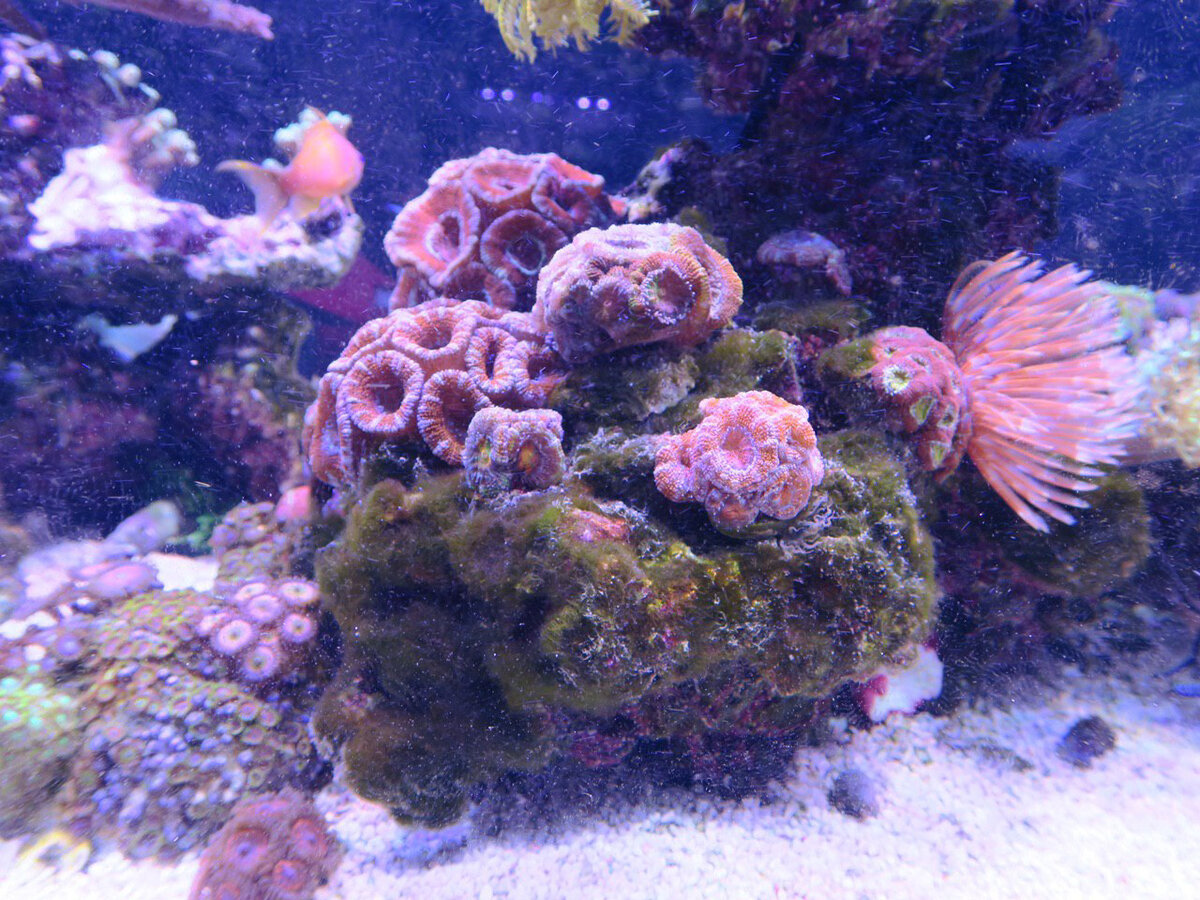
Fig 1. In tanks set up with dry rock, algal outbreaks are usually much more common during the first months. The absence of the biodiversity found in live rock delays the ecological stabilization of the system, so aquarium maturation generally takes longer to occur.
Zooplankton, including copepods, amphipods, rotifers, and other microscopic organisms, plays a fundamental role in reef ecosystem dynamics. Their high reproductive capacity allows them to respond rapidly to increases in food availability. Bacteria, phytoplankton, detritus, and microalgae form the basis of their diet. Water movement facilitates both dispersal and access to resources, while light indirectly influences zooplankton populations through its effect on phytoplankton production.
Nevertheless, zooplankton populations are exposed to intense predation pressure. Mandarin dragonets, numerous wrasses, anthias, and a wide variety of filter-feeding corals continuously consume these organisms. Refuge availability and competition with other zooplankton species also contribute to regulating their abundance.
From this perspective, the hypothesis that reef aquarium maturity is linked to the establishment of a complex network of ecological interactions fits perfectly within the framework of community ecology. Young aquariums typically contain abundant unoccupied space, limited microbial diversity, little allelopathic activity, and numerous vacant ecological niches. As a result, it is common to observe a succession of opportunistic bacteria, diatoms, dinoflagellates, cyanobacteria, and filamentous algae.
As the system ages, ecological niches gradually become occupied, biodiversity increases, herbivore and predator communities become established, and corals begin to exert an increasingly significant chemical influence on their surroundings. For this reason, it is generally advisable to introduce a substantial coral population once the aquarium has completed its initial cycling process. These should, of course, be hardy species—most likely LPS corals—so that the available space becomes occupied by the organisms we ultimately wish to dominate the mature system.
Corals are net consumers of nutrients and therefore do not generally pose a significant risk of overwhelming the bacterial community. Fish, by contrast, are net producers of nutrients and should consequently be introduced at a more gradual pace.
The conclusion that emerges from these considerations, supported by the practical experience of countless aquarists, is that if coral introduction is delayed for too long, other opportunistic organisms such as cyanobacteria, dinoflagellates, and filamentous algae will have greater opportunities to colonize available surfaces and establish dominance. This dominance is not limited to physical space; it may also extend into the chemical environment of the aquarium, altering ecological conditions in ways that favor their continued success while making it increasingly difficult for desirable coral communities to become established.
The end result is that, in a mature reef aquarium, it becomes difficult for any population to enter an unchecked phase of exponential growth because multiple control mechanisms are operating simultaneously. Viewed in this way, reef aquarium maturity can be defined as the state in which competition for space and resources, predation, herbivory, and chemical signaling collectively keep all populations below their maximum growth potential, preventing any one of them from dominating the system.
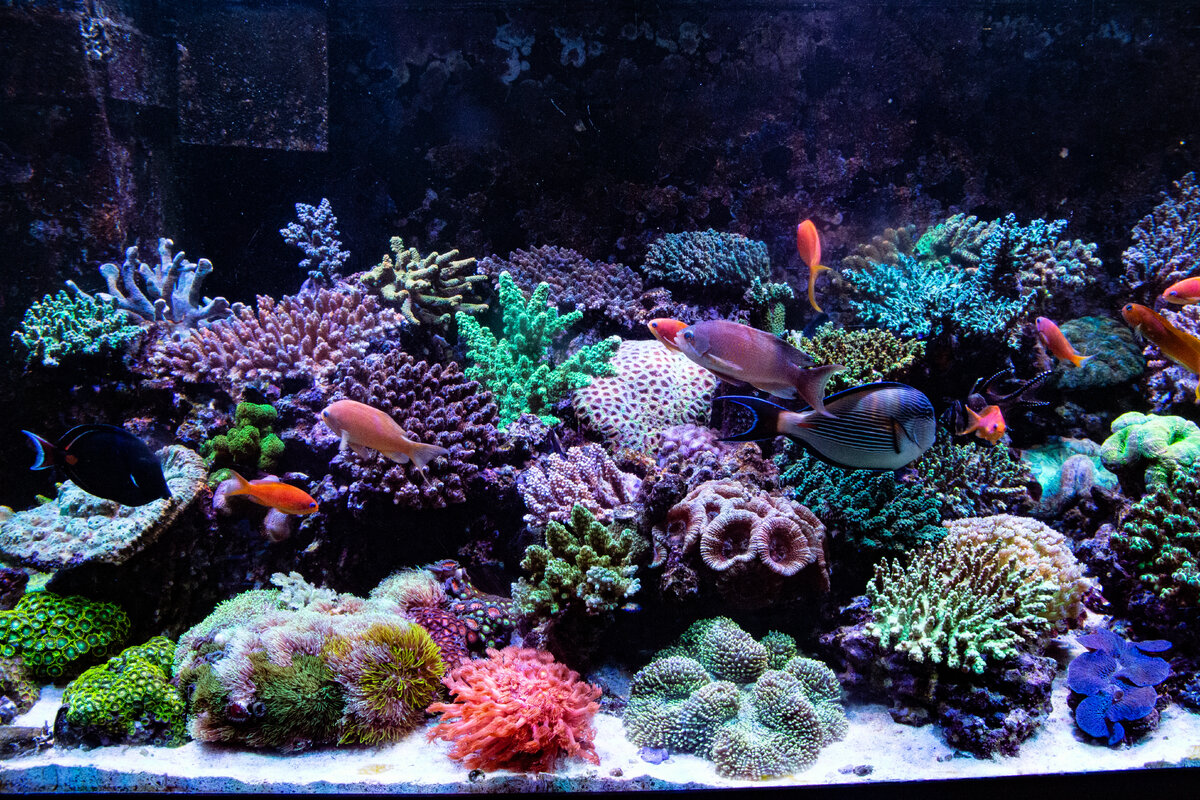
Fig. 2. Once a stable coral community becomes established, it occupies the available ecological niches, limiting the ability of opportunistic species such as algae to gain a foothold and dominate the system.
This interpretation may also help explain why some highly mature aquariums appear to suffer when excessive amounts of activated carbon, ozone, or large-scale water changes are employed. While these techniques are valuable tools for maintaining water quality, they may also remove part of the complex network of dissolved organic compounds and chemical signals that contribute to biological stability. This is unlikely to be the primary factor governing aquarium maturity, but it represents an ecologically plausible hypothesis that remains largely unexplored within the reef aquarium hobby.
From a macroscopic perspective, a mature aquarium can be described as a stable system. Coral reef ecology teaches us that stability and biodiversity are mutually reinforcing states: stability promotes biodiversity, and biodiversity, in turn, promotes stability. However, stability in a reef aquarium involves far more than the absence of large fluctuations in parameters such as nutrient concentrations, salinity, or the chemical elements involved in coral calcification. It also implies the existence of a complex network of biological interactions capable of buffering disturbances and preventing any single population from dominating the ecosystem. Under these conditions, bacteria, cyanobacteria, dinoflagellates, algae, and zooplankton remain present, but their populations are regulated by multiple mechanisms acting simultaneously.
To understand this phenomenon, it is useful to turn to population ecology. In any ecosystem, including a reef aquarium, species pass through different phases of growth. When conditions are favorable, a population may enter an exponential growth phase characterized by rapid expansion, such as the dinoflagellate outbreaks or bacterial blooms that turn the water milky white. As competition, predation, and resource limitations increase, growth slows and eventually reaches a plateau. Finally, environmental and biological factors may trigger a period of decline and population reduction. This pattern can be observed in bacteria, algae, cyanobacteria, dinoflagellates, and zooplankton alike.
The survival and proliferation of any organism therefore depend on the balance between two broad categories of factors: those that promote growth and those that limit it. Growth-promoting factors include the species’ natural reproductive strategy, the availability of organic and inorganic nutrients, light intensity and photoperiod, and, in some cases, water movement. There is even evidence that certain organisms modify their reproductive strategies in response to chemical signals associated with the presence of predators. Limiting factors, on the other hand, include competition for space, grazing and predation pressure, hydrodynamic conditions, and inhibitory chemical signals produced by other organisms.
Bacteria form the invisible foundation of many of the biological processes that occur within the aquarium. Their greatest ecological advantage lies in their extraordinary reproductive capacity. Some heterotrophic bacterial species can double their populations within minutes or hours when a new source of organic carbon becomes available, whether from feeding, amino acid supplementation, or dissolved organic compounds. The availability of nitrate, phosphate, and organic matter further promotes bacterial growth. Adequate water circulation also enhances oxygenation and nutrient transport, creating favorable conditions for their development.
Yet bacterial populations are far from unrestricted. Competition among different strains, prior occupation of surfaces by established biofilms, predation by protozoans and zooplankton such as copepods and other microcrustaceans, as well as the production of natural antibiotics and inhibitory toxins, all contribute to preventing any single bacterial community from monopolizing the ecosystem.
Cyanobacteria are perhaps the quintessential example of an opportunistic organism. Their growth can be remarkably rapid when conditions are favorable, forming extensive mucous mats that spread across rocks and substrate. Excess phosphate combined with elevated concentrations of dissolved organic matter often encourages their proliferation. Some species are even capable of fixing atmospheric nitrogen, allowing them to thrive despite low nitrate levels. Areas of weak water flow tend to accumulate detritus and create ideal conditions for colonization. Cyanobacteria also utilize broader, whiter light spectra efficiently and often benefit from extended photoperiods.
Counteracting these advantages are several important limiting factors. Established coralline algae, corals, sponges, and biofilms significantly reduce the amount of available substrate. Strong water movement interferes with the formation of their characteristic mats, while grazing pressure and allelopathic compounds produced by corals and bacterial communities help keep cyanobacterial populations under control.
Dinoflagellates represent another particularly fascinating group because they often thrive precisely in biologically unbalanced systems. Many species alternate between benthic and planktonic stages and are capable of forming resistant cysts that can survive for extended periods. Unlike filamentous algae or cyanobacteria, dinoflagellates frequently emerge when nutrient levels become extremely low and biological competition is reduced.
Water movement facilitates their dispersal, while light is essential for many photosynthetic species. Their growth, however, can be limited by competition from diatoms, bacteria, algae, and cyanobacteria, as well as by the prior occupation of available surfaces. We now know that the use of external organic carbon sources can stimulate certain heterotrophic bacterial populations to produce allelopathic compounds capable of completely inhibiting dinoflagellate growth within the aquarium. Certain copepods and microcrustaceans also consume some dinoflagellate species. Furthermore, mature reef systems contain a complex network of biological and chemical interactions that makes successful colonization increasingly difficult. Indeed, dinoflagellate outbreaks often occur shortly after excessive intervention has removed much of the aquarium’s natural biological competition.
Filamentous algae are among the most visible organisms encountered by reef aquarists. Their growth is promoted by the availability of nitrate, phosphate, iron, dissolved organic matter, and abundant light. Water movement continuously delivers nutrients, allowing these algae to expand rapidly through fragmentation and spore production.
At the same time, filamentous algae are subject to several powerful control mechanisms. The occupation of surfaces by coralline algae, corals, sponges, and mature microbial biofilms significantly limits their ability to establish themselves. Herbivorous grazing is probably the most important regulating factor. Fish such as Zebrasoma, Ctenochaetus, and Salarias, together with sea urchins and numerous snail species, exert constant grazing pressure that restricts algal expansion. In addition, chemical compounds released by coralline algae and corals may inhibit the settlement of new spores.
Fig 1. In tanks set up with dry rock, algal outbreaks are usually much more common during the first months. The absence of the biodiversity found in live rock delays the ecological stabilization of the system, so aquarium maturation generally takes longer to occur.
Zooplankton, including copepods, amphipods, rotifers, and other microscopic organisms, plays a fundamental role in reef ecosystem dynamics. Their high reproductive capacity allows them to respond rapidly to increases in food availability. Bacteria, phytoplankton, detritus, and microalgae form the basis of their diet. Water movement facilitates both dispersal and access to resources, while light indirectly influences zooplankton populations through its effect on phytoplankton production.
Nevertheless, zooplankton populations are exposed to intense predation pressure. Mandarin dragonets, numerous wrasses, anthias, and a wide variety of filter-feeding corals continuously consume these organisms. Refuge availability and competition with other zooplankton species also contribute to regulating their abundance.
From this perspective, the hypothesis that reef aquarium maturity is linked to the establishment of a complex network of ecological interactions fits perfectly within the framework of community ecology. Young aquariums typically contain abundant unoccupied space, limited microbial diversity, little allelopathic activity, and numerous vacant ecological niches. As a result, it is common to observe a succession of opportunistic bacteria, diatoms, dinoflagellates, cyanobacteria, and filamentous algae.
As the system ages, ecological niches gradually become occupied, biodiversity increases, herbivore and predator communities become established, and corals begin to exert an increasingly significant chemical influence on their surroundings. For this reason, it is generally advisable to introduce a substantial coral population once the aquarium has completed its initial cycling process. These should, of course, be hardy species—most likely LPS corals—so that the available space becomes occupied by the organisms we ultimately wish to dominate the mature system.
Corals are net consumers of nutrients and therefore do not generally pose a significant risk of overwhelming the bacterial community. Fish, by contrast, are net producers of nutrients and should consequently be introduced at a more gradual pace.
The conclusion that emerges from these considerations, supported by the practical experience of countless aquarists, is that if coral introduction is delayed for too long, other opportunistic organisms such as cyanobacteria, dinoflagellates, and filamentous algae will have greater opportunities to colonize available surfaces and establish dominance. This dominance is not limited to physical space; it may also extend into the chemical environment of the aquarium, altering ecological conditions in ways that favor their continued success while making it increasingly difficult for desirable coral communities to become established.
The end result is that, in a mature reef aquarium, it becomes difficult for any population to enter an unchecked phase of exponential growth because multiple control mechanisms are operating simultaneously. Viewed in this way, reef aquarium maturity can be defined as the state in which competition for space and resources, predation, herbivory, and chemical signaling collectively keep all populations below their maximum growth potential, preventing any one of them from dominating the system.
Fig. 2. Once a stable coral community becomes established, it occupies the available ecological niches, limiting the ability of opportunistic species such as algae to gain a foothold and dominate the system.
This interpretation may also help explain why some highly mature aquariums appear to suffer when excessive amounts of activated carbon, ozone, or large-scale water changes are employed. While these techniques are valuable tools for maintaining water quality, they may also remove part of the complex network of dissolved organic compounds and chemical signals that contribute to biological stability. This is unlikely to be the primary factor governing aquarium maturity, but it represents an ecologically plausible hypothesis that remains largely unexplored within the reef aquarium hobby.
Last edited by a moderator:


 “but science always wants to quantify things” rhetoric.