Methodology:
The method I use for fragging the majority of hard corals is primarily the same with the cutting tooling being an Inland band saw.
Cooling liquid used is fresh mixed saltwater with enough iodine to color it a light amber. This helps to disinfect cuts as they’re made which has shown to greatly increase frag survival.
All corals are stored during cutting in a small bucket holding water taken directly from their home aquarium. This water is used both to keep them wet as well as for rinsing any flesh away from cuts while I’m working on them.
All finished, and rinsed, frags or trimmed colonies are soaked in Brightwell Aquatics Restor dip to insure that minimal flesh is lost.
Both soak buckets are rinsed and replenished between colonies to reduce the risk of interactions between loose flesh of different coral species.
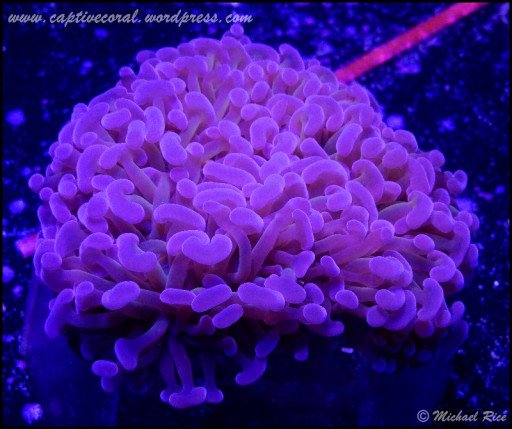
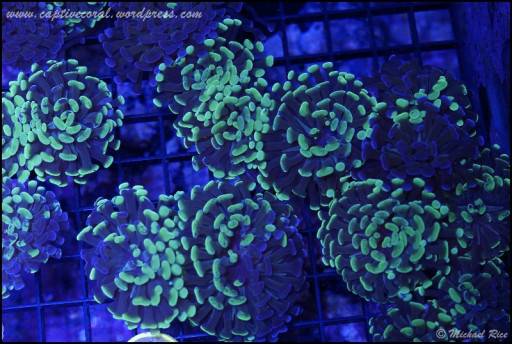
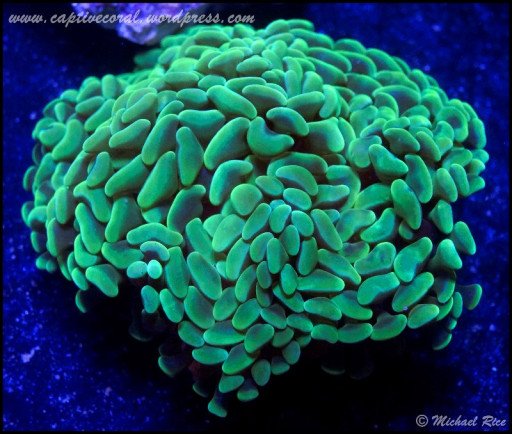
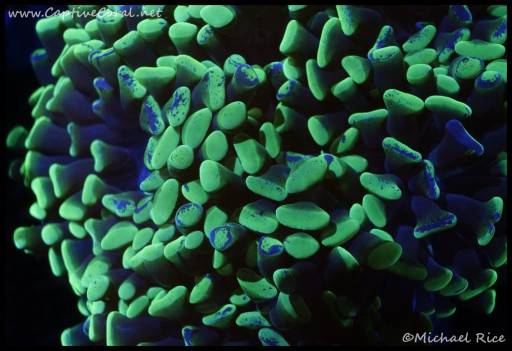
Notes about hammer coral:
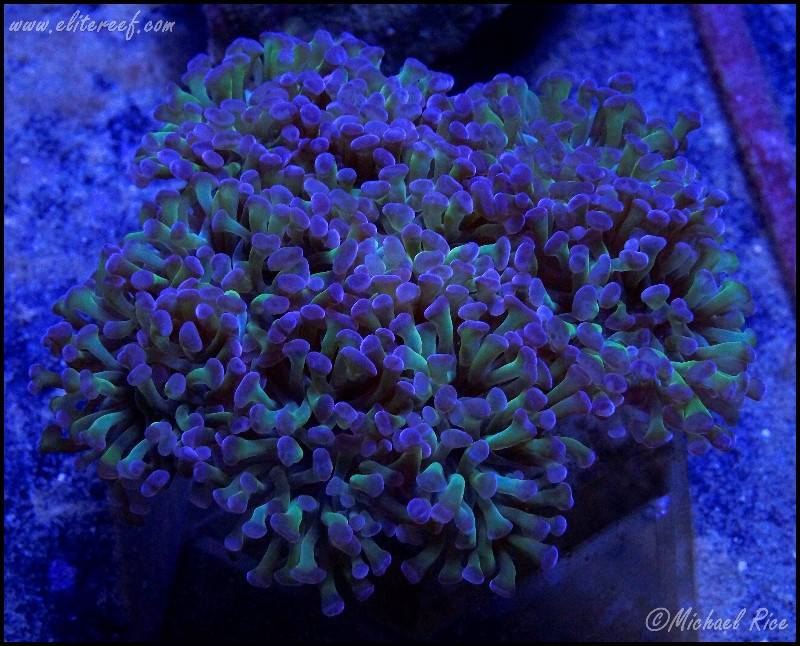
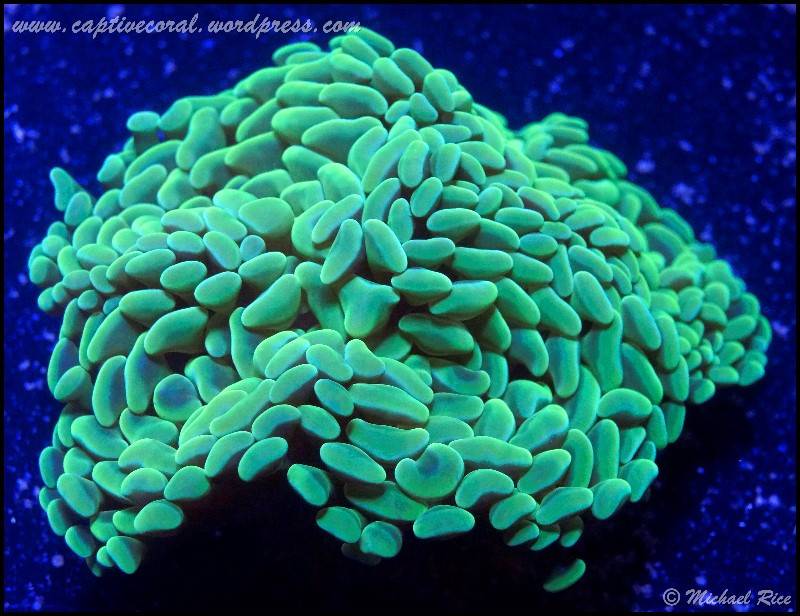
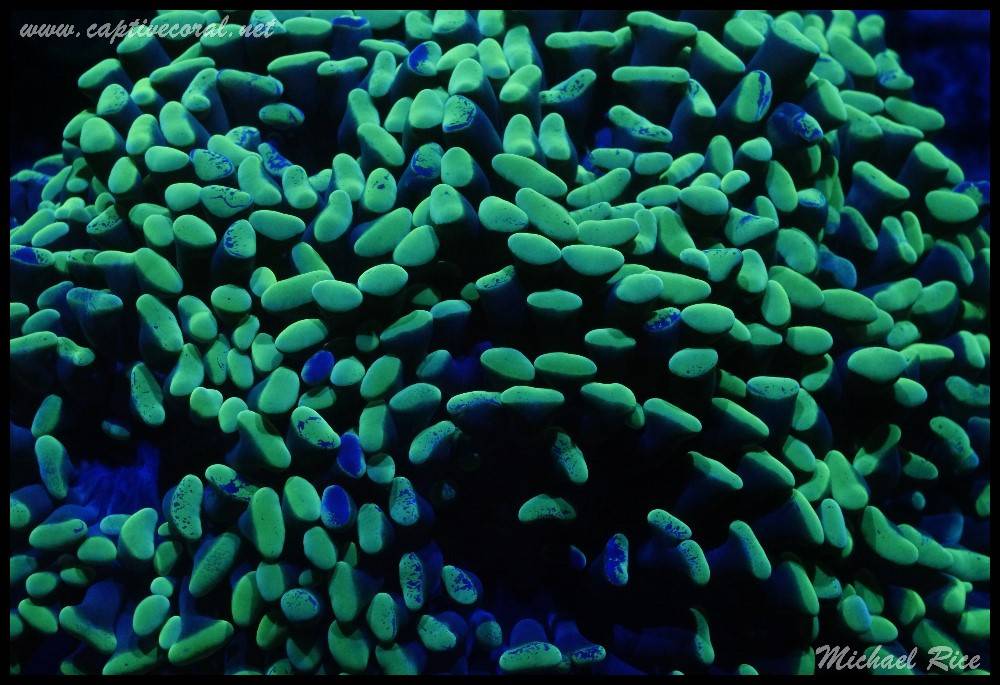
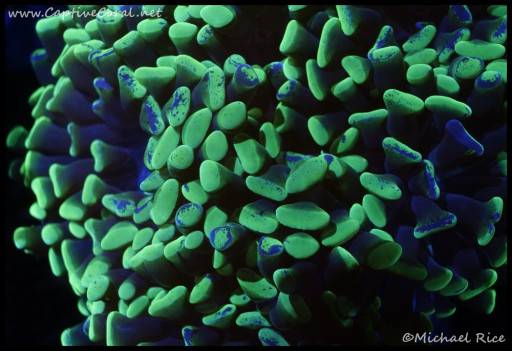
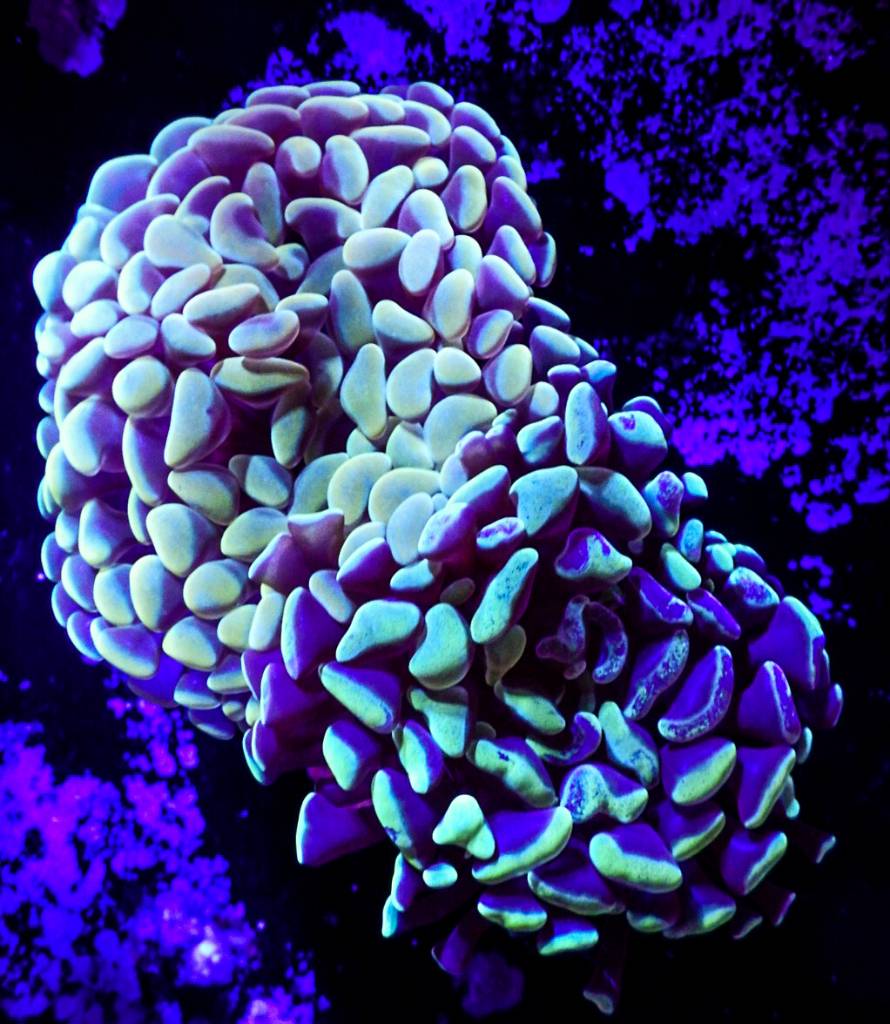
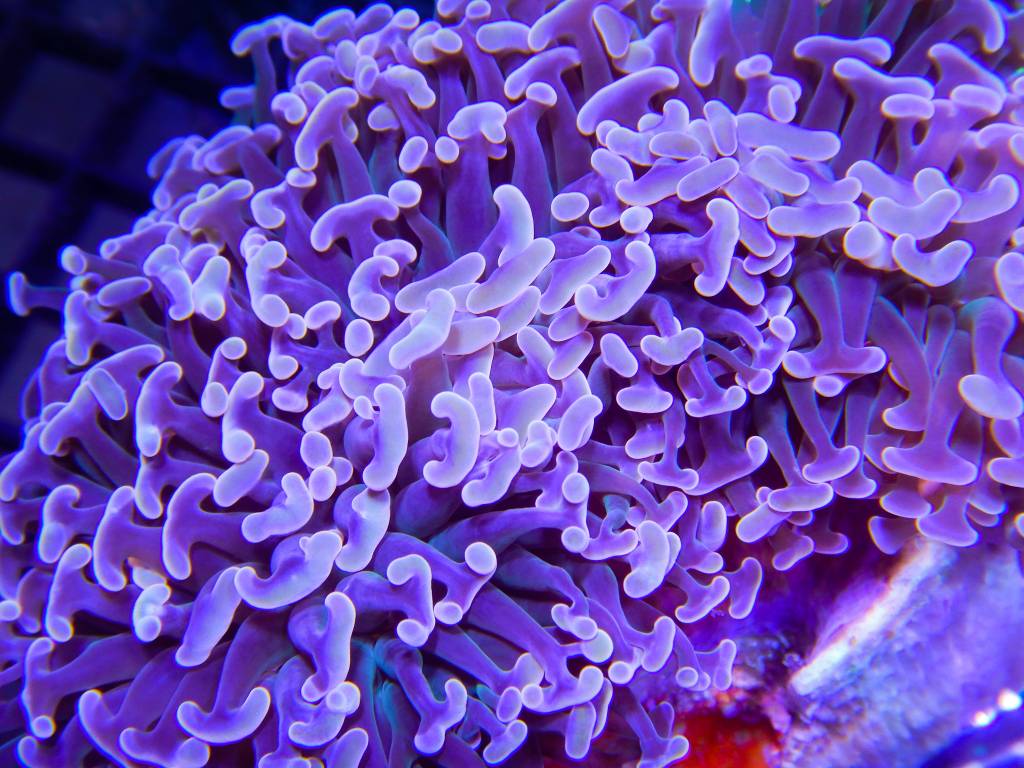
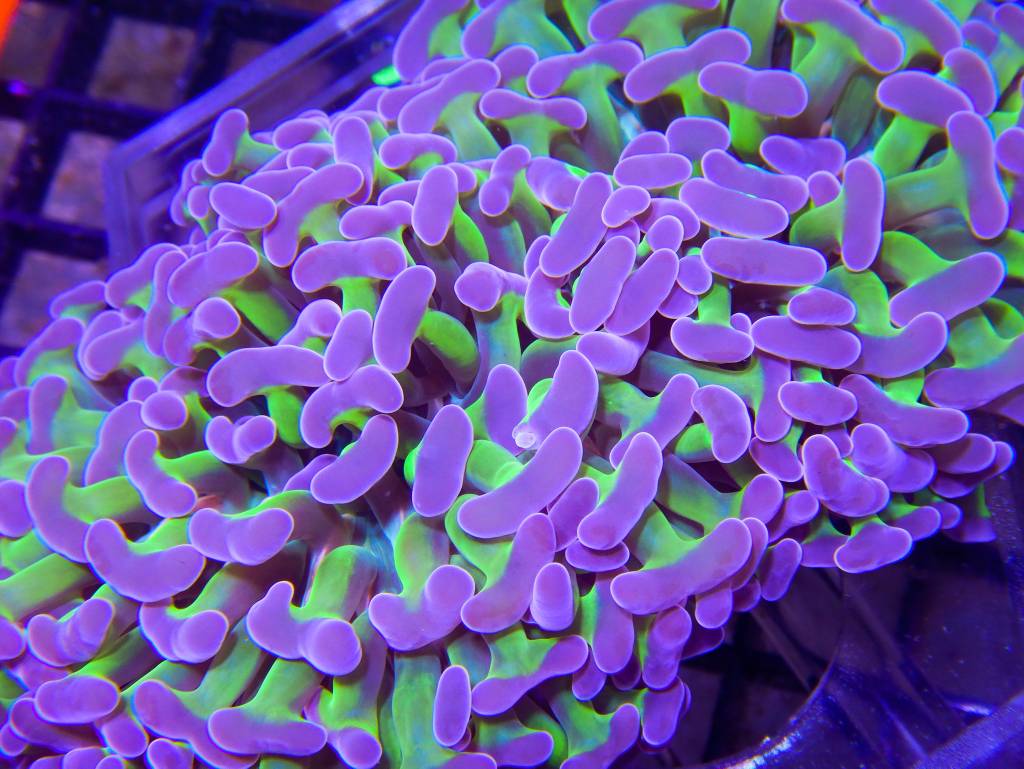
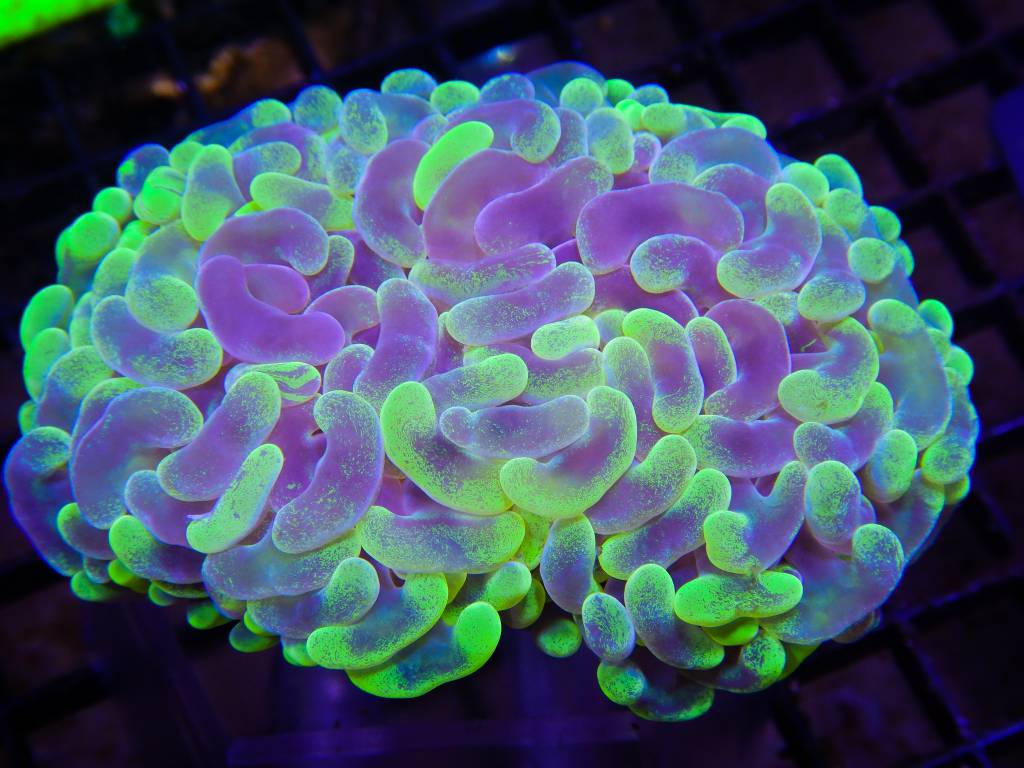
Hammer coral has extremely sensitive flesh that is susceptible to infection if damaged. As always, while handling torch, be sure to keep specimens fully submerged until polyps retract.
Hammer coral forms in varying densities of branches which can make fragging them different for every colony. Be sure to cut between polyps and always cut branches off as far below the polyp as possible.
This one was extra interesting due to the star polyp takeover within the branches of the hammer. To remove these, I simply cut off as much as possible which loosened the remaining bits enough to be scraped off with a razor.
https://fragging101.wordpress.com/hammer-coral-euphyllia-parancora-fragging-101/
https://captivecoral.net/portfolio/hammer-coral/