- Joined
- Mar 29, 2025
- Messages
- 36
- Reaction score
- 40
- Location
- Canon City
- What state or country do you live in
- Colorado
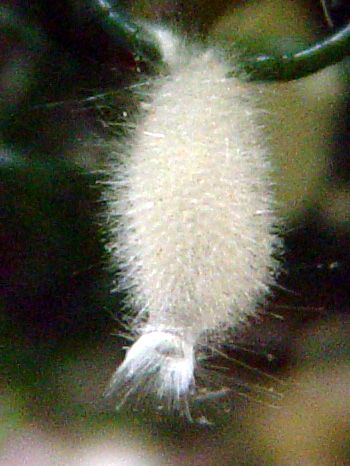
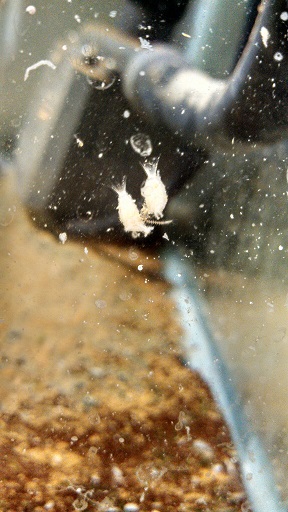
The small white sponges growing in my saltwater aquarium are most likely species from the genus Leucosolenia. Species of this genus usually appear as groups of curved vases, up to 2 cm long, each ending in an osculum Wikipedia and the overall shape is sometimes likened to a tiny bunch of bananas Wikipedia.
The most common species that appear in aquariums are:
• Leucosolenia botryoides (White Branching Tube Sponge) - slender tubes up to 2 cm high bearing large oscula at terminal end MarLIN
• Leucosolenia complicata (Purse Sponge) - similar to botryoides but with lateral branches
However, identifying sponges by appearance alone “doesn’t work worth a squat with the sponges” Reefkeeping according to aquarium experts, as many species look very similar. These are calcareous sponges that naturally occur in marine environments and can establish themselves in aquarium systems.
These sponges are generally considered filter feeders that consume bacteria and microscopic particles from the water column. While they’re not harmful to most aquarium inhabitants, some aquarists prefer to remove them if they spread extensively, as they can compete with corals for space and nutrients.
The most common species that appear in aquariums are:
• Leucosolenia botryoides (White Branching Tube Sponge) - slender tubes up to 2 cm high bearing large oscula at terminal end MarLIN
• Leucosolenia complicata (Purse Sponge) - similar to botryoides but with lateral branches
However, identifying sponges by appearance alone “doesn’t work worth a squat with the sponges” Reefkeeping according to aquarium experts, as many species look very similar. These are calcareous sponges that naturally occur in marine environments and can establish themselves in aquarium systems.
These sponges are generally considered filter feeders that consume bacteria and microscopic particles from the water column. While they’re not harmful to most aquarium inhabitants, some aquarists prefer to remove them if they spread extensively, as they can compete with corals for space and nutrients.