Acropora species ID

cjtabares

Active Member
View Badges
Joined
Sep 17, 2009
Messages
461
Reaction score
225
Location
Bristol,RI
Rating - 0%
0   0   0
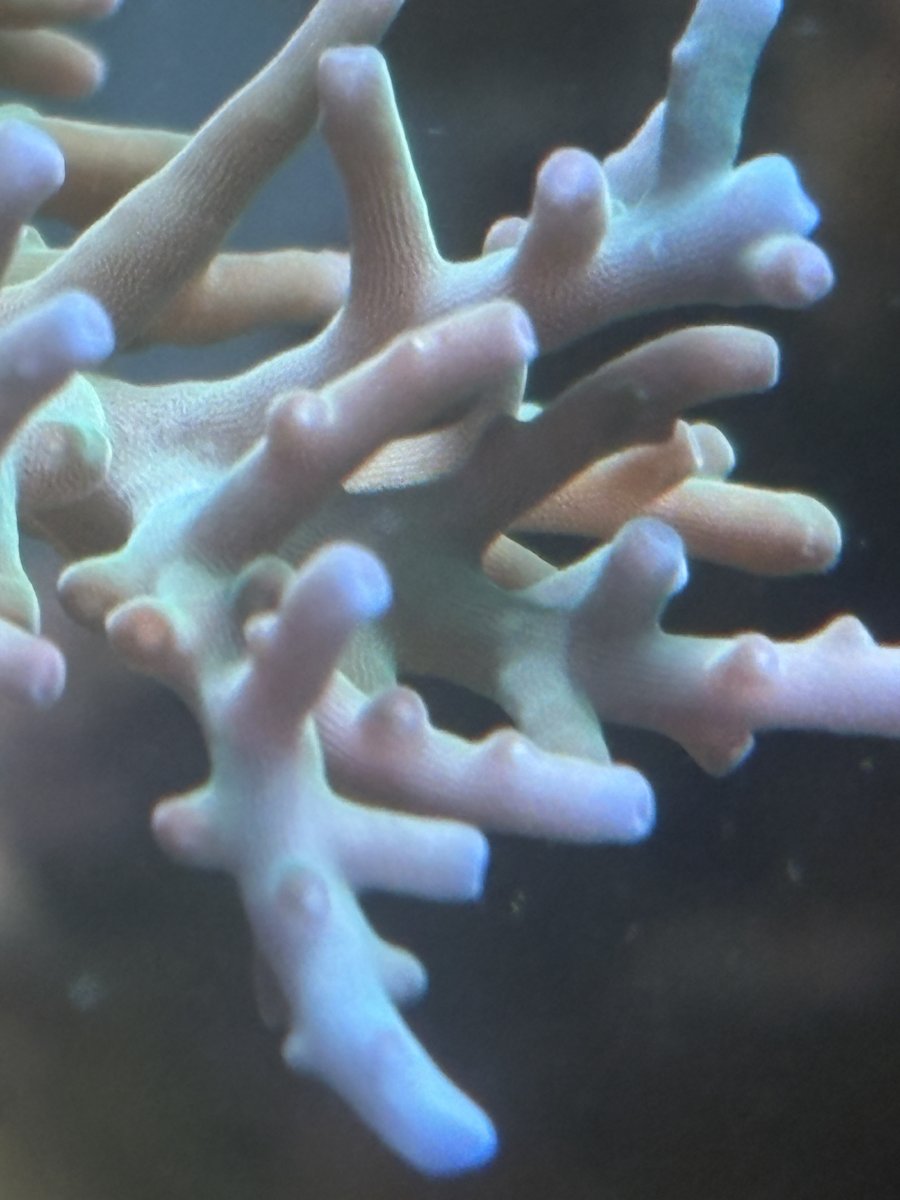
I was looking for some help identifying this acro, I always struggle with IDing corals.
IMG_6451.jpeg
IMG_6452.jpeg
 
OP
OP
cjtabares

cjtabares

Active Member
View Badges
Joined
Sep 17, 2009
Messages
461
Reaction score
225
Location
Bristol,RI
Rating - 0%
0   0   0
Looks like either an Echinata or Lokani
Thank you. I was looking at the Echinata, and this formation looked slightly different, not saying it is not that, like I said, I am really bad at this type of thing.

Edit: to clarify, I was looking at this before I made the post.
 
OP
OP
cjtabares

cjtabares

Active Member
View Badges
Joined
Sep 17, 2009
Messages
461
Reaction score
225
Location
Bristol,RI
Rating - 0%
0   0   0
Thanks everyone. I saw it at a lfs for $40, seemed like a good deal, and I wanted a smooth skin acro, so I picked it up. I am always interested in species, just wish I had the mind to remember the names, I am awful at names.
 

iani

Valuable Member
View Badges
Joined
Mar 9, 2007
Messages
1,058
Reaction score
96
Location
Berkeley, CA
Rating - 0%
0   0   0
Definitely not a lokani as suggested above. It does look a lot like the Hawkins echinata in form which is a turaki I believe.
 

eye_dr_reef

Active Member
View Badges
Joined
Jul 22, 2023
Messages
119
Reaction score
251
Location
BR
Rating - 0%
0   0   0
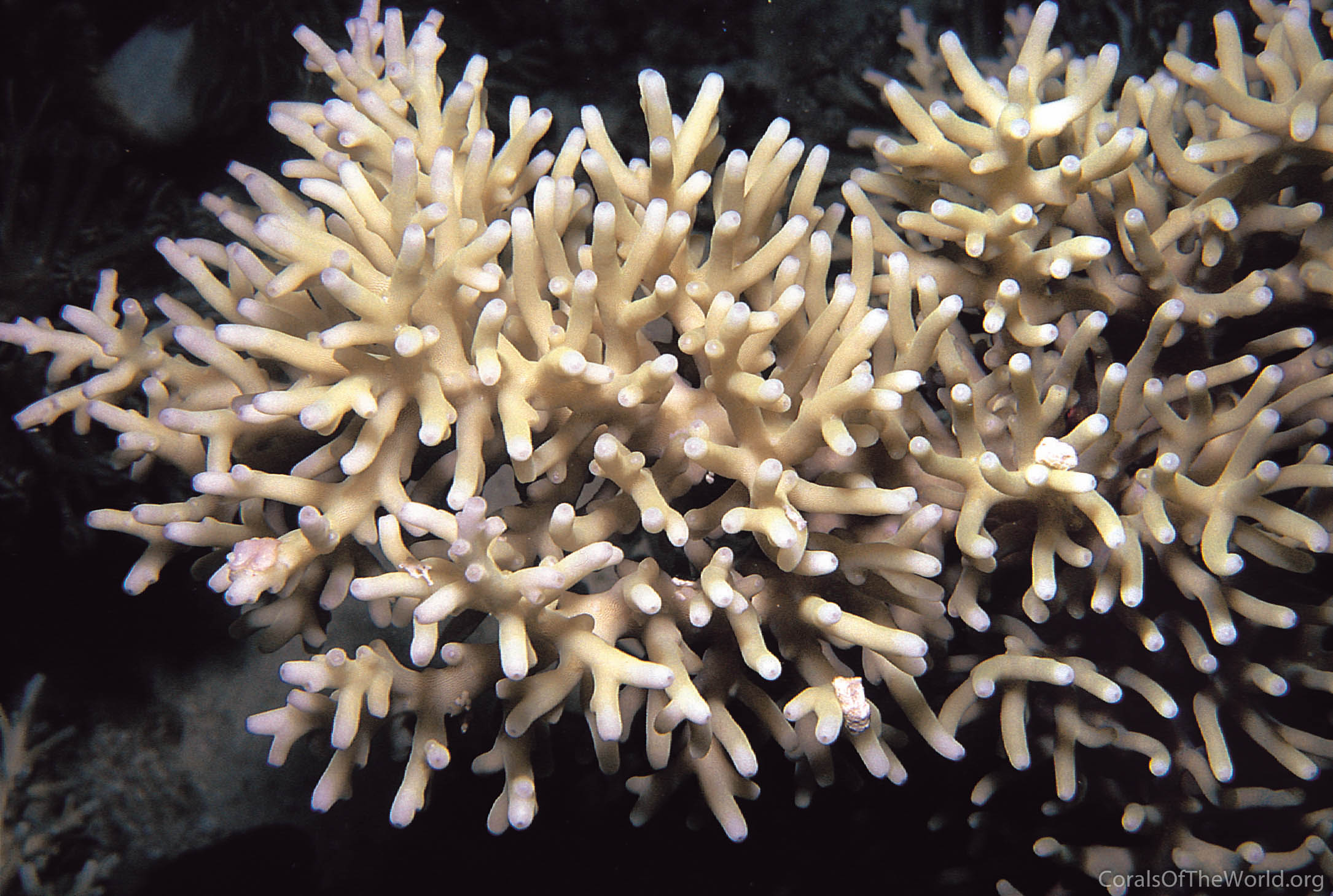
https://www.coralsoftheworld.org/media/images/0714_C01_01.jpg

Probably A. turaki

Characters: Colonies are subarborescent with bottlebrush branches with upright main branches form clumps. Axial, incipient axial and radial corallites all intergrade. Axial corallites are long and tubular while the smallest radial corallites are pocket-like. All corallites have thick walls with round openings.

Similar Species: Acropora longicyathus, which has shorter axial corallites and is therefore less bottlebrush-like. See also A. echinata, which has finer corallites.

 

TOP 10 Trending Threads

WHAT AMOUNT OF LIVE ROCK AND SAND SHOULD BE PRIORITIZED FOR OPTIMAL BIODIVERSITY/FILTRATION?

  • 100% live rock + bagged sand

    Votes: 34 28.1%
  • 100% dry rock + 100% live sand

    Votes: 41 33.9%
  • 50/50 live/dry rock, 50/50 live/bagged sand

    Votes: 27 22.3%
  • 75% live rock, 25% live sand

    Votes: 11 9.1%
  • 25% live rock, 75% live sand

    Votes: 8 6.6%
Back
Top