Another Acrylic Swirl After Buffing Situation

Steve and his Animals

Well-Known Member
View Badges
Joined
Sep 2, 2020
Messages
750
Reaction score
726
Location
New Hampshire
Rating - 0%
0   0   0
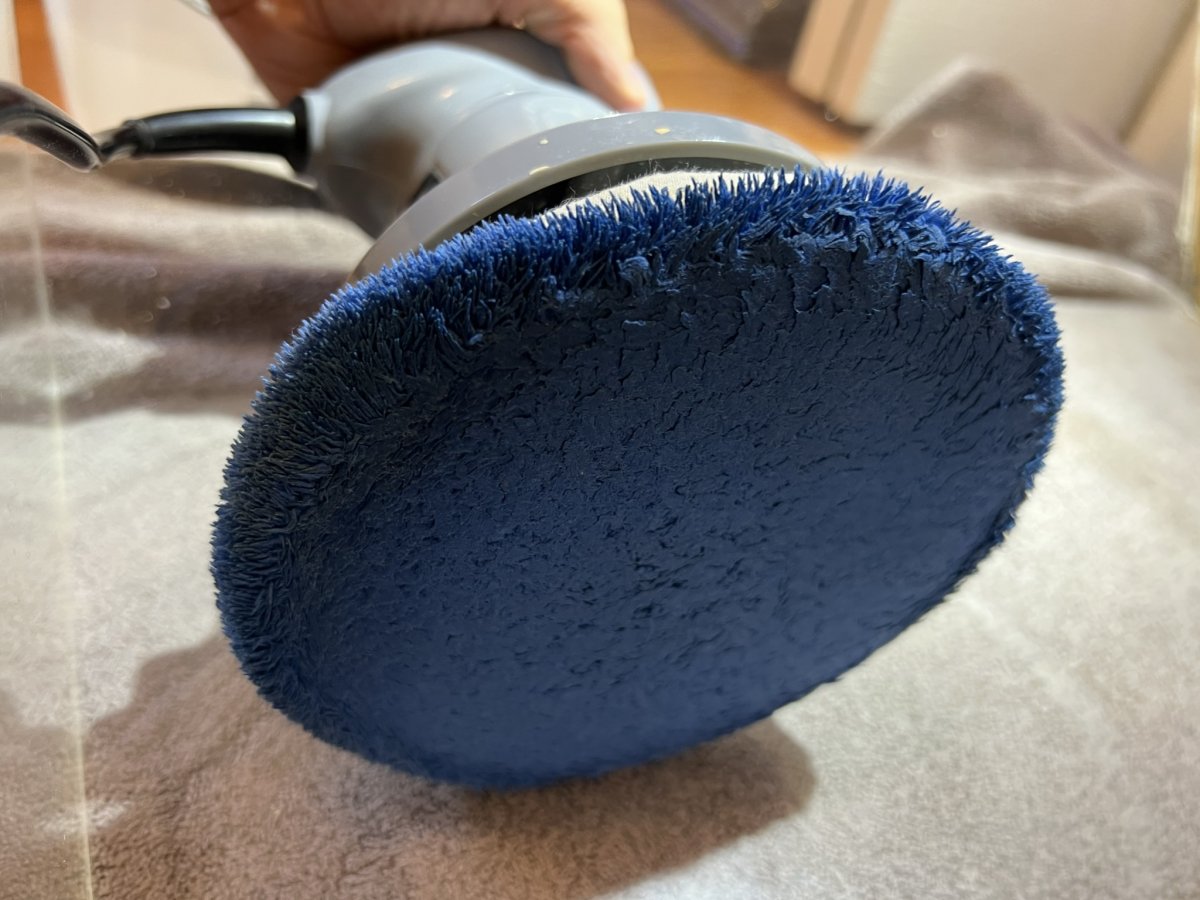
I have a 34 Acrlic hex from an old friend and wanted to buff out the minor scratches and get rid of the haze. Went through with wet sandpaper up to 2000 grit, then started with novus 3 and 2. After the Novus 2, I still see noticeable swirling on the acrylic making it look hazy. Is this something I'm doing wrong? Not buffing long enough? I'm using a microfiber pad on a buffing wheel at 3,500 rpm.
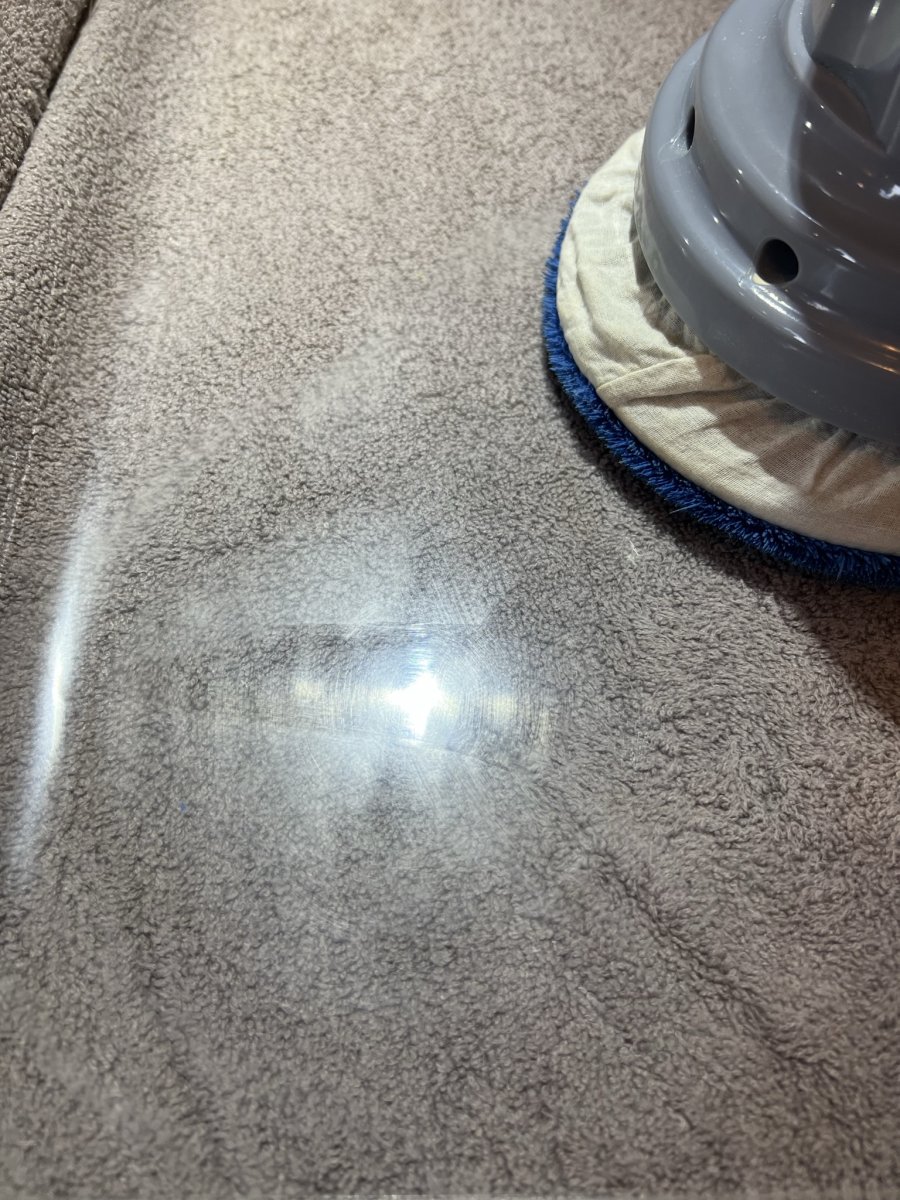
IMG_1490.jpg
IMG_1491.jpg
 
Might be a dumb question but did you sand and polish both sides? Honestly if it has swirll marks still I would keep sanding with higher grits and using your polishing compound again. It is a very time consuming process but very rewarding when done. Keep with it you'll get there!
 
Might be a dumb question but did you sand and polish both sides? Honestly if it has swirll marks still I would keep sanding with higher grits and using your polishing compound again. It is a very time consuming process but very rewarding when done. Keep with it you'll get there!
I did but the swirling is visibly on the inside. You're saying go back to the sandpaper? Should I go back to the Novus 3 instead?
 
Maybe try again with the Novus 3 on a side with your swirling and see if there is any improvement. Like Kris said there is a fine touch with buffing these tanks out. It will take a few times till you get it to where you want it. Reefbuilders did a good job on going through the whole process on one of their videos recently. What levels of sand paper did you go through when you sanded?
 
Maybe try again with the Novus 3 on a side with your swirling and see if there is any improvement. Like Kris said there is a fine touch with buffing these tanks out. It will take a few times till you get it to where you want it. Reefbuilders did a good job on going through the whole process on one of their videos recently. What levels of sand paper did you go through when you sanded?
Started with 200 or 400 (can't remember), then 800, 1200, 2000.
 
Dang you definitely went through the gambit of sandpaper then. Maybe give the Novus another try then. Also give it a good cleaning to wipe off any sort of residue in between compounds. It's a lengthy process sometimes.
 
Crazing cant be removed. Once it starts it just gets worse, from what I understand.
If it is crazing Kris is right, the only other thing you can do with crazing is to start with a lower sandpaper grit. Not to say its impossible to get out just far more time consuming and not all of it might go away. Just don't want to over work the acrylic.
 
Last edited:
If it is crazing Kris is right, the only other thing you can do with crazing is to start with a lower sandpaper grit. Not to say its impossible to get out just far more time consuming and not all of it might go away. Just don't want to over work the acrylic.
Not worried about the crazing, it's very slight and I assume it's a result of the tank's manufacturing. I just wanted to know if I was doing something wrong, as just keeping the buffer in a small area with the novus 2 for a while doesn't seem to be making any headway.
 
How did it look before you started with the polish were all previous sanding grit micro scratching out prior to going to 2000 grit? Polishing with a high speed is very tricky not enough pressure you won't get the scratches out too much pressure you'll melt the surface area.

I would have went a little higher with the sandpaper grit before going to polishing.

I just completed a full finishing of my 400 went from 1000 grit to 12,000 grit with the system still up and running when you start getting into the higher grits getting the micro scratches out is tedious but very important.
 
How did it look before you started with the polish were all previous sanding grit micro scratching out prior to going to 2000 grit? Polishing with a high speed is very tricky not enough pressure you won't get the scratches out too much pressure you'll melt the surface area.

I would have went a little higher with the sandpaper grit before going to polishing.

I just completed a full finishing of my 400 went from 1000 grit to 12,000 grit with the system still up and running when you start getting into the higher grits getting the micro scratches out is tedious but very important.
I did consider going to a higher grit sandpaper, but wouldn't the novus 3 and 2 take out those micro scratches from the sandpaper? That's really the crux of my confusion: it doesn't seem like the novus is making any headway with the fogginess left from the sandpaper. Is it because I'm using a microfiber buffing pad? Should I use a foam one instead?
 
I did consider going to a higher grit sandpaper, but wouldn't the novus 3 and 2 take out those micro scratches from the sandpaper? That's really the crux of my confusion: it doesn't seem like the novus is making any headway with the fogginess left from the sandpaper. Is it because I'm using a microfiber buffing pad? Should I use a foam one instead?
When I refinished the sun-domes on my roof I wet sanded up to 3000 grit and then actually used auto detail fine cut polish from Chemical guys I used the 4-step kit using a foam cutting pad, that worked well.
 
When I refinished the sun-domes on my roof I wet sanded up to 3000 grit and then actually used auto detail fine cut polish from Chemical guys I used the 4-step kit using a foam cutting pad, that worked well.
Is the polish easy to remove from the inside of the tank? Obviously I want it to be safe for reef inhabitants.
 

TOP 10 Trending Threads

ARE YOU READY TO CONFESS TO CRAZIEST, DUMBEST, FUNNIEST THING YOU’VE EVER DONE IN REEFING?

  • Yeah, I'll confess! (Share your story in the comments!)

    Votes: 70 56.5%
  • Nah, I'll keep mine a secret...(Don't be like that, share with the class!)

    Votes: 54 43.5%
Back
Top
Home
Post thread…
Market
What's new