Is one Pod better than the other?

Reef By Steele

10K Club member
View Badges
Joined
Aug 1, 2023
Messages
15,578
Reaction score
3,176
Location
Kearney
Rating - 100%
26   0   0
Pods, does species matter?

IMG_8294.jpeg


Most agree that copepods are a desired addition to saltwater aquariums. But does it matter which pods you get? Short answer is yes the species do matter. Why? Because just as the fish in our tank offer different utilitarian purposes, pods also behave differently and provide different benefits and utilities to our glass boxes.

Though there are more species than can be easily counted, with many so closely related it can be difficult to tell them apart, there are some very clear and apparent differences within the copepod world. The most notable being where in the tank the pods reside. In basic terms copepods break down into two distinct types. Pelagic (free swimming) and Benthic (crawlers).

mandarin2.jpg


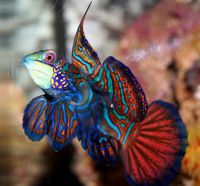
Although benthic pods can be seen swimming in cultures, their primary residence is in the substrate and on the rocks. This is the point where they offer one of their greatest utilities to our tanks as an integral piece of the CUC (Clean Up Crew). These copepods will eat left over food and detritus, and will graze algae down to its very roots. This makes copepods such as Tisbe, Apocyclops, Tigriopus and our specialty Harpa pods valuable micro members of you CUC. But there is even more that these little power houses provide. Pods are a great nutritious food source for many of the inhabitants of your aquarium. Fish including Mandarin Gobies, Scooter Blennies, Sand Sifting Gobies and more will augment their diet with copepods. Some of these fish may struggle without a constant supply of copepods, but even if converted to prepared foods they will lead a healthier happier life with the presence of copepods. We culture 4 separate species of benthic pods offering a greater variety and diversity for our tanks.
IMG_7829.jpeg


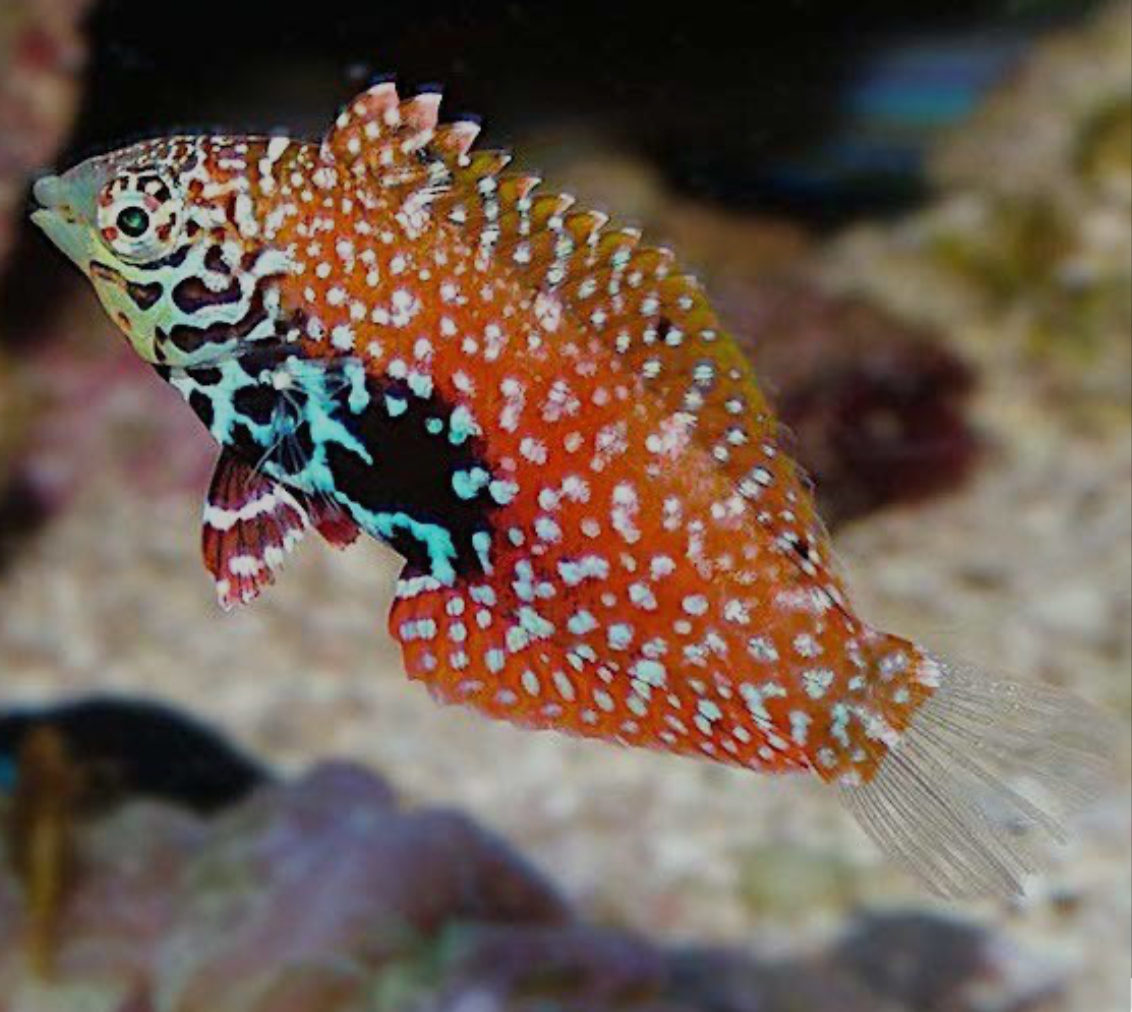
The pelagic copepods serve a different purpose in our aquaria. It is my belief that their presence makes keeping high metabolism fish easier. While I will not say that having them would offer guaranteed success with species like the Purple Queen Anthias, it is my belief that a constant source of free swimming pods definitely benefit what I call cruisers, those fish that cruise constantly burning calories in a continuous manner. Having a robust population of pelagic copepods greatly benefits those species of fish that require multiple feedings per day. While an automatic dry feeder can support some of these species, I personally prefer to feed fresh or frozen foods, which creates issues for hobbyists who are not at home all day everyday. These pods will also assist in the CUC, but they are not touted as being the workhorses that we see in the benthic pods. We offer the Acartia, Parvo and two distinct Pseudo for a total of 4 pelagic pods and find them to be perfect for these dietary needs.

With eight distinct species offered in various blends, a person is able to select the right blend to target their specific tank’s needs. You can find which pods are best for targeting your tank here.


I have found that a specific blend of copepods are especially helpful in eliminating dinoflagellates. And have had customers purchase a special blend of two species combined to use against a dino bloom. We have since added the third species, this blend in conjunction with our Coral Delight Phyto Buffet, Brightwell Microbacter7, and controlled silicate dosing has had positive results from our customers.

While we recommend dosing live phytoplankton for all species of pods to increase their health and nutritional profile, we highly recommend this for the pelagic pods as they will benefit greatly from a food source suspended in the water column.

You can check out our entire selection of Copepods here.

https://reefbysteele.com/collections/copepods

Kent and Sherry

 

NashReef

Community Member
View Badges
Joined
Nov 11, 2024
Messages
32
Reaction score
61
Location
Orcutt
Rating - 0%
0   0   0
Thank you for this article. I am in the process of cycling my 200 gallon tank. I plan to keep Madarins in the future! (when it’s appropriate of course)
 
OP
OP
Reef By Steele

Reef By Steele

10K Club member
View Badges
Joined
Aug 1, 2023
Messages
15,578
Reaction score
3,176
Location
Kearney
Rating - 100%
26   0   0
Thank you for this article. I am in the process of cycling my 200 gallon tank. I plan to keep Madarins in the future! (when it’s appropriate of course)
You are welcome. Not sure where you are in the cycle, but pods can be added as soon as your ammonia is under control. We have found that dosing live phytoplankton, one like ours with diatoms can greatly reduce the impact of the ugly stage. Unlike the diatoms that create this brown powdery coating on your tank, the strains in our blend will consume the silicate that comes in with the sand bed, and all of the strains will consume nitrates and phosphates to compete against GHA and other nuisance algae’s.

To prep for a Mandarin, you definitely want to target the benthic pods. A gallon of our Majestic Pod Buffet and dosing 100-200 ml per day of our Phyto Buffet will help them improve reproduction rates to establish colonies quicker. Generally we recommend 1 ml per actual system volume by gallon, and adjust up or down depending on nutrient export. In a new tank, you can start with 1/2 as there are not as many animals and corals consuming it and then adjust to find a balance with nitrates and phosphates remaining at your target levels. Maybe bump it as you add more fish and the waste load increases.

We added our Mandy in a 75 as our second addition about 3-4 weeks in. Not what most suggest but he is one of my must have fish and I wanted him well established before I added other fish. We dosed pods from an online competitor as we didn’t culture at the time. He is now fat and happy in our 210 gallon Red Sea S1000. In a 200 gallon tank you will see the Mandarin establish a territory where he will hang. Without other pod hunters (scooter blennies, Ruby red deagonets, sand sifting gobies, etc.) the pod population should maintain reasonably well if not catastrophic events. However if he starts roaming the tank it may be a sign that at least in his area the pods are not keeping up with him.
 

afboundguy

acanaholic
View Badges
Joined
Jun 12, 2009
Messages
1,197
Reaction score
739
Location
MA
Rating - 0%
0   0   0
+1 on dosing diatom phyto strains to help with nuscience algae. Ever since I started dosing a mix of my 7 strains (3 total diatom strains with 1 red, 2 green and 1 brown) my nuscience algae problems vanished!
 

NashReef

Community Member
View Badges
Joined
Nov 11, 2024
Messages
32
Reaction score
61
Location
Orcutt
Rating - 0%
0   0   0
You are welcome. Not sure where you are in the cycle, but pods can be added as soon as your ammonia is under control. We have found that dosing live phytoplankton, one like ours with diatoms can greatly reduce the impact of the ugly stage. Unlike the diatoms that create this brown powdery coating on your tank, the strains in our blend will consume the silicate that comes in with the sand bed, and all of the strains will consume nitrates and phosphates to compete against GHA and other nuisance algae’s.

To prep for a Mandarin, you definitely want to target the benthic pods. A gallon of our Majestic Pod Buffet and dosing 100-200 ml per day of our Phyto Buffet will help them improve reproduction rates to establish colonies quicker. Generally we recommend 1 ml per actual system volume by gallon, and adjust up or down depending on nutrient export. In a new tank, you can start with 1/2 as there are not as many animals and corals consuming it and then adjust to find a balance with nitrates and phosphates remaining at your target levels. Maybe bump it as you add more fish and the waste load increases.

We added our Mandy in a 75 as our second addition about 3-4 weeks in. Not what most suggest but he is one of my must have fish and I wanted him well established before I added other fish. We dosed pods from an online competitor as we didn’t culture at the time. He is now fat and happy in our 210 gallon Red Sea S1000. In a 200 gallon tank you will see the Mandarin establish a territory where he will hang. Without other pod hunters (scooter blennies, Ruby red deagonets, sand sifting gobies, etc.) the pod population should maintain reasonably well if not catastrophic events. However if he starts roaming the tank it may be a sign that at least in his area the pods are not keeping up with him.
Thank you for this. I’m in the early stages on day 9 of a fishless cycle. Nitrite is barely picking up. I added some sand from Tampa Bay Saltwater yesterday and I’ll add a few pounds of rubble from established tank here soon. I want my Mandarin well established as well, just as you describe. I am considering a bonded pair.

Any and all advice is welcome, as I am a newbie. Also, I will check out your website - I will be needing to order when I’m ready!
 
OP
OP
Reef By Steele

Reef By Steele

10K Club member
View Badges
Joined
Aug 1, 2023
Messages
15,578
Reaction score
3,176
Location
Kearney
Rating - 100%
26   0   0
Thank you for this. I’m in the early stages on day 9 of a fishless cycle. Nitrite is barely picking up. I added some sand from Tampa Bay Saltwater yesterday and I’ll add a few pounds of rubble from established tank here soon. I want my Mandarin well established as well, just as you describe. I am considering a bonded pair.

Any and all advice is welcome, as I am a newbie. Also, I will check out your website - I will be needing to order when I’m ready!
We would love to work with you. Check us out at www.reefbysteele.com
 

Randy Holmes-Farley

Reef Chemist
View Badges
Joined
Sep 5, 2014
Messages
89,275
Reaction score
92,327
Location
Massachusetts, United States
Rating - 0%
0   0   0
Which copepods do you think are most likely to become self sustaining in a reef tank?

I understand predation may limit them greatly, but ignoring that issue.

Thanks.
 
OP
OP
Reef By Steele

Reef By Steele

10K Club member
View Badges
Joined
Aug 1, 2023
Messages
15,578
Reaction score
3,176
Location
Kearney
Rating - 100%
26   0   0
Which copepods do you think are most likely to become self sustaining in a reef tank?

I understand predation may limit them greatly, but ignoring that issue.

Thanks.
Randy,

Good morning. In my opinion of what we carry there are three.

Our Harpa pod close but smaller cousin to the Tisbe beniminsis, reproduce so fast in our cultures that I have to believe they will multiply in the aquarium as well. Tisbe and Apocyclops are both pods that reproduce well in our tanks and should colonize in normal reef ramps and conditions.

Tigriopus califonicus seems to be a hugely popular pod, but due to their California coast habitat they do not do well in our reefs as far as colonizing. I believe mostly because our tanks are kept much warmer than the pacific coastal waters. Also they dance a jig that really attracts predation. We culture them extremely well, and they definitely add a visible pod to our blends. They are a great food source, but IMO if you plan to use them as a consistent source for your tank they need to be replenished often or culture your own.

I also believe that having them in a refugium or sump compartment with at least rock rubble for shelter is a great way to maintain population as they are able to reproduce and work their way through the system without being subject to predation.
 

Harpo

Coral Junkie
View Badges
Joined
Jan 7, 2009
Messages
1,072
Reaction score
401
Location
Royal Oak, Mi
Rating - 100%
5   0   0
I have just ordered a mystery wrasse from Dr Reef. What pods do I need for my one fish 100 gallon tank?
 
OP
OP
Reef By Steele

Reef By Steele

10K Club member
View Badges
Joined
Aug 1, 2023
Messages
15,578
Reaction score
3,176
Location
Kearney
Rating - 100%
26   0   0
I have just ordered a mystery wrasse from Dr Reef. What pods do I need for my one fish 100 gallon tank?
Our Majestic Pod Buffet would be an awesome selection for the mystery wrasse as they pick off of the bottom dwellers and this buffet is packed with Benthic pods.


Saluki2003

Active Member
View Badges
Joined
Nov 21, 2020
Messages
240
Reaction score
146
Location
San Diego
Rating - 0%
0   0   0
Thank you for this article.

Which pods would you recommend for a 35 gallon tank (50 gallon full system) mixed reef with 2 clowns, a Royal gramma, and a Watchman Goby / Pistol shrimp pair?

I did a complete tear down after a gnarly bubble algae outbreak. I though my pod population would be ok from the rubble in the dump but I’m not seeing pods on the rock or filter floss anymore. So I need to give it a restart and add a new pod population.
 
OP
OP
Reef By Steele

Reef By Steele

10K Club member
View Badges
Joined
Aug 1, 2023
Messages
15,578
Reaction score
3,176
Location
Kearney
Rating - 100%
26   0   0
Thank you for this article.

Which pods would you recommend for a 35 gallon tank (50 gallon full system) mixed reef with 2 clowns, a Royal gramma, and a Watchman Goby / Pistol shrimp pair?

I did a complete tear down after a gnarly bubble algae outbreak. I though my pod population would be ok from the rubble in the dump but I’m not seeing pods on the rock or filter floss anymore. So I need to give it a restart and add a new pod population.
Thanks for reaching out. Based on your tank and stock I would recommend our Majestic Pod Buffet. 50 gallon system would probably be fine with a 16 Oz, a 32 Oz would be a bomb.
 

Fishy888

2500 Club Member
View Badges
Joined
Oct 26, 2021
Messages
3,949
Reaction score
14,011
Location
Decatur, IL
Rating - 0%
0   0   0
Pods, does species matter?

IMG_8294.jpeg


Most agree that copepods are a desired addition to saltwater aquariums. But does it matter which pods you get? Short answer is yes the species do matter. Why? Because just as the fish in our tank offer different utilitarian purposes, pods also behave differently and provide different benefits and utilities to our glass boxes.

Though there are more species than can be easily counted, with many so closely related it can be difficult to tell them apart, there are some very clear and apparent differences within the copepod world. The most notable being where in the tank the pods reside. In basic terms copepods break down into two distinct types. Pelagic (free swimming) and Benthic (crawlers).


mandarin2.jpg


Although benthic pods can be seen swimming in cultures, their primary residence is in the substrate and on the rocks. This is the point where they offer one of their greatest utilities to our tanks as an integral piece of the CUC (Clean Up Crew). These copepods will eat left over food and detritus, and will graze algae down to its very roots. This makes copepods such as Tisbe, Apocyclops, Tigriopus and our specialty Harpa pods valuable micro members of you CUC. But there is even more that these little power houses provide. Pods are a great nutritious food source for many of the inhabitants of your aquarium. Fish including Mandarin Gobies, Scooter Blennies, Sand Sifting Gobies and more will augment their diet with copepods. Some of these fish may struggle without a constant supply of copepods, but even if converted to prepared foods they will lead a healthier happier life with the presence of copepods. We culture 4 separate species of benthic pods offering a greater variety and diversity for our tanks.

IMG_7829.jpeg


The pelagic copepods serve a different purpose in our aquaria. It is my belief that their presence makes keeping high metabolism fish easier. While I will not say that having them would offer guaranteed success with species like the Purple Queen Anthias, it is my belief that a constant source of free swimming pods definitely benefit what I call cruisers, those fish that cruise constantly burning calories in a continuous manner. Having a robust population of pelagic copepods greatly benefits those species of fish that require multiple feedings per day. While an automatic dry feeder can support some of these species, I personally prefer to feed fresh or frozen foods, which creates issues for hobbyists who are not at home all day everyday. These pods will also assist in the CUC, but they are not touted as being the workhorses that we see in the benthic pods. We offer the Acartia, Parvo and two distinct Pseudo for a total of 4 pelagic pods and find them to be perfect for these dietary needs.

With eight distinct species offered in various blends, a person is able to select the right blend to target their specific tank’s needs. You can find which pods are best for targeting your tank here.


I have found that a specific blend of copepods are especially helpful in eliminating dinoflagellates. And have had customers purchase a special blend of two species combined to use against a dino bloom. We have since added the third species, this blend in conjunction with our Coral Delight Phyto Buffet, Brightwell Microbacter7, and controlled silicate dosing has had positive results from our customers.

While we recommend dosing live phytoplankton for all species of pods to increase their health and nutritional profile, we highly recommend this for the pelagic pods as they will benefit greatly from a food source suspended in the water column.

You can check out our entire selection of Copepods here.

https://reefbysteele.com/collections/copepods

Kent and Sherry
I just recently started battling dinoflagellates once again. The last time I dealt them was a year ago when I set up this system. I agree, pods are such an important part of an all-out attack on dinos.

I have an actual system volume of about 150 gallons. It was a frag tank used by a now-defunct LFS, and now it’s a reef tank! I’m not sure if it makes a difference, although I would think it would; the display is 6’ x 2.5’ x 12”. I imagine I’d need more benthic pods than a normal 125 G. The sump is a 75 G. Pod wise, what is the best strategy? Also, do you find that your pods from your blends outcompete each other until only one is left?
 

TOP 10 Trending Threads

WHAT AMOUNT OF LIVE ROCK AND SAND SHOULD BE PRIORITIZED FOR OPTIMAL BIODIVERSITY/FILTRATION?

  • 100% live rock + bagged sand

    Votes: 38 26.6%
  • 100% dry rock + 100% live sand

    Votes: 48 33.6%
  • 50/50 live/dry rock, 50/50 live/bagged sand

    Votes: 32 22.4%
  • 75% live rock, 25% live sand

    Votes: 15 10.5%
  • 25% live rock, 75% live sand

    Votes: 10 7.0%
Back
Top