Mexican turbo babies?

Phishguy3.0

Community Member
View Badges
Joined
Apr 17, 2018
Messages
77
Reaction score
36
Rating - 0%
0   0   0
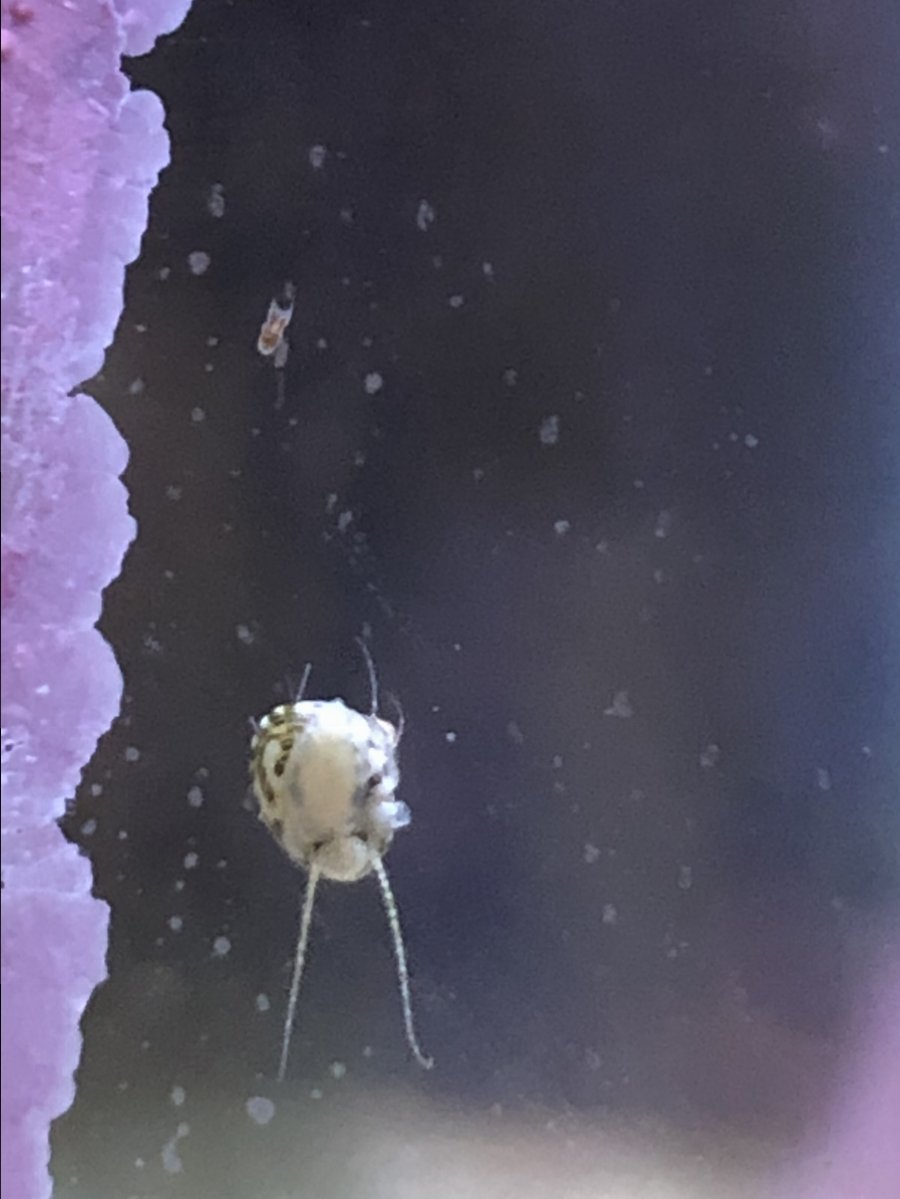
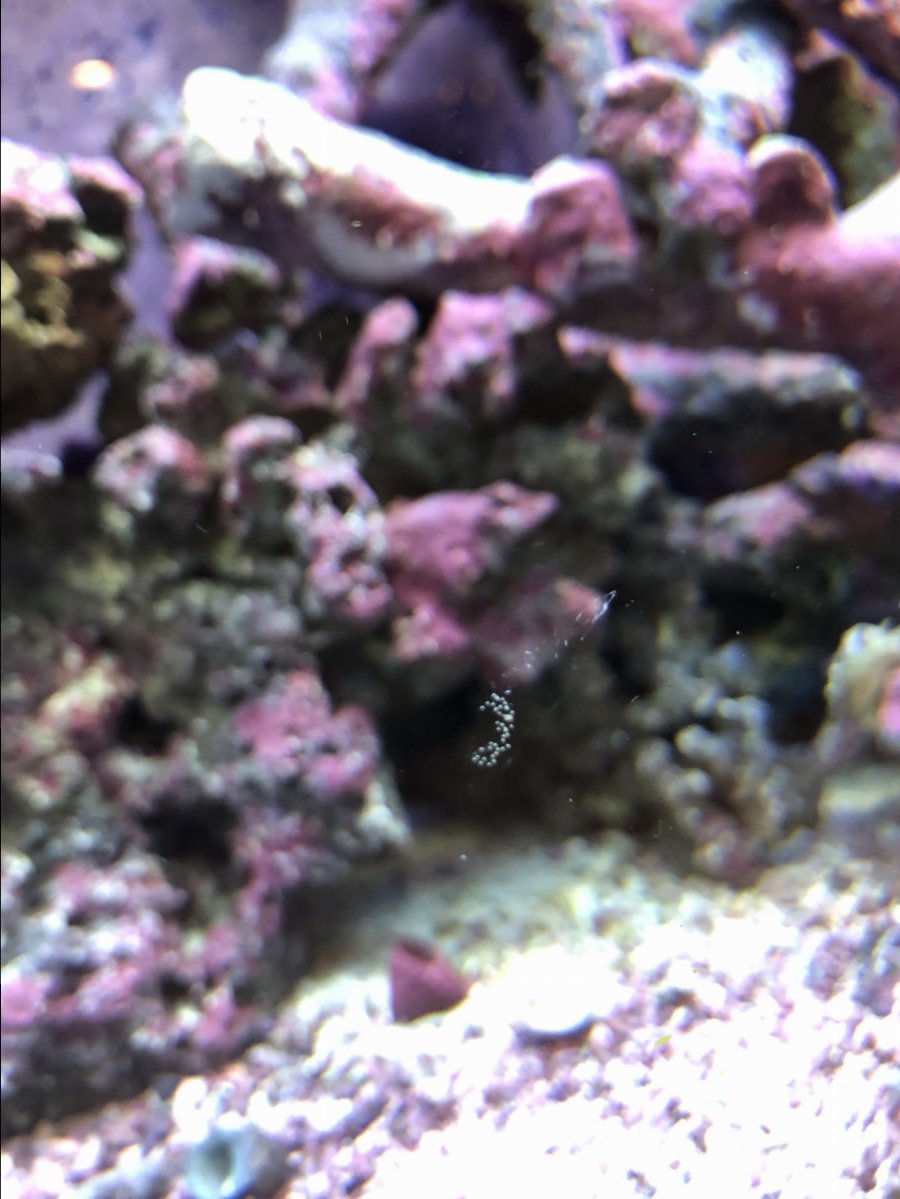
Are these turbo snail babies and eggs? Thanks for your help

DE756221-DBB9-4DA9-824B-CB3D88EE50D8.jpeg


BB2C3B68-7E41-4897-B135-7F9D0C7E1CE3.jpeg
 

Jaysan

New Member
View Badges
Joined
Mar 5, 2019
Messages
6
Reaction score
5
Rating - 0%
0   0   0
There is also a flatworm above the snail in the first pic!
Get rid of those, they can suffocate your corals. I found yellow coris wrasse to be the safest bet or saliferts flatworm exit
 
OP
OP
Phishguy3.0

Phishguy3.0

Community Member
View Badges
Joined
Apr 17, 2018
Messages
77
Reaction score
36
Rating - 0%
0   0   0
There is also a flatworm above the snail in the first pic!
Get rid of those, they can suffocate your corals. I found yellow coris wrasse to be the safest bet or saliferts flatworm exit
Thanks
 

Reefiness

Well-Known Member
View Badges
Joined
Feb 15, 2016
Messages
568
Reaction score
301
Location
Staten Island, NY
Rating - 0%
0   0   0
The flatworm in the pic is one of the ones that is generally harmless. Ive had some of thise in my tank for a while. The ones you need to wlrry about mainly are the aefw, red planaria, and other large flat worms that tend to spend a lot of tume on the actual corals themselves. These i o ly ever see on glass and frag pkugs eating algae.

As to the snail, looks like a trochus baby if you have any of those in your tank thats probably it. Doesnt look like a mexican turbo to me

 

TOP 10 Trending Threads

WHAT AMOUNT OF LIVE ROCK AND SAND SHOULD BE PRIORITIZED FOR OPTIMAL BIODIVERSITY/FILTRATION?

  • 100% live rock + bagged sand

    Votes: 37 27.4%
  • 100% dry rock + 100% live sand

    Votes: 46 34.1%
  • 50/50 live/dry rock, 50/50 live/bagged sand

    Votes: 30 22.2%
  • 75% live rock, 25% live sand

    Votes: 12 8.9%
  • 25% live rock, 75% live sand

    Votes: 10 7.4%
Back
Top