


New toy for underwater photography

  • Thread starter Thread starter legendhua
  • Start date Start date
  • Tagged users Tagged users None

legendhua

Active Member
View Badges
Joined
Nov 8, 2016
Messages
318
Reaction score
722
Location
Taiwan
What state or country do you live in
Other International
Rating - 0%
0   0   0
Generally, when using a DSLR to shoot underwater in an aquarium, most people opt for a porthole instead of a diving housing.
The reasons are that the diving housing is expensive and it is too bulky.

Different lenses require matching portholes of different sizes. Besides the length of the lens, the angle of view varies significantly with different focal lengths. The wider the angle of the lens, the larger the diameter of the porthole needs to be, and the length of the lens housing should be shallower.

As coral colonies grow larger, the macro len (with a longer focal length) is no longer suitable for capturing coral scenes.
The DIY porthole I made before couldn’t accommodate a wide-angle lens, so I planned to make another one.
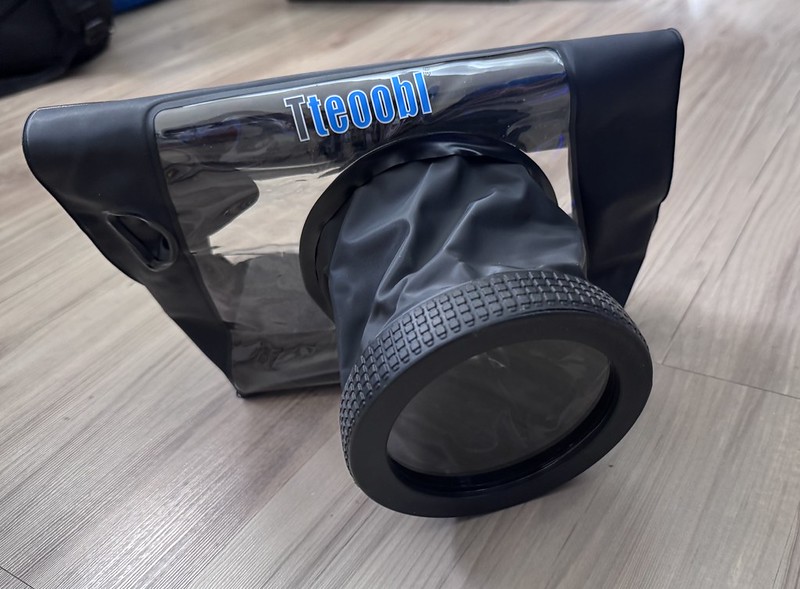
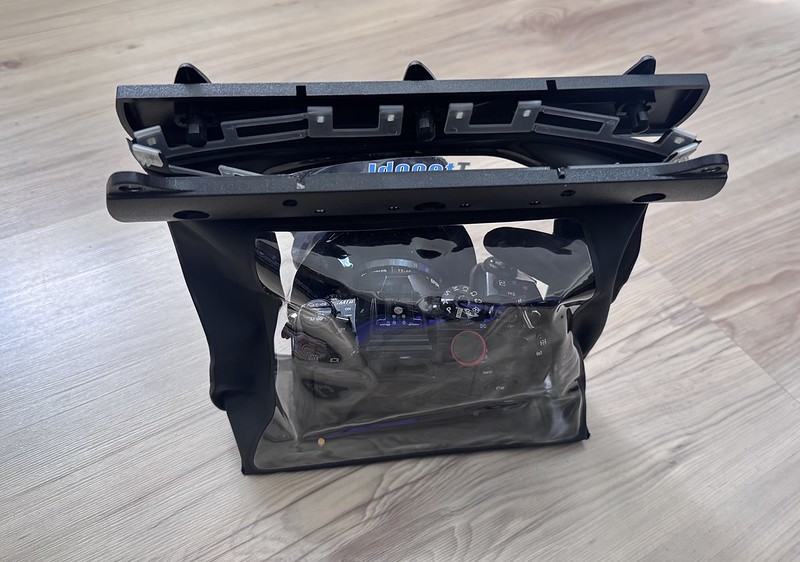
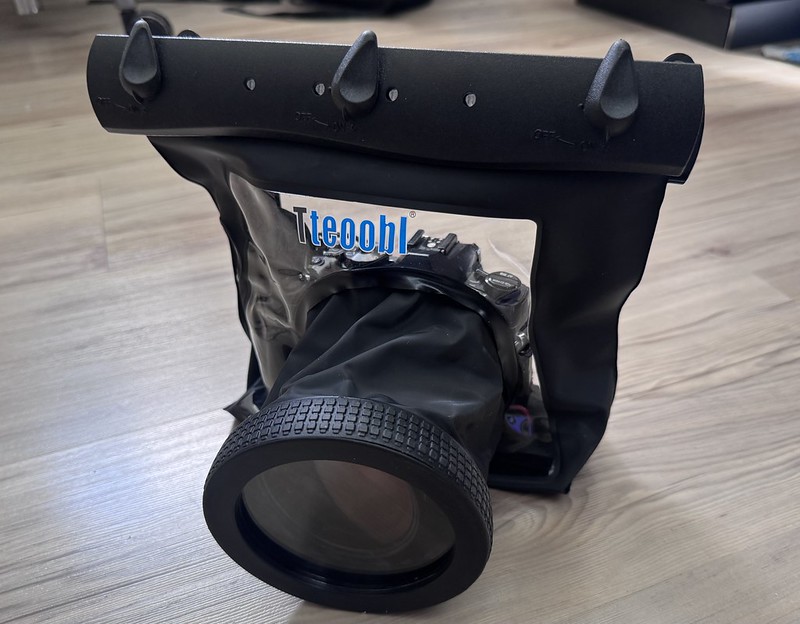
While searching for parts online, I discovered that there are underwater bags available for sale.
The price was not expensive, so I bought one to try it out.
無標題 by legendhua, 於 Flickr
無標題 by legendhua, 於 Flickr
無標題 by legendhua, 於 Flickr


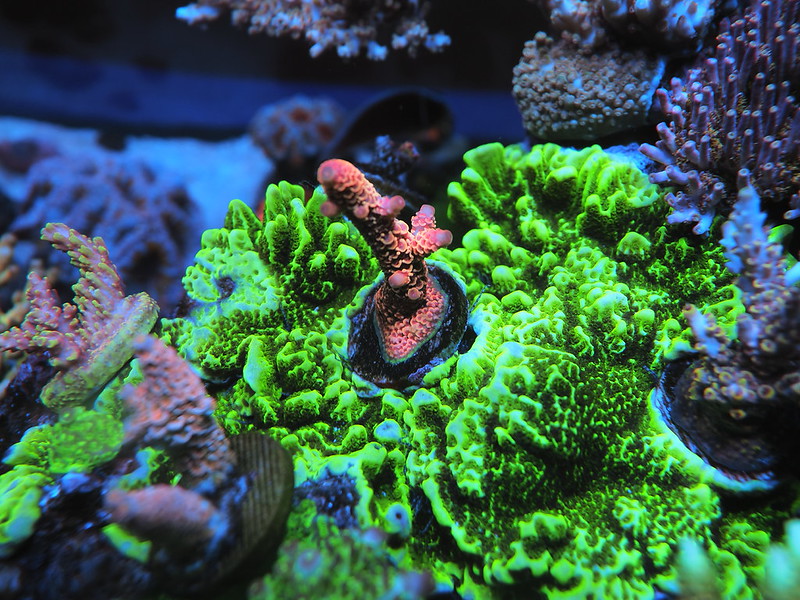
Initially, there were no issues with water leakage, but the main drawback is that it is difficult to adjust the camera settings.

vidio

P1040040 by legendhua, 於 Flickr
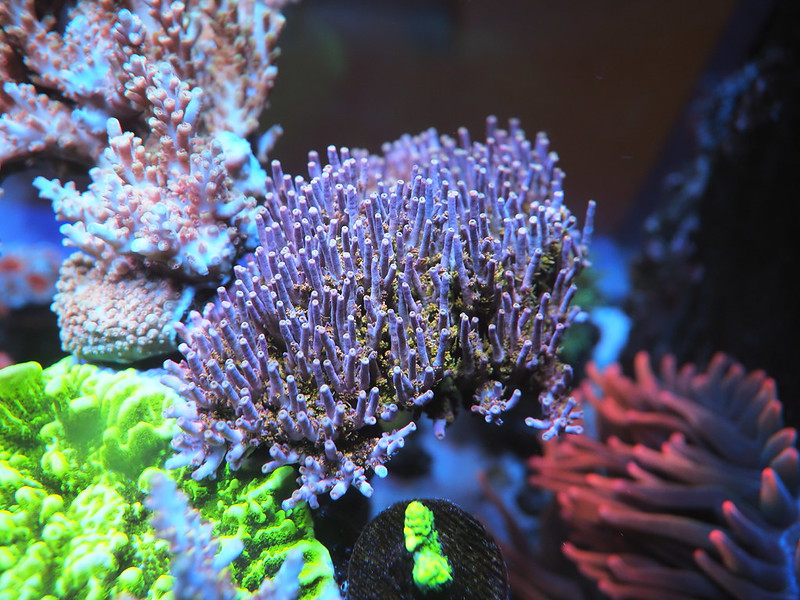
P1040062 by legendhua, 於 Flickr
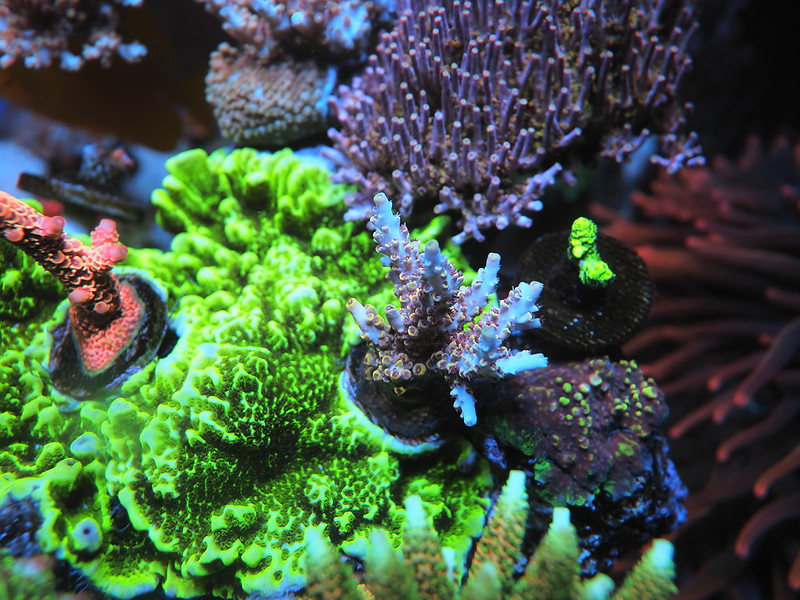
P1040043 by legendhua, 於 Flickr
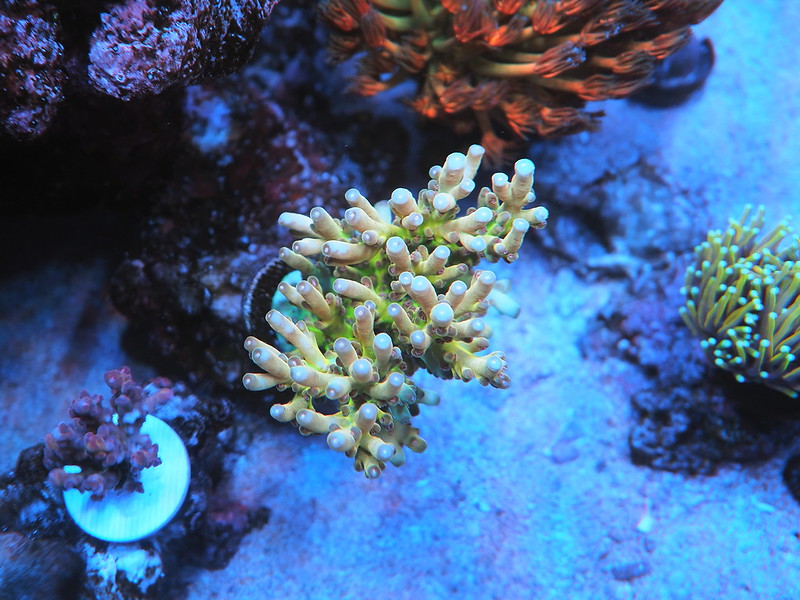
P1040079 by legendhua, 於 Flickr
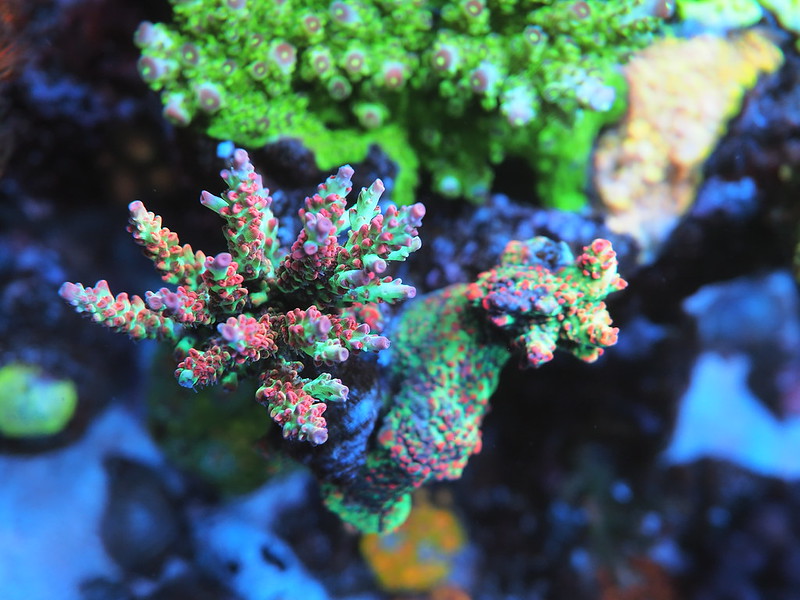
P1040049 by legendhua, 於 Flickr
 
Generally, when using a DSLR to shoot underwater in an aquarium, most people opt for a porthole instead of a diving housing.
The reasons are that the diving housing is expensive and it is too bulky.

Different lenses require matching portholes of different sizes. Besides the length of the lens, the angle of view varies significantly with different focal lengths. The wider the angle of the lens, the larger the diameter of the porthole needs to be, and the length of the lens housing should be shallower.

As coral colonies grow larger, the macro len (with a longer focal length) is no longer suitable for capturing coral scenes.
The DIY porthole I made before couldn’t accommodate a wide-angle lens, so I planned to make another one.
While searching for parts online, I discovered that there are underwater bags available for sale.
The price was not expensive, so I bought one to try it out.

無標題 by legendhua, 於 Flickr

無標題 by legendhua, 於 Flickr

無標題 by legendhua, 於 Flickr


Initially, there were no issues with water leakage, but the main drawback is that it is difficult to adjust the camera settings.

vidio


P1040040 by legendhua, 於 Flickr

P1040062 by legendhua, 於 Flickr

P1040043 by legendhua, 於 Flickr

P1040079 by legendhua, 於 Flickr

P1040049 by legendhua, 於 Flickr

Video and pictures turned out very nice.

Is that an Olympus E-M1 Mark II you are using?
 
Very Nice thanks for sharing.
I notice the video is a bit soft or out of focus is it because its tricky to adjust focus or the underwater bag lense messing up the quality ?the pictures seem sharper so am assuming its only a focusing issue on the video ?
Are there different bags to accommodate longer or shorter lenses ? Or do u just fold the bag on shorter lenses ?
 
Wow, those are some nice macro photos! Thanks for sharing!
 
Wow, those are some nice macro photos! Thanks for sharing!
Indeed tempted to try one if those !
Yet the thought of my camera under water in even a pro housing is scary , all it takes is a bad seal or a bad closing to flood the camera. Wish I kept an older camera for this
 
Generally, when using a DSLR to shoot underwater in an aquarium, most people opt for a porthole instead of a diving housing.
The reasons are that the diving housing is expensive and it is too bulky.

Different lenses require matching portholes of different sizes. Besides the length of the lens, the angle of view varies significantly with different focal lengths. The wider the angle of the lens, the larger the diameter of the porthole needs to be, and the length of the lens housing should be shallower.

As coral colonies grow larger, the macro len (with a longer focal length) is no longer suitable for capturing coral scenes.
The DIY porthole I made before couldn’t accommodate a wide-angle lens, so I planned to make another one.
While searching for parts online, I discovered that there are underwater bags available for sale.
The price was not expensive, so I bought one to try it out.

無標題 by legendhua, 於 Flickr

無標題 by legendhua, 於 Flickr

無標題 by legendhua, 於 Flickr


Initially, there were no issues with water leakage, but the main drawback is that it is difficult to adjust the camera settings.

vidio


P1040040 by legendhua, 於 Flickr

P1040062 by legendhua, 於 Flickr

P1040043 by legendhua, 於 Flickr

P1040079 by legendhua, 於 Flickr

P1040049 by legendhua, 於 Flickr


Wow that's a whole new level! Beautiful!
 
Indeed tempted to try one if those !
Yet the thought of my camera under water in even a pro housing is scary , all it takes is a bad seal or a bad closing to flood the camera. Wish I kept an older camera for this
This would be my concern too.
 
Very Nice thanks for sharing.
I notice the video is a bit soft or out of focus is it because its tricky to adjust focus or the underwater bag lense messing up the quality ?the pictures seem sharper so am assuming its only a focusing issue on the video ?
Are there different bags to accommodate longer or shorter lenses ? Or do u just fold the bag on shorter lenses ?
The poor video quality is due to several factors, including the reliance on autofocus and the difficulty in maintaining a perfectly parallel camera lens to the surface of the diving bag.
Finding a simple way to secure the camera inside the bag is a problem that needs to be solved.
The diving bag comes in two sizes, 10cm and 14cm, and I only bought the smaller one.
I have a porthole for use with longer lenses.

Next, I'll try out the A7C + EF 20-70mm F4 combination.
 
Indeed tempted to try one if those !
Yet the thought of my camera under water in even a pro housing is scary , all it takes is a bad seal or a bad closing to flood the camera. Wish I kept an older camera for this
I also worry about the issue of leaks, so most of the time, I haven't moved the opening of the dive bag underwater. Fortunately, my tank isn't that deep, so I can capture most of the scenes this way.
 
The poor video quality is due to several factors, including the reliance on autofocus and the difficulty in maintaining a perfectly parallel camera lens to the surface of the diving bag.
Finding a simple way to secure the camera inside the bag is a problem that needs to be solved.
The diving bag comes in two sizes, 10cm and 14cm, and I only bought the smaller one.
I have a porthole for use with longer lenses.

Next, I'll try out the A7C + EF 20-70mm F4 combination.
Thanks for the clarification. Guess the trick is to find a bag size that fits the camera and lense snuggly so the lens has to sit flush against the front of the bag.
 
I also worry about the issue of leaks, so most of the time, I haven't moved the opening of the dive bag underwater. Fortunately, my tank isn't that deep, so I can capture most of the scenes this way

Can imagine however we have the same risk with a top down box or a porthole glued seem leaking and also by pushing the lense by mistake a bit deeper in the water which would fill the porthole with water as well. I would trust the closed bag and keeping the closing part closed more than a porthole but then the control and focusing access is still an advantage for the porthole .
 
That's pretty sweet.

As for leaking I think most higher end bodies and lenses these are pretty weather resistant and sealed. I'd think you would need a catastrophic failure of the bag to really immerse the camera. More than likely it would just start leaking and you'd be able to get your gear out before it got "really" wet.
 

TOP 10 Trending Threads

WHAT KIND OF SUBSTRATE ARE YOU RUNNING ON YOUR TANK?

  • Bare bottom

    Votes: 7 17.1%
  • A shallow bed of fine sand

    Votes: 9 22.0%
  • A shallow bed of coarser sand

    Votes: 10 24.4%
  • A deep sand bed

    Votes: 5 12.2%
  • Mixed substrate or varying sand depth

    Votes: 10 24.4%
  • Some other substrate (posted in the comments)

    Votes: 0 0.0%
  • I don’t have a reef tank yet

    Votes: 0 0.0%
Back
Top
Home
Post thread…
Market
What's new









