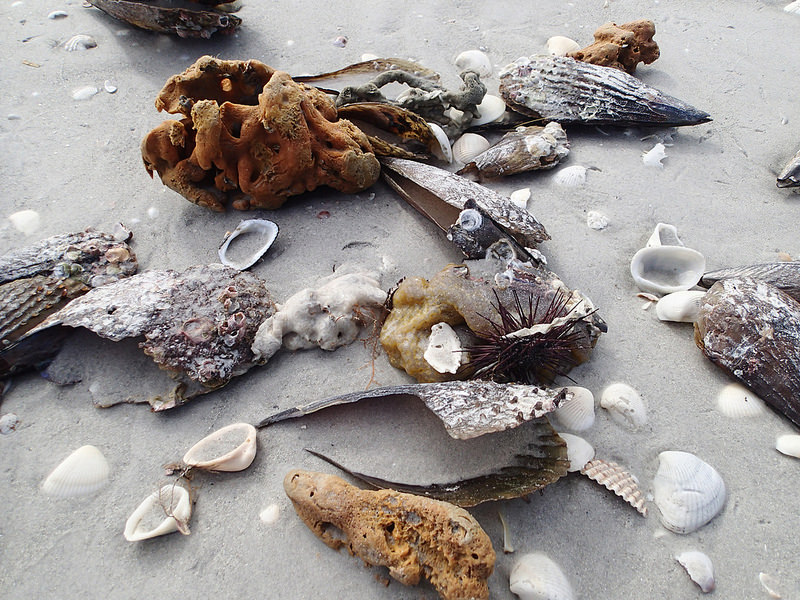
It's great fun. First you need to find a beach where sponges wash up. Around here in SW Florida that mostly happens after winter cold fronts, but can happen after stormy days. The sponges around here that are the best are soft orange ones that range from very small to almost football (American football) size. They are soft, have lots of fingers or branches and lots of 1/4" to 1" holes. We find them as close to the water's edge as possible in hope that they are still wet, or at least damp.
 P1180100
 by
Ron Lindensmith, on Flickr
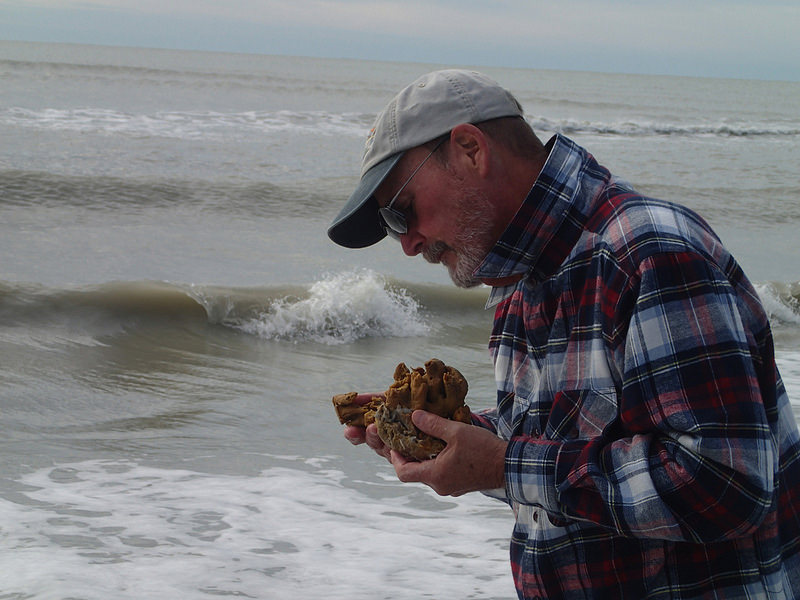
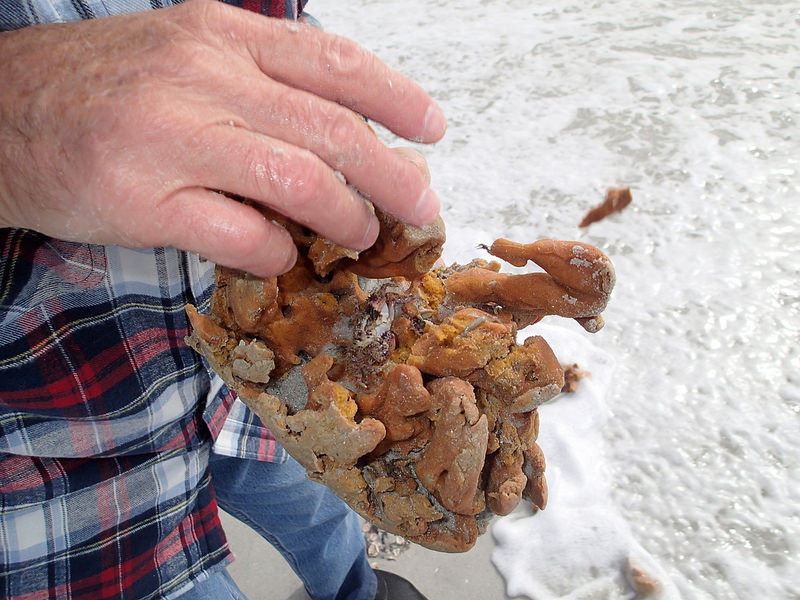
Start tearing it open and look carefully inside.
 P1180160
 by
Ron Lindensmith, on Flickr
 P1180233
 by
Ron Lindensmith, on Flickr
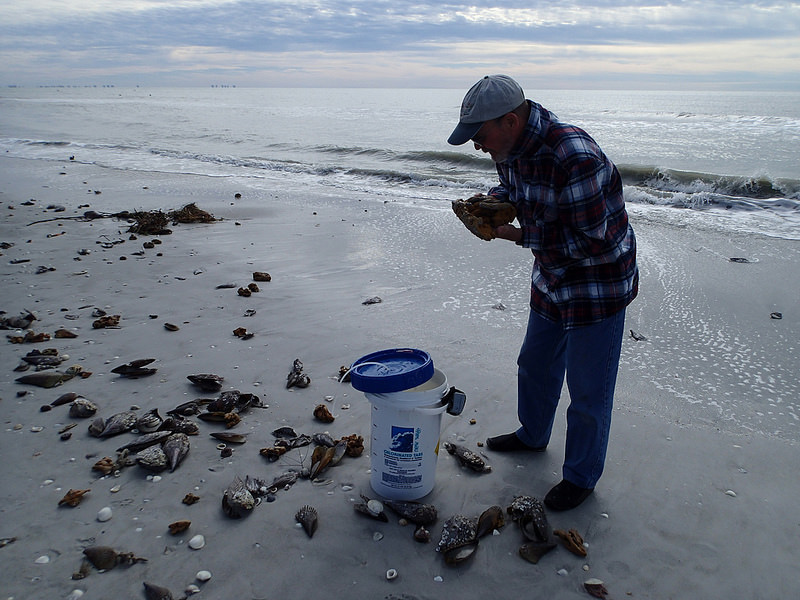
Around here porcelain crabs from very tiny 1/4" to about 1 1/2" are very common and they survive collecting and transporting home very well. I use a 7g bucket with a screw top lid. I drilled a hole in the lid for an air hose and I attached some velcro to the lid and a battery operated air pump (bubbler). They are like $10 to $15 at bait shops and online.
 P1180029
 by
Ron Lindensmith, on Flickr
We find a lot less pistol shrimp than porcelain crabs, probably about a 10:1 or even 20:1 ratio. The pistol shrimp are at higher risk from being out of the water than the crabs and they don't do quite as well making it home. But the survival rate for me has been about 90%. Very rarely I'll find a peppermint shrimp. Here is a pic with a couple of porcelain crabs and a pistol shrimp (yellow) hanging on to a sea cucumber (collected illegally, but back then I didn't know it).
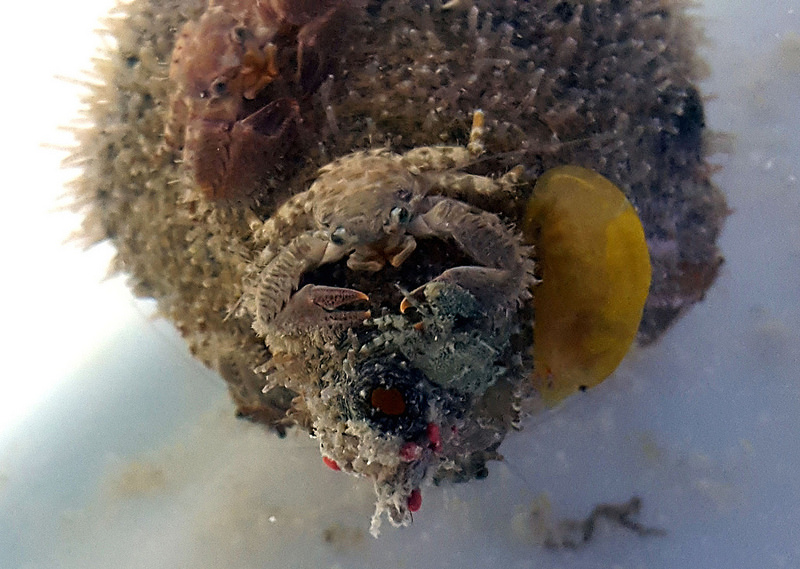 sea squirt and friends
 by
Ron Lindensmith, on Flickr
We find tiny and small serpent and brittle stars in the sponges as well. They are even less likey to survive long in the sponge and I think because they are so compromised, their survival rate for me is about 40%. But I can't collect stars on Sanibel beaches as they are protected by local ordinances along with all mollusks, sea cucumbers, sand dollars and sea biscuits.
I've had days where hitting my collection limit (20 animals/day, state regulation applies to all of Florida) is easy. But I've also had days that I come home with an empty bucket! Oh, one more point. I fill my bucket with a couple gallons of saltwater from my tank at home. On rough and cold days (better collecting) it's hard to get even semi-clean water in the bucket from the surf. And by using tank water, I've started acclimating them to my water right from the start.
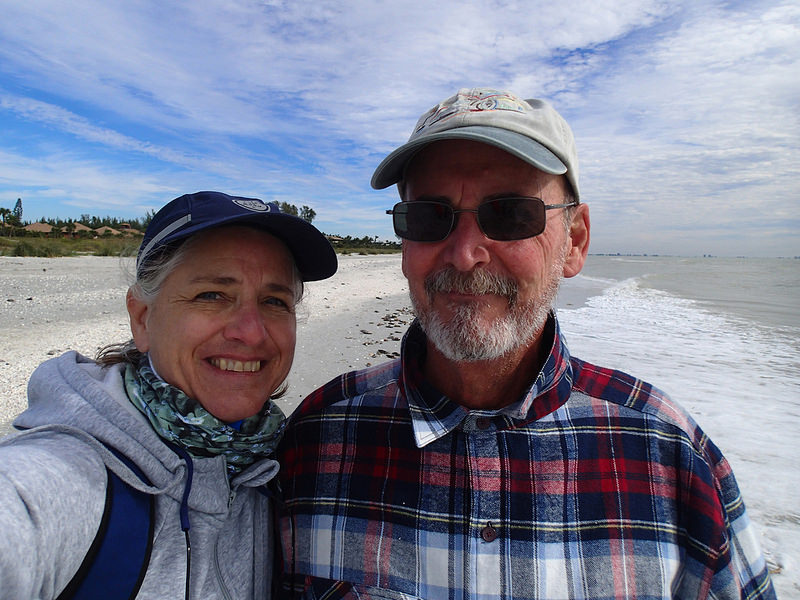
I've been doing this for about 5 or 6 years now. One of the fun things for me is; when I'm out collected on a cold or cool windy day, almost everybody else on the beach are vacationers from far away and they are looking for shells. So even though it's 50F, it's sunny after a cold front and they are out in shorts or bathing suits. To me, after 20 years in SW Florida, I consider 50F to be freezing cold! So I'm wearing the bottom half of a wet suit and blue jeans, a long sleeve t-shirt and a flannel shirt and sometimes even semi heavy coat!
 P1180230
 by
Ron Lindensmith, on Flickr
So these shell hunters are always coming over to me and ask what the heck am I doing! Dressed like it's about to snow, I stand out from pretty far away. And when they get closer, they see me tearing sponges apart and occasionally dropping something in a big bucket. I'm like 0.001% of the beach population on those days. And when I explain what I'm doing, and show them the crabs and shrimp (and maybe an anemone) they are shocked. They ask,"You're finding these in the water, right?" And I say,"Nope, here is a sponge that's washed up, let's look inside." When I find live animals inside they are almost alway blown away. They had no idea anything on the beach that belongs in the water would still be alive. I love it because I always wanted to be a teacher and be able to inspire my students. These vacationers are often hungry for more knowledge and shocked at what I can show them. Great FUN!





























