Waterfall: version 2

SantaMonica

2500 Club Member
View Badges
Joined
Sep 16, 2008
Messages
2,686
Reaction score
1,066
Location
Salt Lake City, Utah, USA
Coming in 2016:
Waterfall algae scrubber
Version 2


After I invented the waterfall scrubber in 2008, it's great that so many people got to DIY it, and it's also great that lots of builders/sellers used it as their design up until the current day. It's had over 7 years to gather hobbyists.

2012 was a good year though, when I introduced the upflow scrubber. It's only had 3 years to gather hobbyists, but offers them what they did not have before: a compact place where they can put a scrubber that does not spill over when it fills up.

Now that the upflows are established, it's time to do some more work on the waterfalls. They've been unchanged since 2008, and almost every part of them can be improved. So over the next year or two I'll post up the improvements piece by piece. Hopefully the improvements will be useful to all.
 
OP
OP
SantaMonica

SantaMonica

2500 Club Member
View Badges
Joined
Sep 16, 2008
Messages
2,686
Reaction score
1,066
Location
Salt Lake City, Utah, USA
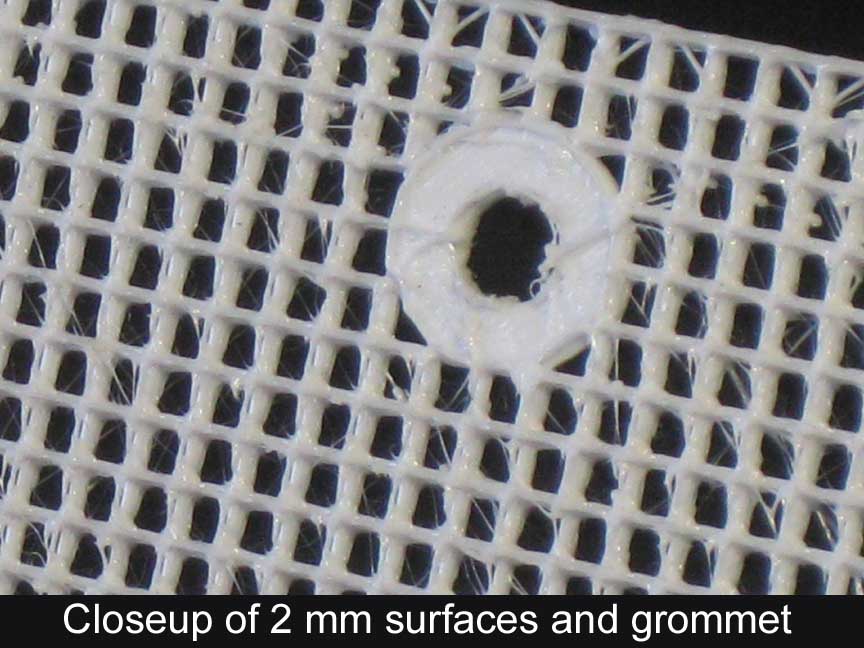
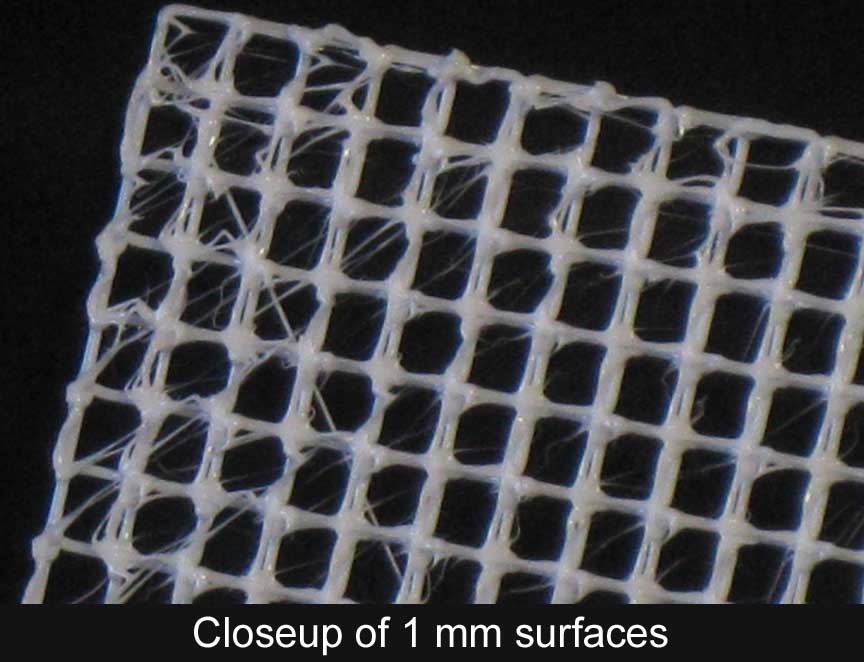
The first improvement to the waterfall design is the screen. Since I designed it in 2008, the screen has just been made by hand by scraping knitting screen with a wood saw blade. It worked, but was fragile because of the soft knitting material. It also would wear out after several months of cleaning it, and sometimes it would pull away and rip from it's tie points. And even after hours of scraping, it was still very hard to get the insides of the little square holes rough enough (you want all the surfaces to be very rough, to hold on to the growth). Well, it's 2016 now, and 3D printers are here to stay, so let's use them to make the screens!

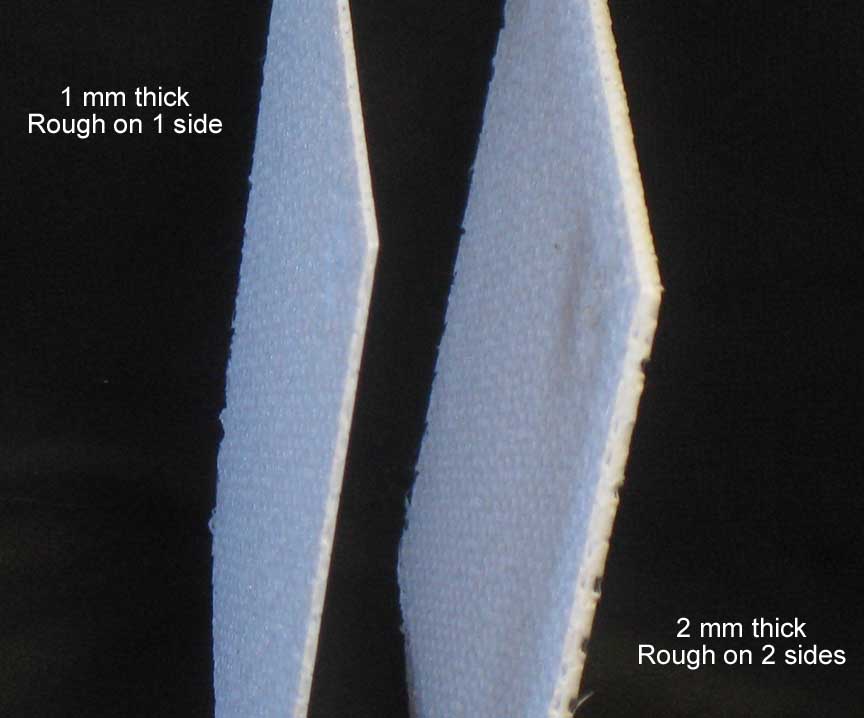
Green Grabber® screens use a patent-pending 3D printing method called Rough 3D to make exactly what works the best for algae attachment, and the screens use a type of plastic that is more sturdy than the softer plastic used for knitting screens. The material is also U.S. FDA (Food and Drug Administration) approved for contact with food, to make sure that the fish and corals don't get any residual plasticizers from other types of plastics. Also there is no mortar to detach from the screen which might be ingested by fish. Instead the screen stays rough, all the time.

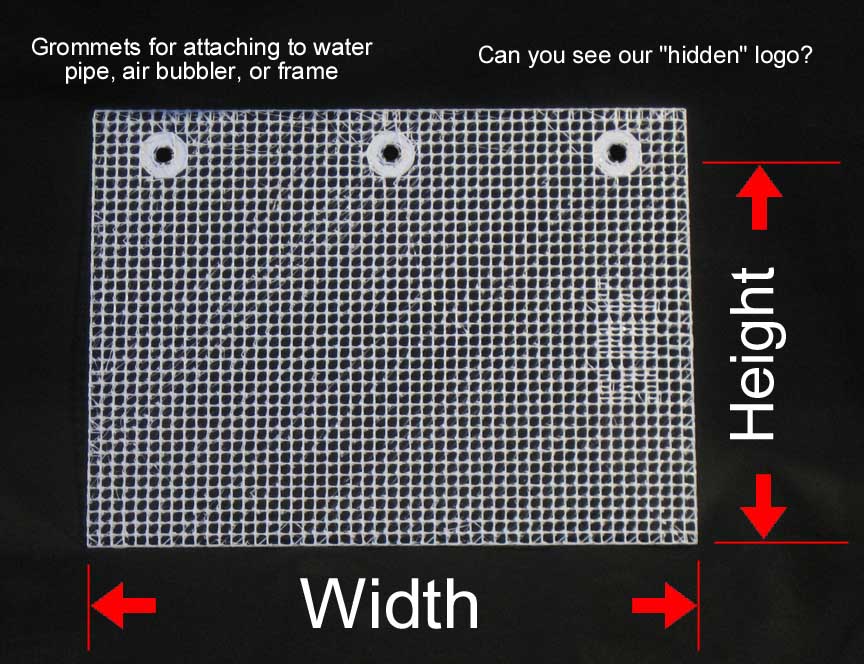
Lastly, since you can 3D print several different things into one piece, the mounting holes (for putting zip-ties / tie-wraps through the screen) are molded in, and are covered in rough surfaces so even they add to the algae attachment area:


Screen-1mm.jpg


Screen-2mm.jpg


ScreenSizing.jpg


ScreenThickness.jpg


ThreeScreensWithText.jpg
 

MikeyAl

Well-Known Member
View Badges
Joined
Feb 10, 2014
Messages
822
Reaction score
229
Location
Alabama
The first improvement to the waterfall design is the screen. Since I designed it in 2008, the screen has just been made by hand by scraping knitting screen with a wood saw blade. It worked, but was fragile because of the soft knitting material. It also would wear out after several months of cleaning it, and sometimes it would pull away and rip from it's tie points. And even after hours of scraping, it was still very hard to get the insides of the little square holes rough enough (you want all the surfaces to be very rough, to hold on to the growth). Well, it's 2016 now, and 3D printers are here to stay, so let's use them to make the screens!

Green Grabber[emoji768] screens use a patent-pending 3D printing method called Rough 3D to make exactly what works the best for algae attachment, and the screens use a type of plastic that is more sturdy than the softer plastic used for knitting screens. The material is also U.S. FDA (Food and Drug Administration) approved for contact with food, to make sure that the fish and corals don't get any residual plasticizers from other types of plastics. Also there is no mortar to detach from the screen which might be ingested by fish. Instead the screen stays rough, all the time.

Lastly, since you can 3D print several different things into one piece, the mounting holes (for putting zip-ties / tie-wraps through the screen) are molded in, and are covered in rough surfaces so even they add to the algae attachment area:


Screen-1mm.jpg


Screen-2mm.jpg


ScreenSizing.jpg


ScreenThickness.jpg


Cool.
 

TOP 10 Trending Threads

WHAT AMOUNT OF LIVE ROCK AND SAND SHOULD BE PRIORITIZED FOR OPTIMAL BIODIVERSITY/FILTRATION?

  • 100% live rock + bagged sand

    Votes: 38 27.3%
  • 100% dry rock + 100% live sand

    Votes: 47 33.8%
  • 50/50 live/dry rock, 50/50 live/bagged sand

    Votes: 30 21.6%
  • 75% live rock, 25% live sand

    Votes: 14 10.1%
  • 25% live rock, 75% live sand

    Votes: 10 7.2%
Back
Top