



- Joined
- Mar 6, 2016
- Messages
- 498
- Reaction score
- 315
- Location
- Long Island
- What state or country do you live in
- New York
Im looking to purchase a Kreg jig. Wondering which one I should go for?
They have the basic one that you clamp on for $20 to 40 to the Kreg k5 pocket hole jig for $140
Price isn't the concern. Its Which would be the most versatile/ easy to use.
Not looking to do major projects but mess around and build a stand
maybe, apex utility box, something to hide the ATO container.
Thanks

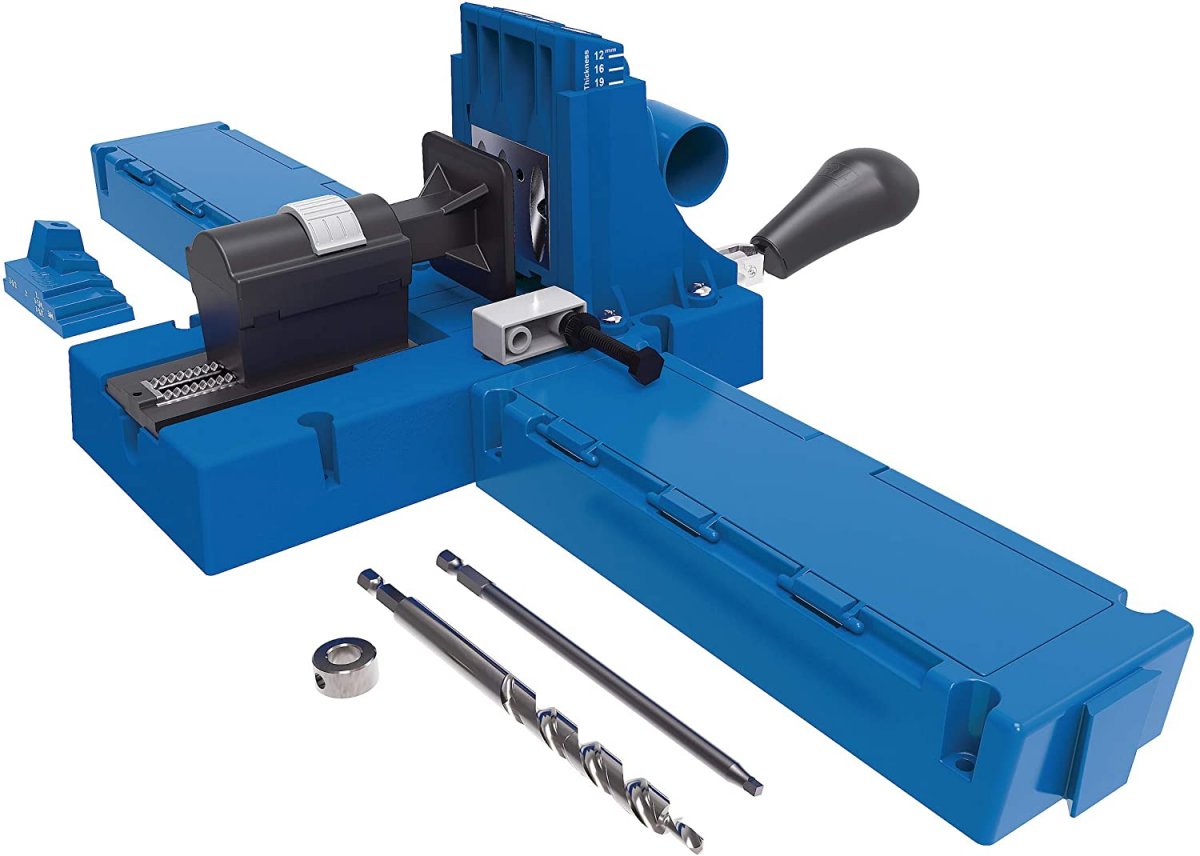
They have the basic one that you clamp on for $20 to 40 to the Kreg k5 pocket hole jig for $140
Price isn't the concern. Its Which would be the most versatile/ easy to use.
Not looking to do major projects but mess around and build a stand
maybe, apex utility box, something to hide the ATO container.
Thanks






















