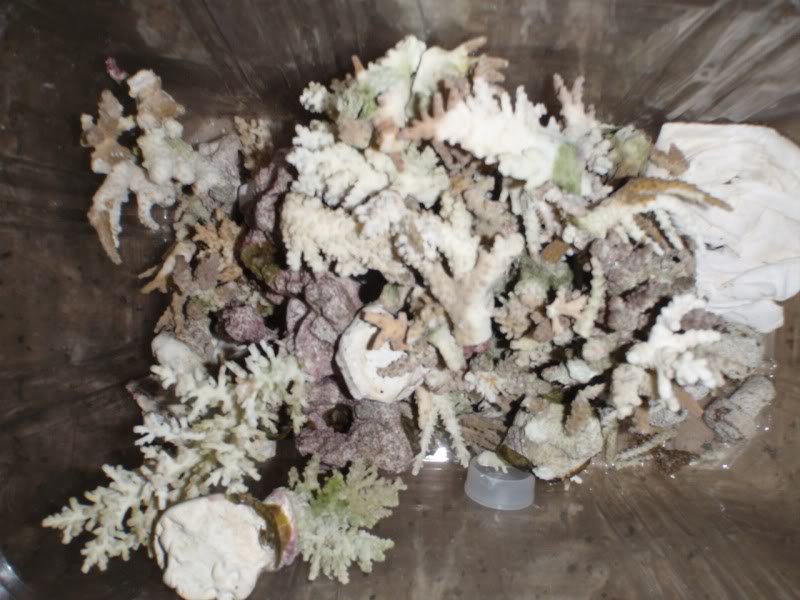
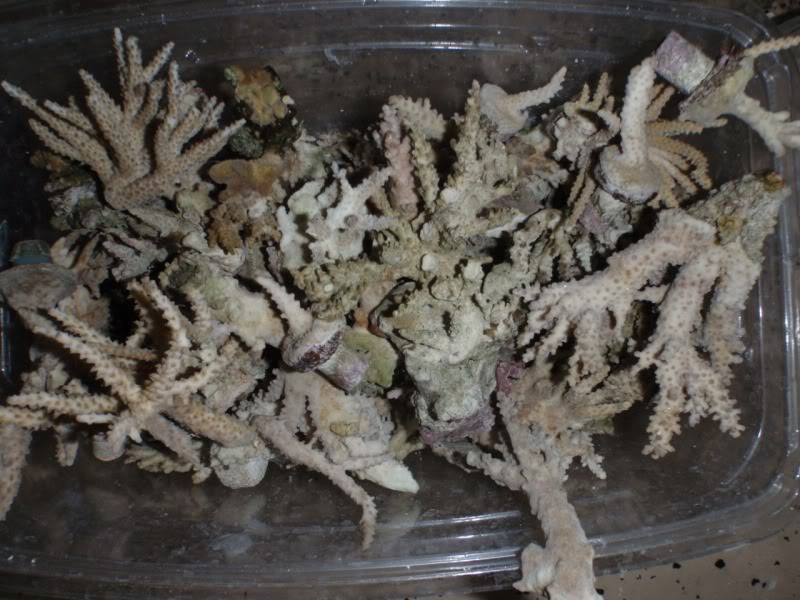
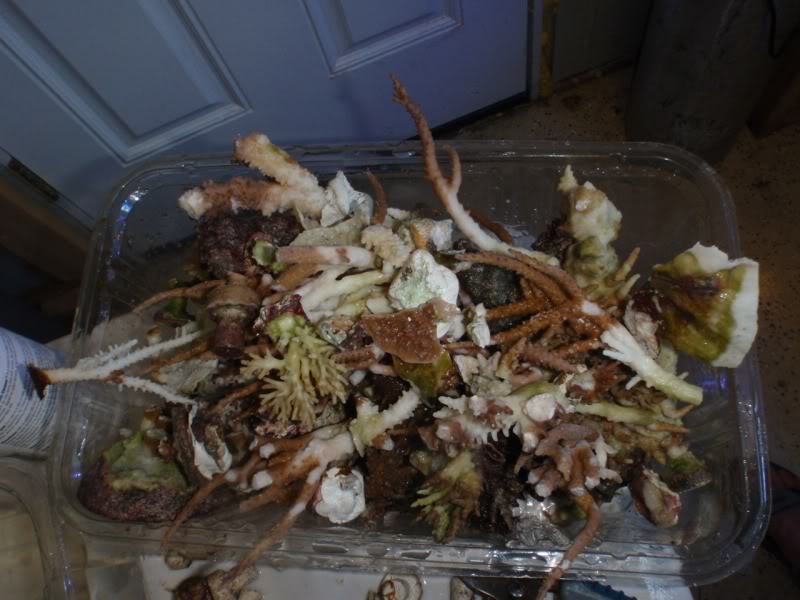
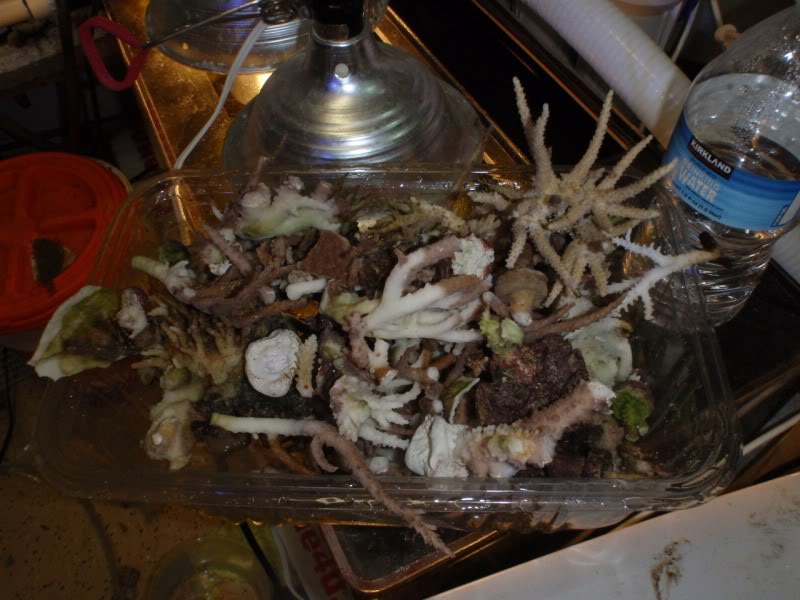
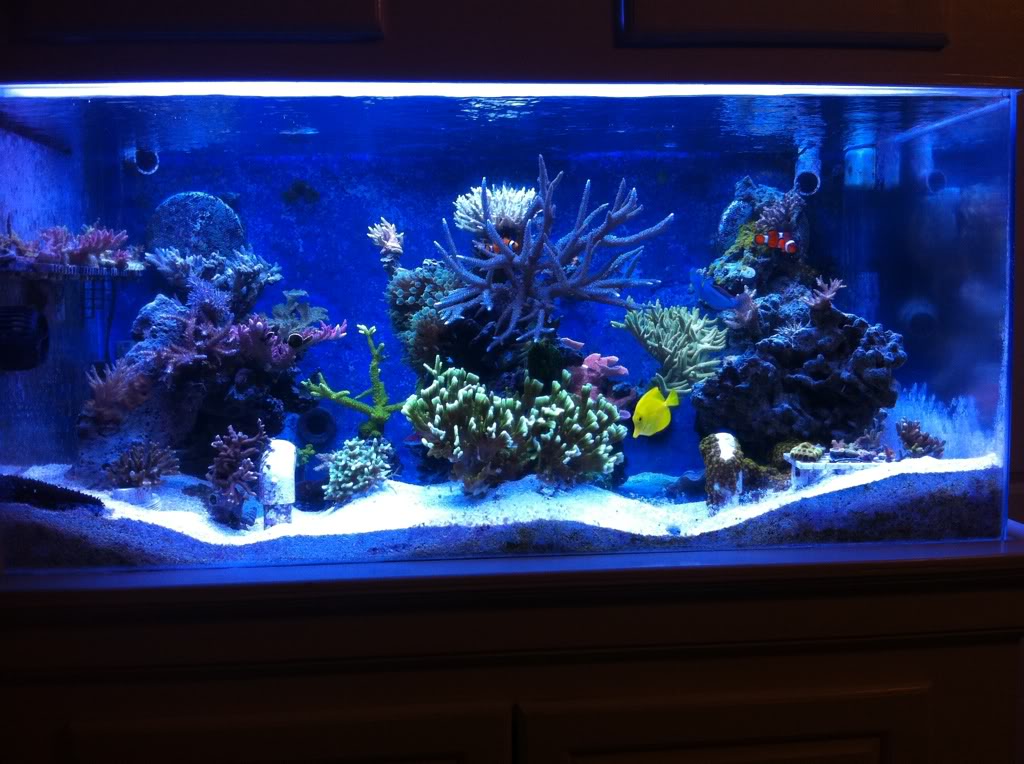
Since this thread is now famous... :tongue:
I figured I'd update where I'm at to give everyone some perspective and hopefully offer some insight into what my game plan is and any potential flaws.
I been following/discussing another thread "over on that site" about an in tank treatment with levamisole. There are several people that are trying it out, and I am 80% comfortable giving it a shot myself. I'd love to hear from some of you experienced SPS'ers on why this may or may not work, and any tips you might have would be wonderful.
There is a drug called Prohibit that is 90% levamisole which people are currently testing for in tank treatment. I have ordered mine, and it will be here by the end of the week hopefully.
Let me lay down the disclaimer that I am not responsible for anyone's actions but mine, so please read thoroughly and make an informed decision before continuing down this path. Like I said, I've still not made a 100% decision on taking this route myself.
Here are the meds:
https://www.americanlivestock.com/p-...ch-powder.aspx
I also found a coupon for $5 off your first order, which put my total at $20.75 shipped.
Coupon code is: ADEF11
That should help everyone save a couple bucks that hasn't ordered it yet. I have no idea when it expires, though.
The premise of the treatment follows a 5 gram per 300 gallon treatment of levamisole. That doesn't necessarily take into account actual water volume, but more the "box size". For example, my 120 + 40 sump would be roughly 150 gallons of water. This would mean that I'd use 2.5 grams to treat.
Here is a quick down and dirty plan of what I would do (or will do):
I think if the tank is handling things well, I'd shoot for a ten-twelve week dip process. That would equal, at a minimum, ten dips six days apart. It sounds like the first dip should be at the 5/300 ratio, and then examination to see how everything did.
After that, a ramp up of .5g/300Gal would probably be a good idea up to the point where you feel comfortable with coral/fish health.
I, personally, would leave the skimmer running, but pull the airline out so it is just running water. Same with calcium reactors. Leave them running. We are pretty certain that these things can swim, so I'd hate to see some of them crawling through your system and get into a skimmer or reactor only to exit it at a later date and reinfect coral. All of this is conjecture at best, but these are the things I think about late at night when I cry myself to sleep not wanting to tear my tank apart.
____________________________________
There has been some issues, mostly with using an impure solution (my theory anyways) of levamisole which seems to be pretty carbon-laden, causing heavy breathing in fish, etc. I don't think the Prohibit is the same as the other stuff tried, as it appears to be a lot purer. I'll be able to confirm that once my shipment arrives, hopefully later this week.
I will also be testing the "dead" dosage and determine if our tanks can handle that kind of dosage. There are many factors that need to be taken into account. Health of the SPS, health of the tank, etc. My tank is not uber infected with AEFW (from what I can tell). I have basted the last three days in a row and I haven't seen any flying off.
One school of thought is that there a possibly a couple different "kinds" of AEFW. There are aggressive flatworms and less invasive flatworms. I am pretty sure I have the less invasive, which is why I've seen minimal damage over the last six months. I'm hoping they are less resilient than the aggressive counter part. We'll see, though. :smile:
Anyways, once I get my scale and Prohibit shipped out to me, I'll start testing as long as I can catch some flatworms. I have my pico running right now in hopes of catching some flatworms. My plan is to stick some tri color acropora in with them and try to get them to lay eggs so I can monitor the hatching period. That seems to be a weak link in the AEFW phenomena, so hopefully I'll have success in breeding them (crazy, I know!).
People "over there" were planning to do a month long treatment, six days apart. I don't feel that this is sufficient, as there is a risk that we may miss some eggs hatching. My proposal to do a ten-twelve week treatment every six days would hopefully catch any overlap of laying eggs. It really depends on whether I can successfully breed them, though. That will let us know for sure the incubation process.