Hi Dad2Wyatt,
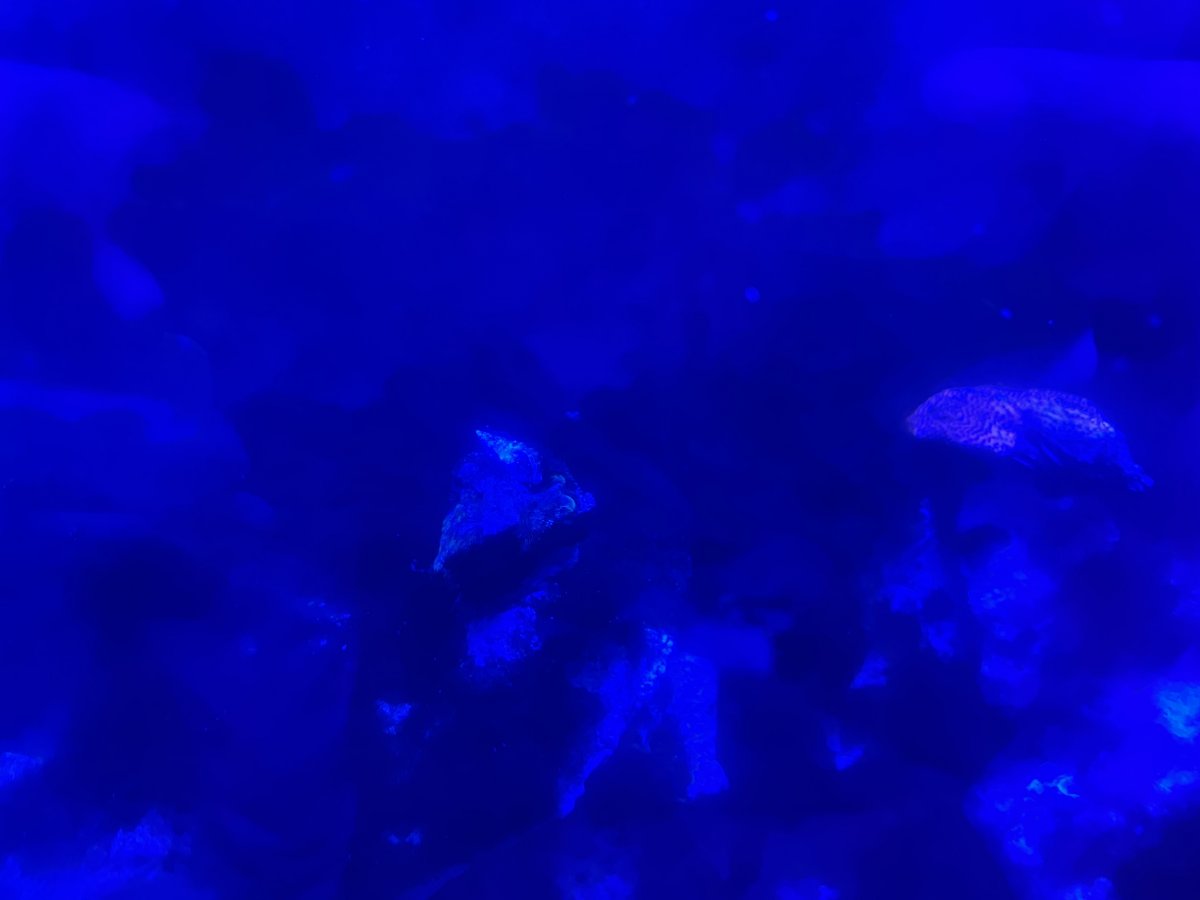
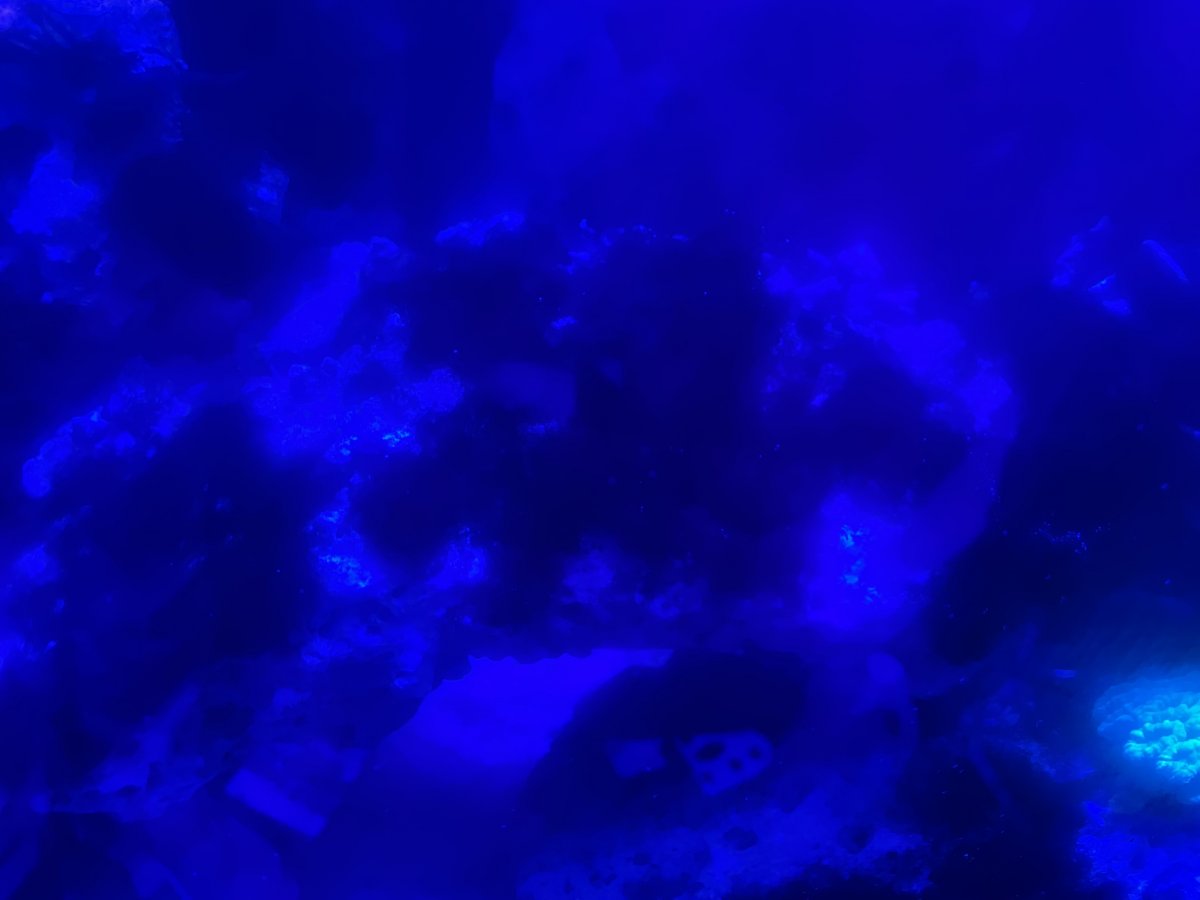
A key component to getting hair algae under control, in addition to many other types of algae, is to gradually reduce it rather than try to eradicate it all at once. When people try to eradicate it all at once, often times it quickly rebounds due to the extra nutrients that the sudden die off of the hair algae has added to the water column. While many types of snails are excellent at keeping hair algae under control, a widespread algae problem can often exceed the ability for even large populations of snails to keep it under control. Although the pictures make it tough to see just how widespread your hair algae problem is, I assume that it probably is going to require more than just snails to reduce its coverage in the tank. For this reason, I highly recommend picking up one or two Tuxedo Urchins depending on the size of your tank. Tuxedo Urchins are amazing at algae control and are capable of eating large amounts of even the most fierce types of algae in short periods of time.
I always recommend first trying to address algae issues with livestock additions such as urchins because they tend to produce only positive results without changing the tank's water chemistry. In situations where this is not a possibility due to livestock compatibility issues, tank size requirements, unsustainable food availability, or a lack of success after trying to add urchins, using phosphate reducing additives is often the only reasonable option left. It is only in conditions such as these that I recommend using phosphate reducing additives because its always best to refrain from messing with tank water chemistry when possible.
In the past, to control hair algae through the use of additives I have used numerous different types of additives and have achieved the most optimal results with two different types. I suggest initially trying the first option and then trying the second option if you do not get the hair algae reduction results you desire.
1: Hydrogen Peroxide (3%) treatment is a cheap, effective, and easy option for reducing hair algae when using a targeted application method. The next time you do a water change, all you need to do is apply a moderate amount of hydrogen peroxide to the hair algae with a spray bottle while it is exposed to the air. To make life easier, many drugstores sell hydrogen peroxide already in spray bottles. Additionally, you can also conservatively apply it with a long syringe to hair algae that is not exposed to air, however, this will require a more prolonged treatment regimen due to it not being as effective. Hydrogen peroxide can also be used to prevent algae from being introduced to the tank when adding coral frags too. Dipping corals in a 25% hydrogen peroxide 75% tank water solution for 1-2 minutes prior to introducing them to the tank is highly effective. When using this as a coral dipping method, I recommend dipping the coral frags in a iodine based dip for 20-30 minutes right after the hydrogen peroxide dip to keep the coral frags healthy, however this is not essential.
2: NO3:pO4-X Nitrate & Phosphate Reducer from Red Sea does a pretty reliable job while seeming to have negligible undesired effects on tank water chemistry or tank livestock. This option is safe for use in both FOWLER tanks and tanks with coral. If you insist on going the route of using a phosphate level targeted treatment, I highly recommend using this option.
Phosphates are likely contributing to the problem, however testing for phosphates is the only way to know for sure, which it sounds like you are planning on doing soon. It is also worth noting that the presence of elevated phosphate levels is a symptom of something else and not the problem in and of itself. For this reason, determining what the root of the problem is must be done in order to prevent the phosphate levels from increasing again after treatment.
One last highly effective step to take is reducing your tank light intensity if you are able to. Some lights do not offer the ability to adjust intensity and some corals can be negatively impacted by making light intensity adjustments too. If you are able to lower your tank light's intensity, make sure to do so gradually to avoid causing undesired outcomes that occur when any sudden changes are made.
I hope this helps!