

Can algae scrubbers outcompete algae?

Miami Reef

Reef Chem Enthusiast
View Badges
Joined
Sep 8, 2017
Messages
17,251
Reaction score
29,666
Location
Miami
What state or country do you live in
Florida
Rating - 0%
0   0   0
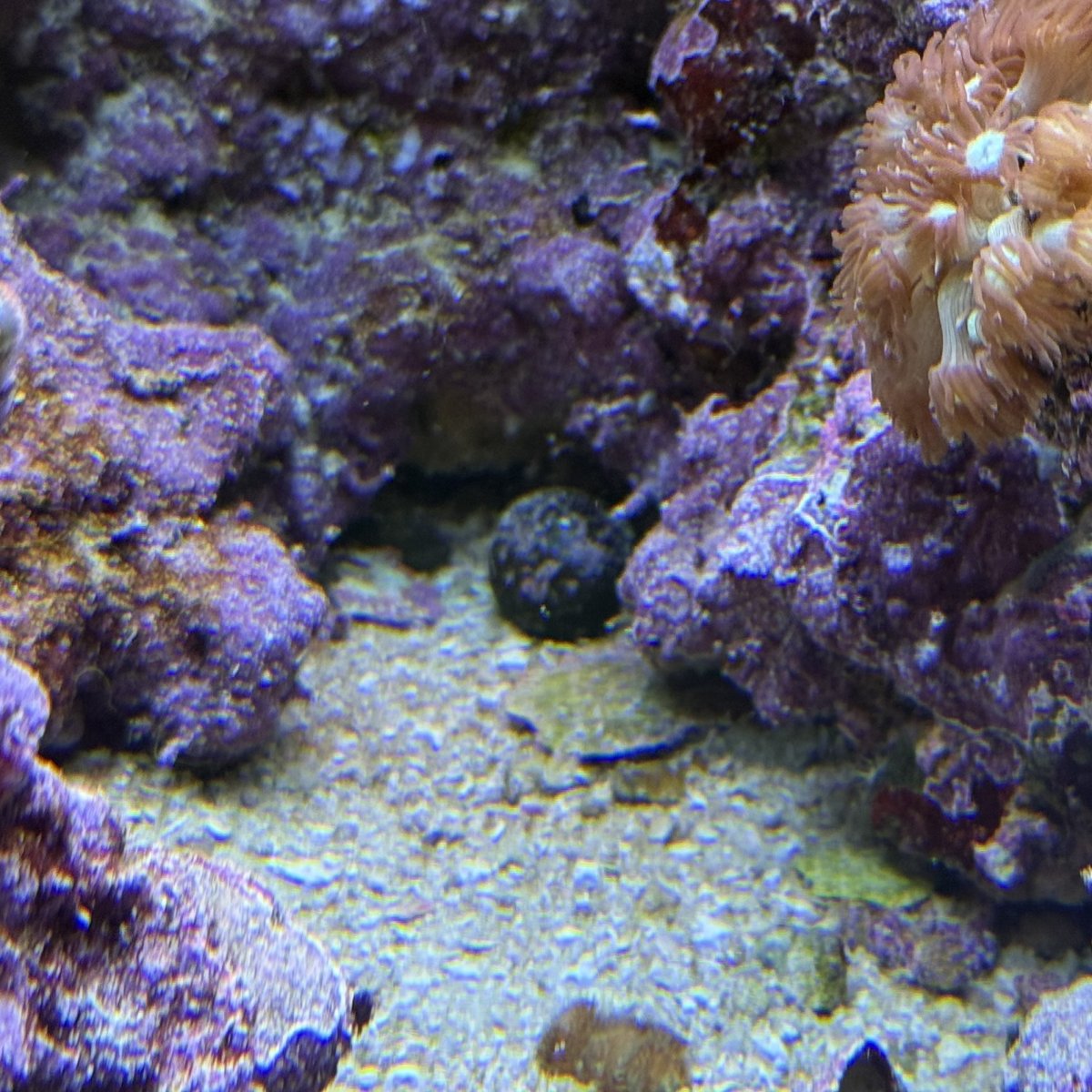
Can an algae scrubber help outcompete algae in a tank? I’m having hair algae and bubble algae in my tank that I’m dealing with.

TIA

Edit:
Here’s a photo of the bubble algae. It can get pretty big. The hair algae stays on the rocks and powerheads.
IMG_0561.jpeg
 
Last edited:
Hmm. Good question. I have pondered this.

(All points below are interdependent)

Point 1 - Nutrients: I think that nutrients play a role in growth. More nutrients, more algae growth. Randy and others smarter than me disagree. They argue that if there is enough P and N, more doesn’t matter. Their argument is compelling, but I am still not convinced based on observation from tanks overrun with algae and high nutrients. I’m not certain, but that is the side of the fence I am currently on.

So, if scrubbers lower nutrients then I’d say it will reduce algae growth in the tank. If you are maintaining the same nutrient level…maybe not. If nutrients are similarly limited by another mechanism (carbon dosing) I also think there will be less algae vs higher levels.

Point 2 - Trace Elements: Algae consume trace and that could be limiting. If the scrubber consumes the trace and that limits it the available trace for the tank, then I’d say it will reduce algae growth in the tank. If you are adding them back in, maybe not.

Point 3 - lighting: If the lighting in the scrubber is more favorable (red) for algae growth than the tank, coupled with point 1&2, then yes, I think it can limit algae growth in the tank. This matters quite a bit I think. Perhaps more favorable lighting allows growth at lower levels of nutrients and trace elements than what would be needed in the tank environment.

Point 4 - flow/substrate: Same as lighting. If the flow and substrate are more favorable for algae then most locations in the tank, I think it can compete (pending point 1&2).
 
Last edited:
Extending that thinking a bit…

ATS users are confident it can, but the answers are complicated.

It does not appear to do so by consuming nutrients to the point that display algae would be limited. A number of such claims came from folks with plenty of nutrients.

That leaves competition for trace elements as a possible explanation. If true, that implies that dosing sufficient trace elements would eliminate the effect. It also would limit the ability to use both a method like moonshine and an ats together, expecting it will outcompete algae in the display.

I’m a little unclear where the reality lies.
 
An explanation on how two scrubbers can be run on the same system, would be nice, lol.
 
I believe there are different contributors to algae, and not all tanks are the same and will react in the same way.

It could be due to excessive nutrients or traces (slowly adjusting equilibrium can play a role in here too), lack of CUC, imbalanced competition (i.e no Corals or Caroline to compete with it on space), lack of flow that creates detritus traps, etc.

From what I’ve personally experienced from the few months I’ve been running an Upflow scrubber, is that it wasn’t able to directly outcompete existing algae in the display, however - if said patches are eradicated locally (by manually removing the algae and than treating it with something like a kalk/NaOH paste) - they never come back again, something that without the scrubber, unless Caroline was quick enough to cover the place, would have been repopulated with same algae in a couple of weeks.

I’m not sure if in the long term it would have won all by its own, some reefers claim that it does eventually happen, but I can tell that 4 months in my case weren’t enough to remove a few patches.
 
@Miami Reef, I trust you are completely satisfied with the consensus that the answer is definitely yes, maybe or no :)
Yes. All the opinions were clear and unanimous. ;)

I’m of the opinion that scrubbers don’t reduce algae unless it’s limiting growth (by trace elements, etc.) If it could limit tank algae, it could probably also limit itself.
 
Last edited:
Yes. All the opinions were clear and unanimous. ;)

I’m of the opinion that scrubbers don’t reduce algae unless it’s limiting growth (by trace elements, etc.) If it could limit tank algae, it could probably also limit itself.
The ATS crowd are gathering their torches and pitch forks…
 
I never understood ATS as a means to reduce algae.

What is the mechanism that allows algae to grow in algae scrubber but not display?

If algae grows in scrubber, it will grow just as well in display… I just don’t understand.
 
I never understood ATS as a means to reduce algae.

What is the mechanism that allows algae to grow in algae scrubber but not display?

If algae grows in scrubber, it will grow just as well in display… I just don’t understand.
I’m not a scrubber fan, but will play devils advocate.

I think it’s possible that the lightning, flow, and substrate are more favorable for growing hair algae in a scrubber. This advantage could allow the algae to pull nutrients and trace elements out of the water more effectively and thereby limit the ability of algae to grow under less favorable conditions in the tank.

This might explain why ATS aficionados swear it reduces algae in the tank.

There are lots of reasons I don’t like them, maintenance hassle being high in the list.
I agree with all points here except the maintenance part.

I think that it vastly depends on the design of the scrubber and how easy it is to access.
For me, it’s no different than emptying the skimmer cup and washing it once a week.
It takes around 5 minutes of work during water change.

That said, impact wise - I’m still in testing period, but admittedly with some less skepticism than I had initially.

I tried 2 styles over the years, both were a hassle to me, but that is really just an opinion. I have developed an exceptionally low appetite for equipment maintenance:), but it greatly increases my enjoyment of reefing. Dumping skimmer cup and placing it back on the skimmer weekly is acceptable…more than that better be a 2x per year activity. I don’t use filter socks mostly because of the hassle. I should write a thread on how to be a lazy feeder.

A well designed scrubber where you can just lift out the screen, scrape it off, and reinstall is actually quite responsible but managing nutrients via dosing is soooo much easier for me. I refill the containers a couple times year.
 
Yes properly sized they can reduce, limit, or eliminate display algae without affecting corals. It is not as simple as consuming nitrates and phosphates, but that is a part of it. The other elements they consume, the things they export, it all ties together

They take time to work. And they won’t prevent algae from poor husbandry or mistakes, but they can help correct them
 
I never understood ATS as a means to reduce algae.

What is the mechanism that allows algae to grow in algae scrubber but not display?

If algae grows in scrubber, it will grow just as well in display… I just don’t understand.
The mechanism is competitive advantage. You make one area extremely favorable to grow algae, rapidly, and due to limited resources in a closed environment, the other areas have reduced amounts of resources available. When you harvest the algae you are exporting the nutrients from the system, and the process repeats. Phosphate plays a part but I believe there is other trace consumed that algae requires, but is not really impactful on coral

it’s really no different than a refugium in theory, except much more efficient
 
Last edited:
The mechanism is competitive advantage. You make one area extremely favorable to grow algae, rapidly, and due to limited resources in a closed environment, the other areas have reduced amounts of redources available. When you harvest the algae you are exporting the nutrients from the system, and the process repeats. Phosphate plays a kart but I believe there is other trace consumed that algae requires, but is not really impactful on coral

it’s really no different than a refugium in theory, except much more efficient
Glad this thread came up as I'm super interested.

Your comment about competitive advantage resonates with me. If we can make a zone more advantageous for algae to grow, that's less opportunity for algae to grow elsewhere. Possibly because the flow within the tank moving whatever nutrient or resource is the limiting agent - making it harder for algae to establish in less favorable areas.
 
I believe there is other trace consumed that algae requires, but is not really impactful on coral
I’m not sure on this point, but I’m not that knowledgeable about trace elements. People go to great lengths to provide all manner of trace for their corals. I dose some with my AFR. I don’t think we know what the impact is of many trace, despite the marketing BS about specific coral colors.
 
The mechanism is competitive advantage. You make one area extremely favorable to grow algae, rapidly, and due to limited resources in a closed environment, the other areas have reduced amounts of redources available. When you harvest the algae you are exporting the nutrients from the system, and the process repeats. Phosphate plays a kart but I believe there is other trace consumed that algae requires, but is not really impactful on coral

it’s really no different than a refugium in theory, except much more efficient
I guess that is part of my not understanding. If algae grows well in algae scrubber in my mind it will grow well in display. The water quality is the same in the display as it is in scrubber. If what ever makes algae grows well is removed from the water the algae scrubber will also suffer… it must.

From my experience if I add dead rock to my display it turns into fuzz ball, if I add live rock no algae issues on it… I don’t believe nutrient or trace elements are the only cause…

For clarification I don’t use fuge or algae scrubber.

Interesting topic…
 

TOP 10 Trending Threads

HOW LONG HAVE YOU HAD YOUR LONGEST-SERVING CURRENT TANK RESIDENT?

  • Less than 1 year

    Votes: 6 11.5%
  • 1 - 3 years

    Votes: 12 23.1%
  • 3 - 5 years

    Votes: 3 5.8%
  • 5 - 10 years

    Votes: 18 34.6%
  • 10 - 20 years

    Votes: 5 9.6%
  • 20 years or more

    Votes: 5 9.6%
  • I don’t have livestock yet

    Votes: 1 1.9%
  • Other (Post in the comments)

    Votes: 2 3.8%
Back
Top
Home
Post thread…
Market
What's new