Cement rocks

  • Thread starter Thread starter Cory
  • Start date Start date
  • Tagged users Tagged users None
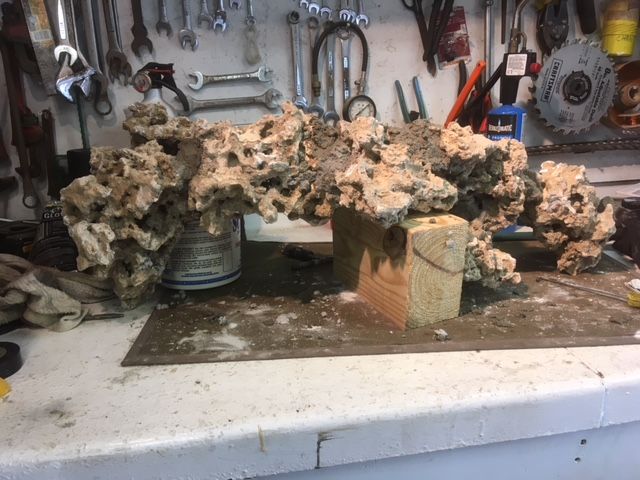
Here it is started over with frags after i got dinos under control.
 

Attachments

  • 20210429_180029.jpg
    20210429_180029.jpg
    102.1 KB · Views: 151
I would worry that the rock would disintegrate over time.

For example, when installing a water softener in a home, it back washes the resin with saltwater to regenerate it. On the installation guide, they specifically tell you not to plumb it into the homes plumbing if you are on a septic system. This is because that most tanks are cement and saltwater will corrode cement overtime.

I would think the same issue would exist for cement DIY rocks. That said, I have not done research on this and I know DIY rocks are growing in popularity. I'm sure there are some users our there with firsthand experience that can advise on how they hold up.

If they do disintegrate, no amount of freshwater rinse and soak will get remove the aluminum as new rock will be exposed over time since the cement is dense and not porous like reef rock is.

Hope my rambling helps!
Totally agree. Cement bricks use to be desintegrated in mi breeding cichlids aquarium system
 
please advise anyone with experience

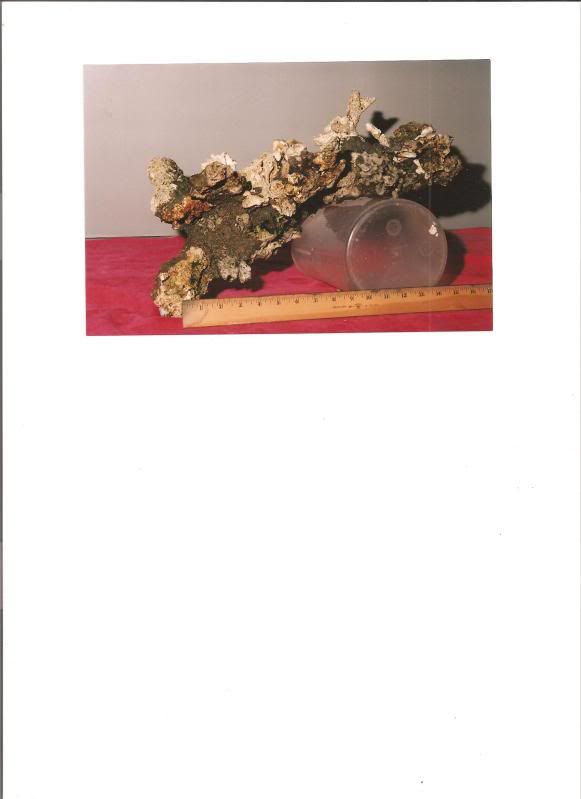
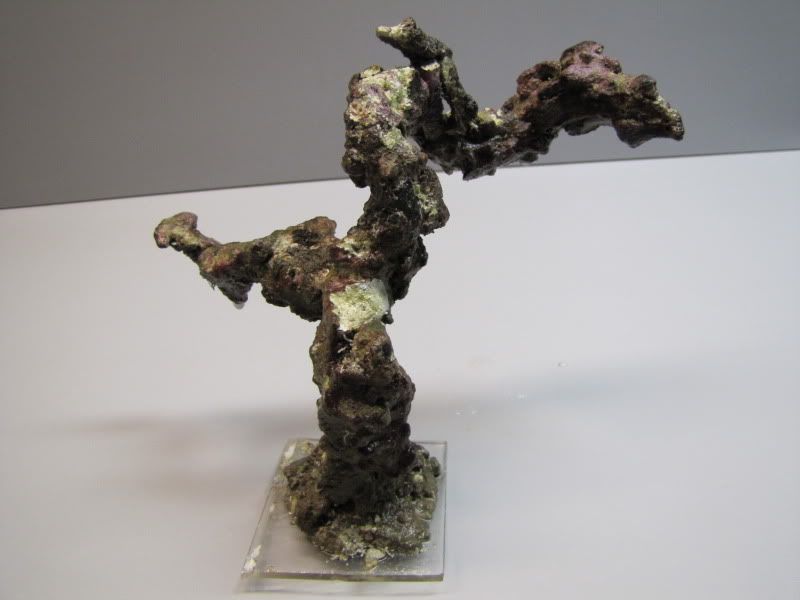
making my own rocks.
1 to 1.5 parts of portland II white
1 part clean sea sand
3 parts of perlite medium grains

this mixture is the best, visually wise, option I liked. mixing crashed corals or clams was not nice.
my build of rocks took lots of time. layers on top of layers and additions branches etc..

The thing is , it was for 2 months in the open air before I put it in the water. And now there is no residue in the water. and I measure the PH as ~8+
SO what does it mean? the process is done ? no need to keep it in the water anymore ??
I was prepared for weeks of leeching out scum gunk and stuff and the PH of 11 and up.
I know from reading that people say if you leave the rock in an open air, the kuring process takes much less time.
BUT IN MY CASE , there is no kuring needed ?

IMG_0961.jpg
IMG_1390.jpg
IMG_1389.jpg
 
please advise anyone with experience

making my own rocks.
1 to 1.5 parts of portland II white
1 part clean sea sand
3 parts of perlite medium grains

this mixture is the best, visually wise, option I liked. mixing crashed corals or clams was not nice.
my build of rocks took lots of time. layers on top of layers and additions branches etc..

The thing is , it was for 2 months in the open air before I put it in the water. And now there is no residue in the water. and I measure the PH as ~8+
SO what does it mean? the process is done ? no need to keep it in the water anymore ??
I was prepared for weeks of leeching out scum gunk and stuff and the PH of 11 and up.
I know from reading that people say if you leave the rock in an open air, the kuring process takes much less time.
BUT IN MY CASE , there is no kuring needed ?

IMG_0961.jpg
IMG_1390.jpg
IMG_1389.jpg
You used cement? If you haven't soaked it it must release alkalinity and ph in water.
 
I would soak it in water for at least a couple of weeks. Most of my rocks are hollow cement like that
 
Hello everyone from Greece!


I’d like to make some DIY reef branches and replace the current rock in my SPS-dominated aquarium. I was thinking of using a mix of cement, aragonite, and coarse salt, but in my first attempt the mixture didn’t turn out the way I wanted. I’d prefer it to have a more “clay-like” or putty consistency so it’s easier to shape.


Maybe I could use some kind of clay, or do you have any other suggestions?
 
I don't know if aluminum is a concern. The pH (and alk) is until it is well cured.
Iv read numerous posts on these and currently have rock bonded together using Portland cement. Everything I read was regular water changes until the pH is stable (from what I remember these posts didn't mention monitoring alkalinity) and then finally an additional cure for a couple weeks in salt.

One of my personal setups followed this procedure (no inhabitants)iv had stable pH for around 2 months...iv tested the alkalinity over the last few days...14.8 the first day...I did a 100L water change this brought it down to 12.8 yesterday and it's risen back to 13.4.

Do you have any input as to what is going on here? What plan of action I need to take...I presume a heck of a lot more water changes 😂
 
Iv read numerous posts on these and currently have rock bonded together using Portland cement. Everything I read was regular water changes until the pH is stable (from what I remember these posts didn't mention monitoring alkalinity) and then finally an additional cure for a couple weeks in salt.

One of my personal setups followed this procedure (no inhabitants)iv had stable pH for around 2 months...iv tested the alkalinity over the last few days...14.8 the first day...I did a 100L water change this brought it down to 12.8 yesterday and it's risen back to 13.4.

Do you have any input as to what is going on here? What plan of action I need to take...I presume a heck of a lot more water changes 😂

It sounds like release of alk from the cement being not totally cured. It takes a long time and I would not use pH as the gauge since other factors, such as aeration with high CO2 air, can keep
pH down.
 
Thankyou for the reply randy.
Since I have no livestock surely lowering quickly should have no negative effect?
 
Thankyou for the reply randy.
Since I have no livestock surely lowering quickly should have no negative effect?
One other thing...since the cement is not cured the addition of anything to lower the alkalinity will be a case of dosing until the alkalinity is no longer increasing and stabilises at which point doses can be lowered until eventually no longer required?
 
One other thing...since the cement is not cured the addition of anything to lower the alkalinity will be a case of dosing until the alkalinity is no longer increasing and stabilises at which point doses can be lowered until eventually no longer required?

Yes.

If there literally is nothing larger than bacteria in the tank, lowering it by 1 dKH per day. A big jump down will drop pH very low which may not be optimal even for bacteria.
 

TOP 10 Trending Threads

Back
Top
Home
Post thread…
Market
What's new