


Coral Hitch hiker ID

66cts

New Member
View Badges
Joined
Feb 15, 2021
Messages
17
Reaction score
16
Location
Minneapolis
Rating - 0%
0   0   0
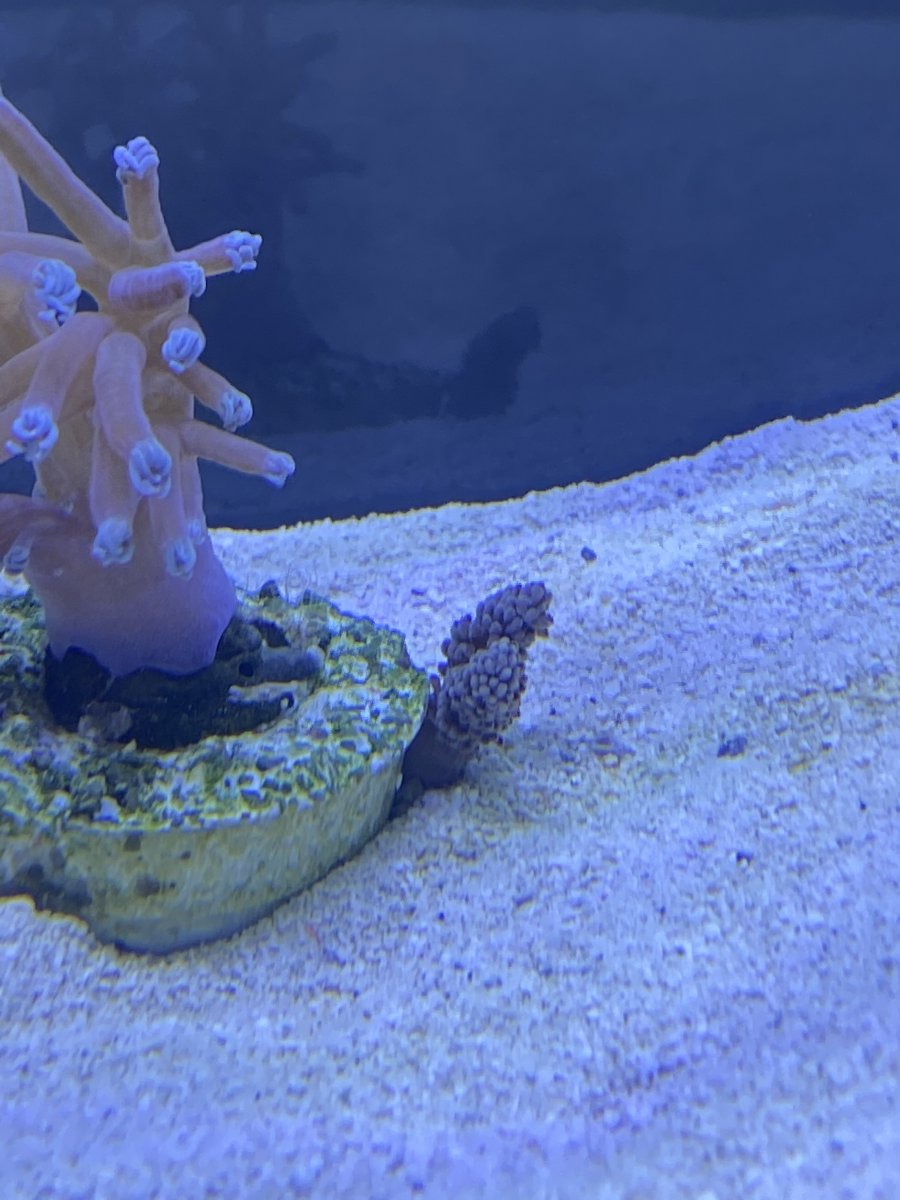
I recently purchased a aquacultured ORA Vargas Cespitularia and these strange acorn looking things are growing on the frag, I know they’re alive since I’ve occasionally seen them come out and retract
66FBE482-44DF-4A06-8D15-E70D247DEC97.jpeg
 

revhtree

Owner Administrator
View Badges
Joined
May 8, 2006
Messages
53,911
Reaction score
118,918
Rating - 100%
1   0   0
Thanks for the fast response! I’m new to saltwater/reefing, I figured there’s a lot more knowledgeable people on here rather than my LFS

Were happy to help and have you here!
 

Cnidoblast

Well-Known Member
View Badges
Joined
Jun 29, 2017
Messages
532
Reaction score
283
Rating - 0%
0   0   0
Every soft coral is somewhat toxic - gloves and goggles always a good idea for softies
 

Gtinnel

10K Club member
View Badges
Joined
Mar 20, 2020
Messages
23,326
Reaction score
29,210
Location
Charleston, WV
Rating - 100%
1   0   0
I agree with kenya tree. Before you decide to keep it be aware that they grow quickly and can spread in your tank. I have one that I put in mine that is now dropping pieces of it that I have to watch for and remove. I like the movement from it but I regret putting it in my tank.
 

TOP 10 Trending Threads

WHAT AMOUNT OF LIVE ROCK AND SAND SHOULD BE PRIORITIZED FOR OPTIMAL BIODIVERSITY/FILTRATION?

  • 100% live rock + bagged sand

    Votes: 38 26.2%
  • 100% dry rock + 100% live sand

    Votes: 48 33.1%
  • 50/50 live/dry rock, 50/50 live/bagged sand

    Votes: 33 22.8%
  • 75% live rock, 25% live sand

    Votes: 15 10.3%
  • 25% live rock, 75% live sand

    Votes: 11 7.6%
Back
Top





