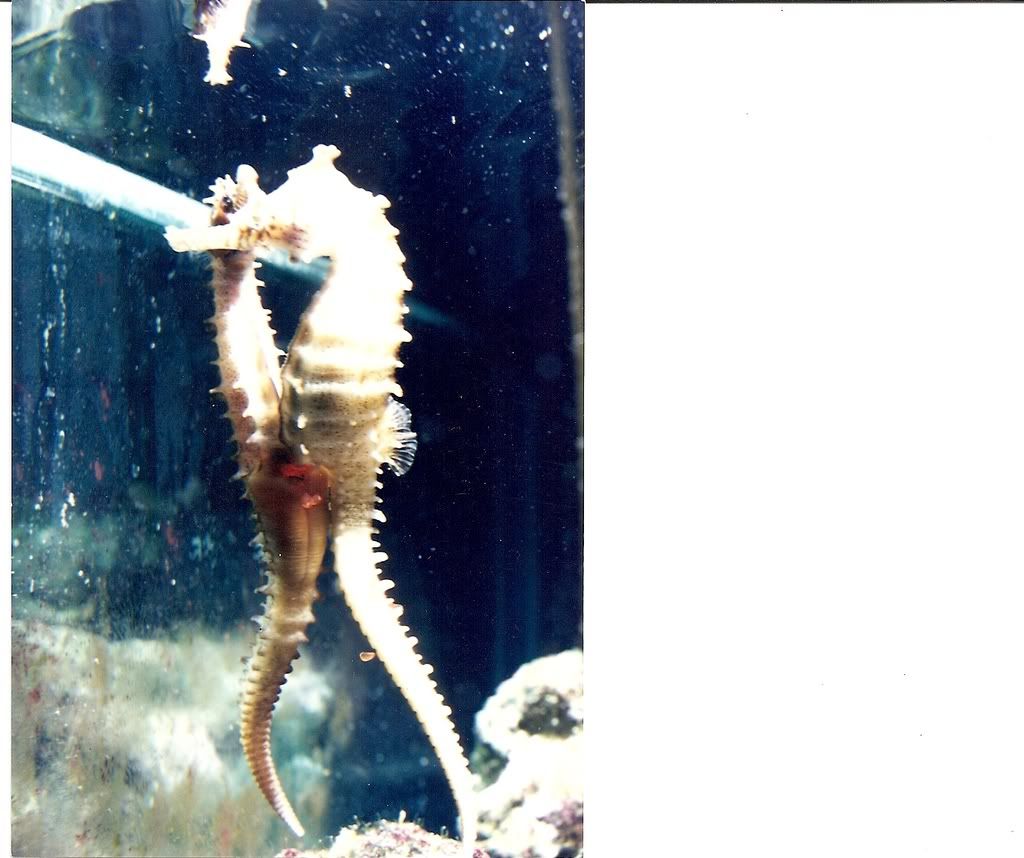
Ive lost 4 captive bred H.Erectus seahorses in the last year. For no apparent reason they refuse to eat. Theyve lived fine for between 5-11 months. Ive noticed its a question/ situation every seahorse keeper has. In most cases like mine parameters are all good ! very frustrating any help??
So - do you mean that they eat well for some time and then suddenly stop eating?
One thing common to seahorses is Mycobacterium marinum - fish tuberculosis, an internal bacterial disease. It causes losses like this.
This disease is difficult to manage because it really isn't treatable. Even if you manage to cure the disease with strong antibiotics, the bacteria comes into the tank again in the food. I would start be seeing if your food and feeding methods can be improved.
Control is best managed through offering the best environment (perfect water and excellent food) and using a strong UV on the system. Some breeders will euthanize all fish exposed to it and sterilize the tank - but as I said, reinfection is so common that I don’t recommend going to that extreme.
Here is an excerpt from my disease book:
Mycobacterium Infections
Mycobacterium infection (AKA "Fish Tuberculosis") is a common, yet often misdiagnosed bacterial disease of freshwater and marine fish. It has zoonotic potential as it can infect humans through cuts in the skin.
Symptoms are varied and non-specific, and can include darkened coloration, popeye, emaciation, fin erosion, skin ulcers, and granulomas on the internal organs (which will stain for gram positive, acid-fast bacteria). In most cases, the disease is chronic and slow acting, with most fish succumbing due to "old age". However, in some species, held under crowded conditions, acute
Mycobacterium infections have been seen, where a high percentage of the population will die, even at a young age. This has been noted in cichlids, pupfish, pirate perch and zebra danios.
Many treatments for
Mycobacterium infections in fish have been proposed, but none work well. Antibiotics that have been used include erythromycin, kanamycin, and rifampicin. It is probable that any drug used would need to be dosed orally, especially if freshwater fish are being treated. Control is the best course of action; maintain optimal water quality, avoid overcrowding, and remove any dead fish promptly.
Atypical
Mycobacterium, M. chelonae, M. fortuitum, M. marinum are very common in the environment, and therefore are found in aquariums. They are difficult to culture but can be isolated from virtually every aquarium if you sample properly. They are commonly found in frozen seafood items, so the chance of them being introduced into aquariums is consistently high.
Sterilization of infected tank decorations and equipment is difficult, and not strongly advised since these bacteria are already in the environment, but > 200 ppm sodium hypochlorite for > 1 hour has been shown to be effective (Noga 2010).