Help, please, with relentless STN

carri10

Active Member
View Badges
Joined
Sep 19, 2022
Messages
396
Reaction score
284
Location
Strasbourg
Rating - 0%
0   0   0
Hi all.
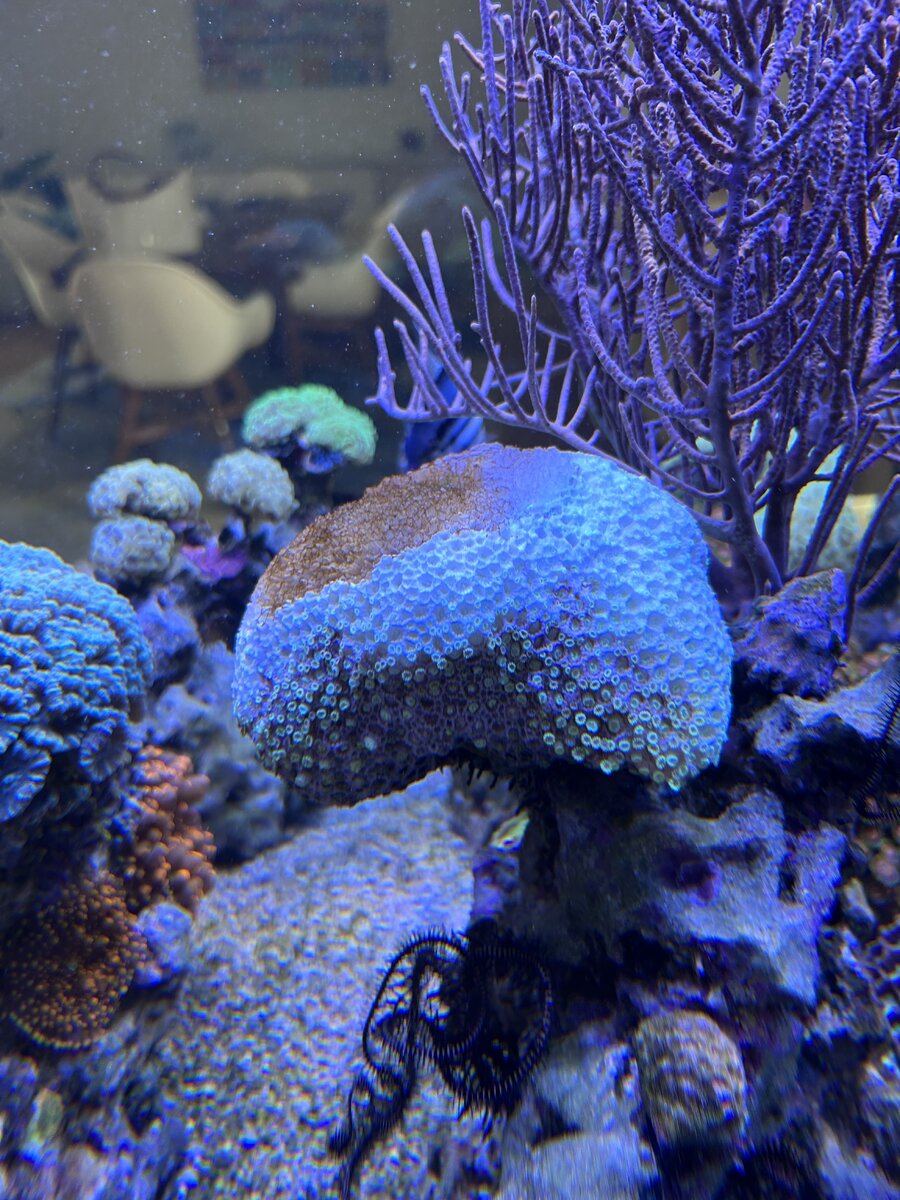
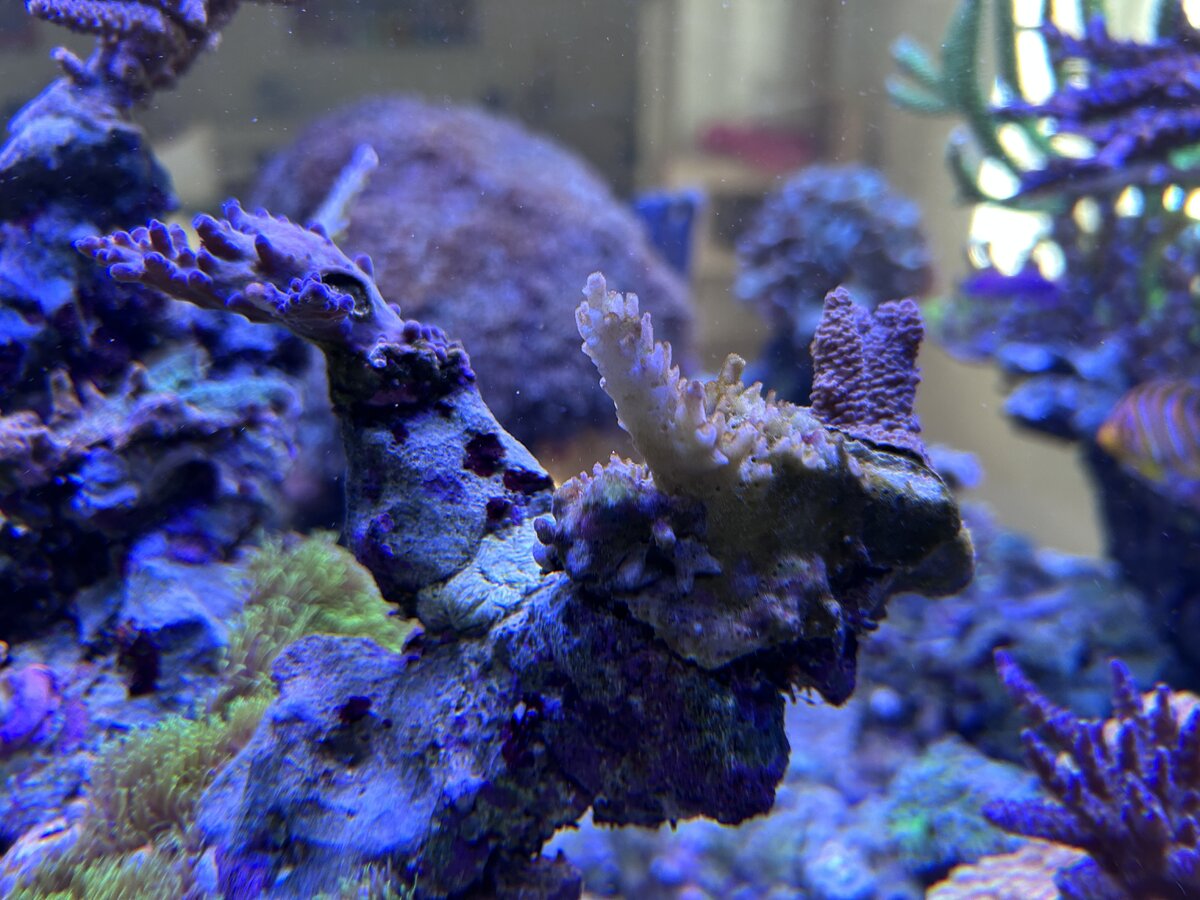
I have been suffering from STN for about two months now and I can it see what is causing the problem. The thing that confuses me the most is i have deaths from Acros, Millies, alveolora, galaxia, stylophora, pocillapora, and euphyillia.

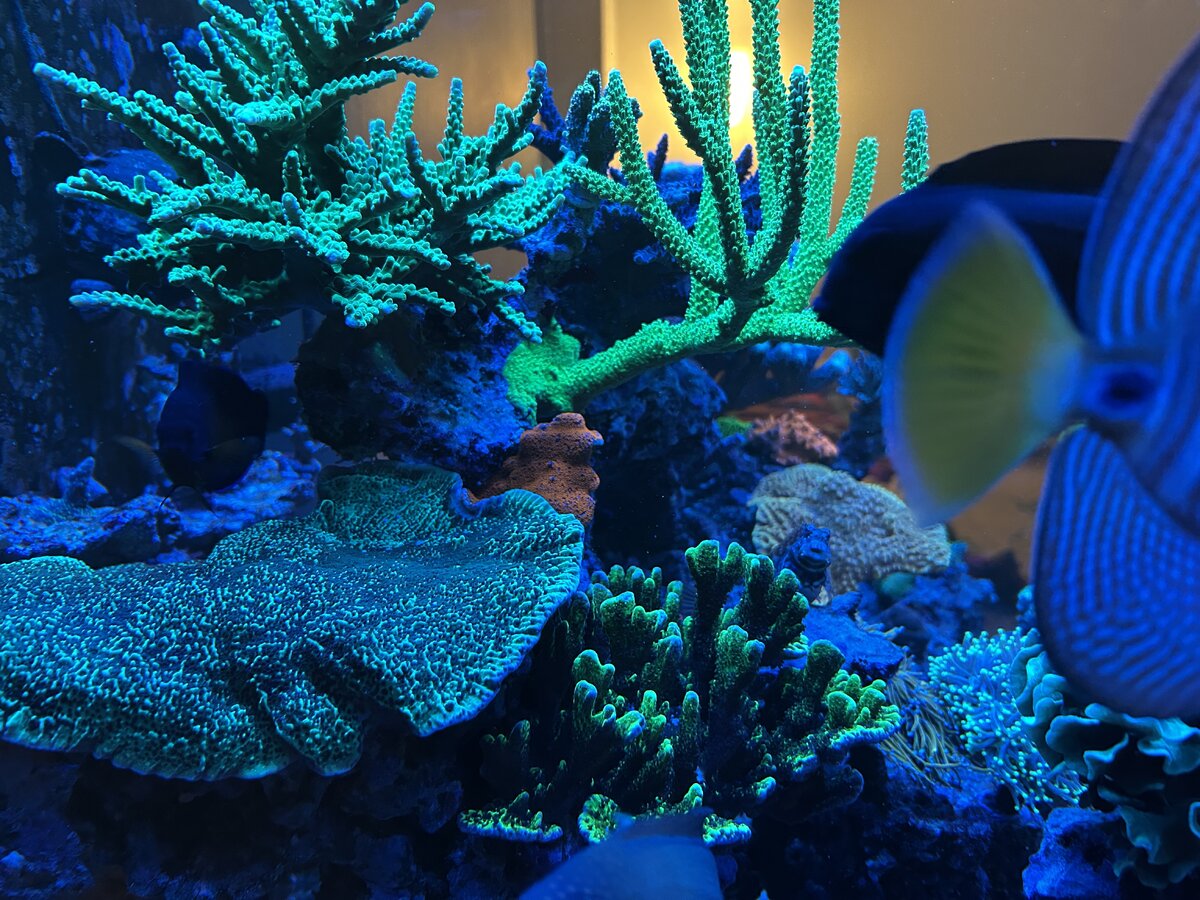
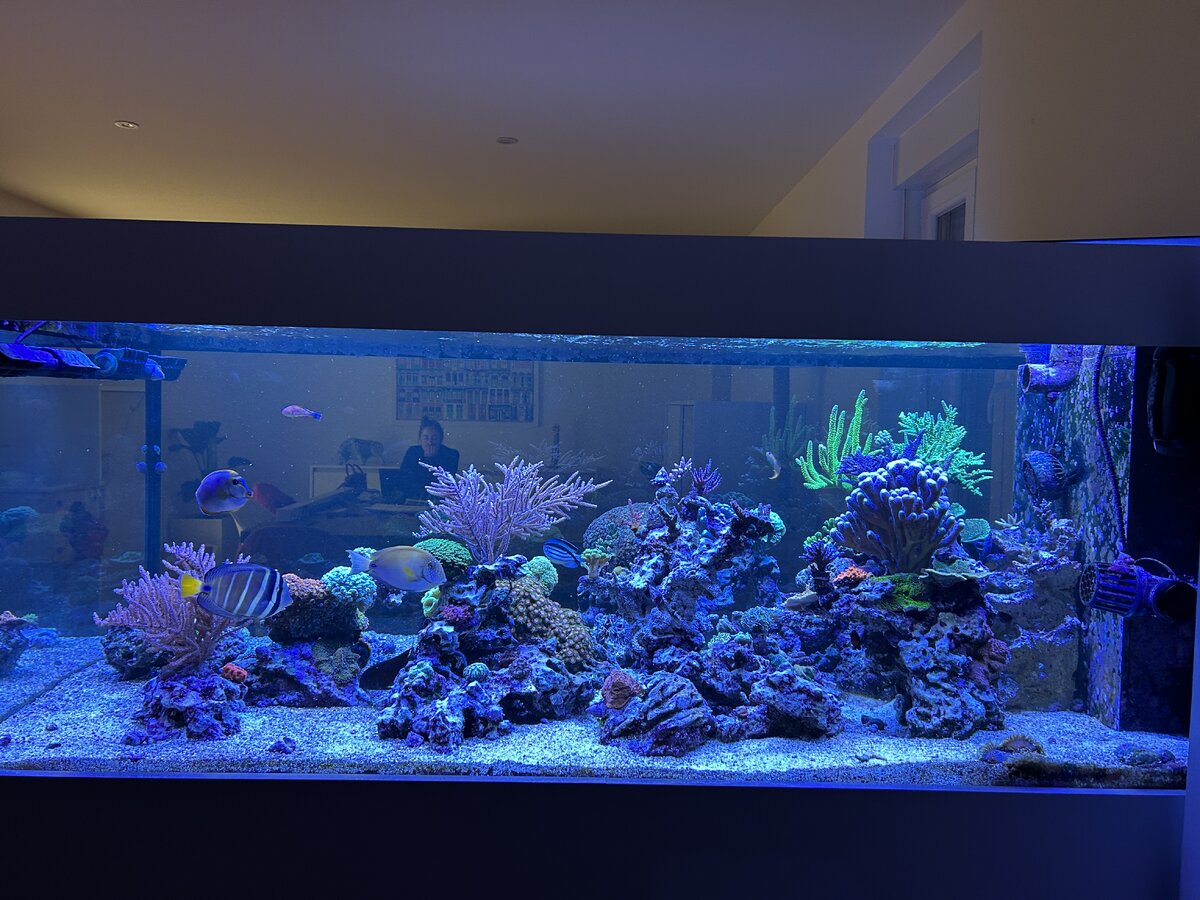
Here is a general photo of my tank before this began. You can see the tank (just 2 years old) is doing alright.
IMG_1984.jpeg
IMG_1963.jpeg


Here are some photos of today.

IMG_2838.jpeg

IMG_2843.jpeg


45EC3BFB-6360-4DD3-AF16-8D9322CA88ED.jpeg


I have a ICP, attached, where things seem okay ( not perfect, but okay) and this chemistry has been stable for months and months. I understand that the Molybdenum and barium are high, but according to the report, they are well within acceptable, if not optimal, conditions.


Nitrate hovers between 15 and 20, phosphate is 0.3 (I have another thread on that.), again both constant for months and months.
In terms of what I’ve changed, I did remove all mechanical filtration and move to a cryptic sump with sponges et cetera at the beginning of the year. That led to a general reduction in redox, but no effect on the corals that I could see.

Water changes are 1.4% a day. Nyos salt. Dosing is with food grade or higher reagents in a home-made dosing recipe following Randy‘s advice. This has not changed for months and months.
I include my pH and alkalinity traces, along with salinity and temperature.

I did have some troubles controlling temperature until I bought a chiller about a month ago but the temperature never went above about 26 celcius or so and even then only for a day. I can’t see why that would’ve led to this unstoppable STN.

You can see the traces here;
Redox


IMG_2855.png

Alk

IMG_2854.png


Temp (celcius)
IMG_2853.png


Salinity (ppt). Note,. some of this variation is due to probe drift, some is real. I'd put it at about 50:50 probe, vs actual drift.
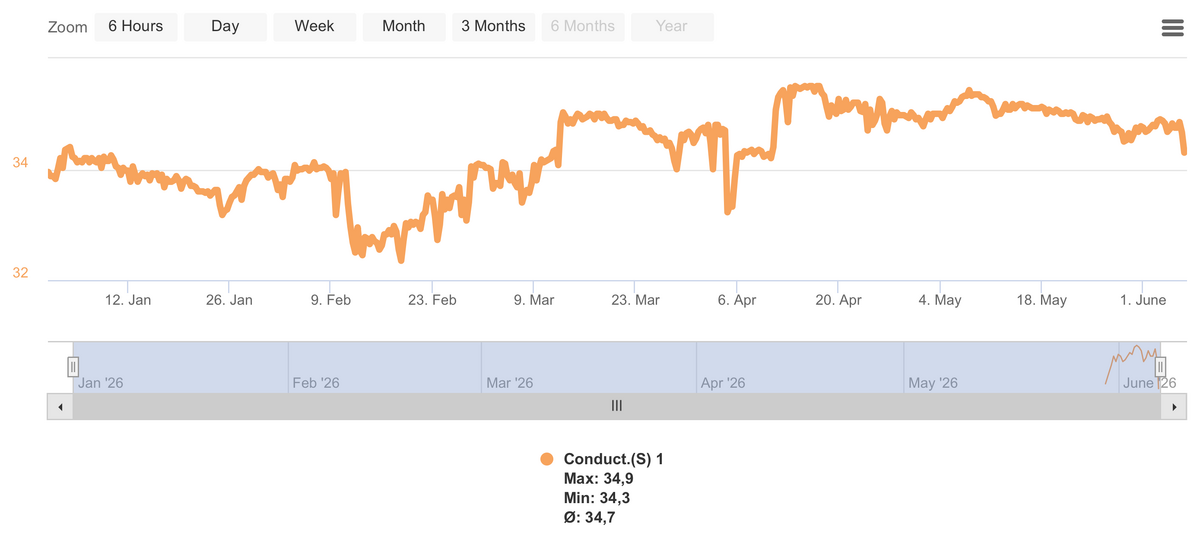
IMG_2850.png

PH
IMG_2852.png


Can anyone help me out here, as every week I am losing another animal with no real idea how to stop it.

Thanks for any advice, even the most basic.
 

Attachments

  • analysis-302373.pdf
    422.8 KB · Views: 63

RabidDragon

Active Member
View Badges
Joined
Nov 21, 2020
Messages
243
Reaction score
218
Location
Jacksonville
Rating - 0%
0   0   0
I'm not seeing your attached ICP unless your referencing your graphs which I wouldn't call an ICP. No idea what your problem is but I'd start doing larger water changes with the goal of replacing a significant amount of it over the next few weeks. Your water chemistry is off somehow most likely.
  • How often are you doing water changes?
  • Have you looked at your water source? using a RODI system? Time to change filters?
  • Change any practices lately? New additives? what additives are you using?
    • You might have just hit a threshold of having enough coral to strip out some critical elements from the water that isn't being replaced... growing pains..
  • If you’re not doing water changes often enough you could have developed unacceptable levels of something.
 
OP
OP
carri10

carri10

Active Member
View Badges
Joined
Sep 19, 2022
Messages
396
Reaction score
284
Location
Strasbourg
Rating - 0%
0   0   0
I'm not seeing your attached ICP unless your referencing your graphs which I wouldn't call an ICP. No idea what your problem is but I'd start doing larger water changes with the goal of replacing a significant amount of it over the next few weeks. Your water chemistry is off somehow most likely.
  • How often are you doing water changes?
  • Have you looked at your water source? using a RODI system? Time to change filters?
  • Change any practices lately? New additives? what additives are you using?
    • You might have just hit a threshold of having enough coral to strip out some critical elements from the water that isn't being replaced... growing pains..
  • If you’re not doing water changes often enough you could have developed unacceptable levels of something.
Hi. Thanks for reply. ICP is an attached file in the initial post.
Water changes are 1.4% a day.
The ICP also tests my RO water. I think I’m going to change all the filters anyway, even though RO is okay (not perfect, but okay).

I haven’t changed any additives recently. About 5 months ago I started feeding EasyReefs Pro of an evening. I might stop that too. Apart from weekly trace dosing reacting to monthly ICP I don’t dose anything.
 

CHSUB

2500 Club Member
View Badges
Joined
May 4, 2015
Messages
2,757
Reaction score
2,813
Location
Punta Gorda, FL
Rating - 0%
0   0   0
Nitrate hovers between 15 and 20, phosphate is 0.3
For me this is a “canary in the coal mine”. By itself it’s not a problem, however where did these high levels come from? Food and waste that bacteria breaks down. Sometimes some of this bacteria is “bad” bacteria that causes STN or other coral diseases. Here is a video that explains just that. Aquariums with high nutrients seem to have these problems eventually.

I would start with large WC over about a month, check all equipment for corrosion, and use GAC and GFO more aggressively. Limit overfeeding, reduce nutrients, and feed corals directly after nutrients go lower. This might sound like a contradiction, feeding less and feeding corals but with direct targeted feeding it is not.


Bear22

Active Member
View Badges
Joined
Sep 16, 2025
Messages
387
Reaction score
329
Location
USA
Rating - 0%
0   0   0
Have you considered vibrio as a possibility? And if so, using a product like PNS Probio as a means to displace bad bacteria with beneficial bacteria?
 
OP
OP
carri10

carri10

Active Member
View Badges
Joined
Sep 19, 2022
Messages
396
Reaction score
284
Location
Strasbourg
Rating - 0%
0   0   0
I'm guessing the alk spike between Mar - Apr to be the main cause. Stablilize the alk and hopefully everything recovers
Thanks. The alk goes too high, agreed. There are two things here, either Alk getting too high or Alk changing too fast.
For the second, the Alk climbs 2 points in about 3 weeks. Is that too fast?
For the first, we get up to 12dKH. My nutrients are quite high, so there is some protection there, but do you think 12 is too high?

Thanks for your thoughts.
 
OP
OP
carri10

carri10

Active Member
View Badges
Joined
Sep 19, 2022
Messages
396
Reaction score
284
Location
Strasbourg
Rating - 0%
0   0   0
For me this is a “canary in the coal mine”. By itself it’s not a problem, however where did these high levels come from? Food and waste that bacteria breaks down. Sometimes some of this bacteria is “bad” bacteria that causes STN or other coral diseases. Here is a video that explains just that. Aquariums with high nutrients seem to have these problems eventually.

I would start with large WC over about a month, check all equipment for corrosion, and use GAC and GFO more aggressively. Limit overfeeding, reduce nutrients, and feed corals directly after nutrients go lower. This might sound like a contradiction, feeding less and feeding corals but with direct targeted feeding it is not.


Thanks. Will read and digest.
 
OP
OP
carri10

carri10

Active Member
View Badges
Joined
Sep 19, 2022
Messages
396
Reaction score
284
Location
Strasbourg
Rating - 0%
0   0   0
Have you considered vibrio as a possibility? And if so, using a product like PNS Probio as a means to displace bad bacteria with beneficial bacteria?
It’s something I am worried about. What is interesting is that several different types of corals are dying. How would I know if it is vibrio?
 
OP
OP
carri10

carri10

Active Member
View Badges
Joined
Sep 19, 2022
Messages
396
Reaction score
284
Location
Strasbourg
Rating - 0%
0   0   0
Aquariums with high nutrients seem to have these problems eventually
I don’t want to get into a philosophical battle here. Could do with an answer to my nutrients levels

I’m running 15-20 NO3 and 0.3PO4
The nitrate level is not considered high by a lot of people out there, the PO4 is a touch high, but would you say these levels are much too high?

Secondly, from the quote above, am I right in saying that you think that most tanks that would run nutrient levels at the level I have will end up with slow or rapid tissue necrosis at some stage?


As a separate question, what do you think about the fact that there’s such a variety of corals that are dying here. Does that give a bit of a clue to what’s happening?

What’s really weird is at the same time as I’m having these problems, my green slimer continues to grow, I have several chalices which all look nice and puffy and healthy.
Can’t pin it down at all and can’t see a pattern.
 

Reginald Reefer III

Coral Connoisseur
View Badges
Joined
Dec 15, 2020
Messages
2,405
Reaction score
4,229
Location
Boise, ID
Rating - 0%
0   0   0
I would look at your very low iodide levels and that may be pointing at pathological bacteria issues. Vanadium is also very low. Molybdenum is pretty elevated, but that’s not the culprit imo. Everything else looks ok in terms of trace. PO4 is very high, but I’m not sure that’s the root cause either.

Try some iodide dosing to help protect the coral against disease/bacteria.
 
OP
OP
carri10

carri10

Active Member
View Badges
Joined
Sep 19, 2022
Messages
396
Reaction score
284
Location
Strasbourg
Rating - 0%
0   0   0
I would look at your very low iodide levels and that may be pointing at pathological bacteria issues.
thanks - as in Iodide is low, therefore pathogenic can get a foothold, or that pathogenic differentially uptake IO4, therefore more pathogenic means IO4 reduces?

If the first, I can dose and hope to regain a balance, if the second, then I need to fix the high levels of pathogenic, and the IO4 will work itself out - right?

Really appreciate the view points here, all.
 

Reginald Reefer III

Coral Connoisseur
View Badges
Joined
Dec 15, 2020
Messages
2,405
Reaction score
4,229
Location
Boise, ID
Rating - 0%
0   0   0

CHSUB

2500 Club Member
View Badges
Joined
May 4, 2015
Messages
2,757
Reaction score
2,813
Location
Punta Gorda, FL
Rating - 0%
0   0   0
The nitrate level is not considered high by a lot of people out there, the PO4 is a touch high, but would you say these levels are much too high?
No, your levels are not unreasonable high for a lot of people..they are however high as far as I’m concerned. The levels themselves might not be a problem, they might be contributing to the problem. Also consider why the levels are high? No3 themselves don’t just appear magically, they are produced by biological activity unless you are dosing nitrates. I believe your stn is possibly caused by bacteria. This “bad” bacteria has extra nutrients to feed on. This is what Salem is suggesting in the video.
Secondly, from the quote above, am I right in saying that you think that most tanks that would run nutrient levels at the level I have will end up with slow or rapid tissue necrosis at some stage?
Not sure, but it seems a possible explanation. I have never had mysterious coral problems and been in the hobby a long time. High nutrients themselves don’t cause major problems imo, but they contribute. Add to other “hidden” or untested stressors and stn, rtn, brown jelly infection surface.
As a separate question, what do you think about the fact that there’s such a variety of corals that are dying here. Does that give a bit of a clue to what’s happening?
I’m providing a possible reason for increased bacteria, high nutrients that include organics that eventually reveal as high testable inorganic nutrients. I’m not sure why some are not affected? Could be any number of reasons.

My suggestion does not include just lowering nutrients. Here is what I’m suggesting, it doesn’t include just lowering nutrients.

‘I would start with large WC over about a month, check all equipment for corrosion, and use GAC and GFO more aggressively. Limit overfeeding, reduce nutrients, and feed corals directly after nutrients go lower’
 
OP
OP
carri10

carri10

Active Member
View Badges
Joined
Sep 19, 2022
Messages
396
Reaction score
284
Location
Strasbourg
Rating - 0%
0   0   0
No, your levels are not unreasonable high for a lot of people..they are however high as far as I’m concerned. The levels themselves might not be a problem, they might be contributing to the problem. Also consider why the levels are high? No3 themselves don’t just appear magically, they are produced by biological activity unless you are dosing nitrates. I believe your stn is possibly caused by bacteria. This “bad” bacteria has extra nutrients to feed on. This is what Salem is suggesting in the video.

Not sure, but it seems a possible explanation. I have never had mysterious coral problems and been in the hobby a long time. High nutrients themselves don’t cause major problems imo, but they contribute. Add to other “hidden” or untested stressors and stn, rtn, brown jelly infection surface.

I’m providing a possible reason for increased bacteria, high nutrients that include organics that eventually reveal as high testable inorganic nutrients. I’m not sure why some are not affected? Could be any number of reasons.

My suggestion does not include just lowering nutrients. Here is what I’m suggesting, it doesn’t include just lowering nutrients.

‘I would start with large WC over about a month, check all equipment for corrosion, and use GAC and GFO more aggressively. Limit overfeeding, reduce nutrients, and feed corals directly after nutrients go lower’
Understood - thanks. I've upped my WC and checked for corrosion (can't see any). The GFO has been upped (I'll be monitoring carefully to not drop too fast). I'll put my algae refugium on a longer cycle to suck up some more NO3. I'll stop the EasyReefs dosing and pull back on the nori.

What about adding some "good bacteria". A few people on the thread have also suggested trying to shift the bacterial balance away from the pathogenic state I'm in at the moment to a more balanced one. You've suggested doing it with getting the organics, and therefore nutrients under control - could I speed things up by adding "good bacteria". As we know, we don't know much about what is a "good microbiome" in our tanks. I'm thinking of getting some Microbe-lift Special Blend and TheraP for no other reason than they are not simply some strains to eat up NH4, but seem (purely a gut feel) one of the more diverse blends we can get. And diversity can't be bad, can it ;-).

What do you think?
 

TOP 10 Trending Threads

HOW DO YOU ADJUST YOUR CUC AS ALGAE DISAPPEARS?

  • Capture and re-home CUC

    Votes: 8 7.3%
  • Increase white light/hours in tank to spur algae growth to feed CUC

    Votes: 6 5.5%
  • Feed nori to support CUC

    Votes: 39 35.5%
  • Feed herbivore pellets to support CUC

    Votes: 39 35.5%
  • Allow attrition to balance CUC and algae

    Votes: 46 41.8%
  • Provide macro algae to feed CUC

    Votes: 7 6.4%
  • Introduce CUC predators

    Votes: 1 0.9%
  • Other (please explain)

    Votes: 11 10.0%
Back
Top