So long as you acquire initially healthy specimens in good body condition, I've found Chaetodon auriga, Chaetodon lunula, Chaetodon ulietensis, Chaetodon kleinii, Chaetodon miliaris, Heniochus acuminatus, and Heniochus diphreutes to be the easiest species long-term. My 2 juvenile (2") auriga butterflies actively compete with a 12" maculosus angel and a few tangs, eating frozen right from my fingers.
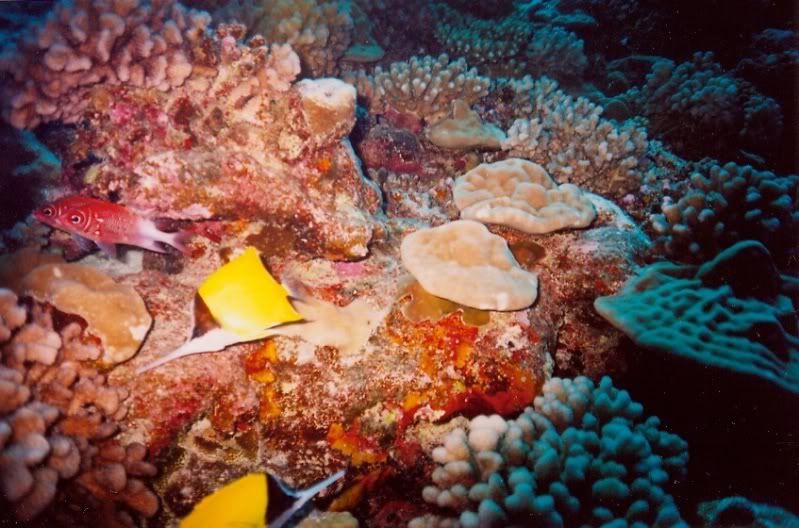
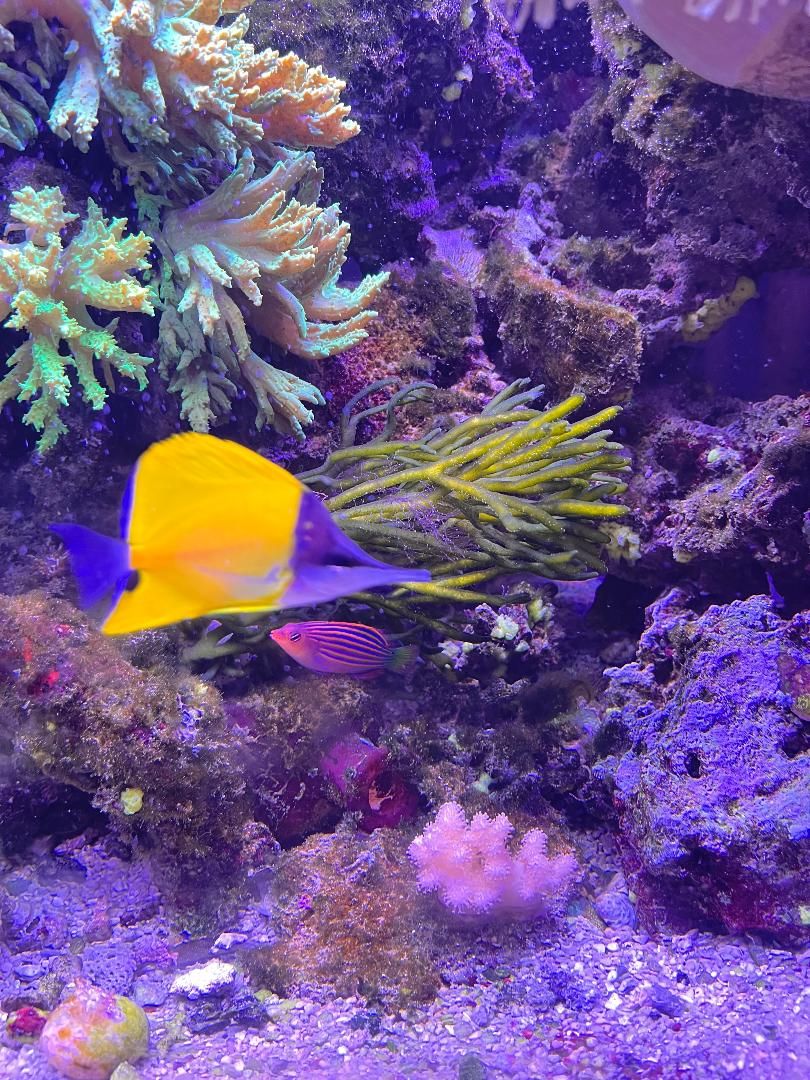
However, again, many other species do fine long-term as well as long as you acquire fish in good shape to start with and don't put them in tanks where they'll be bullied or outcompeted. Chaetodon citrinellus, C. punctatofasciatus, C. pelewensis, C. decussatus, C. semilarvatus, any of the Roaps subgenus, Forcipiger, C. xanthurus, C. mertensii, C. madagaskariensis, C. collare, and dozens of others will do fine long-term in captivity if a fish that's in good shape initially is purchased.
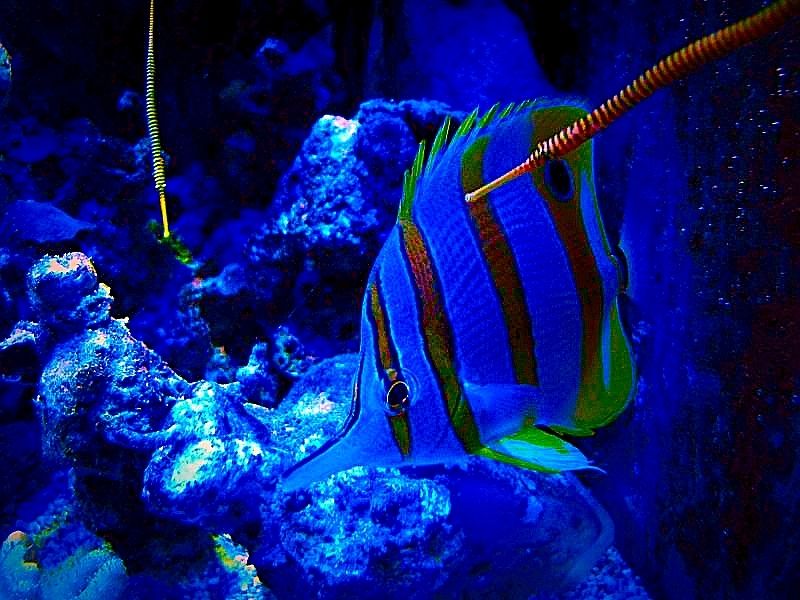
Heck, even an initially healthy Copperband (good luck finding one though) usually adjusts and does just fine. Unfortunately many butterflies are starved and shipped in poor condition. Fish with broken fin spines, missing scales in patches, torn fins, obvious ectoparasites, muscle-mass loss (especially behind the eyes), and mouth trauma (often times pieces of jaws are broken on these guys, especially copperbands) are not going to survive.
Where I'm located in Southeast Michigan, between about 7 fish shops within 2 hrs of me probably 95% of the butterflies I see aren't gonna survive past 1 month. Many arrive already severely malnourished at the pet shop, are immediately dumped in an almost bare tank with many other more aggressive fish, and fed sparingly to help keep the store tanks clean. I've found I have better luck locally using fish within 24 hrs of arrival from the wholesaler, or even having the store special-order me a butterfly as soon as it's on the wholesaler availability list, minimizing time spent at the wholesaler and retailer. Actually have one local shop trying to get me a few butterflies from
Quality Marine in the next week or 3.
And avoid the vast majority of primarily corallivorous species. The melons (trifasciatus, lunulatus, melapterus), C. trifascialis, C. larvatus, C. octotaenia, C. meyeri, C. ornatissimus, and plenty of others should be left on the reef. VERY few people succeed with them more than a month, and 99.9999% of the corallivorous butterflies die from starvation and/or disease. As the late Robert Fenner always said, they are the "cut flowers" of the aquarium trade. They're pretty and relatively inexpensive compared to many other fish, but don't survive, and so are treated as disposable by some in the hobby unfortunately.