The chitons you find on rocks are not the same kind of animal (parasite) you find on fish. The ones we find a lot of are tidal and like to be at the water /air level. I collected a couple and they literally climbed out of the tank! We don't see very many that stay down in the water. I have had lots of the very small spaghetti worms in the past. But my six line wrasse ate them all. And the spaghetti worm I really wanted is the big one with the translucent green/blue tentacles that are 2' or more in length. Probably too big for my current tank. BTW, my wrasse doesn't bother with the tiny white feather dusters in my tank. But I bought a big, uncommon (to me anyway) colorful one from Fishy Business Aquatics online store and the wrasse ate it after 2 days!
We find RFA's in shallow rocky or solid bottom flats. There are several off the beach shorelines in the Keys where snorkeling and collecting can be done easily. We use our Zodiac to get out to a tiny island (maybe 50' in diameter) about 3/4's of a mile off shore where the sides of the island drop off about 1' to 3' vertically and then a flat that extends out 10' to 30' all the way around the island. I'm not exaggerating when I say there are hundreds, maybe even a couple thousand, RFA's tucked into the vertical wall and out onto the flat bottom close to the island. And 99% of them can retract into holes that make them nearly impossible to remore without a chisel and hammer (also illegal to use for collecting in Florida). We also have a bigger island, maybe 200' in diameter that is surrounded by VERY shallow water and the edge of the island is more like a beach (no rocky drop off). 60% of the way around the island is sand and the other 40% is broken up stony coral and small sponges and grass flats. There is at least a acre that is less than 2' deep and 2 or 3 acres that are less than 4' deep. Pick up a clump of coral (it's all broken finger coral and 50% dead and 50% alive) and you could find a wide variety of critters. These two photos are pretty typical of the bottom in the shallow 1' to 2' zone.
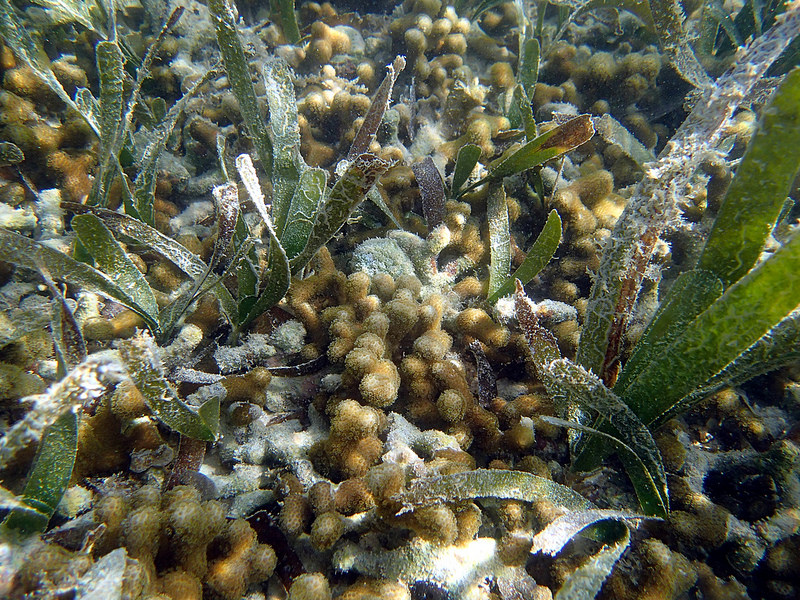 P6160357R1
by
Ron Lindensmith, on Flickr
 Florida Keys
by
Ron Lindensmith, on Flickr
And some of the local critters:
urchins
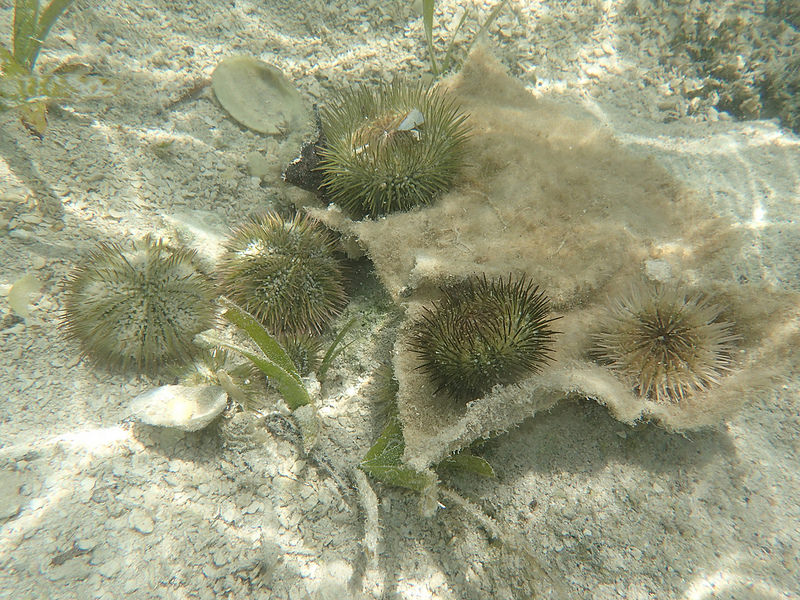 P5240088
by
Ron Lindensmith, on Flickr
sundial snails
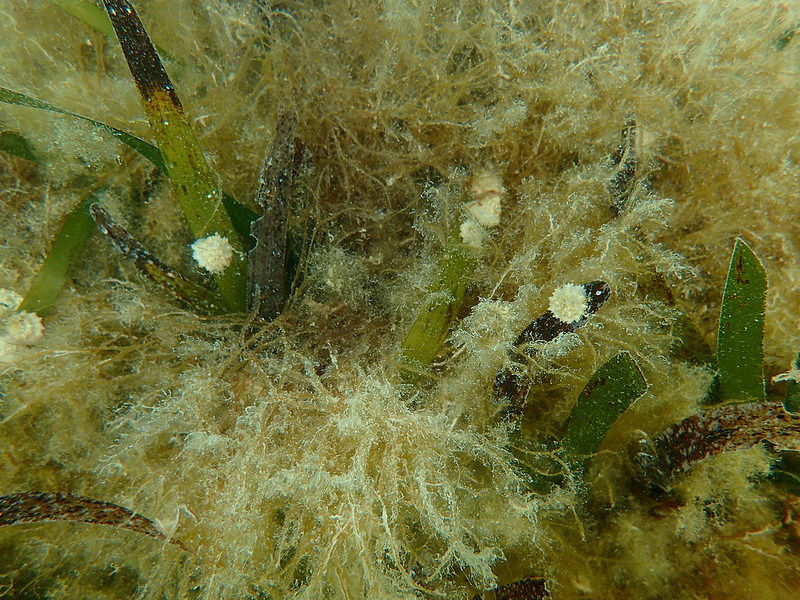 P5230056 R1
by
Ron Lindensmith, on Flickr
sponges
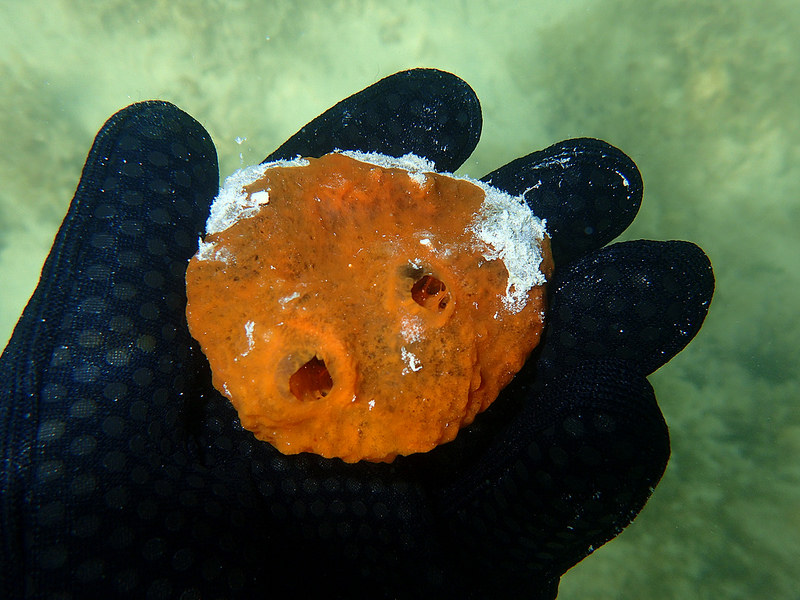 P5230039
by
Ron Lindensmith, on Flickr
gorgonian corals and flamingo tongue snails
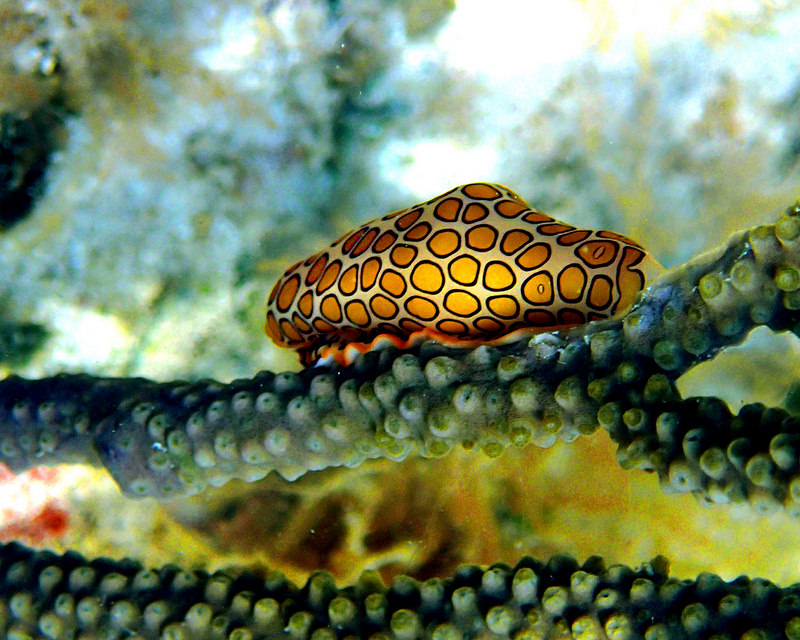 Flamingo Tongue R3
by
Ron Lindensmith, on Flickr
serpent and brittle stars
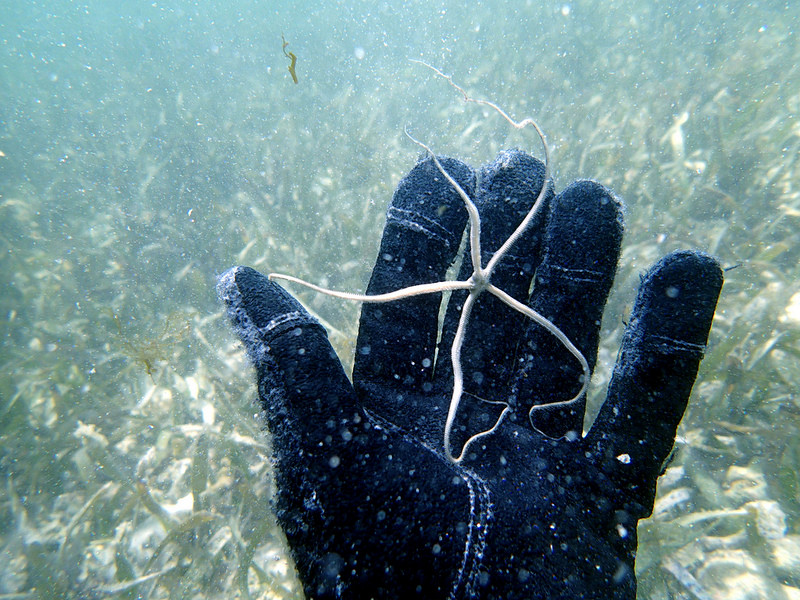 P6160429 R1
by
Ron Lindensmith, on Flickr
yellow sea cucumber (sand sifter)
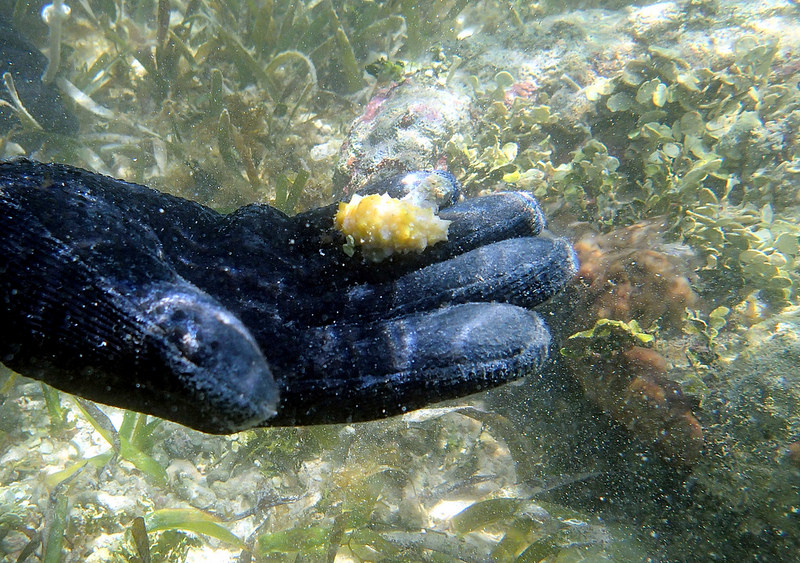 small yellow sea cucumber
by
Ron Lindensmith, on Flickr
queen conch (
illegal to collect in Florida)
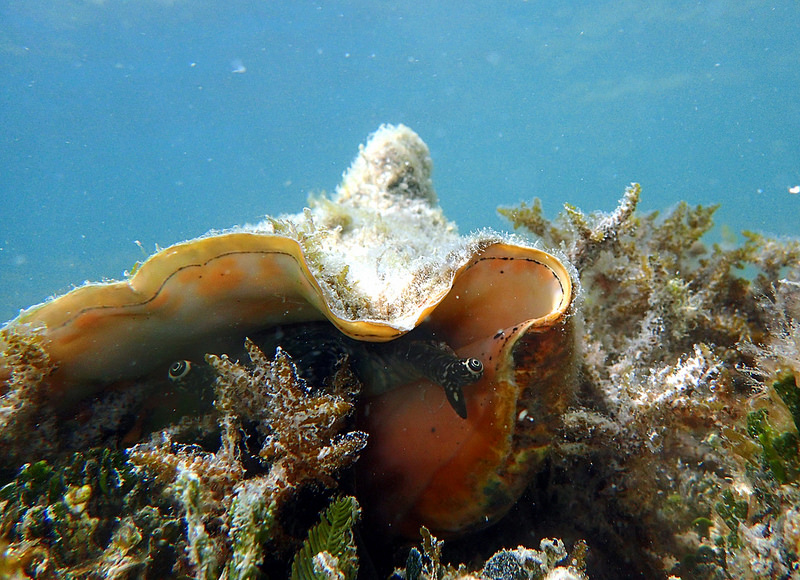 P5220030 R1
by
Ron Lindensmith, on Flickr
feather dusters and more sponges
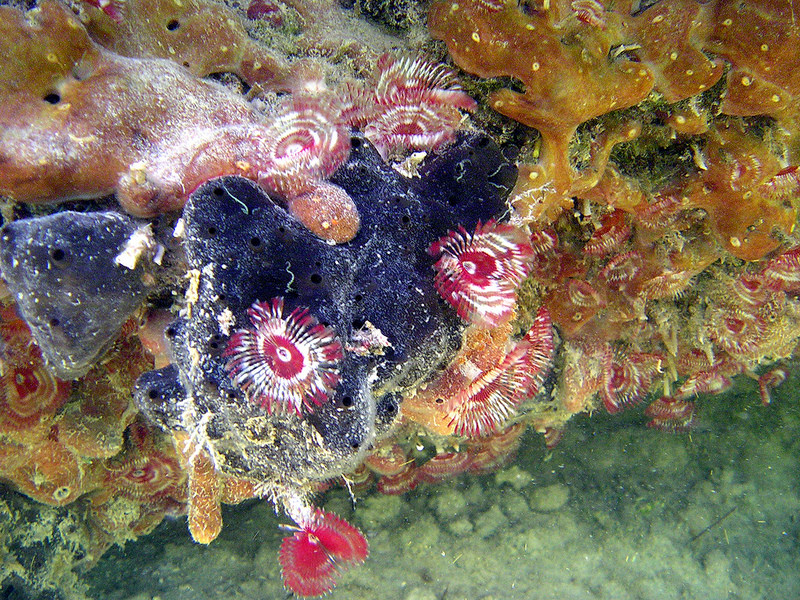 feather dusters P1010025
by
Ron Lindensmith, on Flickr
rose coral (
again all stony corals, sps and lps are totally illegal in Florida). I don't think this little guy is photosynthetic and if Florida FWC caught you with it, you be paying a huge fine, probably $500 to $1000 or more. Jail time is even possible. And we've been checked by FWC more times than I can remember!
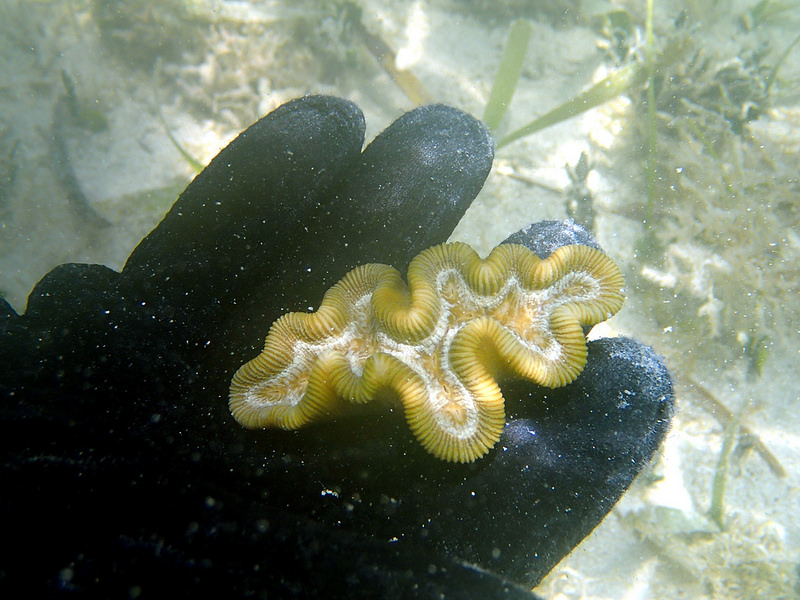 rose coral polyps retracted
by
Ron Lindensmith, on Flickr
finger coral and a dwarf reef octopus

octopus by
Ron Lindensmith, on Flickr
BTW, I forgot to mention zoas, gorgonians and feather dusters. We are only allowed to take 5 polyps of soft coral per licence holder per day. So my wife and I can collect 10 polyps which is a nice mini colony. Gorgonian colonies are all over the place and in Florida we are allowed up to 8 colonies! One good size colony could be fregged down to a dozen small colonies suitable for a 2' deep aquarium. And feather duster can be even worse to collect than RFA's as the are always attached to big rocks and have their tube attached in deep holes!
























