Took my bio pellets out, algae coming in.

Jakepen

Few beers and I'll frag anything...
View Badges
Joined
Feb 2, 2016
Messages
2,253
Reaction score
692
Location
Michigan
Rating - 0%
0   0   0
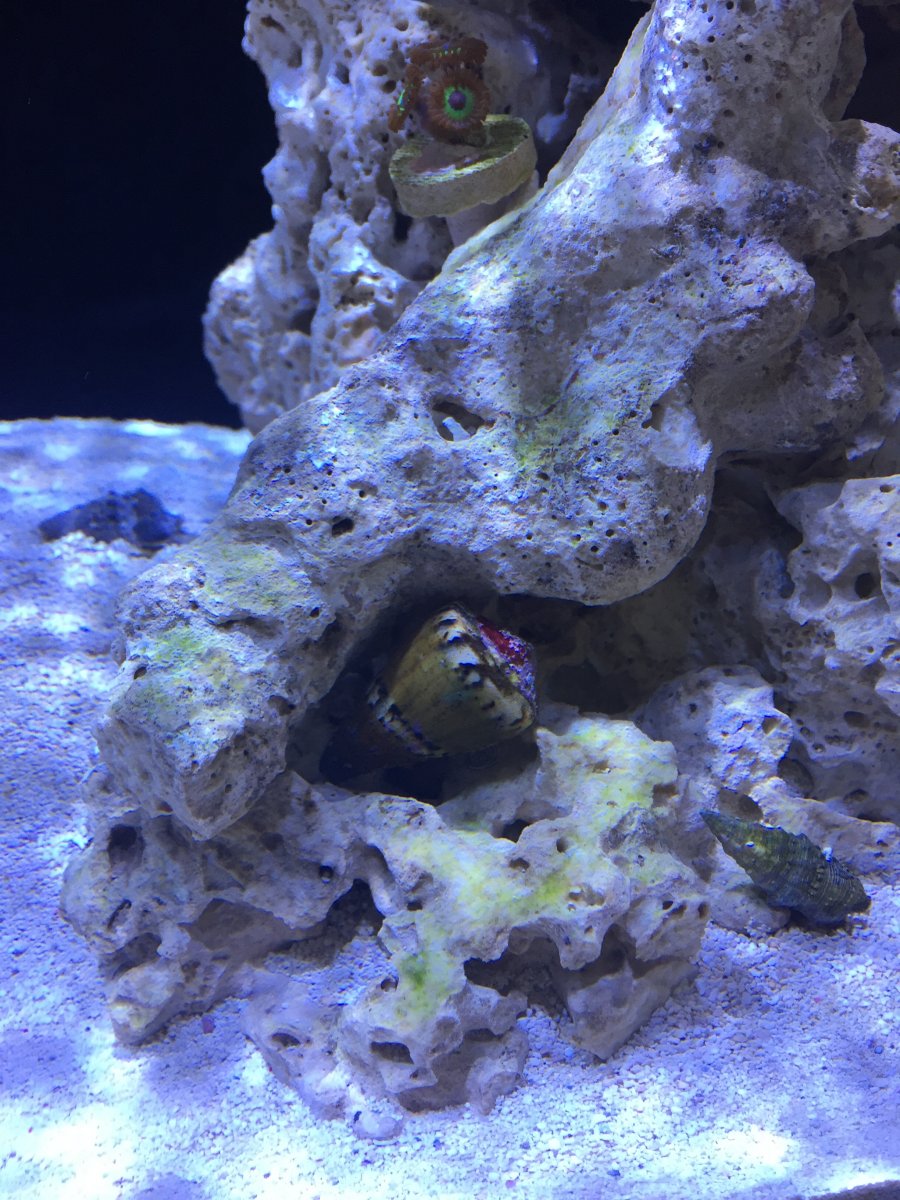
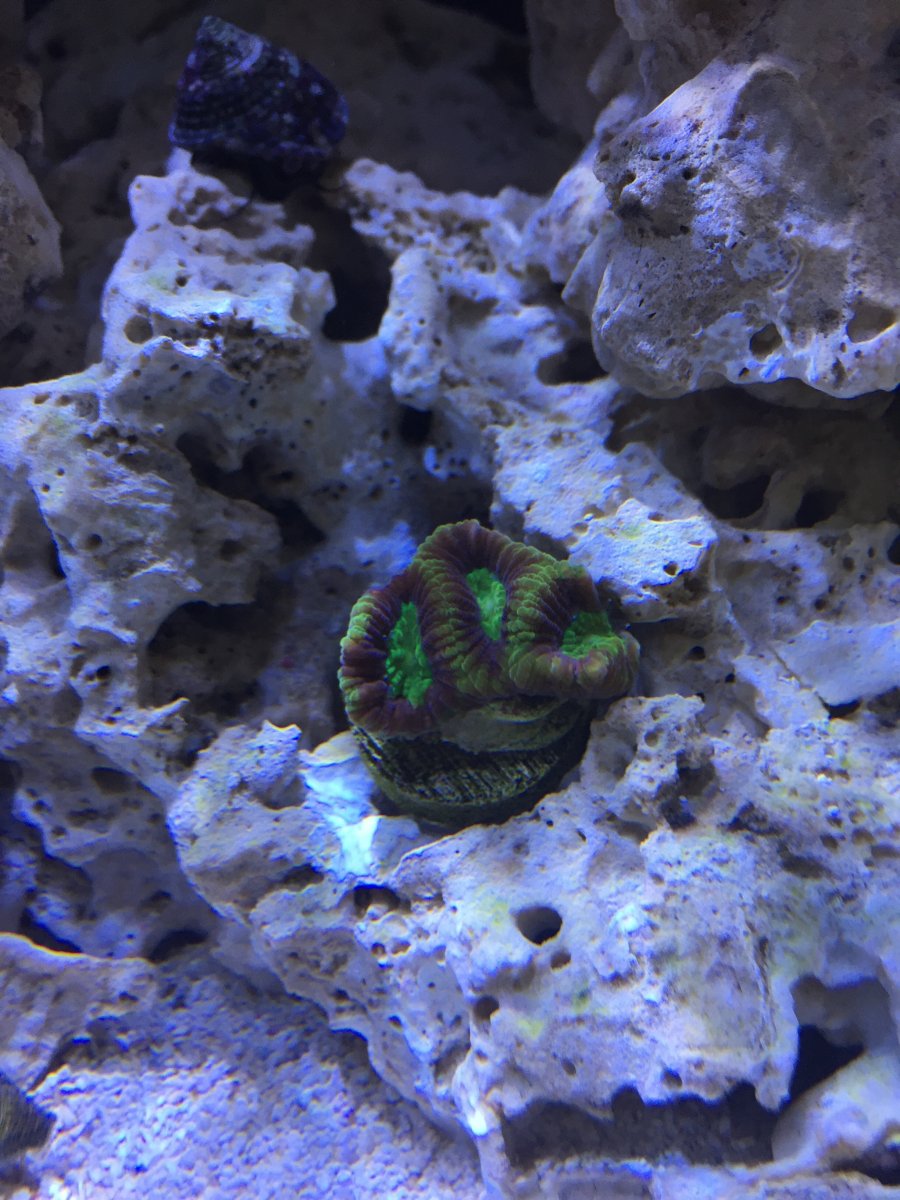
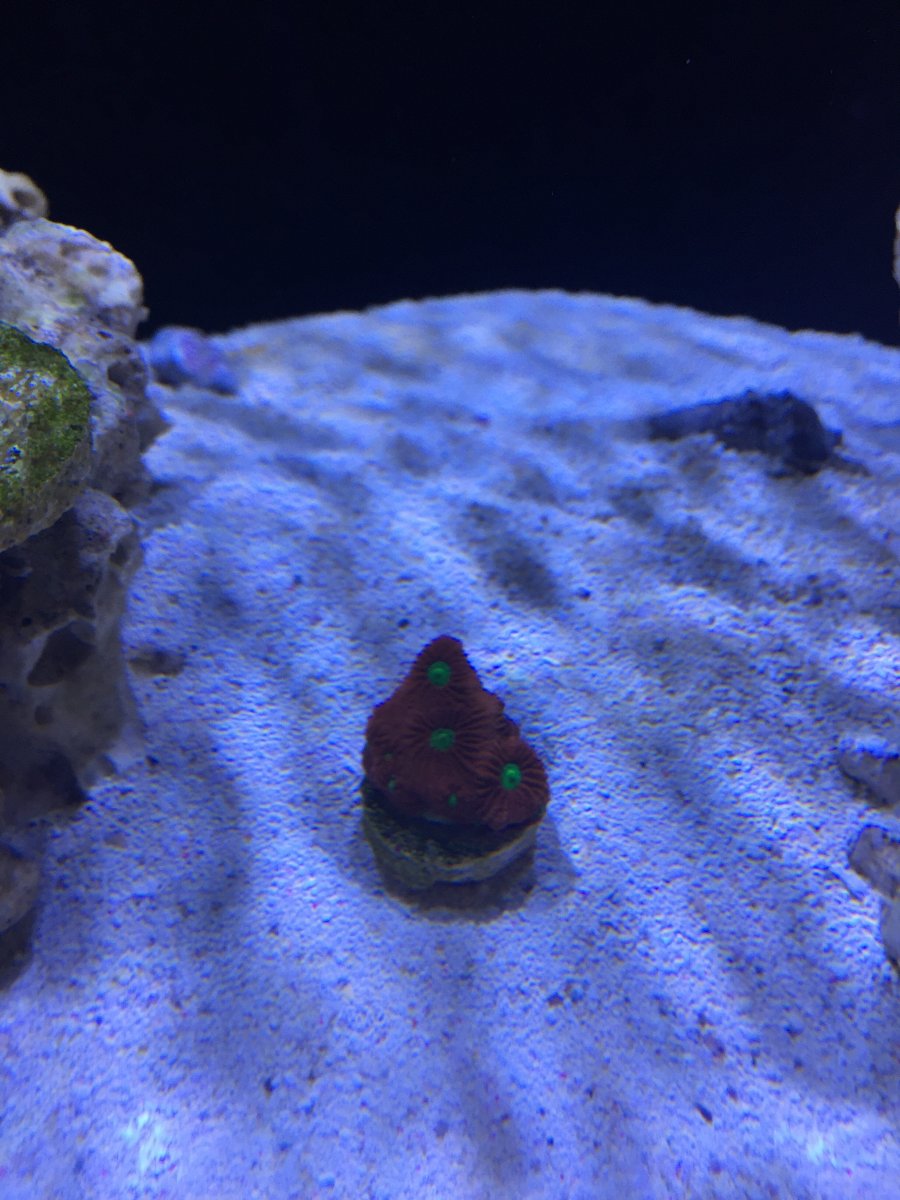
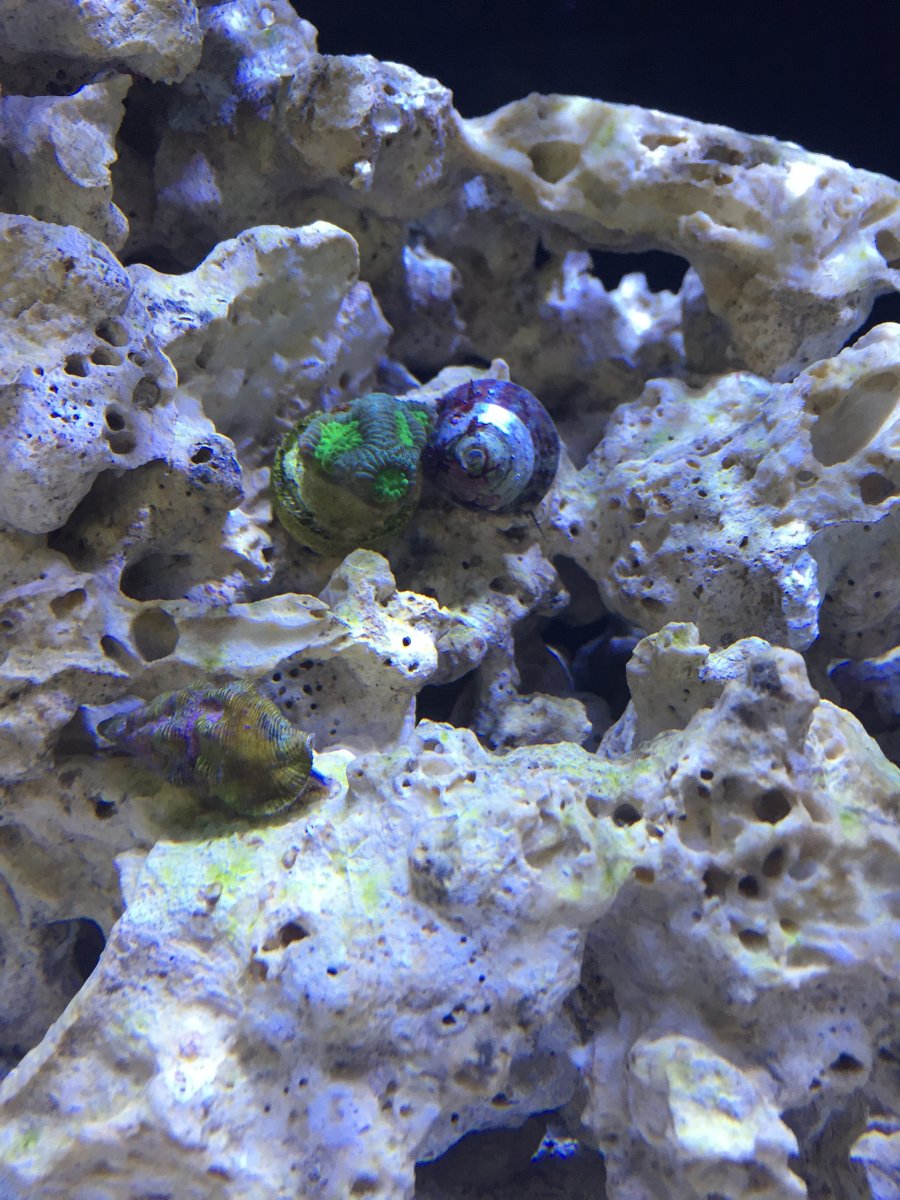
Took my bio pellets out over the weekend, starting to get a large diatom bloom. Also looks like some hair algae will be coming in soon. Tank has been going for a month, 30 gallon with a ghost skimmer, two Kessil 360s running 10 hours a day. All the while I had the pellets in, didn't have any algae. Had a very smal diatom bloom, only on the rocks. CUC knocked them out quick. Water was stable for a week straight, figured I would try some coral. Decided to try running without the pellets, and now I'm starting to get algae. I'm only nervous because I have a few pieces of coral in the tank, I don't want the algae to overtake the corals. If need be, I have a frag rack I can stash the corals in, or a buddies tank that is well established. Do you guys think I should just ride it out, put pellets back online, do frequent water changes? Ammonia is zero, nitrites zero, nitrates 5ppm, phosphates are 0.09. How are my parameters?
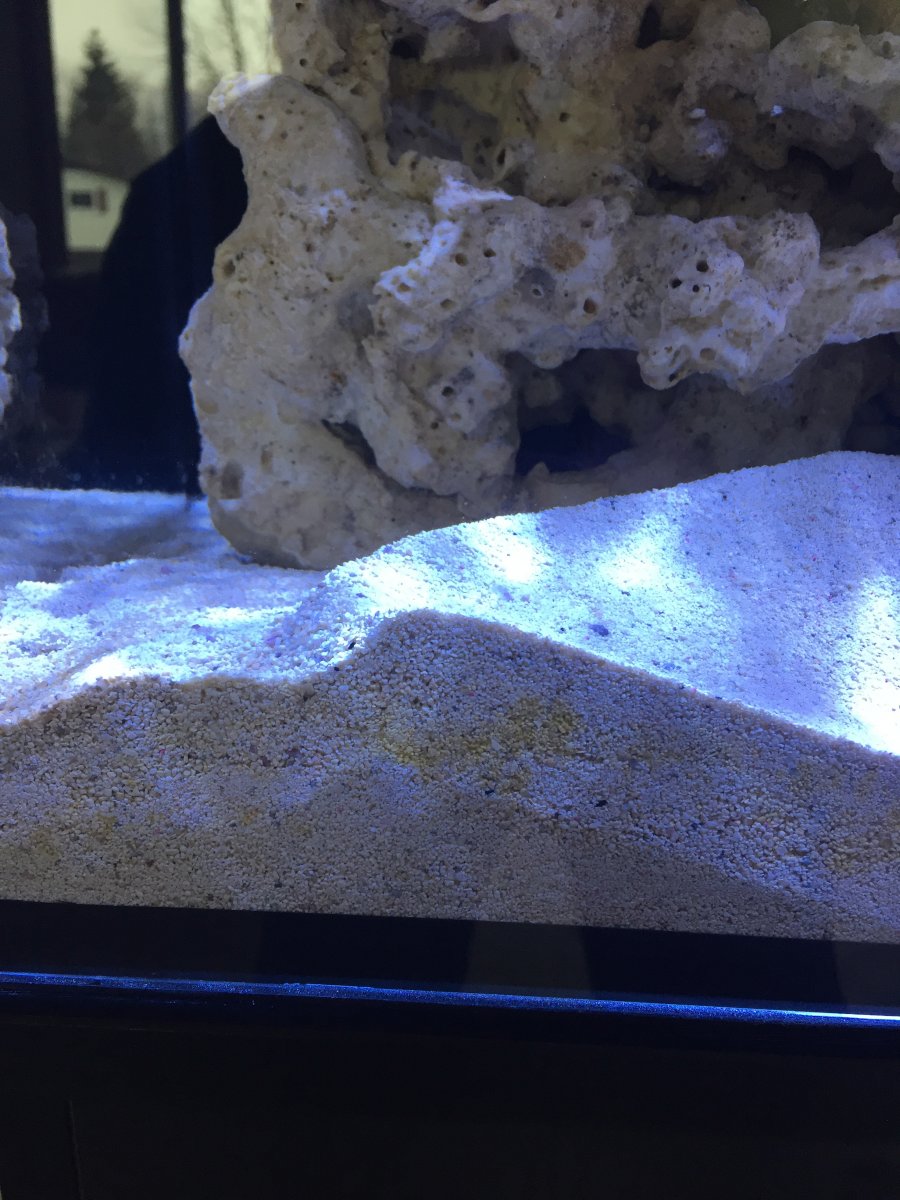
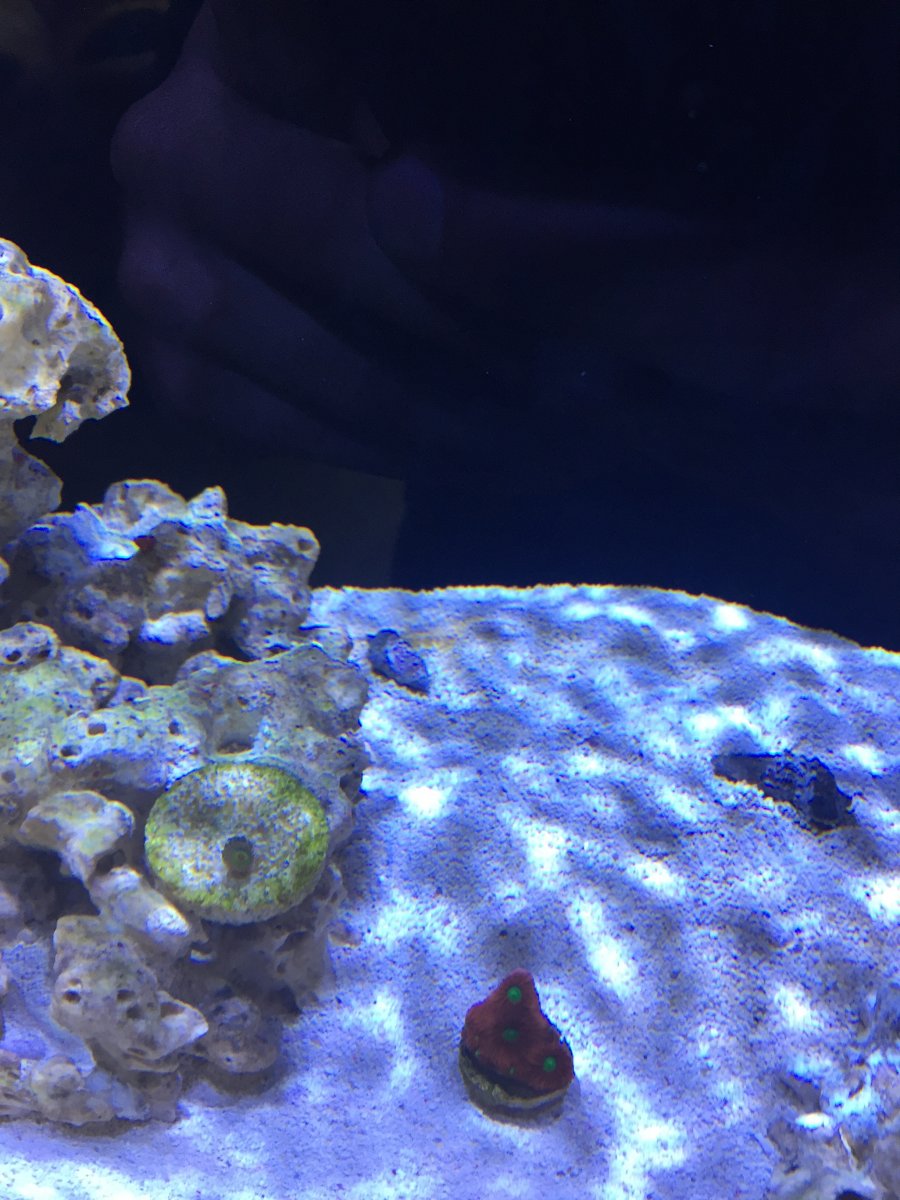
image.jpeg


image.jpeg


image.jpeg


image.jpeg


image.jpeg


image.jpeg


image.jpeg
 

urbaneks

Well-Known Member
View Badges
Joined
Feb 20, 2011
Messages
730
Reaction score
3,879
Location
Chandler, AZ
Rating - 0%
0   0   0
I believe that with or without the pellets you would start to see diatoms and hair algae. As frustrating as it is, when you have new rock and a new tank, it's the way it goes. FWIW, at 4 the 4 week mark, your bio pellets were most likely not doing much anyway. It takes several weeks for the bacteria to colonize and begin working. I'd recommend making a decision now if you want to use pellets and either keep them off or put them back on. From there, expect to have some algae over the next couple months. You can add some cleanup crew (Sea Hares work wonders on hair algae). It's all part of the adventure.
 

saltyfilmfolks

Lights! Camera! Reef!
View Badges
Joined
Feb 25, 2014
Messages
28,739
Reaction score
40,625
Location
California
Rating - 0%
0   0   0
yea, dont freak. Its normal in a tank that size. The rest of the bacterial crew will catch up.
Its sooo normal.
 

saltyfilmfolks

Lights! Camera! Reef!
View Badges
Joined
Feb 25, 2014
Messages
28,739
Reaction score
40,625
Location
California
Rating - 0%
0   0   0
FWIW I had a 30 gal long with an aquaclear hob and hob fuge for 3 years. never a problem.
Jus sayin.
 
OP
OP
Jakepen

Jakepen

Few beers and I'll frag anything...
View Badges
Joined
Feb 2, 2016
Messages
2,253
Reaction score
692
Location
Michigan
Rating - 0%
0   0   0
Yeah, I mean I guess I know it's totally normal, all part of the cycle. I just thought maybe the bio pellets were keeping the algae at bay, and I wouldn't see any. At least not from the initial cycle. I just don't want to think, the bio pellets gave me a false sense of security, and believing that the tank was actually further along than it is. My only concern truely, is will my corals be okay?
 

brandon429

what, exactly, are you doing in your avatar
View Badges
Joined
Dec 9, 2014
Messages
31,035
Reaction score
23,923
Location
tejas
Rating - 0%
0   0   0
also, none of that rock has algae excluding coralline. if you had stocked all cured purple rock those new tufts could be easily stopped changing nothing about your params. expect to hand guide new rocks like this, until colonized with algae excluding corals and coralline.
 

saltyfilmfolks

Lights! Camera! Reef!
View Badges
Joined
Feb 25, 2014
Messages
28,739
Reaction score
40,625
Location
California
Rating - 0%
0   0   0
Yeah, I mean I guess I know it's totally normal, all part of the cycle. I just thought maybe the bio pellets were keeping the algae at bay, and I wouldn't see any. At least not from the initial cycle. I just don't want to think, the bio pellets gave me a false sense of security, and believing that the tank was actually further along than it is. My only concern truely, is will my corals be okay?
Maybe maybe not:eek::confused::mad::):):)
New tank. Its part of the process. Thus the go slow and dont spend much yet. Its probably all fine.

the bio pellets gave me a false sense of security,
And yea. Totally did.

and dont sweat. Its gonna be great.
 

glb

7500 Club Member
View Badges
Joined
May 12, 2013
Messages
8,185
Reaction score
3,301
Location
Miami
Rating - 0%
0   0   0
I'd wait on any sensitive coral, as the phosphates are a little high for them. Like everyone else, your tank is acting normal. Good luck!
 
OP
OP
Jakepen

Jakepen

Few beers and I'll frag anything...
View Badges
Joined
Feb 2, 2016
Messages
2,253
Reaction score
692
Location
Michigan
Rating - 0%
0   0   0
Thanks guys. What are good phosphates to strive for? (Well zero I can assume) I saw somewhere that 0.1 and below is acceptable. My numbers are below that correct? Just not by much ha. Also this weekend I plan on buying my first fish, a clown. Also maybe a lawnmower blenny. Or just one, if that's all my tank can handle right now. Also wanted to get some frogspawn, but I won't if you guys agree it's a bad idea.
 

glb

7500 Club Member
View Badges
Joined
May 12, 2013
Messages
8,185
Reaction score
3,301
Location
Miami
Rating - 0%
0   0   0
Thanks guys. What are good phosphates to strive for? (Well zero I can assume) I saw somewhere that 0.1 and below is acceptable. My numbers are below that correct? Just not by much ha. Also this weekend I plan on buying my first fish, a clown. Also maybe a lawnmower blenny. Or just one, if that's all my tank can handle right now. Also wanted to get some frogspawn, but I won't if you guys agree it's a bad idea.
Depends on the coral you want to keep. I think 0.02-0.04ppm is reasonable for LPS and soft corals. The number you mentioned, 0.1ppm, is actually quite high!
 
OP
OP
Jakepen

Jakepen

Few beers and I'll frag anything...
View Badges
Joined
Feb 2, 2016
Messages
2,253
Reaction score
692
Location
Michigan
Rating - 0%
0   0   0
Depends on the coral you want to keep. I think 0.02-0.04ppm is reasonable. The number you mentioned, 0.1ppm, is actually quite high!
Oh, alright. I have favias, zoas, and wanted to add a frogspawn. These are pretty hardy corals aren't they?
 

glb

7500 Club Member
View Badges
Joined
May 12, 2013
Messages
8,185
Reaction score
3,301
Location
Miami
Rating - 0%
0   0   0
Oh, alright. I have favias, zoas, and wanted to add a frogspawn. These are pretty hardy corals aren't they?
Yes. That's like my tank and I try to always keep it below 0.04, preferably at 0.0-0.02. Soft corals are a lot more forgiving.
 

glb

7500 Club Member
View Badges
Joined
May 12, 2013
Messages
8,185
Reaction score
3,301
Location
Miami
Rating - 0%
0   0   0
A gfo reactor does a good job with phosphates. I had a tank crash a few years ago which caused extremely high levels of phosphates. The reactor did the trick getting things back under control.
 

Salty1962

Wrasse and SPS Lover
View Badges
Joined
Jan 28, 2015
Messages
8,484
Reaction score
7,640
Location
Charlotte, NC
Rating - 0%
0   0   0
I believe that with or without the pellets you would start to see diatoms and hair algae. As frustrating as it is, when you have new rock and a new tank, it's the way it goes. FWIW, at 4 the 4 week mark, your bio pellets were most likely not doing much anyway. It takes several weeks for the bacteria to colonize and begin working. I'd recommend making a decision now if you want to use pellets and either keep them off or put them back on. From there, expect to have some algae over the next couple months. You can add some cleanup crew (Sea Hares work wonders on hair algae). It's all part of the adventure.
I agree on length on BPs. They don't really start helping until after the 2 month mark. Set them and forget them for at least that time.
 

saltyfilmfolks

Lights! Camera! Reef!
View Badges
Joined
Feb 25, 2014
Messages
28,739
Reaction score
40,625
Location
California
Rating - 0%
0   0   0
Thanks guys. What are good phosphates to strive for? (Well zero I can assume) I saw somewhere that 0.1 and below is acceptable. My numbers are below that correct? Just not by much ha. Also this weekend I plan on buying my first fish, a clown. Also maybe a lawnmower blenny. Or just one, if that's all my tank can handle right now. Also wanted to get some frogspawn, but I won't if you guys agree it's a bad idea.
yea and go slow. get deals. yours is a REALLY new tank (most wouldnt have corals yet) so its not stable yet.
the first phases of a new tank are proof of that.
IMO putting any gfo sea hares bio reactors etc are a waste at this point. Theres nothing in the tank yet. what are you trying to get out.
bio pellets at this point are just another sand bed or live rock to to be colonized by bacteria, but a lot more expensive. and little algae means starving clean up crew.
and the term mature tank is pretty deep if you dig into it scientifically, with regards to the microscopic and then molecular level of whats happening in there, and why a coral can and needs it live in it.


Again.
FWIW I had a 30 gal long with an aquaclear hob and hob fuge for 3 years. never a problem.
Jus sayin.
 
OP
OP
Jakepen

Jakepen

Few beers and I'll frag anything...
View Badges
Joined
Feb 2, 2016
Messages
2,253
Reaction score
692
Location
Michigan
Rating - 0%
0   0   0
I want to keep the tank, somewhat simple. That's why I removed the bio pellets (also read that lps like the water a bit dirtier) so I'd rather just start without them. As far as GFO, I'm not a fan. Never used it, and I'm sure it does work well. I just think it's a band aid, a temporary fix. I am going to set up a fuge this weekend, small one. But best I can do in a AIO. So if I'm hearing you guys correctly, no more coral. My tank is still prone to changes.
 

SantaMonicaHelp

Valuable Member
View Badges
Joined
Oct 1, 2012
Messages
2,364
Reaction score
684
Location
Santa Monica, California, USA
Rating - 0%
0   0   0
Looks nice but the rocks still need to develop periphyton. This might help:

What is Periphyton?

Periphyton is what turns your rocks different colors. You know... the white rocks you started with in SW, or the grey rocks (or brown wood) you started with in FW. After several months or years, the rocks become a variety of different colors and textures. Why? Because the periphyton that has grown on it is a mix of different living things, of different colors, and thicknesses. And the important part is: It is LIVING.

That's right: The colored stuff that has coated your rocks is all living organisms. Sponges, microbes, algae, cyano, biofilms, and of course coralline. After all, "peri" means "around the outside", and "phyto" means "plant". Ever slipped in a slippery puddle? That's probably periphyton that made it slippery. It's a very thin coating on the rocks, sometimes paper thin.

There is a lot of photosynthetic organisms in periphyton, and this of course means that they need light; but they need nutrients too (ammonia, nitrate, phosphate). And as you might figure, they will be on the lighted portions of the rocks. And they will grow to intercept food particles in the water, based on the water flow. Just think about how sponges orient their holes for water flow; the micro sponges in periphyton do it too but on a tiny scale.

What about under the rocks, in the dark areas? Well these periphyton don't get light, so they are primarily filter feeders. So they REALLY grow and position themselves to be able to intercept food particles. And they don't really need to fight off algae, because algae does not grow in the dark, so they have no need for anti-algae tactics like plants in illuminated areas have.

Reef studies have shown that at certain depths, more of the filtering of the water comes from periphyton and benthic algae than comes from the phytoplankton which filters the deeper water. And in streams, almost all the filtering is done by periphyton. So, what you have on rocks that are "mature" or "established" is a well-developed layer of periphyton; and all the things that comes from it.

This is why mandarin fish can eat directly off the rocks of an "established" tank (tons of pods grow in the periphyton), but not on the rocks of a new tank. Or why some animals can lay their eggs on established rocks, but not new ones. Or why established tanks seem to "yo-yo" less than new ones. Even tangs can eat periphyton directly when it's thick enough. Yes periphyton can also develop on the sand, but since the sand is moved around so much, the periphyton does not get visible like it does on rocks. So thick periphyton on established rocks is your friend. And totally natural too. Keep in mind though I'm not referring to nuisance algae on rocks; I'm only referring to the very-thin layer of coloring that coats the rocks.

But what happens when you "scrape the stuff off your rocks"? Well you remove some of the periphyton, which means you remove some of your natural filter and food producer. What if you take the rocks out and scrub them? Well now you not only remove more of your natural filter and food producer, but the air is going to kill even more of the microscopic sponges in it. And what if you bleach the rocks? Well, goodbye all filtering and food producing for another year. It's an instant reduction of the natural filtering that the periphyton was providing.

However, what if you just re-arrange the rocks? Well, some of the periphyton that was in the light, now will be in the dark; so this part will die. And some of the periphyton that was in the dark will now be in the light, so it will not be able to out-compete photosynthetic growth and thus will be covered and die too. And even if the light stays the same, the direction and amount of water flow (and food particles) will change; sponges that were oriented to get food particles from one direction will now starve. So since the light and food supply is cut off, the filtering that the periphyton was providing stops almost immediately, due only to the re-arranging of the rocks.

Starvation takes a little longer. The periphyton organisms won't die immediately, since they have some energy saved up; but instead, they will wither away over several weeks. So on top of the instant reduction in filtering that you get by just moving the rocks, you get a somewhat stretched-out period of nutrients going back into the water. And after all this, it takes another long period of time for the periphyton to build up to the levels it was at before: 1 to 2 years. Even changing the direction of a powerhead will affect the food particle supply in the area it used to be pointed at.

So a good idea is to try to keep everything the same. Pick your lighting, flow, layout, and try to never move or change anything. It's a different way of thinking, but you should have a stronger natural filter and food producer because of it.

SF
 
OP
OP
Jakepen

Jakepen

Few beers and I'll frag anything...
View Badges
Joined
Feb 2, 2016
Messages
2,253
Reaction score
692
Location
Michigan
Rating - 0%
0   0   0
Should I dose phosphate rx to lower the phosphates? Or add a small refugium this weekend, and see if that helps?
 

TOP 10 Trending Threads

WHAT AMOUNT OF LIVE ROCK AND SAND SHOULD BE PRIORITIZED FOR OPTIMAL BIODIVERSITY/FILTRATION?

  • 100% live rock + bagged sand

    Votes: 38 27.1%
  • 100% dry rock + 100% live sand

    Votes: 47 33.6%
  • 50/50 live/dry rock, 50/50 live/bagged sand

    Votes: 31 22.1%
  • 75% live rock, 25% live sand

    Votes: 14 10.0%
  • 25% live rock, 75% live sand

    Votes: 10 7.1%
Back
Top