




- Joined
- Jun 6, 2022
- Messages
- 607
- Reaction score
- 873
- Location
- the Netherlands
- What state or country do you live in
- Other International
Anemone Verrucae
Don't ask me too much, because I don't quite understand it myself. I'm also using very broad, general information below because I simply can't get any good, clear information about what I'm looking at.
Certain anemones have a characteristic called Verrucae. It's often described as "claws."
It looks like small, dark bumps on the crown of an anemone. Here's a photo of those dark, black spots some anemones have.
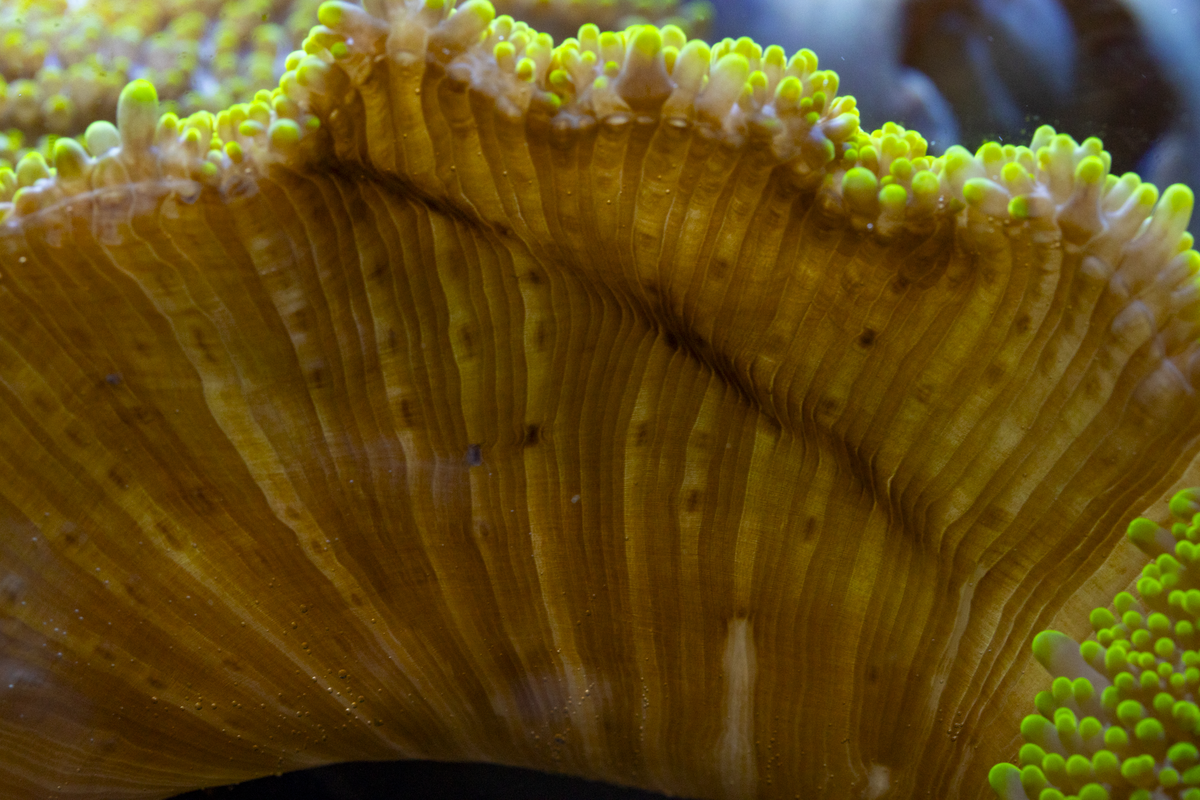
I've been reading a lot, but nothing makes it clearer. Those black dots you see are supposedly claws that can cling to rocks.
But... this anemone in my case has its foot stuck to the rock, and its crown is touching the glass. So those black dots are touching the glass when it's stretched out.
I see all sorts of little tubes coming out of the anemone and sticking to the glass. I call them suction cups because I can't imagine anything else. It's definitely not a claw, because there's nothing to grab onto glass. It's either a suction cup or something very sticky that sticks to the glass.
Photos from far to close.
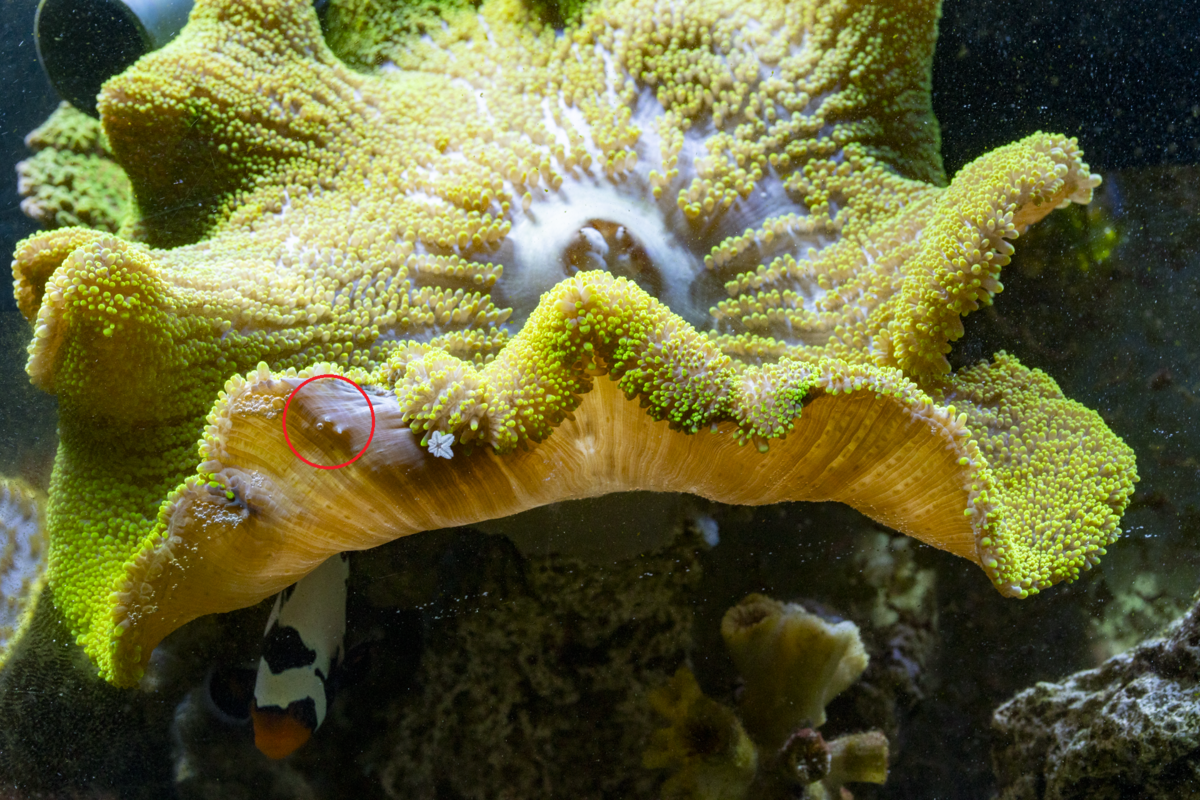
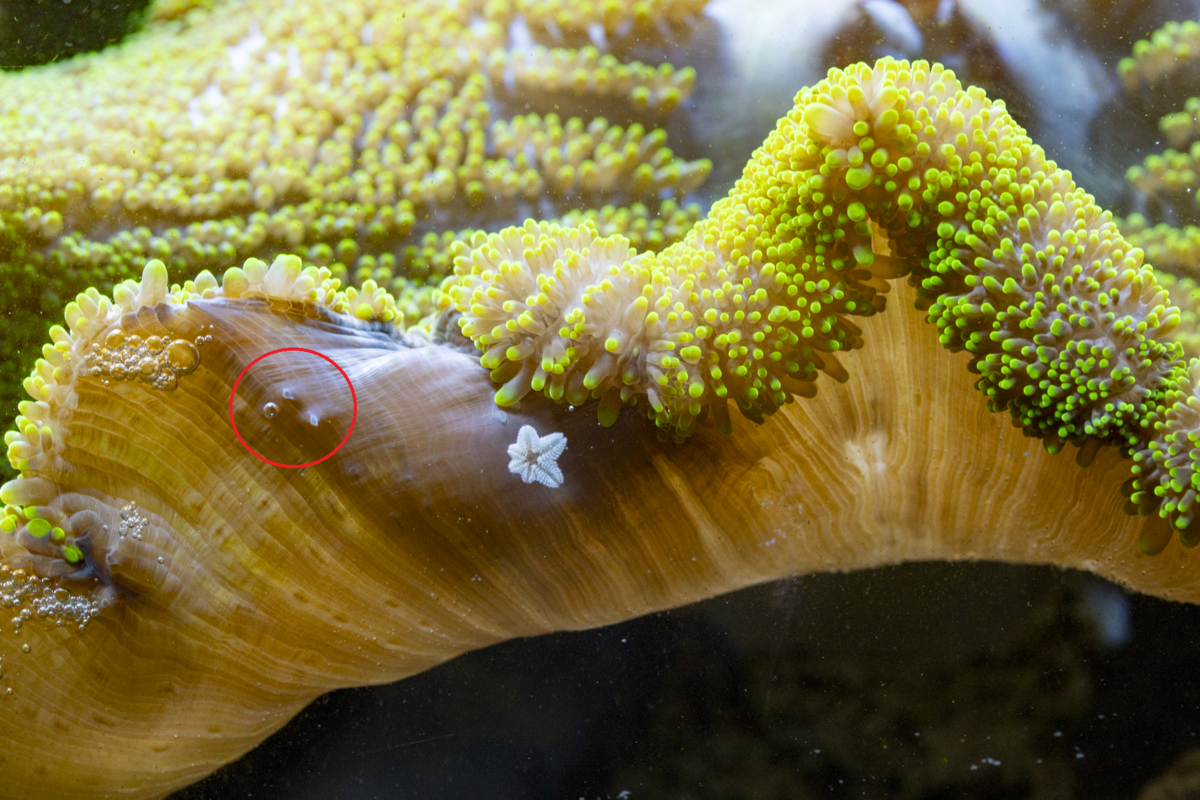
Both the starfish and the Verrucae are sitting against the glass here. There's no depth between them.
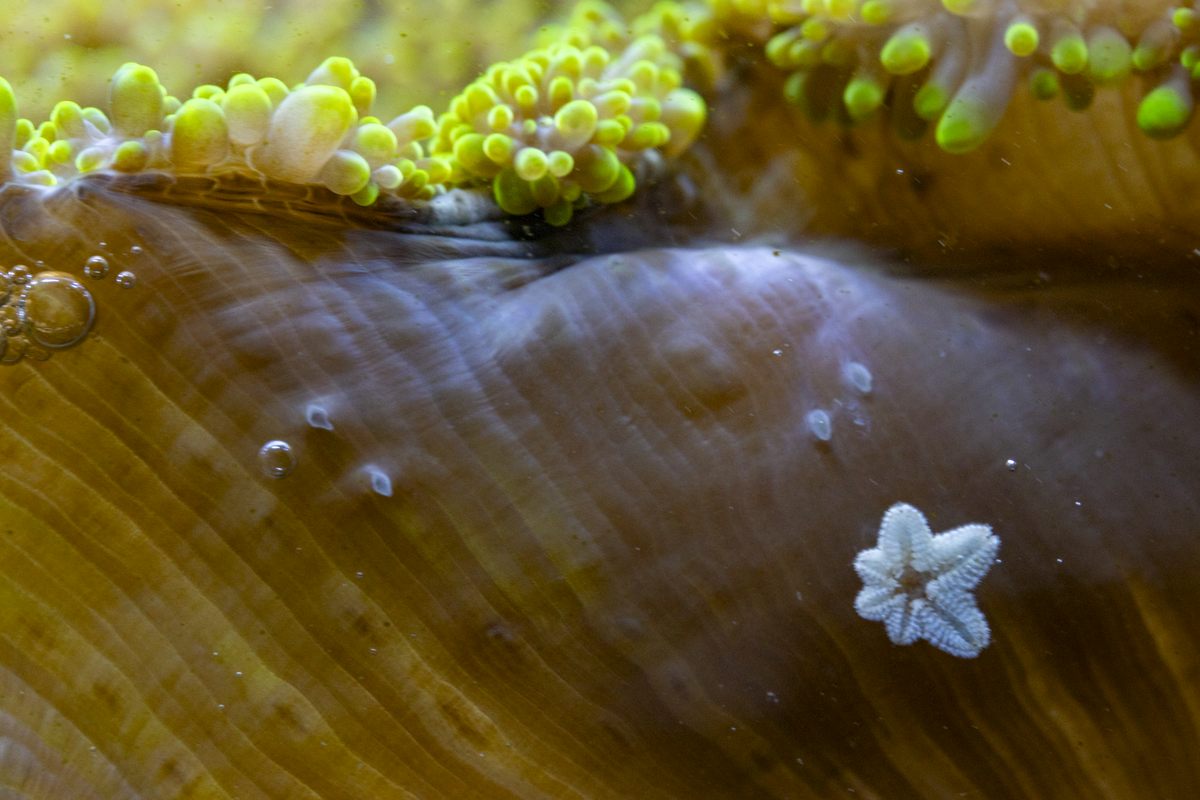
I'm sure there are people who can explain this, but I can't find it. Am I really looking at Verrucae here, or is this something else entirely?
Many evenings of Googling and finding articles to go...
Don't ask me too much, because I don't quite understand it myself. I'm also using very broad, general information below because I simply can't get any good, clear information about what I'm looking at.
Certain anemones have a characteristic called Verrucae. It's often described as "claws."
It looks like small, dark bumps on the crown of an anemone. Here's a photo of those dark, black spots some anemones have.
I've been reading a lot, but nothing makes it clearer. Those black dots you see are supposedly claws that can cling to rocks.
But... this anemone in my case has its foot stuck to the rock, and its crown is touching the glass. So those black dots are touching the glass when it's stretched out.
I see all sorts of little tubes coming out of the anemone and sticking to the glass. I call them suction cups because I can't imagine anything else. It's definitely not a claw, because there's nothing to grab onto glass. It's either a suction cup or something very sticky that sticks to the glass.
Photos from far to close.
Both the starfish and the Verrucae are sitting against the glass here. There's no depth between them.
I'm sure there are people who can explain this, but I can't find it. Am I really looking at Verrucae here, or is this something else entirely?
Many evenings of Googling and finding articles to go...








