- Joined
- Feb 19, 2018
- Messages
- 106
- Reaction score
- 50
All,
I've had this clownfish for about 9 months. It's with a second clown that I've had for closer to a year. I bought the slightly bigger one first, then added a smaller one later, as I understood that was the best approach to not getting two females. About three months ago, I added a rose bulb anemone. Neither clown cared for a couple of months, but one really took to it a few weeks ago and is aggressively keeping the smaller clown away.
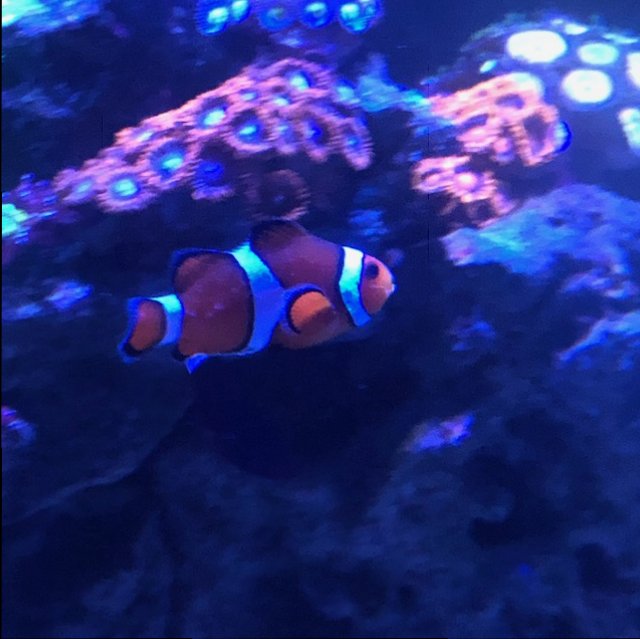
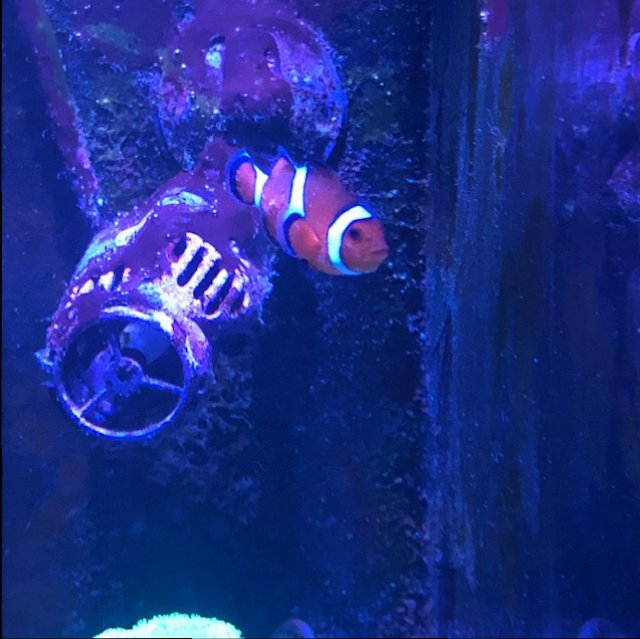
Today, I noticed some blotches or something on the smaller clown. I read through the great disease list that another reefer put together, and nothing matches up just right. I don't see the small white spots like ich or velvet. I don't see the look of brooklynella. Perhaps, a parasite? My other thought is that maybe these are battle wounds from the other clown in their fights over the anemone? I took some pics, but none of them look just like it looks in person, unfortunately.
I closely inspected all of my other fish. Everyone else looks 100% with the exception of my yellow coris wrasse that I've had for about six months. It has a white mark on its side which appears to be a scrape to me. Eating and swimming like normal. He sometimes fights with my Christmas wrasse. I once saw a similar mark on my royal gramma, but it healed up and the fish acted normally.
Any advice would be greatly appreciated.
John

I've had this clownfish for about 9 months. It's with a second clown that I've had for closer to a year. I bought the slightly bigger one first, then added a smaller one later, as I understood that was the best approach to not getting two females. About three months ago, I added a rose bulb anemone. Neither clown cared for a couple of months, but one really took to it a few weeks ago and is aggressively keeping the smaller clown away.
Today, I noticed some blotches or something on the smaller clown. I read through the great disease list that another reefer put together, and nothing matches up just right. I don't see the small white spots like ich or velvet. I don't see the look of brooklynella. Perhaps, a parasite? My other thought is that maybe these are battle wounds from the other clown in their fights over the anemone? I took some pics, but none of them look just like it looks in person, unfortunately.
I closely inspected all of my other fish. Everyone else looks 100% with the exception of my yellow coris wrasse that I've had for about six months. It has a white mark on its side which appears to be a scrape to me. Eating and swimming like normal. He sometimes fights with my Christmas wrasse. I once saw a similar mark on my royal gramma, but it healed up and the fish acted normally.
Any advice would be greatly appreciated.
John