Colonial hydroid eradication. Expert advice needed

NY_Sea

Active Member
View Badges
Joined
Jun 2, 2008
Messages
491
Reaction score
300
Location
New York
Rating - 0%
0   0   0
Throughout my reefing journey I have always used the principal that a natural approach to problems was the way to go and have always found a way to get my tank back in check. Bubble algae =mithrax crabs. Hair algae=tuxedo urchin other algae’s snails and tangs. Etc

My new issue has me at a loss and am looking for some guidance.

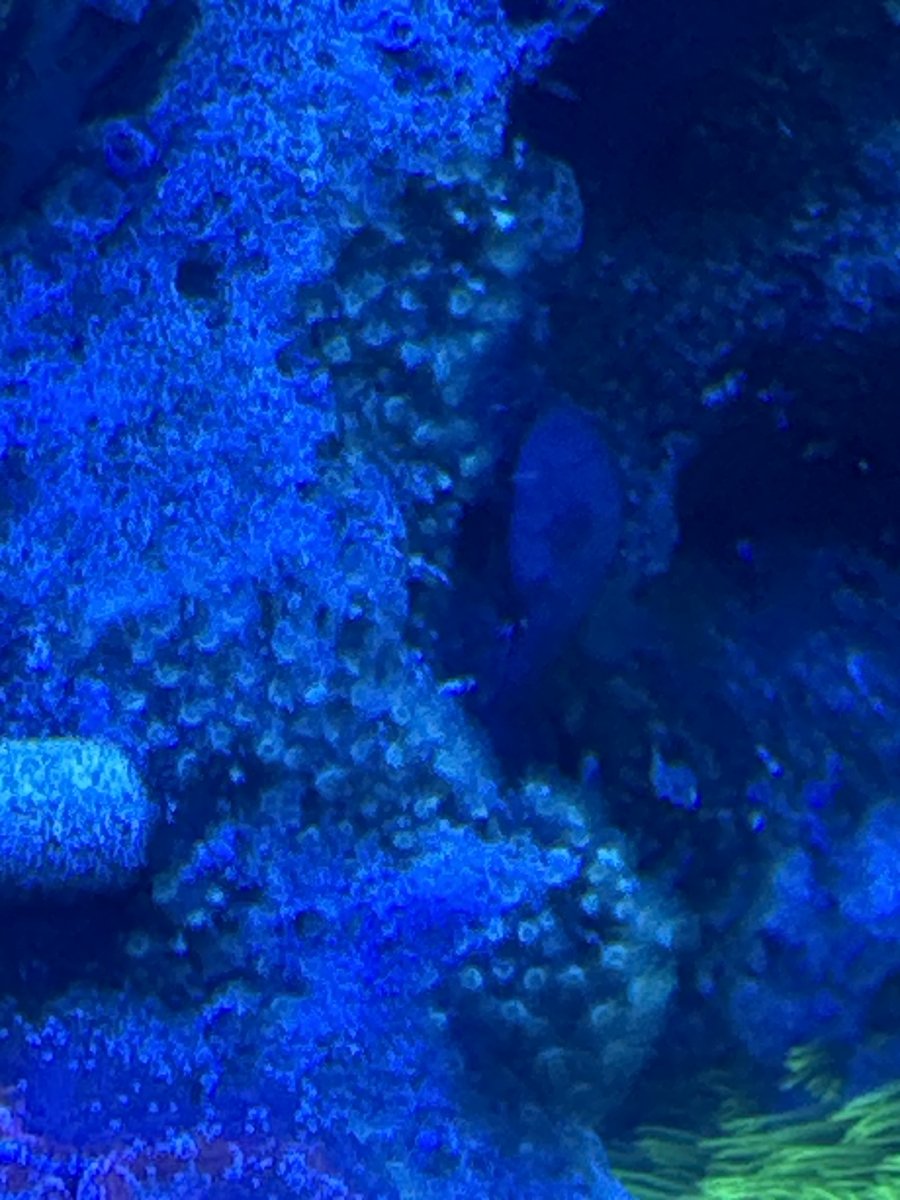
My tank has recently exploded with what I believe are colonial hydroids. Hoping someone can tell me natural ways to eradicate these from my system? Will take any and All advice. All I have heard to date was remove all live rock. Or dip in hydrogen peroxide. Hoping for an easier way.
Thanks
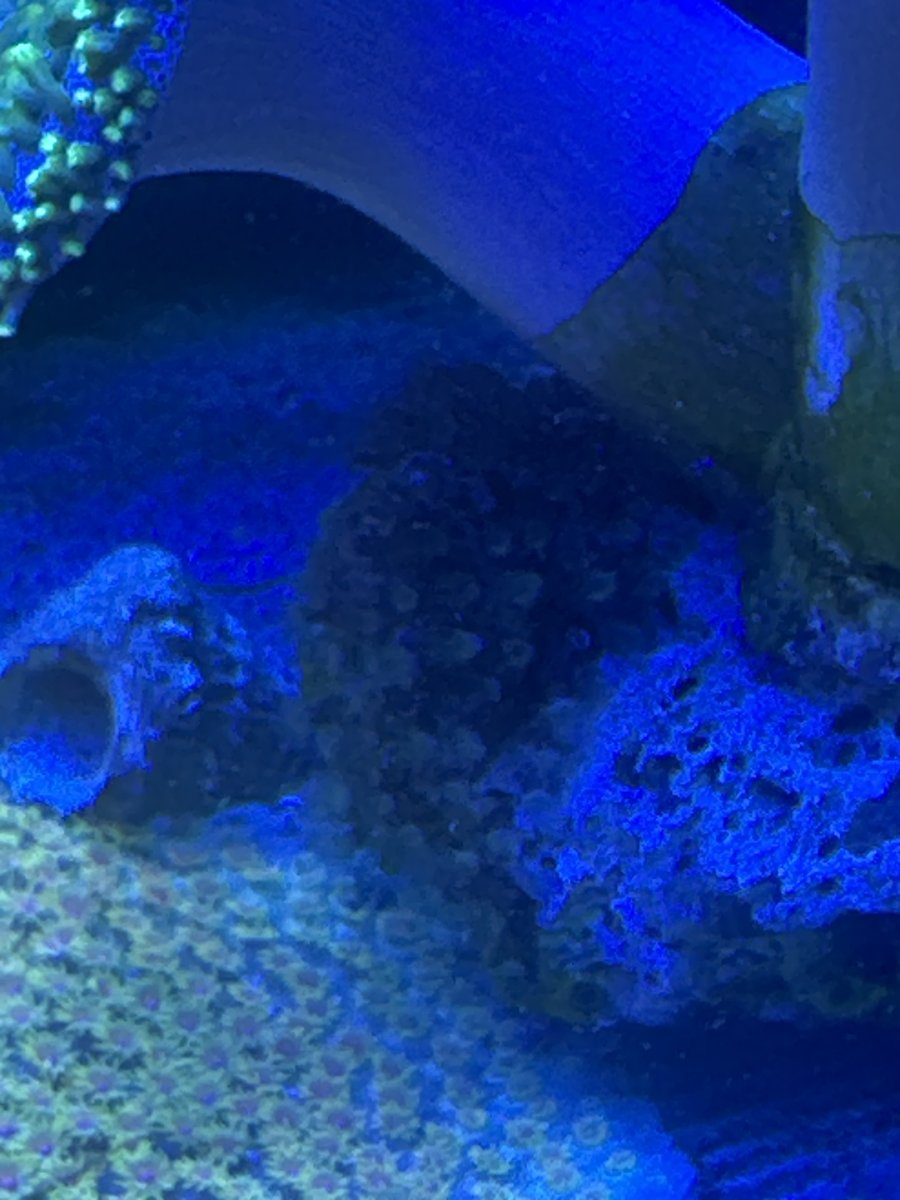
image.jpg
image.jpg
 

shakacuz

hang loose, cuz
View Badges
Joined
Aug 7, 2021
Messages
11,550
Reaction score
42,279
Location
Eastern PA
Rating - 100%
6   0   0
very difficult to confirm the ID due to the blue light. can you take another two pictures with white light instead?

also, do you dose any amino acids or sorts, or coral foods like benepets, reef chili, reef roids, etc? this feeds the hydroids if it is truly what you have.
 

Kirin

New Member
View Badges
Joined
Aug 29, 2022
Messages
3
Reaction score
3
Location
21122
Rating - 0%
0   0   0
Yes those are colonial hydroids, I have them as well. They only corals I have that they bother are my zoas. Acros, monti, and palys don't care. I've only had luck with manual removal using a sharp pointed set of metal tweezers. I've read that a longspine urchin will eat them, but my tank is too small for one, so I've not tried that.
 

ISpeakForTheSeas

7500 Club Member
View Badges
Joined
Nov 22, 2021
Messages
9,362
Reaction score
10,745
Location
United States
Rating - 0%
0   0   0
No personal experience with removal, but this is what I've heard on removing them (keep in mind there a lot of different species of hydroids, and some may respond to one treatment while another may not):
I've heard smothering the hydroids with kalk paste may work, but here are some other threads with suggestions that might be helpful:
Edit: A relevant link in post 7 of the link above:
 

ISpeakForTheSeas

7500 Club Member
View Badges
Joined
Nov 22, 2021
Messages
9,362
Reaction score
10,745
Location
United States
Rating - 0%
0   0   0
See if the pics in the links below are a match - if they are, you likely have jellyfish polyps:
Or jellyfish polyps, yeah - the clearest examples I know at the moment:
Edit: Just to add, these may not be tubes at all in a traditional sense - it may just be the hydroid's flesh.
 
OP
OP
N

NY_Sea

Active Member
View Badges
Joined
Jun 2, 2008
Messages
491
Reaction score
300
Location
New York
Rating - 0%
0   0   0
I am still not sure what I have. Can anyone positively identify?

Found this article that may be a good source for others who have actual hydroids !!


tll88

New Member
View Badges
Joined
Sep 16, 2024
Messages
16
Reaction score
9
Location
england
Rating - 0%
0   0   0
Think I have the same. Only just started to grow heads on the left hand side. No coral as recently changed over to a new tank about 5months ago.
Rock can be removed would it best to cut it off and then bleach for a short time? Another one growing on a old piece of rock but not as big?
 

Attachments

  • IMG_7322.jpeg
    IMG_7322.jpeg
    186.9 KB · Views: 76

I3rendangalloway

New Member
View Badges
Joined
Oct 14, 2016
Messages
20
Reaction score
13
Rating - 0%
0   0   0
I've had luck with pygmy angels, both the atlantic and the flameback. Found once they were removed, the hydroids would return. Ended up going with a aptasia eating filefish - knocked them out within 3months. Also managed to eat my blue green sympodium but the issue was resolved. Once the filefish was removed, they came back.
 

Tripod1404

Active Member
View Badges
Joined
Jan 31, 2024
Messages
218
Reaction score
234
Location
wI
Rating - 0%
0   0   0
I wonder if there is a species of nudibranch that eats them. There is almost always a nudibranch species that is specialized to eat a specific type of benthic invertebrate.
 

TOP 10 Trending Threads

WHAT AMOUNT OF LIVE ROCK AND SAND SHOULD BE PRIORITIZED FOR OPTIMAL BIODIVERSITY/FILTRATION?

  • 100% live rock + bagged sand

    Votes: 37 27.6%
  • 100% dry rock + 100% live sand

    Votes: 45 33.6%
  • 50/50 live/dry rock, 50/50 live/bagged sand

    Votes: 30 22.4%
  • 75% live rock, 25% live sand

    Votes: 12 9.0%
  • 25% live rock, 75% live sand

    Votes: 10 7.5%
Back
Top