Follow along with the video below to see how to install our site as a web app on your home screen.
Note: This feature may not be available in some browsers.
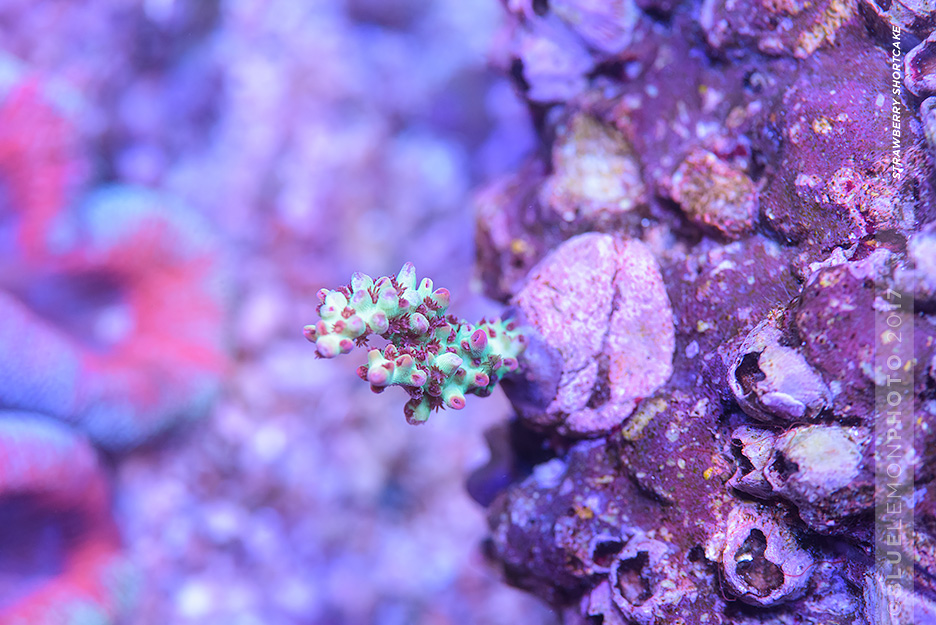
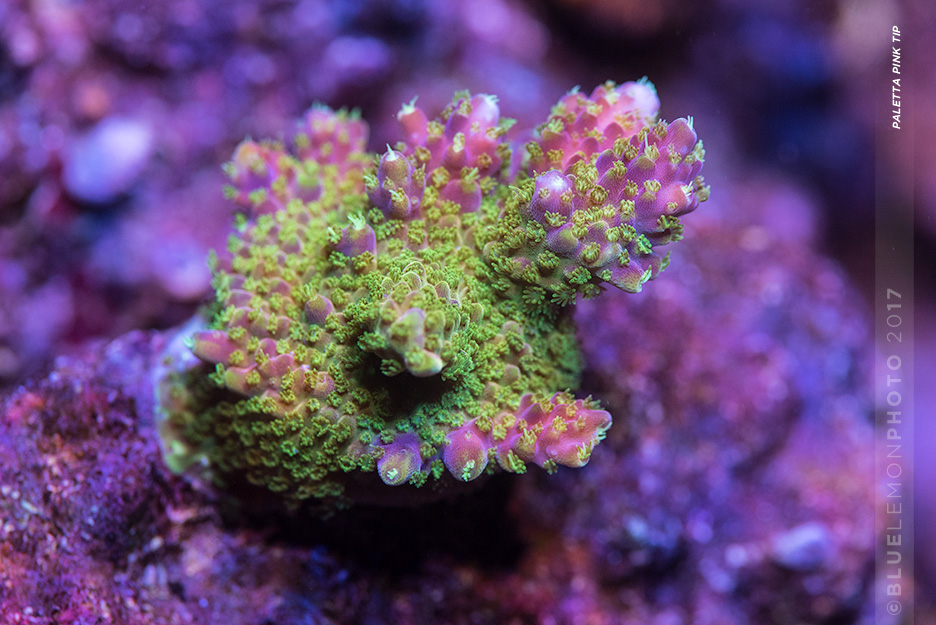
Here's some more coral...
![]()
![]()
![]()
![]()
![]()
![]()
![]()
![]()
![]()
Thank you.Beautiful shots as always. Is it strictly flow that causes that great polyp extension or are there other factors at play?
Thanks! You can vote for that one in this month's Photo of the Month contest. ;)Nice as always, that nem pic is stunning! :)
No, unfortunately not.Dennis are you coming to MACNA next week?
Still dosing until I purchase a CaRx. I prefer the reactor because it automatically doses alk and calc in equal amounts and provides other minor trace elements as well.Dennis, are you still using a doser or switched to a reactor yet?
i am sure you have answered this in the past - but any chance you can give reasons for your preference on both please.
Yep. It needs mag so little that its not worth it to me to try to randomly add mag media to the reactor and hope I added the correct amount.but what about mag? do you dose it separately?
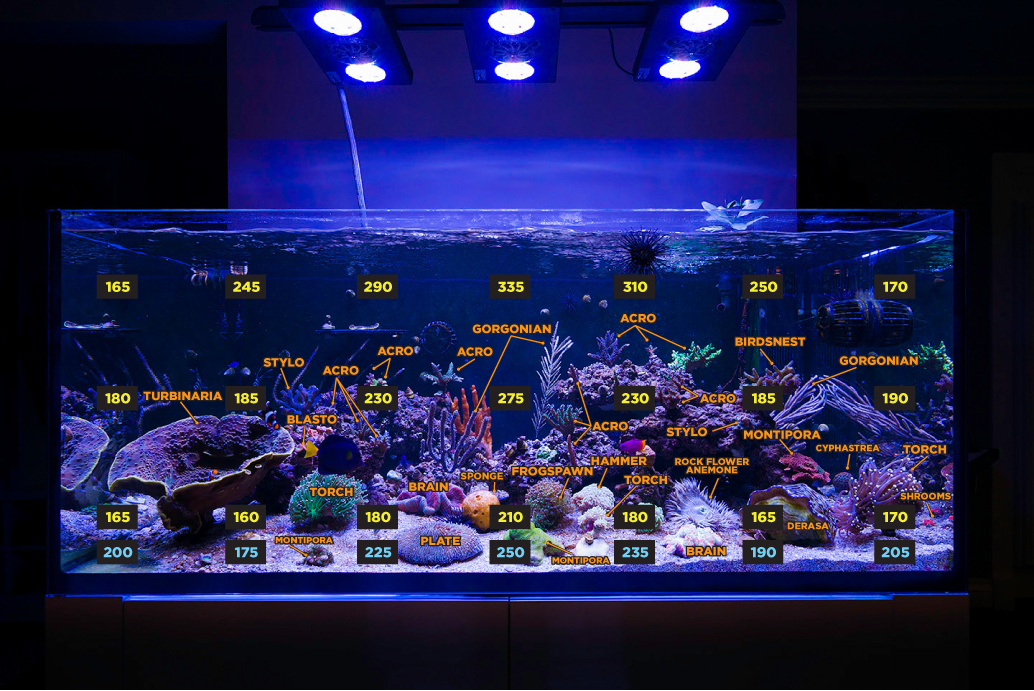
I put this graphic together for Ecotech's Coral Lab program.
PAR numbers along with general coral ID's.
The yellow numbers are generally in the middle of the tank from top to bottom and the row of blue are bottom close to the front glass.
![]()
BTW, the wide angle lens causes the illusion that the lights are close together.
In reality they are more evenly spread across the length of the tank. ;)
They are mounted 17" off the surface of the water and here they were running at 75% power, using the Coral Lab AB+ program.

I'm currently experimenting with running them at a lower power due to having a relatively low nutrient tank.