Difficult and Special Care Invertebrate List

  • Thread starter Thread starter Ike
  • Start date Start date
  • Tagged users Tagged users None
I feel like the shamefaced crab should be on this list. Cause There isn't too much know about them, in comparison to other inverts. A lot of the information about them contradicts itself.
 
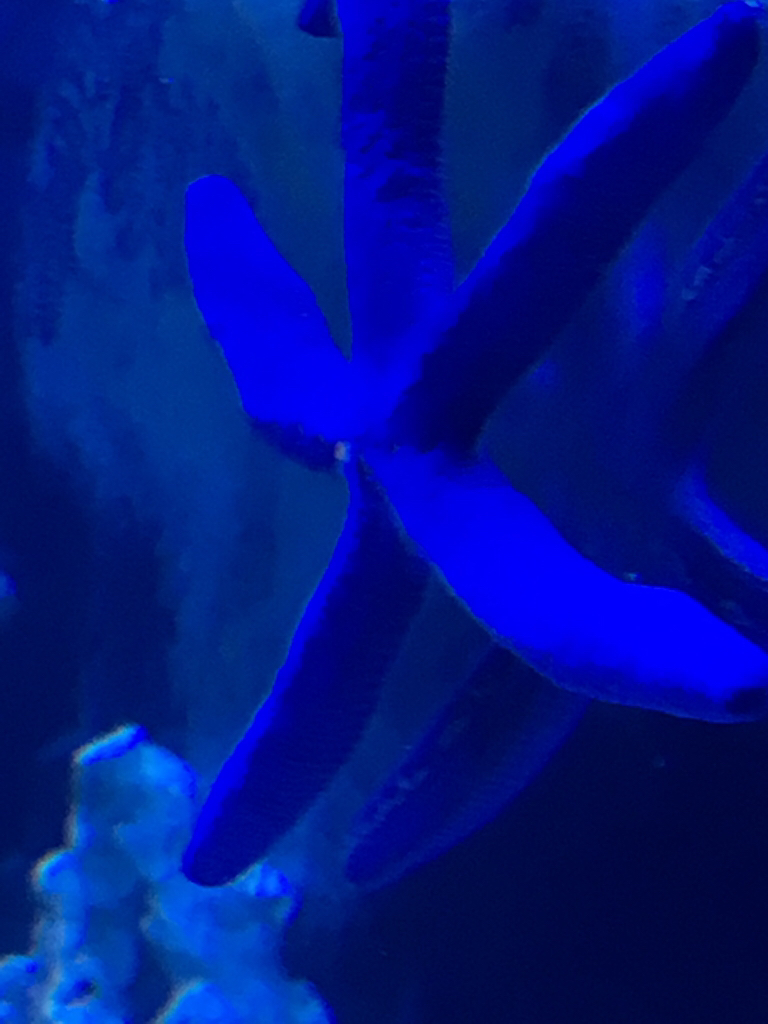
So I added a blue linckia star fish 2 weeks ago:
1st week it went hiding, I almost though it perished.
2nd week he started coming out and sticking to the glass walls apparently eating the algae film...
Now past 3 days it is stuck to one spot opposite high flow and hasn't moved.
I think something is going on.
I feel it has shrunken a little.
On the back of the body I see some 'guts' coming out.....
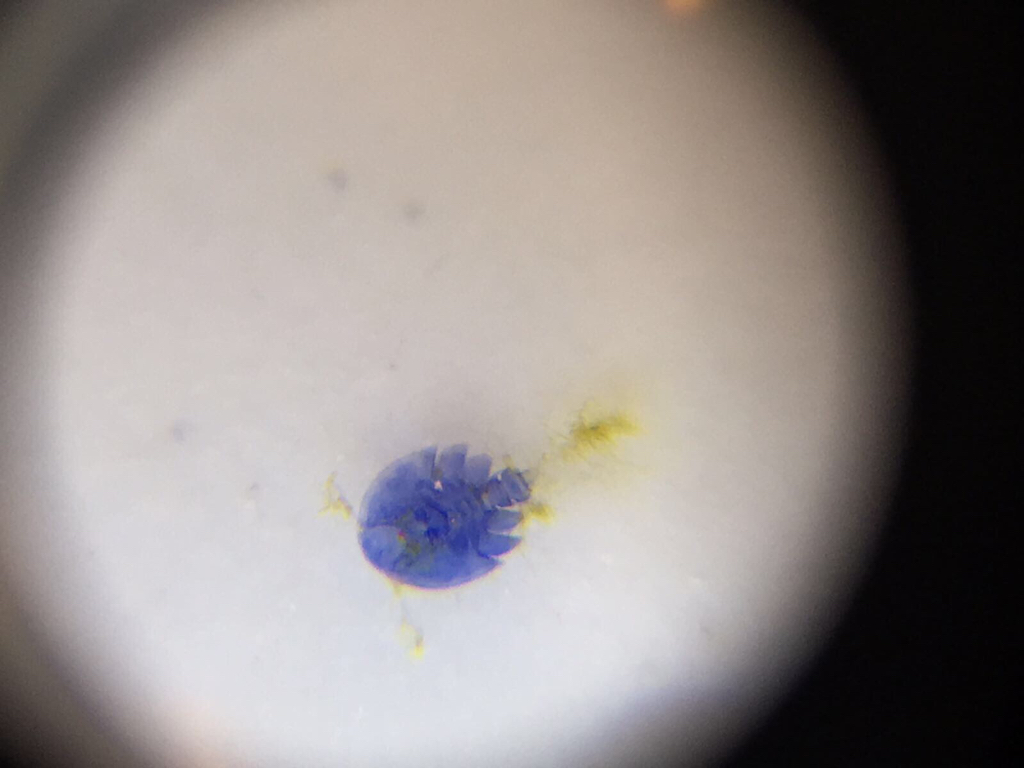
And today I noticed multiple 4-6 small tiny sub millimeter 'pest' blue in color attached to the hands of the starfish. I do now know what parasite it is.
See pics below... tried to magnify it with iPhone. So please bear with me.
What do you guys think is going on?
26321b4fbc6df542c1f0fb59a6154a8d.jpg
d0a573ad5c99527059c747f418268d04.jpg

Thanks!
 
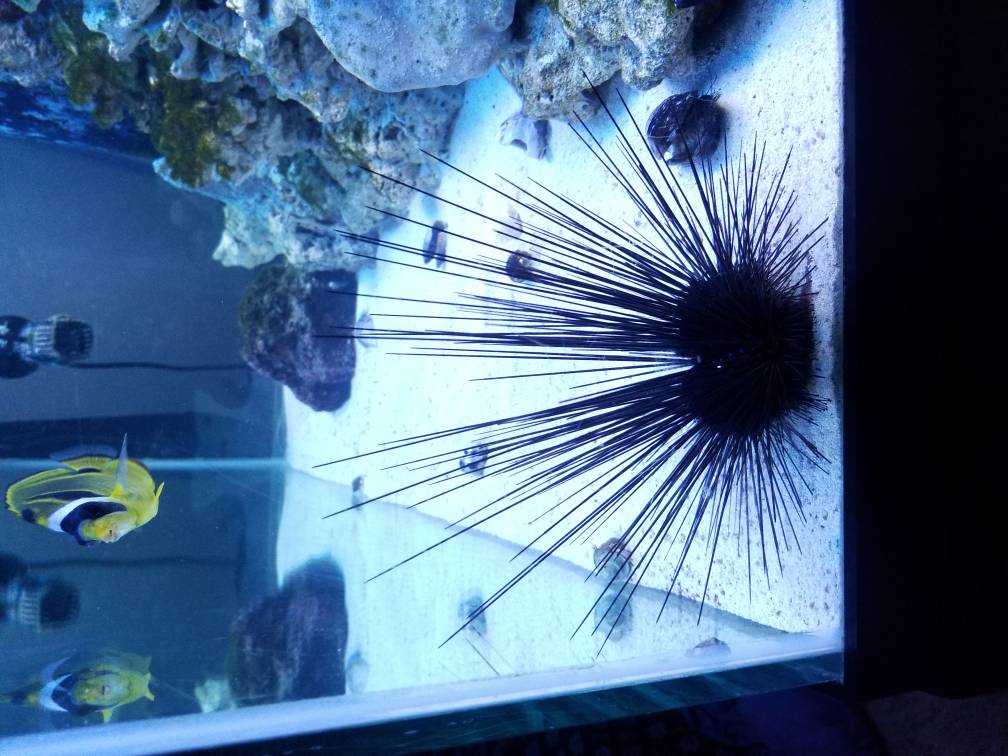
I have a very large black longspine diadema setosum urchin in my 80g and do not have any problems. I worry a little about my sea hare falling onto him. They also maneuver around each other perfectly. To my knowledge, the spines have no toxin or so little that it doesn't affect a human.

About the spines, the spines are extremely brittle and break easily from livestock, equipment, or from the urchin moving around. After breaking, the end is blunt and would require a lot if force to penetrate one's skin. I've hit my hand and arms on the spines many times decently hard and never got an injury. However, when they're growing, the end is obviously sharp. Then you have to be careful. You can see how sharp they are in person pretty apparently. My judgement is that in an aquarium, the spines should be a much more forgiving problem then if in the ocean, where the spines are able to get super long and sharp.
ce6d448e20c9dc6a7e81afb57a33fd8a.jpg
 
m
Inverts and Corals Best Avoided Or Left To Experts:


Cephalopods, Octopi, Cuttlefish, Squid (Class Cephalopoda): These must have species tanks and require a lot of research before attempting them

Non-photosynyhetic Corals and Gorgonids (Sun polyps, Carnation, Devils Hand, Chili Coral, etc.): If it's a soft coral and not green or brown in part and is very vividly colored odds are it's non-photosynthetic and requires more small particles of food than most aquarists are willing or able to provide.

Christmas Tree Worms (Spirobranchus spp.): Filters feeders that rarely live long in home aquaria

Coco Worms (Protula bispiralis): See above

Flowerpot Coral (Goniopora spp.): Some progress has been made, but still miserably low survival rates and mopst are still doomed, stokesi is the most common and seems to be among the most difficult in the genus

Feather Starfish (Himerometra sp.): Require huge amounts of flow and large amounts of tiny planktonic organisms

Basket Starfish (Astrophyton muricatum): Similar to feather stars above, but even less suitable for typical aquarium life

Crown of Thorns Starfish (Acanthaster planci): Just seeing if you're still paying attention...

Linckia Starfish (Linckia spp.): Disease issues and shipping stress kill a large percentage, the ones that remain often slowly starve to death

Wild Acropora Corals (Acropora spp.): Wild colonies can be particularly adapted to flow and light from their natural environment and often do poorly once in aquaria, seek out hardier aquacultured specimens

Sea Apples (Pseudocolochirus spp.): Often slowly waste away if not offered large amounts of food appropriate for filter feeders, also a chance for toxins to be released and possibly kill other organisms

Margarita Snails (Margarites pupillus): From temperate waters and don't seem to adapt to warmer waters as well as some other clean up crew members from similar waters

Green Brittle Starfish (Ophioarachna incrassata): Can get large and boisterous, some reports of them actually ambushing unsuspecting or sleeping fish

Sea Pens (Order Pennatulacea): Terrible additions to home aquaria and are very short-lived

Sea Slugs and Nudibranchs (Subclass Opisthobranchia): Very specialized feeders, a couple can be useful to elimate pests but it is very difficult to sustain a food source for even those, they're also very prone to damage by overflows and pumps

Flame Scallop (Lima scabra): Filter feeders that usually waste away in home aquaria, the same goes for other scallops which are less frequently encountered in the trade

Anemones (various genera): Most anemones should be placed in specialty tanks and also have very poor survival rates, beginners should not attempt Anemones without extensive research
Bright Yellow Anemones (dyed; and done most commonly with Sebae, but also seen on occasion with long tentacle and carpet anemones

Harlequin/Clown Shrimp (Hymenocera picta): Must have live starfish to feed on to survive

Camel/Mechanical Shrimp (Rhynchocinetes durbanensis): Not reef safe but often sold as as such

Elegance Coral (Catalaphyllia jardinei): Recent poor survival possibly due to a disease, other factors might relate to them coming from higher nutrient environments

Pipe Organ Coral (Tubipora Musica): Often hacked off from a larger colony, recent survival seems better than in the past

"Decorative" Sponges (Porifera) Often hacked off from large colonies, also exposed to air for too long which often leads to their demise, bright orange and yellow colors are common

Horseshoe Crab (various genera Limulus polyphemus most common) Grow too large for home aquaria but will die of starvation long before they have the chance


Venomous and/or Toxic Species:


Blue Ring Octopus (Hapalochlaena spp.)

Flower Urchins (Toxopneustes pileolus): Rare in the trade, but outside the trade there are reported deaths from this species

Black Longspined Sea Urchins (Diadema spp.): Can inflict painful wounds, some debate exists whether or not they are really venomous, but it's wise to handle all urchins with care

Cone Shells (Conus spp.): Rarely encountered in the aquarium trade, can be deadly

Box Jellyfish (Chironex fleckeri): Quite deadly but of no concern to aquarists

Hell's Fire Anemone (family Actinodendronidae): While all anemones are capable of stinging, this is the one of the few to be concerned about, very painful stings

Hydroids: Usually just cause skin irritation if anything

Fire Coral (Millepora spp.): See hydroids

Sea Mat, Button Polyps, Zoanthids (family Zoanthidae): Some of these can contain Palytoxin which can be quite dangerous, they're quite frequently harmless but if you want to err on the side of caution rubber gloves are a good idea when handling them, as are goggles when fragging them

my lfs actually carries cone shells. their tank has got a bunch of signs saying DANGER THIS ANIMAL CAN KILL and the tank itself is blocked off with a piece of wood. will NOT be buying him
 
So I added a blue linckia star fish 2 weeks ago:
1st week it went hiding, I almost though it perished.
2nd week he started coming out and sticking to the glass walls apparently eating the algae film...
Now past 3 days it is stuck to one spot opposite high flow and hasn't moved.
I think something is going on.
I feel it has shrunken a little.
On the back of the body I see some 'guts' coming out.....
And today I noticed multiple 4-6 small tiny sub millimeter 'pest' blue in color attached to the hands of the starfish. I do now know what parasite it is.
See pics below... tried to magnify it with iPhone. So please bear with me.
What do you guys think is going on?
26321b4fbc6df542c1f0fb59a6154a8d.jpg
d0a573ad5c99527059c747f418268d04.jpg

Thanks!
It seems to be the copepod described here, could just be a commensal.
 

Attachments

  • 8797B9CD-2BC5-4EAC-A955-6A067B0CC0FB.jpeg
    8797B9CD-2BC5-4EAC-A955-6A067B0CC0FB.jpeg
    140 KB · Views: 159
I know this is a rather dead thread but has there been any success with a sea pen? If so what is the key? I’ve recently been looking at these animals for my Red Sea Max Nano and figured since I plan for a clam eventually I could also try a sea pen? Also are there any other Indonesian inverts that appear on this list that people have had success with?
 
I'm not expert, and I know this thread is kinda old and most likely has some outdated information, but there are some animals on this list I don't understand the reason they are placed there:
Non-photosynyhetic Corals and Gorgonids (Sun polyps, Carnation, Devils Hand, Chili Coral, etc.): If it's a soft coral and not green or brown in part and is very vividly colored odds are it's non-photosynthetic and requires more small particles of food than most aquarists are willing or able to provide.
Aren't devils hand corals are photosynthetic?
Also what about pink/purple leather corals?
Coco Worms (Protula bispiralis): See above
Aren't these just feather duster worms? Do they also have poor survival rates?
Anemones (various genera): Most anemones should be placed in specialty tanks and also have very poor survival rates, beginners should not attempt Anemones without extensive research
Bubble tips are a notable exception.
Harlequin/Clown Shrimp (Hymenocera picta): Must have live starfish to feed on to survive
Would having a refugium/sump to keep asterina stars mostly eliminate the difficulty of providing these shrimp with sustainable food?
 
I read somewhere that Christmas tree worms burrow into coral, has anyone tried that to keep them?
I’ve had a couple hitch hike in on coral, however they’ve only been porites.
I’ve looked into if they can and it seems like they are able to hitchhike and live on other animals, including Giant Clams (Tridacna species). But it seems specific species prefer different host species.
 
I’ve had a couple hitch hike in on coral, however they’ve only been porites.
I’ve looked into if they can and it seems like they are able to hitchhike and live on other animals, including Giant Clams (Tridacna species). But it seems specific species prefer different host species.
Interesting
 
Black Longspined Sea Urchins (Diadema spp.): Can inflict painful wounds, some debate exists whether or not they are really venomous, but it's wise to handle all urchins with care
These guys are 100% venomous!!

They can’t stab you; you stab yourself on them by moving to fast…

I had one years ago, and once stabbed my ring finger tip on it… (catching a toppling rock)

The subsequent 30-45 minutes were spent holding that finger under running water and inventing new profanities…. Then, came time to dig out the broken fragments of spine…

— I don’t recommend them for this, and other reasons… but if you do get/have one, just remember to always move slowly inside your tank, and be conscious of its location while you work!
 
What corals did you have and how much were you feeding?

Maybe they had so much to eat they didn't need to prey on the corals?
I keep zoas, palys, a gorgonian, a goniopora, mushrooms, xenias, a kenya tree and leather corals. I make sure to leave about 2 pinches of fish food here and there in the tank every 2-3 days. Once my kenya tree and the gorgonian had a stinging war, both were severely injured. The gorgonian had 3 of its branches/sticks die. But, I failed to see two of it and only removed one. Once i noticed it, i felt lazy to cut it off and thought i would do it the next day. Then, at night, i saw the camel shrimp eating the dead parts. The next day, the gorgonian opened back up like nothing ever happenned and all the dead parts were gone. In fact, i think the shrimp helped the gorgonian with its recovery.
 
Would having a refugium/sump to keep asterina stars mostly eliminate the difficulty of providing these shrimp with sustainable food?


Never. Harlequin shrimp need such a significant quantity of asterina starfish to be sustainable they go through them too fast.

I ran out of a population of 300 in less than a month.
 
These guys are 100% venomous!!

They can’t stab you; you stab yourself on them by moving to fast…

I had one years ago, and once stabbed my ring finger tip on it… (catching a toppling rock)

The subsequent 30-45 minutes were spent holding that finger under running water and inventing new profanities…. Then, came time to dig out the broken fragments of spine…

— I don’t recommend them for this, and other reasons… but if you do get/have one, just remember to always move slowly inside your tank, and be conscious of its location while you work!

New profanities rotfl! Sorry that just caught my eye haha 😅 I can bet that was hell though! Were you able to get it all out? This is why I’d never keep one! They’re so cool to watch (especially when they’re close to the glass and you can see all those moving parts on its body!) but not worth me risking my hands in my tank or worrying about it getting too big!
 
Were you able to get it all out?
Yup, though I had to cut out spine fragments with a razor…

They’re so cool to watch (especially when they’re close to the glass and you can see all those moving parts on its body!)
Agreed! They’ll actually eat nori straight from your fingers, though this isn’t something I’d recommend, in hindsight!!

worrying about it getting too big!

This is a valid concern! They grow pretty quick, mine got to at least 10” diameter!
 

TOP 10 Trending Threads

WHEN NUISANCE ALGAE OR CYANO FIRST APPEARS, WHAT DO YOU DO FIRST?

  • Manually remove it and observe

    Votes: 11 23.9%
  • Retest nutrients and other parameters

    Votes: 10 21.7%
  • Adjust flow or lighting

    Votes: 1 2.2%
  • Reduce or change feeding

    Votes: 0 0.0%
  • Add or strengthen the cleanup crew

    Votes: 6 13.0%
  • Improve filtration or nutrient export

    Votes: 2 4.3%
  • Use a targeted treatment

    Votes: 0 0.0%
  • Wait and let the tank find its balance

    Votes: 13 28.3%
  • Phone a friend...

    Votes: 0 0.0%
  • It depends (explain in the comments)

    Votes: 3 6.5%
Back
Top
Home
Post thread…
Market
What's new