




Hello everyone,
Although I have been looking around R2R a lot, this is my first post here so let me know if doing something wrong...
First of all I have not set up any aquarium by myself before, however have gotten to see and help with quite a few setups as my dad had multiple saltwater and freshwater tanks when I was younger and have some knowledge of the basics. This is my first rough plan and I'm very welcome to tips and changes :)
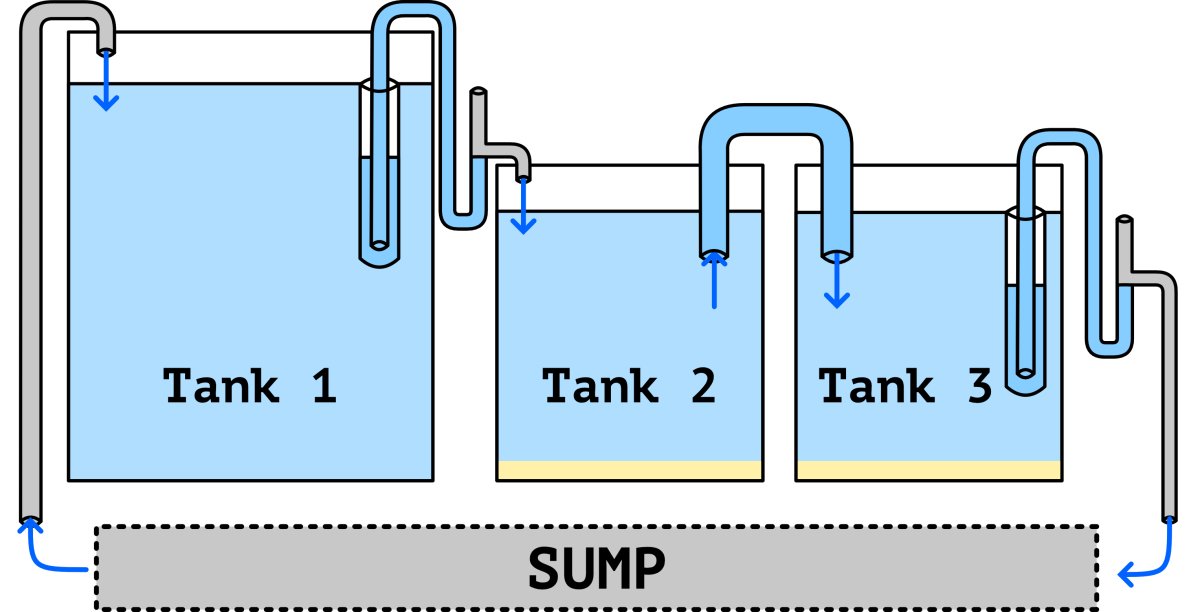
As the title states, I am planning to set up multiple saltwater tanks. My plan is to have them "cascade" and then get filtered by a very DIY sump. The setup is solely for keeping a few cone snails (the toxic kind) and 2-3 large sea urchins as part of my research project, so looks and silence of the setup are very much secondary. I have a large ~50 liter (14 ga) tank for the sea urchins and multiple ~20 liter (5-6 ga) tanks for the cone snails. I am currently planning to use two of the smaller tanks to keep certain snails apart, but with my plan that would hopefully be quite easy to adapt later on. Apart from a sandy bottom and a few small rocks for the cone snails there is nothing else planed to be put into the tank.
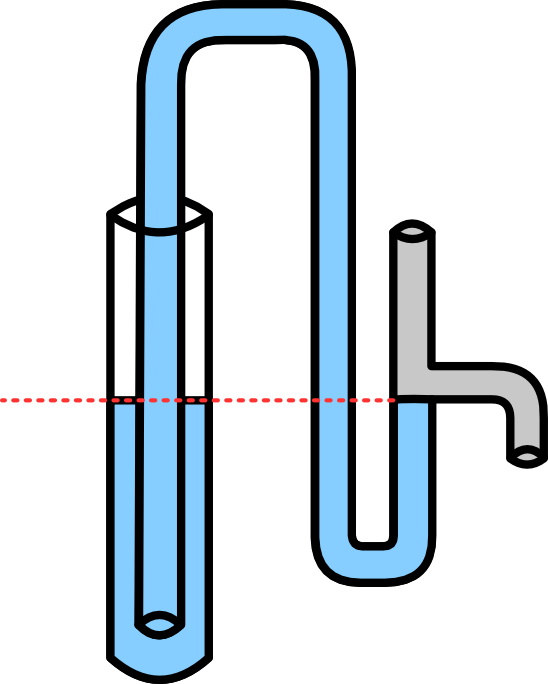
I want to avoid cutting the glass as these tanks might be used for something else. So, with optics not being important, the solution would be a simple siphon setup using PVC as done many times before.
The water would flow from one tank into the next and in the end flow through a sump before returning. With the few animals I'm expecting a rather low bioload but I want to reduce the number of water changes I will need to make if possible.
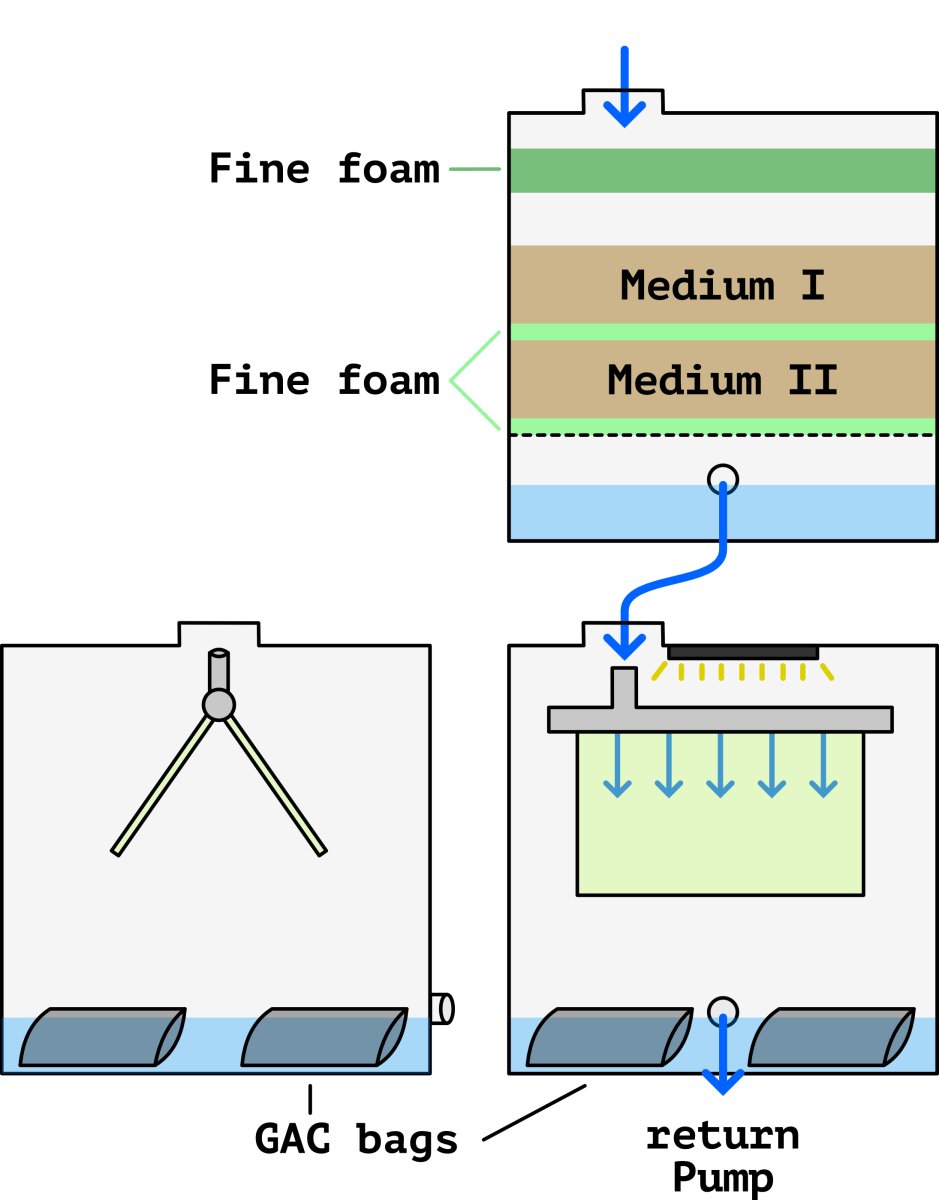
For the sump I have the Idea to use left over 20 liter (5.5 ga) containers. They have a large opening on the top and a small threaded output near the bottom. Additionally they are shaped to be stacked, so I want to stack two (or three if necessary) to avoid a large footprint and tank costs. the containers will obviously be thoroughly cleaned before usage


Based on some research I'm currently looking at setting up a rough mechanical filtration using a Foam followed by one or two layers of medium stacked between finer foam layers. the output of this would then go to the next container where it would flow over a simple algae turf scrubber before collecting with some GAC bags and getting pumped back into the tanks. Due to the low bioload and lack of corals I think I don't need a protein skimmer.
The containers have some dead volume below the outflow, giving debris the chance to collect and not getting into the next container / tanks. I'm not sure if this is an additional "filtration" or issue as debris might elevate certain chemical levels (nitrates etc.).
The additional benefit of such a modular design would be the easy way of taking everything out and giving it a good rinse when needed. I would have to vut the canisters open anyway to put stuff inside.
let me know what you think and what I might need to change, or if this is a totally stupid idea to begin with.
Any advice is very much appreciated
Although I have been looking around R2R a lot, this is my first post here so let me know if doing something wrong...
First of all I have not set up any aquarium by myself before, however have gotten to see and help with quite a few setups as my dad had multiple saltwater and freshwater tanks when I was younger and have some knowledge of the basics. This is my first rough plan and I'm very welcome to tips and changes :)
As the title states, I am planning to set up multiple saltwater tanks. My plan is to have them "cascade" and then get filtered by a very DIY sump. The setup is solely for keeping a few cone snails (the toxic kind) and 2-3 large sea urchins as part of my research project, so looks and silence of the setup are very much secondary. I have a large ~50 liter (14 ga) tank for the sea urchins and multiple ~20 liter (5-6 ga) tanks for the cone snails. I am currently planning to use two of the smaller tanks to keep certain snails apart, but with my plan that would hopefully be quite easy to adapt later on. Apart from a sandy bottom and a few small rocks for the cone snails there is nothing else planed to be put into the tank.
I want to avoid cutting the glass as these tanks might be used for something else. So, with optics not being important, the solution would be a simple siphon setup using PVC as done many times before.
The water would flow from one tank into the next and in the end flow through a sump before returning. With the few animals I'm expecting a rather low bioload but I want to reduce the number of water changes I will need to make if possible.
For the sump I have the Idea to use left over 20 liter (5.5 ga) containers. They have a large opening on the top and a small threaded output near the bottom. Additionally they are shaped to be stacked, so I want to stack two (or three if necessary) to avoid a large footprint and tank costs. the containers will obviously be thoroughly cleaned before usage
Based on some research I'm currently looking at setting up a rough mechanical filtration using a Foam followed by one or two layers of medium stacked between finer foam layers. the output of this would then go to the next container where it would flow over a simple algae turf scrubber before collecting with some GAC bags and getting pumped back into the tanks. Due to the low bioload and lack of corals I think I don't need a protein skimmer.
The containers have some dead volume below the outflow, giving debris the chance to collect and not getting into the next container / tanks. I'm not sure if this is an additional "filtration" or issue as debris might elevate certain chemical levels (nitrates etc.).
The additional benefit of such a modular design would be the easy way of taking everything out and giving it a good rinse when needed. I would have to vut the canisters open anyway to put stuff inside.
let me know what you think and what I might need to change, or if this is a totally stupid idea to begin with.
Any advice is very much appreciated













