Elegance coral question

  • Thread starter Thread starter Brad Shook
  • Start date Start date
  • Tagged users Tagged users None
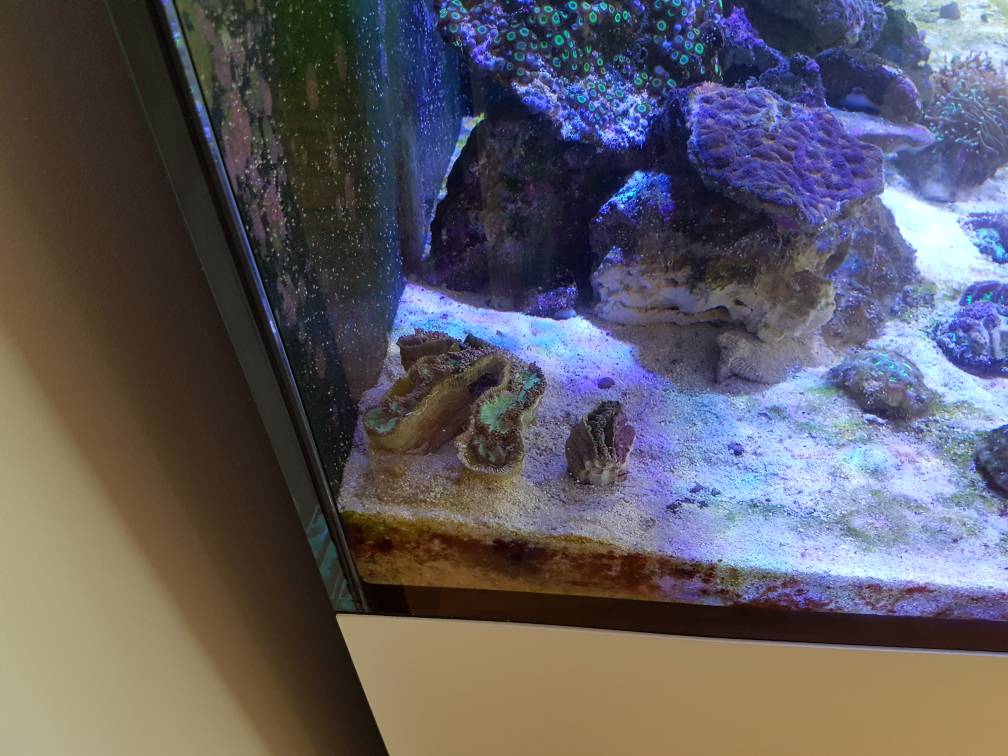
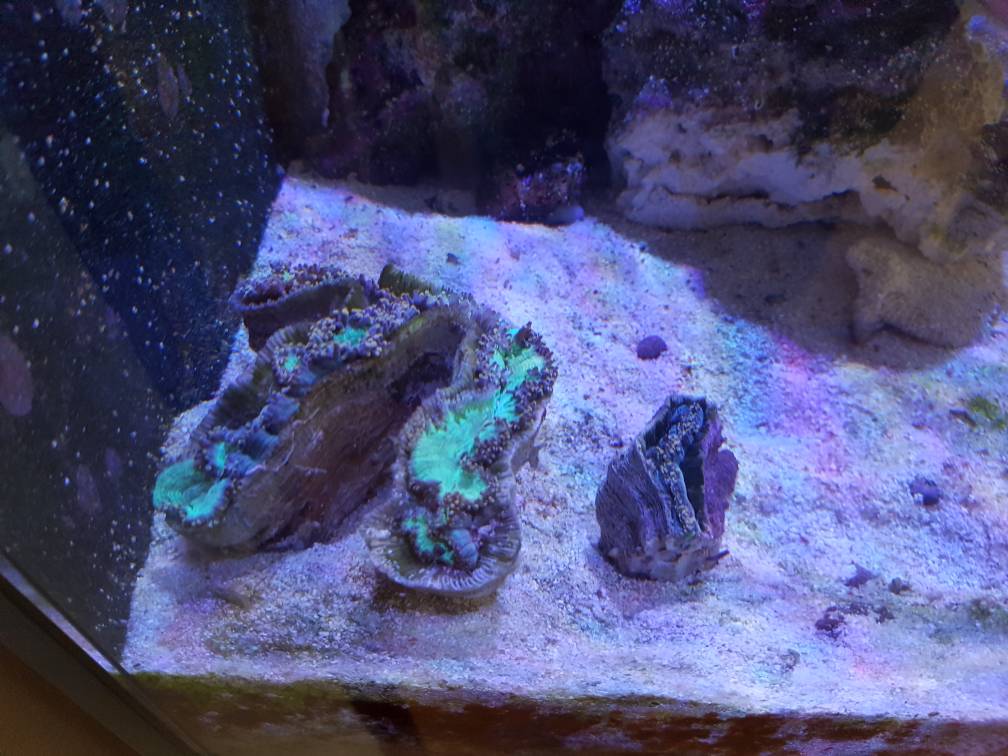
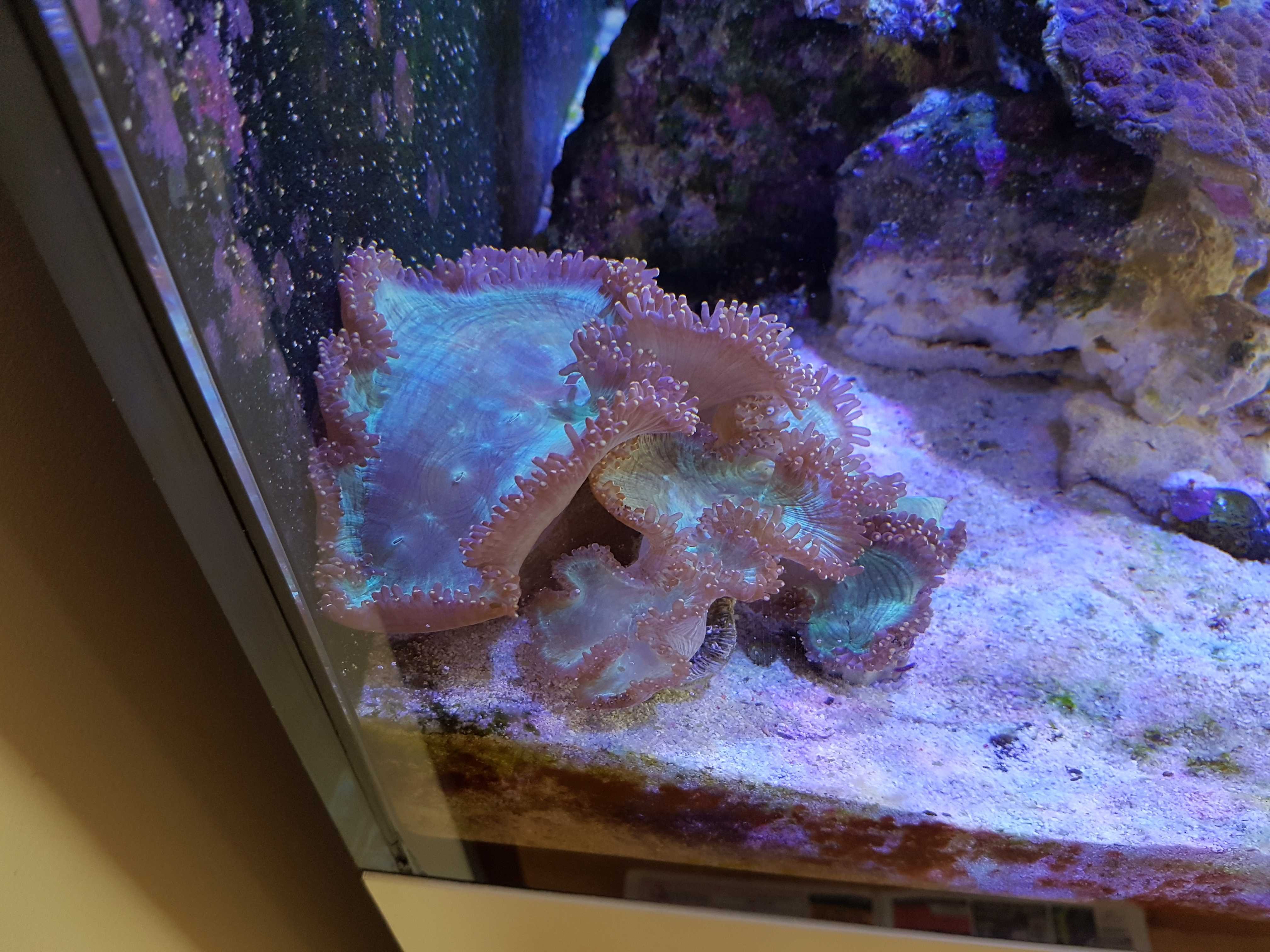
Thanks for the info guys. It is still looking the same. But alive.

 
IMG_1260.JPG
IMG_1250.JPG
Could be feeding or expelling waste
I have 5 in my tank that all look like that from time to time
They are open and happy in a few days
These 4 sulked for quit a few days after fragging one large overgrown one we had for a couple of years
What do you suggest I do to save this Elegance?
d0b28c9e5bffc344ad359a1fba043195.jpg
 
I'm going to advise you to scroll up this thread. You will find a post from Lesley. It appears from that post that this member at least has some experience with fragmenting elegance corals. I think you should get their advice on how to remove the dead and dying parts and then work with the healthier parts to try to save what you can. Sorry I can't help more
 
IMG_1260.JPG
IMG_1250.JPG
Could be feeding or expelling waste
I have 5 in my tank that all look like that from time to time
They are open and happy in a few days
These 4 sulked for quit a few days after fragging one large overgrown one we had for a couple of years
I want 1
 
What do you suggest I do to save this Elegance?
d0b28c9e5bffc344ad359a1fba043195.jpg

I would suggest fragging
You need a bone cutter for the skeleton and a sharp scalpel for the flesh
You don't want to tear the flesh , it needs to be a clean slice
I would find the closest mouths to the dead area and cut as close to them
As possible with the blade , removing the biggest rotting amount possible
Then dremmel or bone cut through the skeleton
I think it's your only option unfortunately
 
Well it's done. The "disease" was more widespread than I thought.

LESSON 1. Act quickly when you see something regressing.

The Dremel is critical for this work. And so is a hammer and chisel! Dremel to cut a crack line for the chisel on thick corals.

LESSON 2. Keep the coral wet while you use the Dremel. The smell of burning coral reminds me of a bad day at the dentists!

I've followed Reefgrrls YouTube advice to shade the recovering frags.
 
Well it's done. The "disease" was more widespread than I thought.

LESSON 1. Act quickly when you see something regressing.

The Dremel is critical for this work. And so is a hammer and chisel! Dremel to cut a crack line for the chisel on thick corals.

LESSON 2. Keep the coral wet while you use the Dremel. The smell of burning coral reminds me of a bad day at the dentists!

I've followed Reefgrrls YouTube advice to shade the recovering frags.
Photos
df6970d499ff0344fa70515bf0330d4f.jpg
3248c8e6b426c7fb93652272b73ae6c7.jpg
 
I've got Coral Rx on hand. Should I clean the wound with a solution of it?
We didn't dip ours felt it may be stressful
On a sort of "open "
Wound
Maybe watch & dip if needed
It will already be very stressed
 
Too late I'm afraid. I dipped them straight after cutting thinking that would stop any further bacterial infection. The bottle says it "helps" against it. LUGOLS iodine is suggested other times but I didn't have any and haven't seen any around town.

I have some hope the larger frag will survive but the smaller one looks a bit more stressed.

I'll document progress for the common good.
 

IF YOU HAD TO OPERATE EVERYTHING ELSE MANUALLY, WHICH AUTOMATED SYSTEM WOULD YOU KEEP?

  • Auto top-off

    Votes: 51 58.0%
  • Automated dosing

    Votes: 6 6.8%
  • Mechanical filtration / roller filter

    Votes: 4 4.5%
  • Automated water testing

    Votes: 3 3.4%
  • Automatic feeding

    Votes: 1 1.1%
  • Lighting schedule

    Votes: 15 17.0%
  • Controller and remote monitoring

    Votes: 3 3.4%
  • Leak detection and emergency shutoff

    Votes: 1 1.1%
  • Automatic water changes

    Votes: 3 3.4%
  • None. I prefer to operate everything manually

    Votes: 0 0.0%
  • Something else (explain in the comments)

    Votes: 1 1.1%
Back
Top
Home
Post thread…
Market
What's new