I think I’ll never stop finding something new

TeeSquared1214

Active Member
View Badges
Joined
Jul 11, 2024
Messages
280
Reaction score
161
Location
San Antonio
Rating - 0%
0   0   0
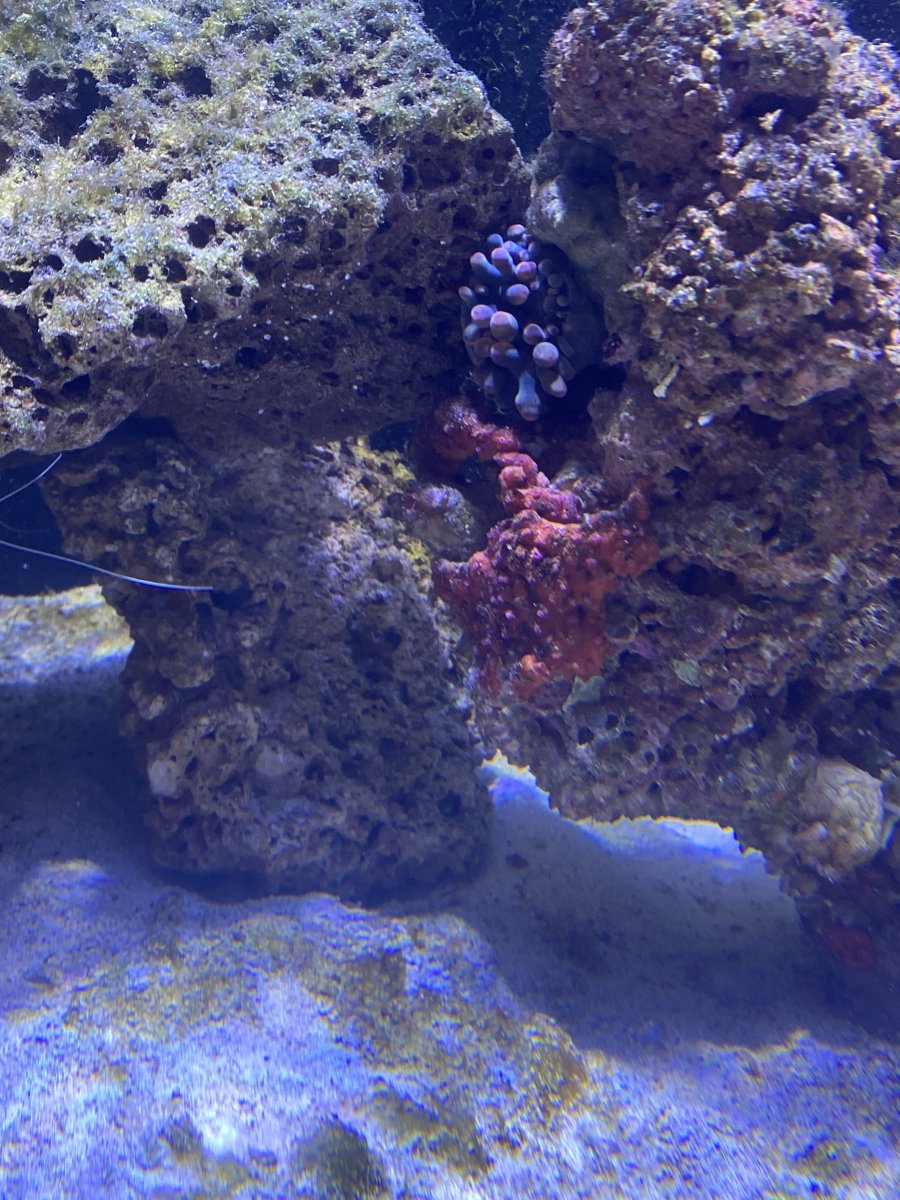
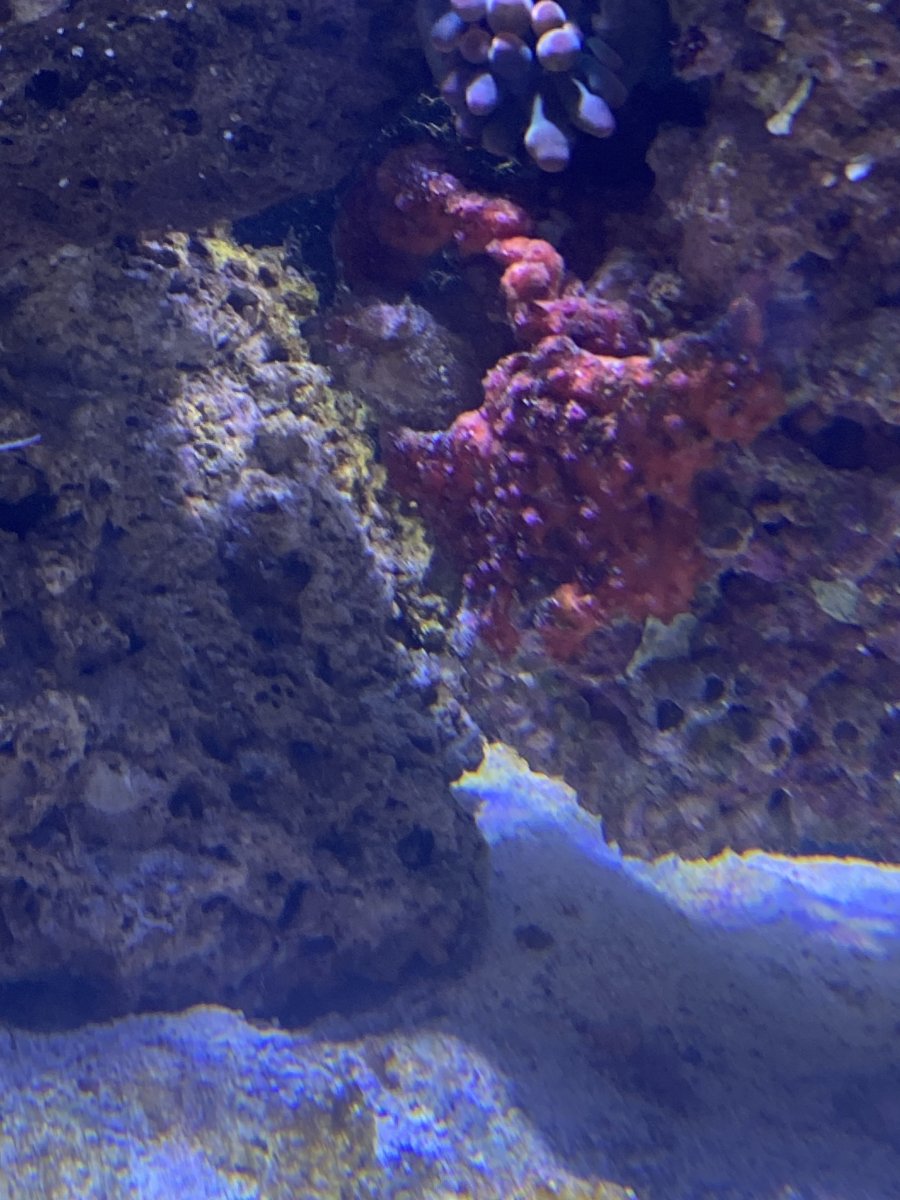
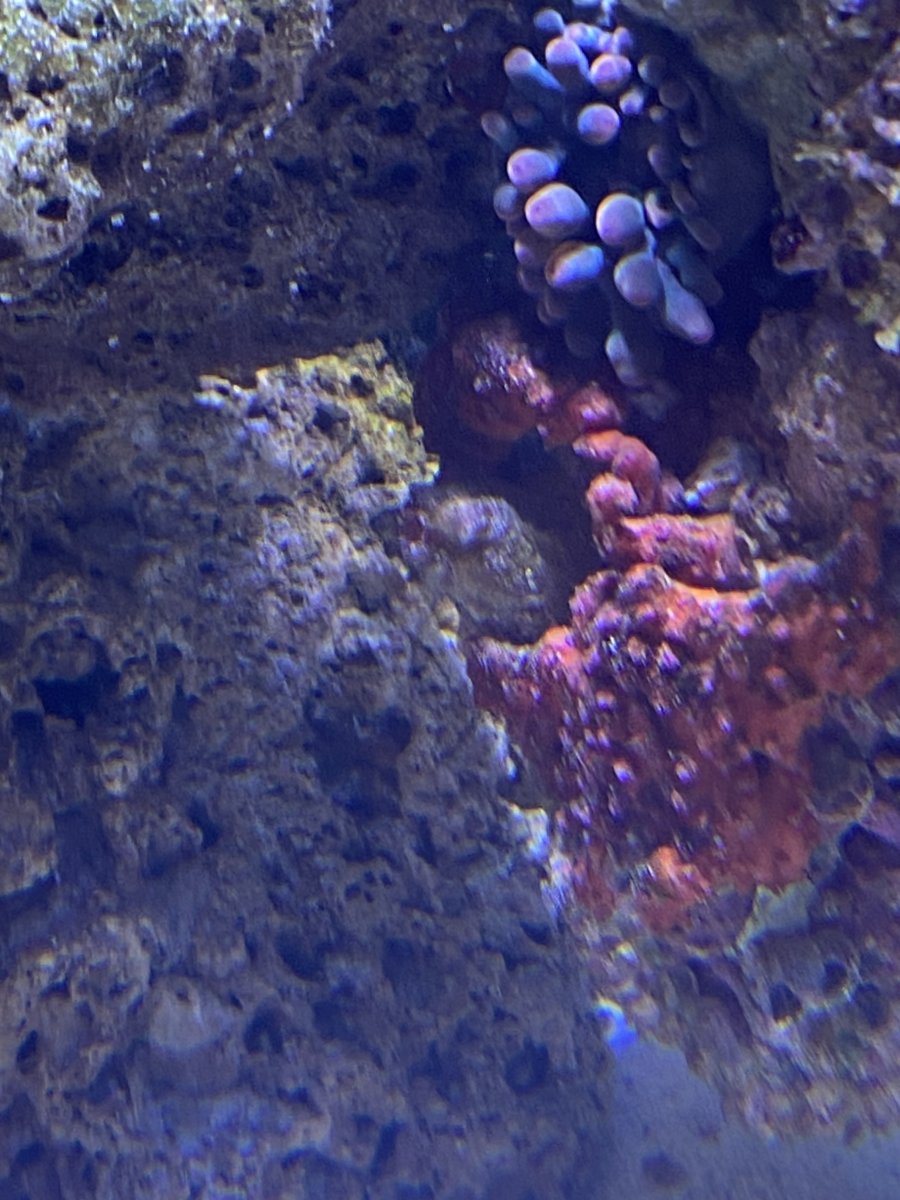
Anyone able to ID these? First is a fleshy like lump with a red mouth like feature attached to my live rock, idk if it’s always been there but as some of my sea squirts fell off from pesky crabs is when I’ve noticed it. Bellow the bubble tip nem surrounded by the red.
IMG_5306.jpeg

IMG_5303.jpeg

IMG_5302.jpeg


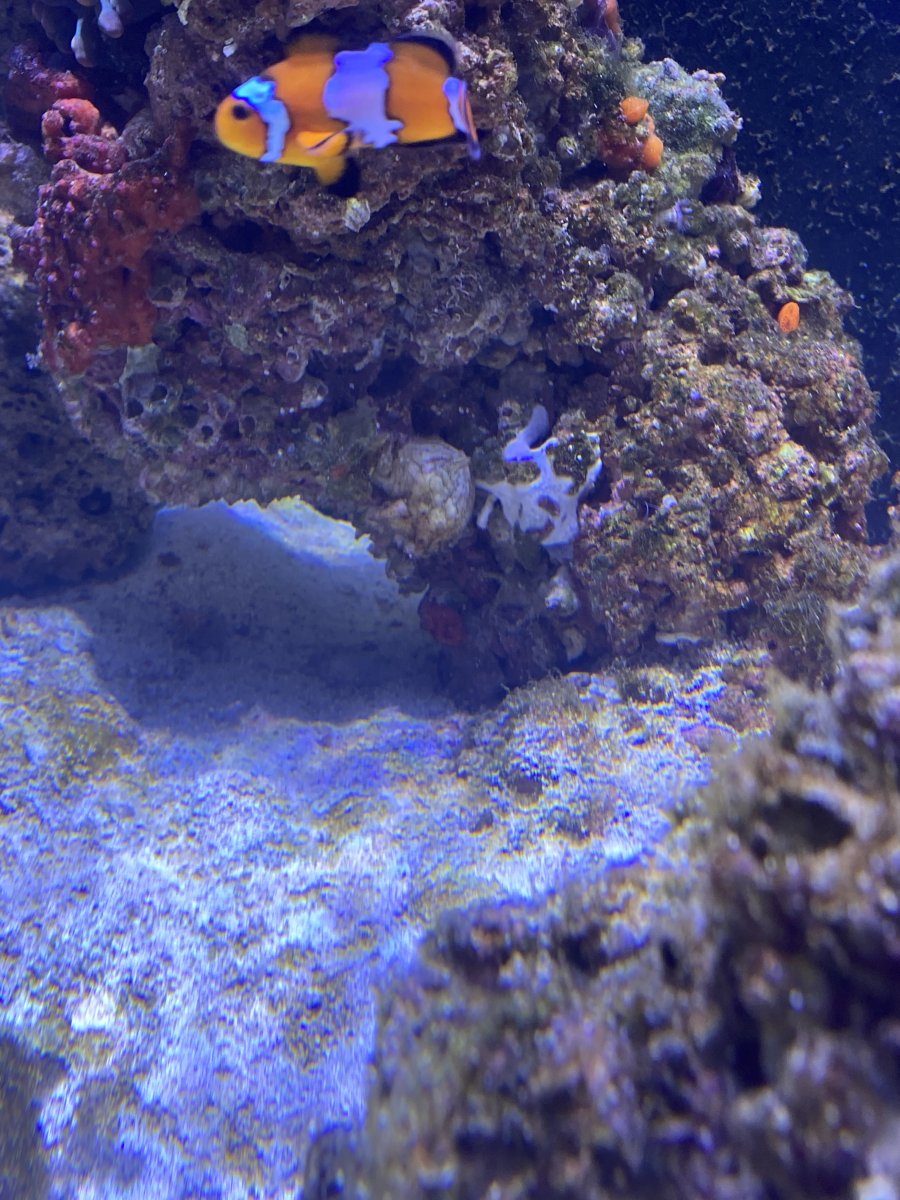
I’m unsure about this one, but it seems to be growing in size and forming sharper edged features. That or I’m just imagining this.
IMG_5304.jpeg

To the left of the white sponge.
 

Gumbies R Us

God, Bouldering, and Reefing
View Badges
Joined
Nov 10, 2022
Messages
28,985
Reaction score
51,395
Location
North Georgia
Rating - 0%
0   0   0

ISpeakForTheSeas

7500 Club Member
View Badges
Joined
Nov 22, 2021
Messages
9,362
Reaction score
10,745
Location
United States
Rating - 0%
0   0   0
These both seem to be tunicates (sea squirts) - the first one seems to be solitary, and I would guess the second is as well, but I can't tell for sure from the pics.

Solitary tunicates are harmless filter-feeders; colonial tunicates can sometimes be invasive to the point of being harmful, though, so I typically recommending containing those on a rock separate from the rest of the rockwork where you can easily control the spread.
 

TOP 10 Trending Threads

WHAT AMOUNT OF LIVE ROCK AND SAND SHOULD BE PRIORITIZED FOR OPTIMAL BIODIVERSITY/FILTRATION?

  • 100% live rock + bagged sand

    Votes: 38 26.6%
  • 100% dry rock + 100% live sand

    Votes: 48 33.6%
  • 50/50 live/dry rock, 50/50 live/bagged sand

    Votes: 32 22.4%
  • 75% live rock, 25% live sand

    Votes: 15 10.5%
  • 25% live rock, 75% live sand

    Votes: 10 7.0%
Back
Top