

Ivermectin was a SUCCESS!

33AP

Community Member
View Badges
Joined
Apr 18, 2025
Messages
28
Reaction score
11
Location
13721 Richmond Hwy Unit 76 woodbridge Va 22191
Rating - 0%
0   0   0
Hello everyone I am making this post in hopes that it reaches someone who is facing an infestation with BORING SPIONID WORMS that are drilled into your coral’s skeleton causing coral issues like I was. I bought my first torch coral about 3 weeks ago and she was flourishing.
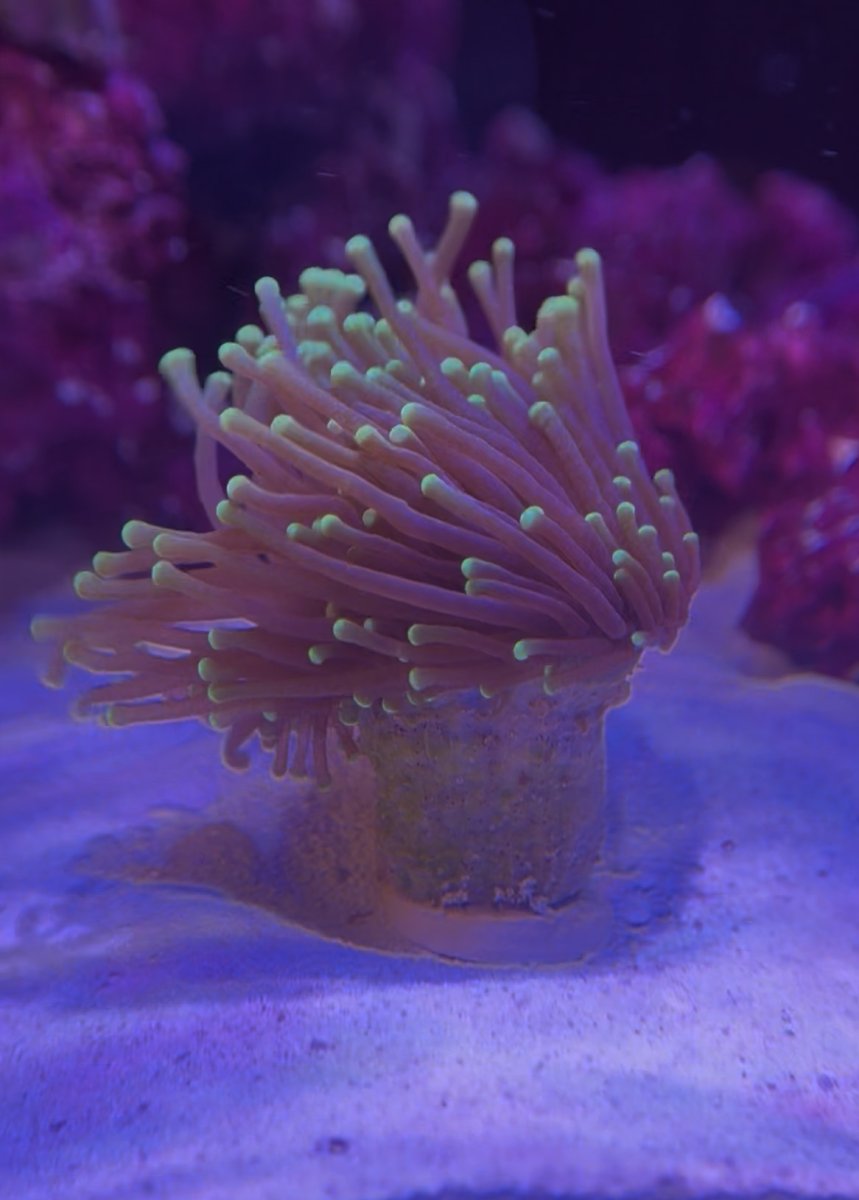
IMG_4605.jpeg

Fast forward to about 1 week ago and I started to notice the torch was shriveling up and I became worried thinking about parameters but i took a closer look at my coral. Look at the picture, she was all shriveled up and had all these “hairs” coming out the skeleton side. When i would reach the hairs (worms) with tweezers they would rush into the coral’s skeleton only to appear again shortly after.
4693A186-8A72-4DB8-BFA8-BC7BA1ACE9CB.jpeg


I began to do my research and found out about boring spionid worms and how disastrous they can be towards our reef tanks. I did a lot of reading and seen fellow reefers treat with Ivermectin 1% solution. I decided to give it a go very nervous about killing my invertebrates. This is the ivermectin I bought. Picked it up on person at a farmer's store called Tractor Supply Co.
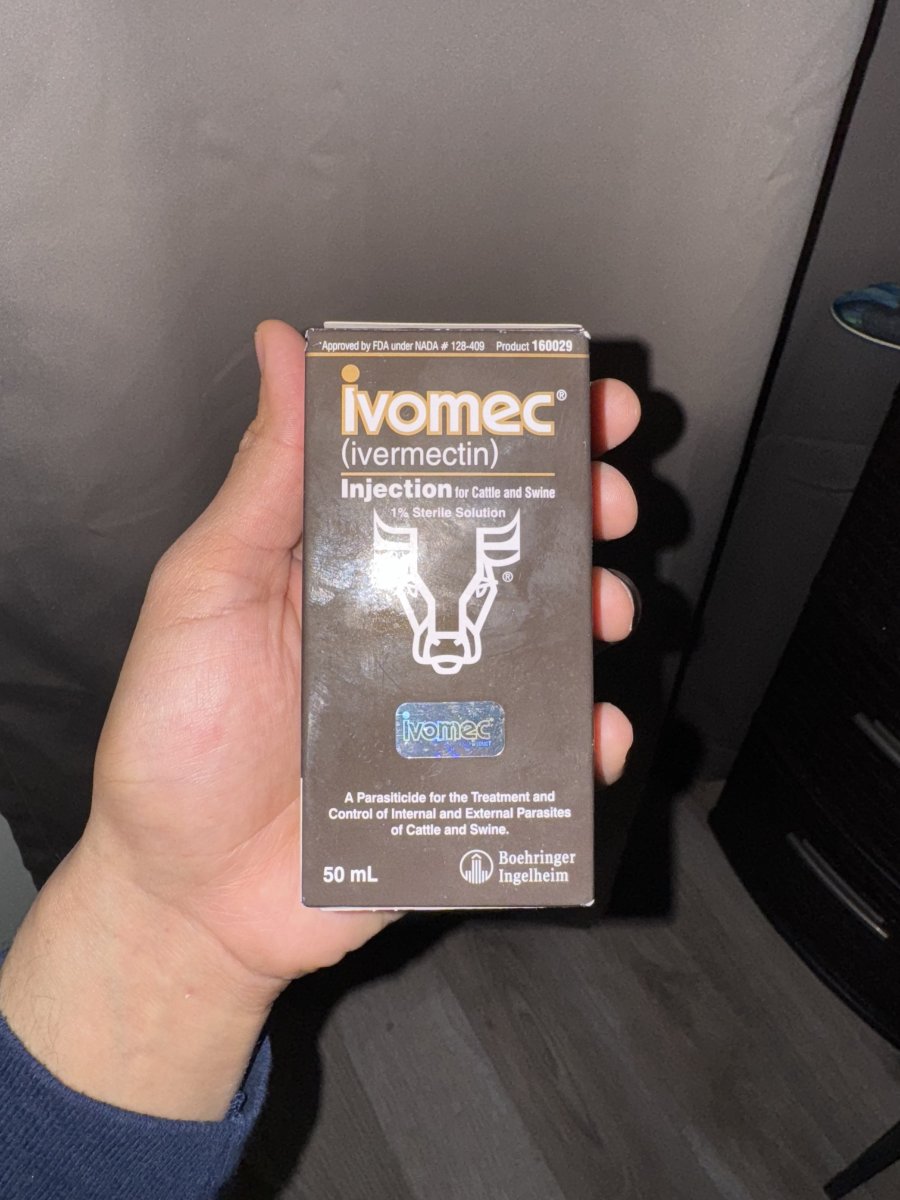
IMG_4598.jpeg


TREATMENT!!!!!!

I decided to dip my coral. I DID NOT treat my tank. I dipped my coral and this is how. I grabbed an empty clear cut in half gallon of water, i took 6 cups of tank water and put them in the empty half gallon. I then used 1ml of Ivermectin solution and added straight into 6 cups of water, gave it a little whirl and i dumped my torch in there for about 50 minutes. I have to say, based on treatment protocols from others, my solution was pretty strong. I could see the little worms dying out within 5-10 minutes. After the dip, the only thing i did was i very slowly with the help of my brother had him dump one whole gallon of RODI water over the course of 10 minutes to completely try and wash off the solution from the torch. I used an old toothbrush to brush around the corals skeleton and i could see the hundreds of empty holes that the worms left on the torch’s skeleton. I did not quarantine the torch since i don’t have a coral QT. I washed it off and dumped it back into the display. I was so worried about my hermits and snails. This was the torch straight after washing it with RODI water and straight to the tank NO QT.
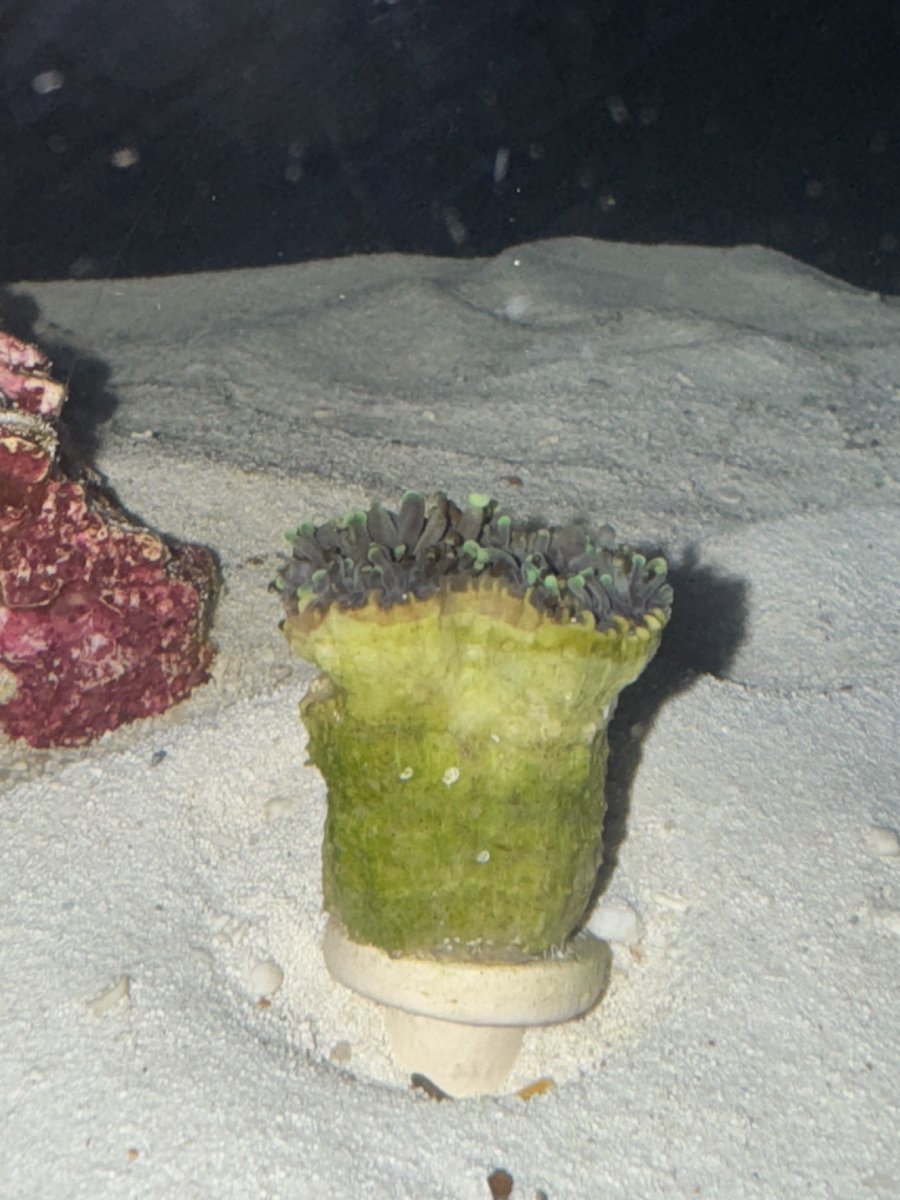
IMG_4569.jpeg


This is the coral today, 1 hour ago. Starting to look fuller everyday after treatment. I can still see the holes that the worms left in her skeleton but with time i’m hopeful they will close. It has been over 48 hours and all my inverts are still alive. Seems like thoroughly washing your corals should get rid of all or most of the Ivermectin. I will continue to post pics of the coral in this thread throughout the next several days so you all can see progress.
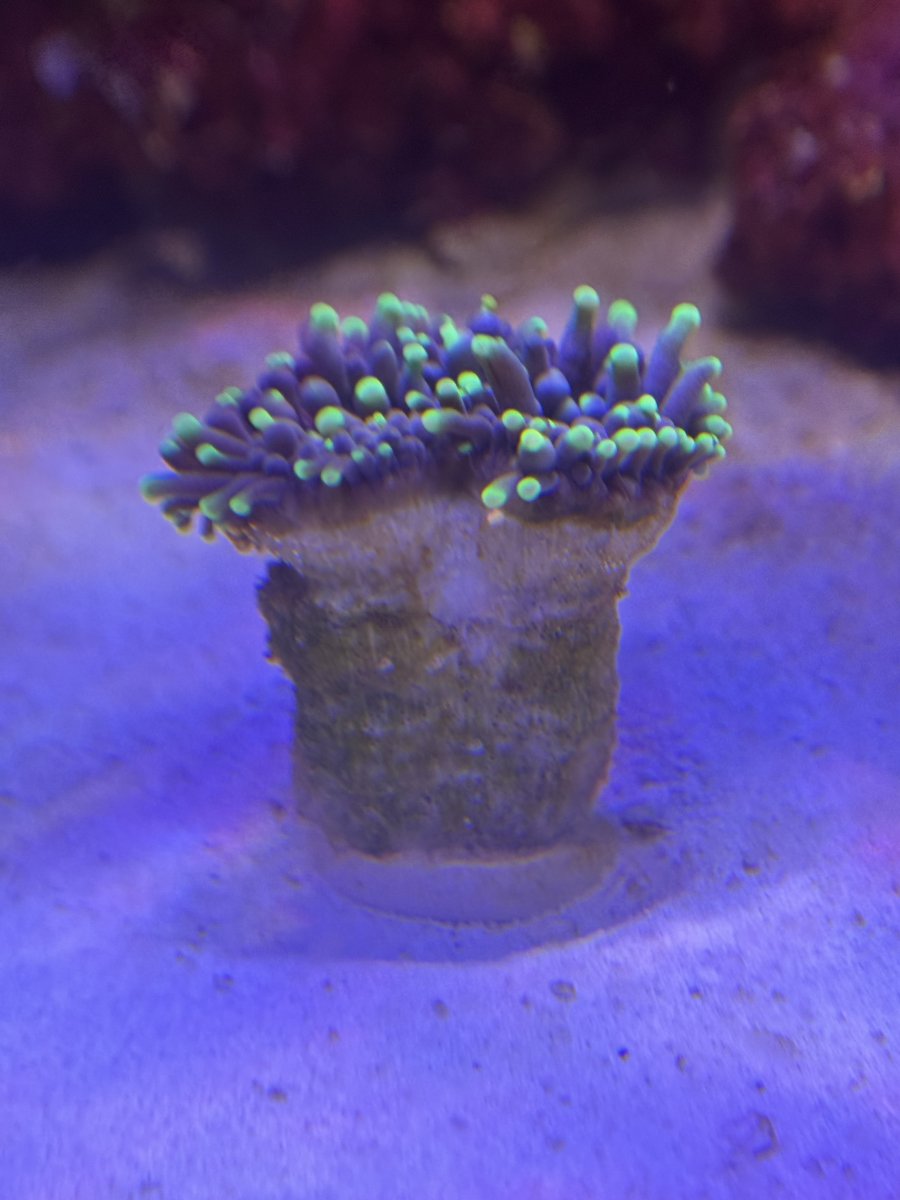
IMG_4595.jpeg


Please ask me any questions! I want to help anyone with this issue :)
20251018_011733_28157C66-1260-4AB6-9AE1-BF9FE45EFF65.png

20251018_011846_B4A61895-7253-49C9-BE62-C8199347FEEE.png
Is boring Spionid worm what I have? I was told it was hydroids
 
OP
OP
R

Rodolfo Garcia

Active Member
View Badges
Joined
Apr 26, 2017
Messages
196
Reaction score
119
Rating - 0%
0   0   0
Hello everyone I am making this post in hopes that it reaches someone who is facing an infestation with BORING SPIONID WORMS that are drilled into your coral’s skeleton causing coral issues like I was. I bought my first torch coral about 3 weeks ago and she was flourishing.
IMG_4605.jpeg

Fast forward to about 1 week ago and I started to notice the torch was shriveling up and I became worried thinking about parameters but i took a closer look at my coral. Look at the picture, she was all shriveled up and had all these “hairs” coming out the skeleton side. When i would reach the hairs (worms) with tweezers they would rush into the coral’s skeleton only to appear again shortly after.
4693A186-8A72-4DB8-BFA8-BC7BA1ACE9CB.jpeg


I began to do my research and found out about boring spionid worms and how disastrous they can be towards our reef tanks. I did a lot of reading and seen fellow reefers treat with Ivermectin 1% solution. I decided to give it a go very nervous about killing my invertebrates. This is the ivermectin I bought. Picked it up on person at a farmer's store called Tractor Supply Co.
IMG_4598.jpeg


TREATMENT!!!!!!

I decided to dip my coral. I DID NOT treat my tank. I dipped my coral and this is how. I grabbed an empty clear cut in half gallon of water, i took 6 cups of tank water and put them in the empty half gallon. I then used 1ml of Ivermectin solution and added straight into 6 cups of water, gave it a little whirl and i dumped my torch in there for about 50 minutes. I have to say, based on treatment protocols from others, my solution was pretty strong. I could see the little worms dying out within 5-10 minutes. After the dip, the only thing i did was i very slowly with the help of my brother had him dump one whole gallon of RODI water over the course of 10 minutes to completely try and wash off the solution from the torch. I used an old toothbrush to brush around the corals skeleton and i could see the hundreds of empty holes that the worms left on the torch’s skeleton. I did not quarantine the torch since i don’t have a coral QT. I washed it off and dumped it back into the display. I was so worried about my hermits and snails. This was the torch straight after washing it with RODI water and straight to the tank NO QT.
IMG_4569.jpeg


This is the coral today, 1 hour ago. Starting to look fuller everyday after treatment. I can still see the holes that the worms left in her skeleton but with time i’m hopeful they will close. It has been over 48 hours and all my inverts are still alive. Seems like thoroughly washing your corals should get rid of all or most of the Ivermectin. I will continue to post pics of the coral in this thread throughout the next several days so you all can see progress.
IMG_4595.jpeg


Please ask me any questions! I want to help anyone with this issue :)
20251018_011733_28157C66-1260-4AB6-9AE1-BF9FE45EFF65.png

20251018_011846_B4A61895-7253-49C9-BE62-C8199347FEEE.png
Is boring Spionid worm what I have? I was told it was hydroids

These don’t look like the worms i had.
 

Zarekk

Community Member
View Badges
Joined
Jun 15, 2025
Messages
60
Reaction score
24
Location
Albuquerque
Rating - 100%
4   0   0
Im pretty sure these worms like hard areas to make their burrows. They can also burrow in rocks
 

PeterErc

Well-Known Member
View Badges
Joined
Aug 15, 2014
Messages
962
Reaction score
1,555
Location
S Fl.
Rating - 0%
0   0   0
Has anyone every tried Ivermectin with Vermetid's?

Wondering if it would affect them at all.
I tried it, threw a rock loaded with them in a 5 gallon bucket half full.

Dosed ivermectin solution in bucket at dose of what I read at that time.

The dose doesn’t matter because I ended up dosing way more, a lot more, a big squirt from a syringe.

At the low dose all the worms in the rock had died
The vermetid’s were not phased. A few days later the bucket in the garage was rank, the vermetid were hanging out of the shell. When I touched them with a poker they were still moving.

I dumped the bucket and tossed the rock.

Vermetid’s are relentless

I also bleach live rock and let it sit outside for what I recall as being a month. I crushed the shells and some were still alive.

These were the big ones not the little ones
 

JonoH

ɹǝpunʍoᗡ ƃuıɟǝǝᴚ
View Badges
Joined
May 16, 2023
Messages
2,273
Reaction score
4,459
Location
Adelaide, Australia
Rating - 0%
0   0   0
I tried it, threw a rock loaded with them in a 5 gallon bucket half full.

Dosed ivermectin solution in bucket at dose of what I read at that time.

The dose doesn’t matter because I ended up dosing way more, a lot more, a big squirt from a syringe.

At the low dose all the worms in the rock had died
The vermetid’s were not phased. A few days later the bucket in the garage was rank, the vermetid were hanging out of the shell. When I touched them with a poker they were still moving.

I dumped the bucket and tossed the rock.

Vermetid’s are relentless

I also bleach live rock and let it sit outside for what I recall as being a month. I crushed the shells and some were still alive.

These were the big ones not the little ones
Wow!

They dont bother me too much for the most part, i just break off the ones that do!
Amazed at how resilient they are.
 

mcarroll

10K Club member
View Badges
Joined
Jan 8, 2012
Messages
15,213
Reaction score
8,968
Location
Virginia
Rating - 0%
0   0   0
Seems like you guys have invented a new usage for antibiotics! IMO thew worms were not the issue.....I didn't really see anything that connected them to a coral problem.....they seemed like coincidence to me.

I noticed that you apparently had a problem with this coral another time – was it the same coral?

This is a sign of coral stress, but you didn't get any good comments on that thread to help you troubleshoot. Nobody asked for your tank parameters or anything.

Sorry about that! I feel like that's what led you do this "treatment".

Do you test your water? I'd be curious to see what the water is like.

Last, I noticed that your tank appeared to have dino's before....indicating that water quality was really your issue.

The meds were endured succesfully enough by your coral(s), and I'm glad of that, but I wouldn't be willing to say anything was cured in this thread.

 
OP
OP
R

Rodolfo Garcia

Active Member
View Badges
Joined
Apr 26, 2017
Messages
196
Reaction score
119
Rating - 0%
0   0   0
Seems like you guys have invented a new usage for antibiotics! IMO thew worms were not the issue.....I didn't really see anything that connected them to a coral problem.....they seemed like coincidence to me.

I noticed that you apparently had a problem with this coral another time – was it the same coral?

This is a sign of coral stress, but you didn't get any good comments on that thread to help you troubleshoot. Nobody asked for your tank parameters or anything.

Sorry about that! I feel like that's what led you do this "treatment".

Do you test your water? I'd be curious to see what the water is like.

Last, I noticed that your tank appeared to have dino's before....indicating that water quality was really your issue.

The meds were endured succesfully enough by your coral(s), and I'm glad of that, but I wouldn't be willing to say anything was cured in this thread.

Hey thanks for your reply but i must disagree with you. The ivermectin definitely solved my boring worm problem on the torch. To start with the first link that you posted, my torch only “expelled its waste” once and i never seen that before so i decided to ask what it was. After it expelled its waste or whatever it did, it went back to normal like nothing happened almost immediately. I must also add, that the ivermectin treatment was done 2-3 weeks before my torch threw up, so no, that is not what led me to the ivermectin treatment. The second link about possible dinos was never dinos after all and I have the proof to show it. I bought a microscope to investigate and was able to get experienced reefers to look at my pictures and the brown stuff on the sand was in fact diatoms. After getting a reading of zero on the salifert, i opted for a hanna phosphate checker and my readings at that time were actually 0.02 and are currently within parameters. I do test my water regularily and my torch is in excellent health now. You may have your opinion but i actually went through the issue of battling these worms. My torch was slowly dying over a few weeks because of the worms and the only drastic difference i did in regards to helping it, was dipping it in Ivermectin. The next day or two the torch was on its way back to health because the worms weren’t in it. These are the pictures i took of the microscope slides and these are diatoms and not dinos. I never had a dino problem.
20251025_143528_DAA5F8AD-A408-418F-9ACE-10A93CEE3135.png
 

mcarroll

10K Club member
View Badges
Joined
Jan 8, 2012
Messages
15,213
Reaction score
8,968
Location
Virginia
Rating - 0%
0   0   0
Hey thanks for your reply but i must disagree with you. The ivermectin definitely solved my boring worm problem on the torch.
I agree that it killed the worms.

To start with the first link that you posted, my torch only “expelled its waste” once and i never seen that before so i decided to ask what it was. After it expelled its waste or whatever it did, it went back to normal like nothing happened almost immediately. I must also add, that the ivermectin treatment was done 2-3 weeks before my torch threw up, so no, that is not what led me to the ivermectin treatment.
As someone else indicated, what you saw is a stress response...it's trying to adapt to some kind of environmental change or stress by expelling some or all of its dinoflagellates.

Obviously, from what you are saying now, the med was the stress – unless you changed some other things too, maybe lighting or flow, maybe extra water changes? In that case it was "all combined".

The second link about possible dinos was never dinos after all
THAT is good news!

After getting a reading of zero on the salifert, i opted for a hanna phosphate checker and my readings at that time were actually 0.02 and are currently within parameters.
That's fairly darned low* – possibly even zero given the accuracy and precision of PO4 testing even in the Hanna – and effectively low enough to cause an anemic looking frag like he was. They didn't go to "0.00" to produce the effects you see in the article. Check out the picture matrix on that article and compare their Euphillia with your frag.

The folks in the article did this experiment to show the effects of low-PO4 and the direct effects it has on coral cells and their dinoflagellates. You don't have to wonder if the coral was being damaged by worms in the inert skeleton, because at most that was a secondary concern, if it was an actual issue for the coral at all.

BTW, if the coral was being bothered by the worms – which is not a given, they do not generally cause problems; healthy corals grow around or over them – then it's because the coral was anemic/unhealthy. (Again, see link for the mechanism.)

Broadcast feeding also favors filter feeders like your boring worms (and vermitid snails, etc) over corals....something else to consider in case you feed that way.

Regardless, I'm glad things sound like they've turned around!

* ≥ 0.10 ppm would be a better minimum for PO4, especially in a newer tank; can be less important if a tank gets a chance to mature.
 

Freenow54

5000 Club Member
View Badges
Joined
Mar 5, 2021
Messages
6,576
Reaction score
5,096
Location
Ontario Canada
Rating - 0%
0   0   0
So ive bought coral infested with vermentids. It was a 5 headed hammer. What i did was took a scraper (blade) and basically scraped off the snails from the base (skeleton) of the hammer. Then dipped in a coral dip.. i made sure to scrape till i get to the actual snails at the very base of their tube-like shell. Youll see them. They look like little black worms inside… after i made sure there was no snails left i dipped in coral dip. Rinse. Then into the quarantine.. 2 weeks in an still no snails present.
If you posted a picture I did not see it. Am very interested Thanks
 

DexterKarin

Active Member
View Badges
Joined
Nov 12, 2023
Messages
226
Reaction score
175
Location
Truckee, CA 96162, USA
Rating - 0%
0   0   0
Okay so I did it. Yesterday I dipped 3 corals in ivermectin. I used a 1% liquid solution that I got at Tractor Supply. I mixed 1ml in 64oz of tank water. I dipped the corals for 50 minutes and then had two non-medicated tank water washes before putting back in the display tank.

The corals were a beach bum montipora with one noticeable coral boring worm with the two antennae. One Porites Death Maul coral with one noticeable worm and a good size frogspawn with tons of the worms in the skeleton.

24 hours later I see no evidence of the worms and they were out all the time. The corals are fine as pictured and the frogspawn actually looks really good, relative to a week ago. I saw some hair like things in the dipping water but could not really tell how successful I was. I realize more time will be needed to assess success and I'll report back. The last picture attached is the damage of the worms on the montipora.
 

Attachments

  • PXL_20251117_025357782.MP.jpg
    PXL_20251117_025357782.MP.jpg
    165.6 KB · Views: 15
  • PXL_20251117_025413722_exported_1763349792047.jpg
    PXL_20251117_025413722_exported_1763349792047.jpg
    123.3 KB · Views: 14
  • PXL_20251117_025425766.jpg
    PXL_20251117_025425766.jpg
    116.9 KB · Views: 15
  • PXL_20251011_215121789.jpg
    PXL_20251011_215121789.jpg
    203.9 KB · Views: 17

Hippopus_clam

New Member
View Badges
Joined
Aug 9, 2025
Messages
20
Reaction score
2
Location
Edmonds
Rating - 0%
0   0   0
Okay so I did it. Yesterday I dipped 3 corals in ivermectin. I used a 1% liquid solution that I got at Tractor Supply. I mixed 1ml in 64oz of tank water. I dipped the corals for 50 minutes and then had two non-medicated tank water washes before putting back in the display tank.

The corals were a beach bum montipora with one noticeable coral boring worm with the two antennae. One Porites Death Maul coral with one noticeable worm and a good size frogspawn with tons of the worms in the skeleton.

24 hours later I see no evidence of the worms and they were out all the time. The corals are fine as pictured and the frogspawn actually looks really good, relative to a week ago. I saw some hair like things in the dipping water but could not really tell how successful I was. I realize more time will be needed to assess success and I'll report back. The last picture attached is the damage of the worms on the montipora.
any negative effects on the rest of the tank when you put the frags back in the main display?
 

DexterKarin

Active Member
View Badges
Joined
Nov 12, 2023
Messages
226
Reaction score
175
Location
Truckee, CA 96162, USA
Rating - 0%
0   0   0
any negative effects on the rest of the tank when you put the frags back in the main display?
None noted. Have done treatment one more time on a frogspawn that was failing. Both frogspawn have responded very well to this treatment and seem very revived .The porties is doing great. The monti seems to have another problem I have to figure out.
 

TOP 10 Trending Threads

WHAT AMOUNT OF LIVE ROCK AND SAND SHOULD BE PRIORITIZED FOR OPTIMAL BIODIVERSITY/FILTRATION?

  • 100% live rock + bagged sand

    Votes: 37 27.4%
  • 100% dry rock + 100% live sand

    Votes: 46 34.1%
  • 50/50 live/dry rock, 50/50 live/bagged sand

    Votes: 30 22.2%
  • 75% live rock, 25% live sand

    Votes: 12 8.9%
  • 25% live rock, 75% live sand

    Votes: 10 7.4%
Back
Top






