revhtree
Owner Administrator
View Badges
Staff member
Super Moderator
Ultimate Member
Reef Squad
Partner Member 2026
Excellence Award
Platinum Sponsor
Photo of the Month
R2R App User
Article Contributor
Hospitality Award
Article Administrator
Industry Professional
My Aquarium Showcase
- Joined
- May 8, 2006
- Messages
- 54,970
- Reaction score
- 122,914
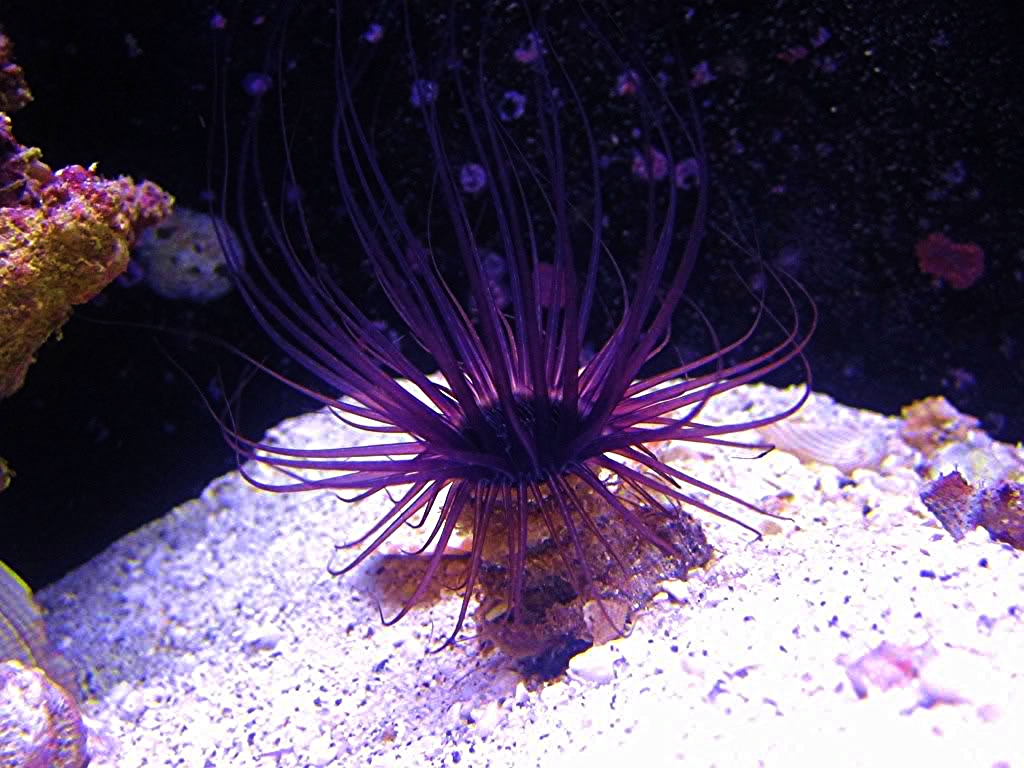
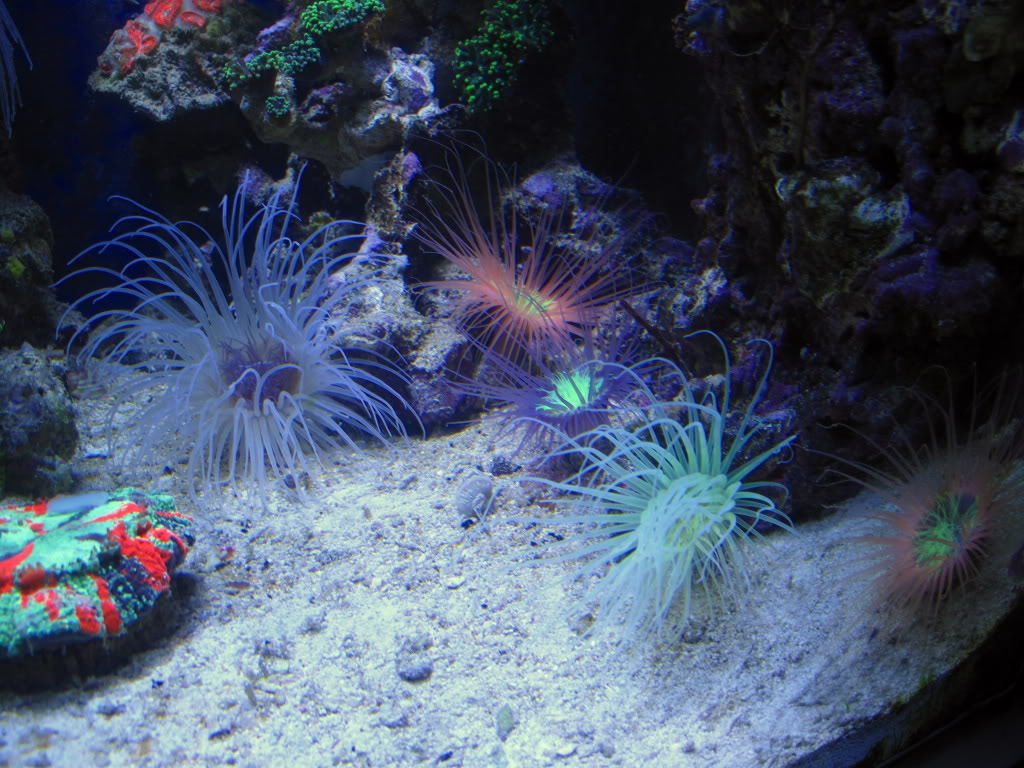
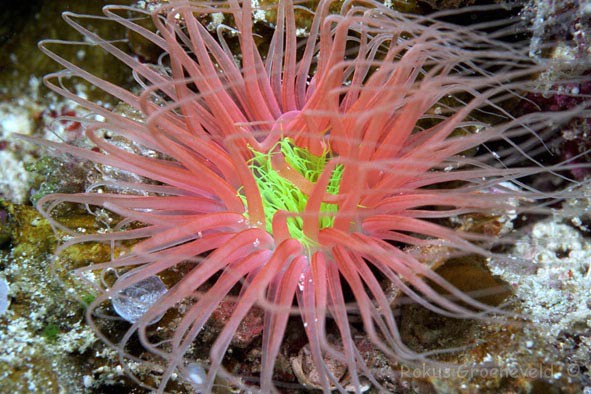
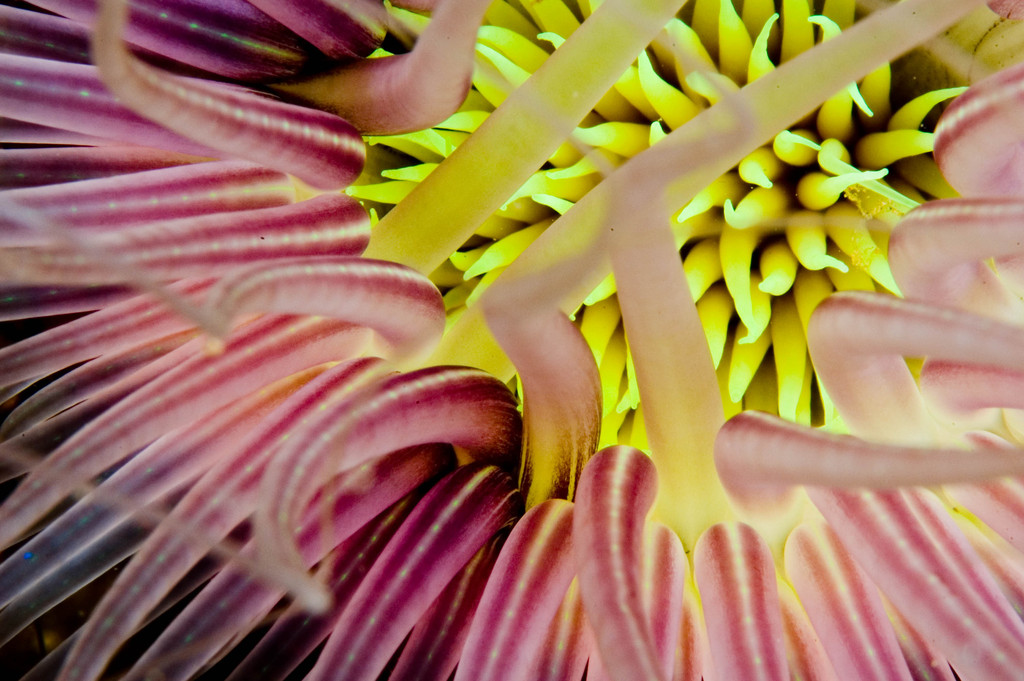
Tube anemones, in my opinion are some of the most beautiful creatures we can house in our aquariums. The way they flow, the array of colors they were created with, and several other factors. How many of you keep tube anemones? Please share your photos, successes, and trials.
Overview from LiveAquaria.com: The Tube Anemone is also referred to as the Tube Dwelling Anemone, and is best kept in a reef or species-only aquarium with a soft, deep substrate. It is actually a distant relative of the true sea anemone. It creates its tube from the nematocysts that it has discharged. Their coloration is highly variable and can range from tan, pink, purple or even have shades of fluorescent green.
The ideal aquarium for the Tube Anemone is one with a deep sand bed, plenty of live rock and a refugium for a natural food source. They are non-photosynthetic and do not require intense lighting. In fact, they are nocturnal in nature and will take time to begin to open during the illuminated hours.
Because they are not photosynthetic, they need to be fed regularly when it is fully expanded. Feed small frozen foods such as brine or mysis shrimp, chopped pieces of fish and zooplankton.
image
image
Overview from LiveAquaria.com: The Tube Anemone is also referred to as the Tube Dwelling Anemone, and is best kept in a reef or species-only aquarium with a soft, deep substrate. It is actually a distant relative of the true sea anemone. It creates its tube from the nematocysts that it has discharged. Their coloration is highly variable and can range from tan, pink, purple or even have shades of fluorescent green.
The ideal aquarium for the Tube Anemone is one with a deep sand bed, plenty of live rock and a refugium for a natural food source. They are non-photosynthetic and do not require intense lighting. In fact, they are nocturnal in nature and will take time to begin to open during the illuminated hours.
Because they are not photosynthetic, they need to be fed regularly when it is fully expanded. Feed small frozen foods such as brine or mysis shrimp, chopped pieces of fish and zooplankton.
image
image
Last edited: