Newbi Question Live Rock

TnFishwater98

Drink more fishwater there! And I still want more!
View Badges
Joined
Nov 7, 2017
Messages
6,545
Reaction score
7,829
Location
Nashville TN
What state or country do you live in
Tennessee
Rating - 0%
0   0   0
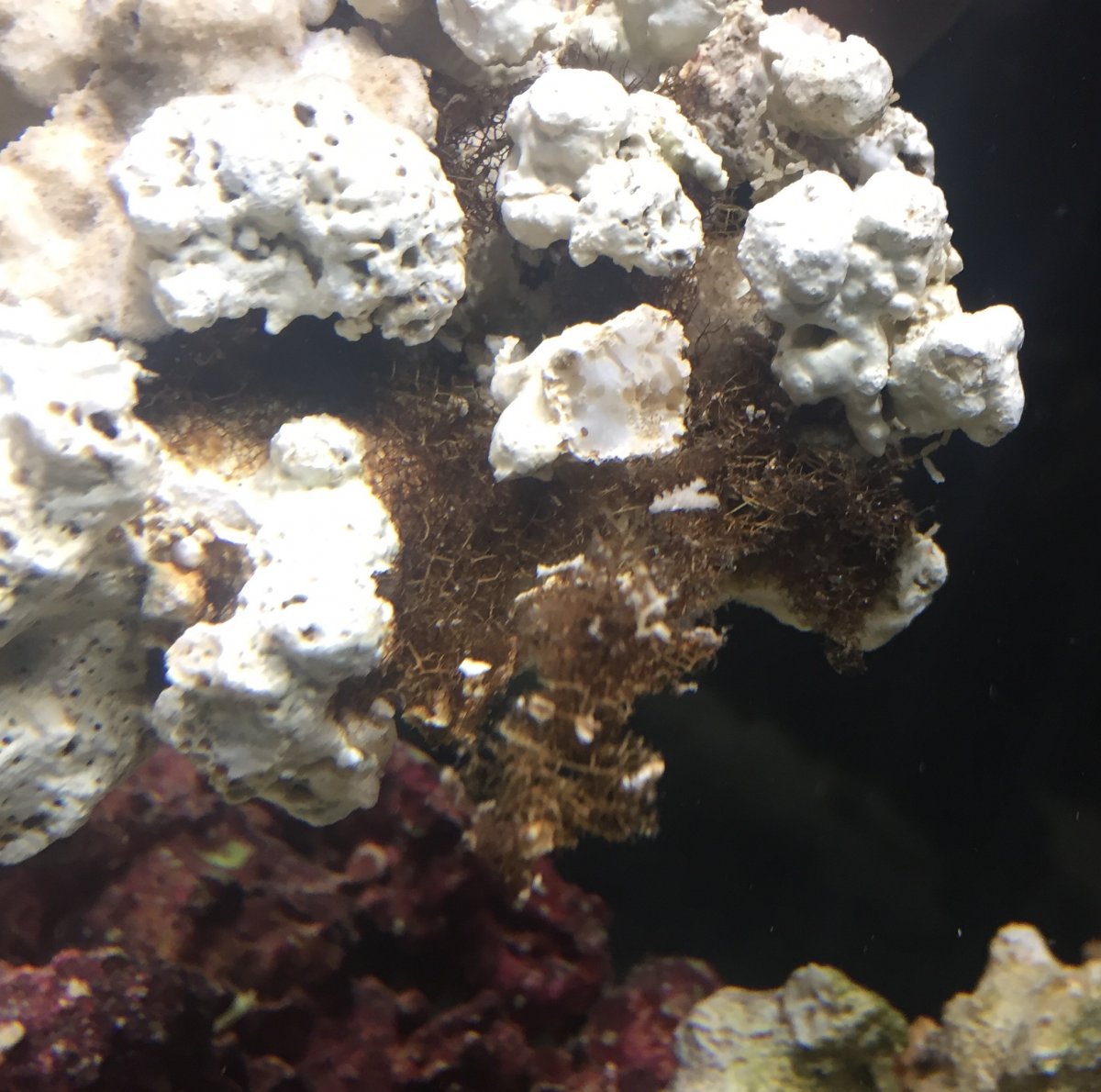
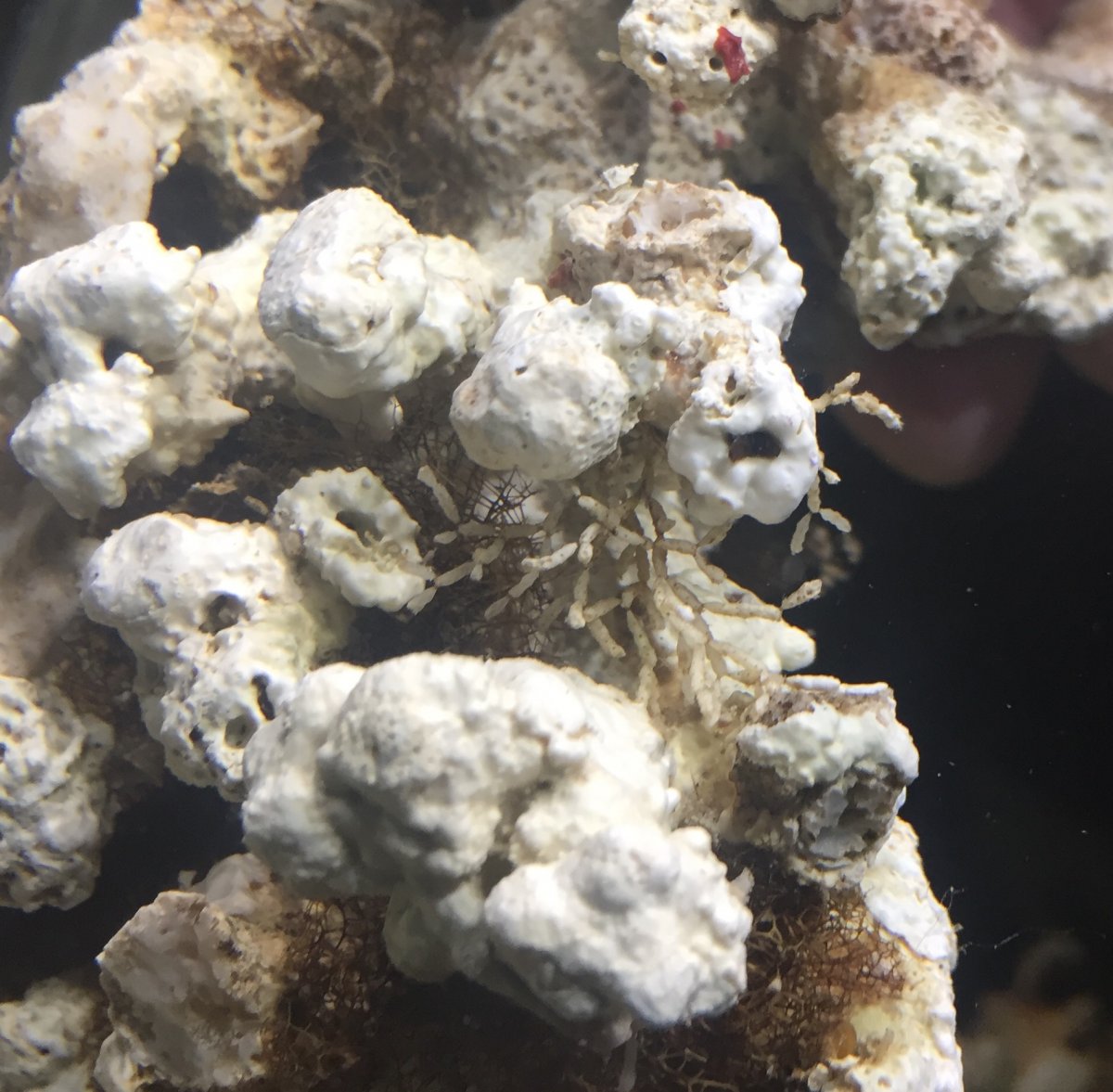
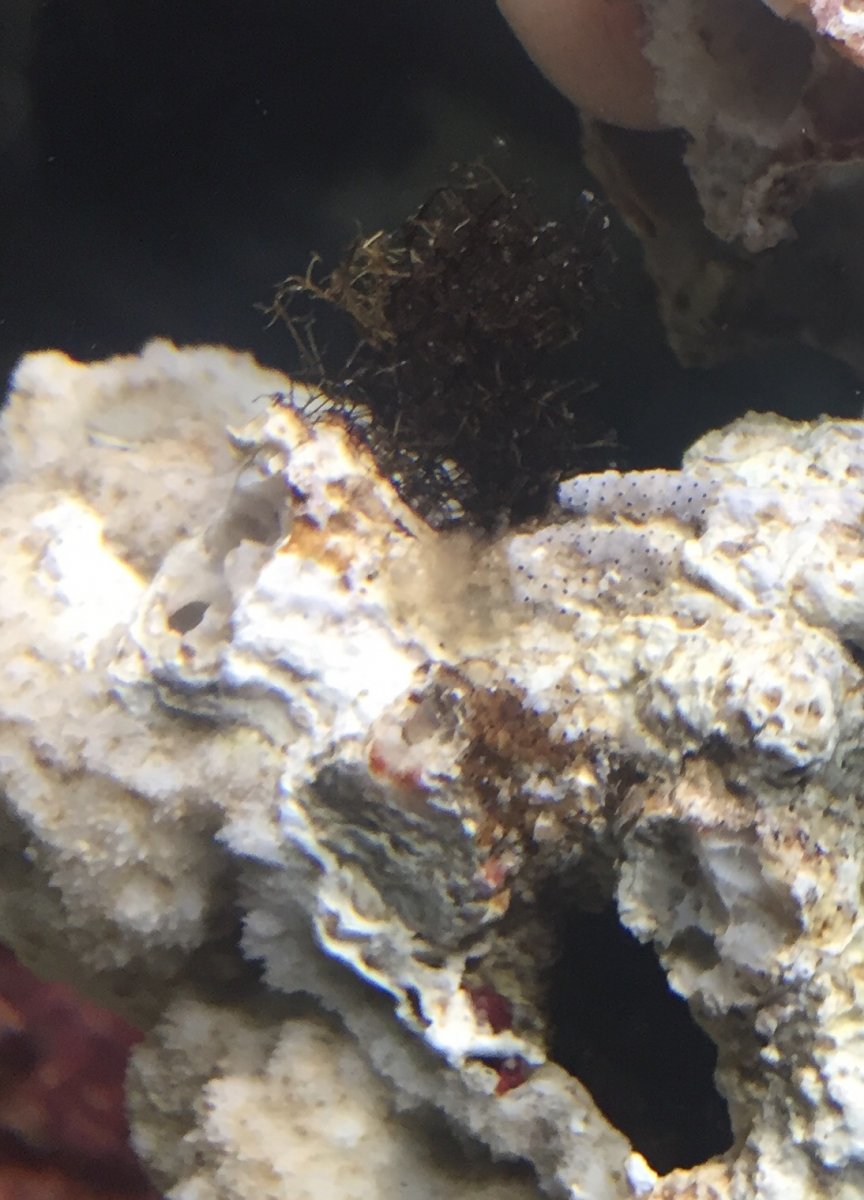
Just got some new live rock.. Should I remove all growth I see on the rock? Or will the Hermit crabs eat the dead material?
Thanks BD

IMG_2034.JPG


IMG_2035.JPG


IMG_2036.JPG
 
you should absolutely clean it and cure it in a tub for a few weeks before introducing it to your tank. i made this mistake when i started and it's been almost 2 years of unnecessary challenges with algaes.
 
If you do all what you say.. How are you able to add possible good hitchhikers to your tank? Also it's new tank added live rock from the start (I didn't quarantine rock during cycle) and only have 1 fish and a bakers dozen Hermits ...I would appreciate your opinion because like the post title reads I'm new to having a saltwater aquirium.
Thanks
BD
 
What live rock do you have? Its odd for live rock to be white. I would definitely watch for bad hitchhikers.
 
D
you should absolutely clean it and cure it in a tub for a few weeks before introducing it to your tank. i made this mistake when i started and it's been almost 2 years of unnecessary challenges with algaes.
dedrddd5
What live rock do you have? Its odd for live rock to be white. I would definitely watch for bad hitchhikers.

The new white rock is Fiji Tonga I believe..
 
Hi TnFishwater98,

The idea of curing live rock is to allow the dead material to break down and not pollute your main tank with high ammonia and nitrate levels. You brush off any of the dead material, remove anything that looks or smell bad and then let the rock cycle away. This saves your main tank from any mess. All the good hitchhikers that survive the curing get moved over as well.

I have a bunch of base rock, as well as live rock that has been dry for many years curing in a big rubber made trough. It is set at about 82 with a pump and little light, with SG of 1.028. The neat thing about this setup, is that the rock is cleaned of any rotting material, and also gets to cycle, so when I pull that rock out it is all ready full of bacteria ready to quickly cycle a new tank.

Now you can do all this in your main tank, but you need to watch your ammonia and nitrates and do more water changes if needed. Also by placing everything in you new main tank, you might find some bad hitchhikers that you did not want. Quarantining rock like fish and corals become more important, especially once you have a main tank setup.

Hope some of this help, I'm new myself, if the truth be known, we are all new,just some have more knowledge/experience than others.

Oh and while I'm thinking about it, if you do setup a rock curing tank, still use RODI water, not straight tap water with a product to remove chlorine from your tap water, sometimes the nitrate as well as phosphate in that water can get trapped in your curing rock, only to leach latter in your main tank.

 
Hi TnFishwater98,

The idea of curing live rock is to allow the dead material to break down and not pollute your main tank with high ammonia and nitrate levels. You brush off any of the dead material, remove anything that looks or smell bad and then let the rock cycle away. This saves your main tank from any mess. All the good hitchhikers that survive the curing get moved over as well.

I have a bunch of base rock, as well as live rock that has been dry for many years curing in a big rubber made trough. It is set at about 82 with a pump and little light, with SG of 1.028. The neat thing about this setup, is that the rock is cleaned of any rotting material, and also gets to cycle, so when I pull that rock out it is all ready full of bacteria ready to quickly cycle a new tank.

Now you can do all this in your main tank, but you need to watch your ammonia and nitrates and do more water changes if needed. Also by placing everything in you new main tank, you might find some bad hitchhikers that you did not want. Quarantining rock like fish and corals become more important, especially once you have a main tank setup.

Hope some of this help, I'm new myself, if the truth be known, we are all new,just some have more knowledge/experience than others.

Oh and while I'm thinking about it, if you do setup a rock curing tank, still use RODI water, not straight tap water with a product to remove chlorine from your tap water, sometimes the nitrate as well as phosphate in that water can get trapped in your curing rock, only to leach latter in your main tank.

Thanks for the info..Yeah I never use tap water for anything going in the tank.. I do not have room/setup to quarantine the rock at the moment. I removed all the growth and scrubbed a little... I understand the reasoning behind quarantining the LR and will use this method in the future...
 

TOP 10 Trending Threads

WHAT MOST EARNS A REEFING BUSINESS YOUR "BEST OF THE BEST" NOMINATION?

  • Excellent livestock or product quality

    Votes: 0 0.0%
  • Honest listings and accurate expectations

    Votes: 0 0.0%
  • Helpful, knowledgeable customer service

    Votes: 0 0.0%
  • Standing behind a product when something goes wrong

    Votes: 0 0.0%
  • Fair prices and good value

    Votes: 0 0.0%
  • A unique selection or innovative products

    Votes: 0 0.0%
  • Supporting the reefing community or sustainability

    Votes: 0 0.0%
  • Consistent quality over time

    Votes: 0 0.0%
  • Other (Post in the comments)

    Votes: 0 0.0%
Back
Top
Home
Post thread…
Market
What's new