The Wrasse Lover's Thread!

Baby twinspot. Had about 6 months. So far slow grower and model reef inhabitant. Doesn't bother even clams.

20170607_151141.jpg

Love those. Don't they get huge though?
 
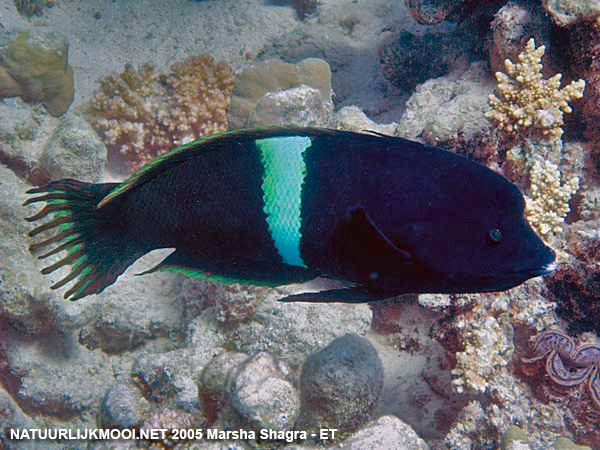
Like two feet huge, and a far cry from their juvi appearance:
coraygr.jpg

That's what I thought. Still not a bad looking fish. I remember seeing a juvenile with my wife when I first setup a tank. A 29gal biocube lol! She loved it and the price wasn't bad. I said let me get home and check it out first. Phew!
 
Is mixing C. brunneus with any other fairy wrasse from the Johnsoni complex ill advised? I read some comments before going against brunneus + isosoceles being mixed together. Also, is it the Johnsoni complex or the Lunatus complex? Maybe I'm mixing something up. I follow the Cirrhilabrus chart from Hunter still, which seems to call C. isosceles C. cf lanceolatus (probably created this chart before the Splendid was named isosceles?). Finally, and back to my original question, if they are not to be mixed why is the complex colored in green?

 
Is mixing C. brunneus with any other fairy wrasse from the Johnsoni complex ill advised? I read some comments before going against brunneus + isosoceles being mixed together. Also, is it the Johnsoni complex or the Lunatus complex? Maybe I'm mixing something up. I follow the Cirrhilabrus chart from Hunter still, which seems to call C. isosceles C. cf lanceolatus (probably created this chart before the Splendid was named isosceles?). Finally, and back to my original question, if they are not to be mixed why is the complex colored in green?
Johnsoni and lunatus are the same complex. Johnsoni is the oldest described species, lunatus is the most base.
 
Is mixing C. brunneus with any other fairy wrasse from the Johnsoni complex ill advised?
Yes.
Also, is it the Johnsoni complex or the Lunatus complex?
They're used interchangeably. But +1 to TJ's comment below:
Johnsoni and lunatus are the same complex. Johnsoni is the oldest described species, lunatus is the most base.

(probably created this chart before the Splendid was named isosceles?)
Precisely.
Finally, and back to my original question, if they are not to be mixed why is the complex colored in green?
The chart really wasn't intended to stand independently; it was to compliment the article: https://www.reef2reef.com/ams/cirrhilabrus-complexes-inferiority-need-not-apply.17/
(The new chart has some key points on it, so this should be fixed moving forward soon)
Species don't mix well if they're in the same complex. The color coding is much more so relative from one complex to another.
 
Hey guys!!
I have a flame hawkfish that is eating my snails and I want to get it out of my main tank. I would like to replace it with a yellow canary wrasse. Does this wrasse bother inverts, snails, hermits and I'll be getting some micro-brittle stars. I had a six line wrasse and it never bothered the snails and hermits.
 
Hey guys!!
I have a flame hawkfish that is eating my snails and I want to get it out of my main tank. I would like to replace it with a yellow canary wrasse. Does this wrasse bother inverts, snails, hermits and I'll be getting some micro-brittle stars. I had a six line wrasse and it never bothered the snails and hermits.
H. chrysus is usually pretty well behaved around inverts, though it is capable of eating them, those instances aren't to common.
 
H. chrysus is usually pretty well behaved around inverts, though it is capable of eating them, those instances aren't to common.
Agree; usually that species leaves inverts alone pretty well. But if he gets hungry... :) Provided you're feeding at least once a day, you will most likely be fine.
 
It's a Tanakas pygmy wrasse. It only grows 2 inches. It is one of my favorite wrasses.

Screenshot_20170808-101543.png
 
Someone tell me about Scott's Fairy Wrasse. I got one from my LFS yesterday and it was a beautiful lavender color, so I got it. Took it home and it's more green/blue/pink. Someone told me they lose colors, I am seeing on other sites that they change colors depending on mood.

What settings causes color change? what factors? tell me more about them!

Oh, what's the min tank size for them? I am reading seriously conflicting info on this one (one site even says 30 gals!!)
 
iirc Scott's does lose their color over time, not sure of the cause though. They are also known to get pretty nasty. I'm sure Hunter and/or TJ can give you more info though.
 
Someone tell me about Scott's Fairy Wrasse. I got one from my LFS yesterday and it was a beautiful lavender color, so I got it. Took it home and it's more green/blue/pink. Someone told me they lose colors, I am seeing on other sites that they change colors depending on mood.

What settings causes color change? what factors? tell me more about them!

Oh, what's the min tank size for them? I am reading seriously conflicting info on this one (one site even says 30 gals!!)
TJ provided credible advice. :)
Yes, they always fade quite a lot in captivity (the cause is simply captivity - something unknown about it) and they are completely intolerant of other Cirrhilabrus. Sometimes they're intolerant of other wrasses completely.
A large species of the genus; needs at least 125g.
 

TOP 10 Trending Threads

ARE YOU READY TO CONFESS TO CRAZIEST, DUMBEST, FUNNIEST THING YOU’VE EVER DONE IN REEFING?

  • Yeah, I'll confess! (Share your story in the comments!)

    Votes: 26 55.3%
  • Nah, I'll keep mine a secret...(Don't be like that, share with the class!)

    Votes: 21 44.7%
Back
Top
Home
Post thread…
Market
What's new