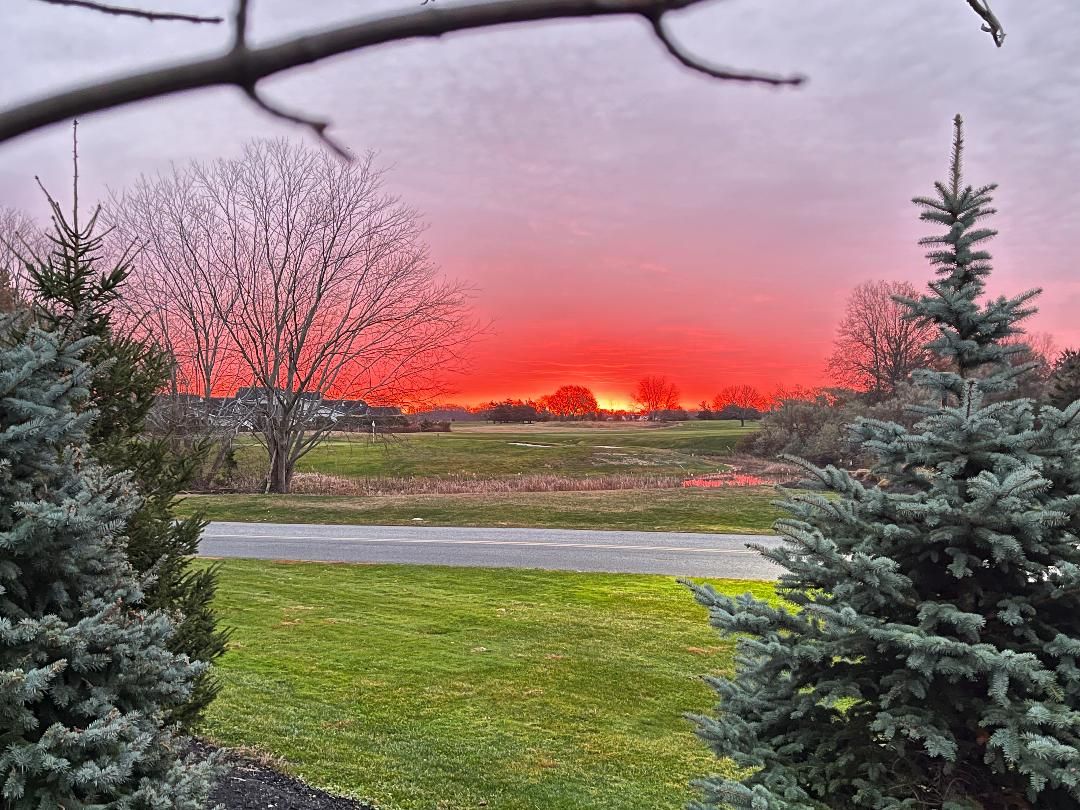
Why do some do so.

  • Thread starter Thread starter atoll
  • Start date Start date
  • Tagged users Tagged users None
The pasta in this country isn't very good for us at all as it is harvested with the help of "Round Up" weed killer which was banned for most people to buy, but they are allowed to use it for wheat . It some places in Italy it is not used so we get pasta from there if we can.
Its full of Glyphosate. I stopped checking calories a long time ago and started checking the number of ingredients in something. Its ridiculous how many unpronouncable stuff they put in our food. I dont eat anything with more than one or two ingredients in it now.

I make my wife what she calls "Jumping Juice"
I used to make something similar to lower my blood pressure. I called it swamp water. Tasted bad. The BP meds killed 25% of my kidney function, so they switched me to a different one and my hands swelled up like balloons. I thought there must be a better way. Drank huge glasses of swamp water every morning. It helped and I got off meds but I was a farting machine from all the vegetables. Went carnivore and it lowered my BP even lower to about 114/64 on average. And, guess what - salt doesn't raise your BP. I eat so much salt now, like a fish in the sea, and even put it in my water. I think all my issues were from inflammation.
 
I read that bears are not actually after the honey but the pollen and bee bread because its so high in protein. This is my beehive. Its a bee bed, you lay in it. Laying on hard wood, sound of bees walking through tunnels around your head and the smell of flowers and fermented honey. Very therapeutic.
 

Attachments

  • Screenshot_20230606_171803_Photos.jpg
    Screenshot_20230606_171803_Photos.jpg
    356.2 KB · Views: 31
I am trying my friend, but as the years go by, it gets a lot tougher.

I just got back from my walk. It's 35 degrees and was very dark this morning so I had to bring a flashlight. 😎
Red sky at night; Sailors delight.
Red sky in morning; Sailor take warning.

Beautiful picture Paul.
 
I read that bears are not actually after the honey but the pollen and bee bread because it’s so high in protein. This is my beehive. It’s a bee bed, you lay in it. Laying on hard wood, sound of bees walking through tunnels around your head and the smell of flowers and fermented honey. Very therapeutic.
Wow. That’s radical. You are one with nature.

I walk barefoot outdoors to discharge free radicals.
And I have silver threads in cotton bedsheets attached to house ground wire.
 
Last edited:
Wow. That’s radical. You are one with nature.

I walk barefoot outdoors to discharge free radicals.
And I have silver threads in cotton bedsheets attached to house ground wire.
That's great! I never wear shoes at home, even out gardening, but its pretty warm here most of the year. I think they call it grounding..ha.
 
I read that they tested a whole bunch of raw store honey for the % of sugar. The least they found was 30% sugar, most were more. Beekeepers take all the honey away from the bees and then feed them sugar water as a replacement. They also fumigate hives with organic acids to kill mites and they can still call the honey organic. Feeding sugar changes th Ph of the hive and wrecks the whole microbiome. I tried farmed commercial bees in my first hive. They didnt make it a year before they died. They can't survive on their own. I started catching wild swarms and I dont feed sugar or fumigation. I was up to 5 hives and have only lost 1 colony in 3 years with a "natural" method. Like we are trying to do with out reef tanks.
 
I read that they tested a whole bunch of raw store honey for the % of sugar. The least they found was 30% sugar, most were more. Beekeepers take all the honey away from the bees and then feed them sugar water as a replacement. They also fumigate hives with organic acids to kill mites and they can still call the honey organic. Feeding sugar changes th Ph of the hive and wrecks the whole microbiome. I tried farmed commercial bees in my first hive. They didnt make it a year before they died. They can't survive on their own. I started catching wild swarms and I dont feed sugar or fumigation. I was up to 5 hives and have only lost 1 colony in 3 years with a "natural" method. Like we are trying to do with out reef tanks.

I read one where they tested honey off store shelves and many didn't even contain pollen. I've read they use some type of rice syrup but didn't look into it because I only buy local. Same with "pure" maple syrup. I tap my own trees and boil to make my own. I've never tasted store bought maple syrup that tastes like mine and any one who tastes mine says the same. I'm talking whats labeled as pure maple syrup not log cabin etc. IMO we're slowly being poisoned buy the crap they add to our food. Don't even get me going on high fructose corn syrup 😡 Unfortunately unless you own a farm it's hard to avoid it all. When we shop we spend more time reading labels than actually shopping. Unfortunately even those can be decieving. Other natural ingredients? I'd like to know what those natural ingredients are. I'd also like to know where the food is produced not who is distributing it. But I suppose our eleected officials have better things to worry about than out wellbeing.
Saturday morning rant over.
 
IMO, the raw honey fad is a scam. I don't believe it has any nutritional value that pasteurized honey doesn't have, and has more bacterial risk.
 
I run a (way too expensive) roller mat but I don't really disagree with your position on letting detritus accumulate. infact, I stil have lots of detritus in the sump from the fuge and other random things that live down there. I mainly have the roller mat because I know I feed heavy, and I like the idea of having the waste physically removed from the tank.

I do still suck out 60%ish of the detritus down there every few months. Although I love having my sump teeming with life without the threat of predation, I am worried about large pockets of anaerobic bacteria building up. Its not that im against the anaerobic bacteria, more so im worried that disturbing it might release a bunch of not so nice chemicals in the water column (im mostly thinking sulphur or something). Its a balance for me, I want the vibrant microbiome sanctuary but I want to make sure that it doesn't end up becoming a potential hazard if it gets too much.
 
I read that they tested a whole bunch of raw store honey for the % of sugar. The least they found was 30% sugar, most were more. Beekeepers take all the honey away from the bees and then feed them sugar water as a replacement.
This is true. Most of it comes from China and is just sugar or corn syrup. The honey I get is right from the bees around here and not processed or heated. Most of the commercial honey is very fine filtered. They do that because the USDA, who tests about 5% of imported honey can't tell where it comes from if it is micro filtered which removes the pollen.

I tap my own trees and boil to make my own. I've never tasted store bought maple syrup that tastes like mine and any one who tastes mine says the same. I'm talking whats labeled as pure maple syrup not log cabin etc. IMO we're slowly being poisoned buy the crap they add to our food.
This is also true. I get my Maple Syrup from Maple trees in Vermont and I can see them tapping the trees and boiling it. Log Cabin is made out of liquified Log Cabins. 😬

Its ridiculous how many unpronouncable stuff they put in our food. I dont eat anything with more than one or two ingredients in it now.
I agree. I eat mainly seafood and vegetables. I make my own bread and grow all my herbs.
There is a reason Americans are so inundated with cancer.

Just look at the ingredients on a can of pelleted fish food. I have a can in my hand. I sometimes feed my worms with it. The second ingredient is wheat flour, and the rest of the ingredients number about 50. Many of them are artificial colors, which are for us, not the fish, and 4 or 5 preservatives. I wouldn't feed that to a rat, and yet many people have no problem feeding it to their fish, and they don't understand why they are always on the disease forum. 🙄

IMO, the raw honey fad is a scam. I don't believe it has any nutritional value that pasteurized honey doesn't have, and has more bacterial risk.
I disagree with this. "True" honey is a very strong antiseptic and contains no bacteria or water. That is only in processed honey, which is not real honey.

"

How Does Honey Act As An Antiseptic?​


Honey is a potent antimicrobial agent with a wide range of effects, including its sugar content and the presence of enzymes like invertase, amylase, and glucose oxidase. Honey’s antibacterial and antifungal properties are well-documented and characterized. The osmotic effect, a key aspect of honey’s antibacterial capabilities, creates a hostile environment for bacterial survival. Honey has been used for at least 2700 years to treat various ailments through topical application, but only recently has it been found to have antiseptic properties.
The antibacterial property of honey is derived from its high sugar content and low moisture content, along with its acidic properties of gluconic acid and antiseptic properties of its H2O2. Honey’s unique pH balance promotes oxygen and healing compounds to a wound, protecting the body against damage caused by bacteria. Some honeys also boost the production of special cells that can repair tissue. Honey is used as a natural sweetener, anti-inflammatory, antioxidant, and antibacterial agent.
Its immunomodulatory properties also contribute to its therapeutic potential. Honey's antimicrobial potency encompasses antibacterial, antifungal, antiviral, and antimycobacterial effects, attributed to components such as sugar content, polyphenols, hydrogen peroxide, and specific enzymes like invertase and glucose oxidase. The low pH and osmotic effects of honey further enhance its antibacterial efficacy. Notably, hydrogen peroxide is recognized as a primary contributor to honey’s antibacterial action.

 
I run a (way too expensive) roller mat but I don't really disagree with your position on letting detritus accumulate. infact, I stil have lots of detritus in the sump from the fuge and other random things that live down there. I mainly have the roller mat because I know I feed heavy, and I like the idea of having the waste physically removed from the tank.

I do still suck out 60%ish of the detritus down there every few months. Although I love having my sump teeming with life without the threat of predation, I am worried about large pockets of anaerobic bacteria building up. It’s not that im against the anaerobic bacteria). Its a balance for me, I want the vibrant microbiome sanctuary but I want to make sure that it doesn't end up becoming a potential hazard if it gets too much.
“ im worried that disturbing it might release a bunch of not so nice chemicals in the water column (im mostly thinking sulphur or something“

My suggestion is to not stir it up. Here is what my friend @Paul B has to say about MULM:


@thejellyfishgirl
I operated a mud macro algae refugium for 25 years. During that time, mud depth increased by 1/2” and is crawling with worms. And the mud is spongy to the touch.

No socks or roller mats in my refugium. Live rock with cryptic sponges and MULM for the microbial loop.
 
Last edited:
“ im worried that disturbing it might release a bunch of not so nice chemicals in the water column (im mostly thinking sulphur or something“

My suggestion is to not stir it up. Here is what my friend @Paul B has to say about MULM:

@thejellyfishgirl
I operated a mud macro algae refugium for 25 years. During that time, mud depth increased by 1/2” and is crawling with worms. And the mud is spongy to the touch.

Im in total agree with Paul. We have, well some have been led up the garden path about big bad detritus, its not the villain its been made out to be. I employ no mechanical filtration, no filter wool. No socks nor roller mat. Justi a skimmer.
Better still read what Eric Borneman says about it in his book from some years ago.
 
I love that there are different ways to keep a reef to suit just as many different types of reef keeper. We all have varying interests and abilities. The different methods favor different people.

I do not have the experience that @Paul B, @atoll, or @Subsea but I have had a reef since the late 90s. I also reef in a very similar way as they do (and I would never say that its the only way) but it is a very valid way. I believe it to be more economical (because you do not need all the fancy expensive equipment). I believe it to be easier. I do not QT fish and I have not had fish deaths from pathogens for decades. QT is a lot of extra work and if I can avoid that I am happily going to do that.

I never cleaned my sump in my last tank and I don't worry about detritus. Its a part of nature. Its also why I am not afraid of using a canister filter filled with rubble rock on my new tank. I will probably get some detritus in the bottom of the canister but I am hoping worms and pods will colonize the rubble rock and detritus so it acts as a cryptic sump.

To new reef keepers, read and research the differing ways to keep a reef. Then consider what approach feels more natural to you and try that. If it doesn't work for you, try a different approach. If you stick with it, you will find the method that is right for you.
 
A couple weeks ago I was surfing out at cardiff reef, 1/4 mile out, a calico bass was chasing a mackerel and it jumped right in my lap trying to get away from the bass. What are the chances of that???
1.

Unless it didn't happen, as not happening would be 0.

The best way to get a large sample of drug impacts is to make the drugs available by perscription to the general population and then review medical records provided from the prescribing doctors. As long as the personal identification is removed from the medical records no privacy laws will be violated and data is plentiful.

I think it is amazingly sad that medicine to treat mental issues is advertised on TV to encourage the general poplulation to "Ask your doctor... if it's right for you?"

And it is interesting that relatively natural methods of diet and stress management are often viewed as suspect since those methods don't have a clinical trial(s) to validate the success folks have reported using them.

Of course, A good scientific definition and method is required toaccept the statistical results used to validate or reject the null hypothesis.
 
And it is interesting that relatively natural methods of diet and stress management are often viewed as suspect since those methods don't have a clinical trial(s) to validate the success folks have reported using them.
And no one makes money from that. 😎
 
This is true. Most of it comes from China and is just sugar or corn syrup. The honey I get is right from the bees around here and not processed or heated. Most of the commercial honey is very fine filtered. They do that because the USDA, who tests about 5% of imported honey can't tell where it comes from if it is micro filtered which removes the pollen.


This is also true. I get my Maple Syrup from Maple trees in Vermont and I can see them tapping the trees and boiling it. Log Cabin is made out of liquified Log Cabins. 😬


I agree. I eat mainly seafood and vegetables. I make my own bread and grow all my herbs.
There is a reason Americans are so inundated with cancer.

Just look at the ingredients on a can of pelleted fish food. I have a can in my hand. I sometimes feed my worms with it. The second ingredient is wheat flour, and the rest of the ingredients number about 50. Many of them are artificial colors, which are for us, not the fish, and 4 or 5 preservatives. I wouldn't feed that to a rat, and yet many people have no problem feeding it to their fish, and they don't understand why they are always on the disease forum. 🙄


I disagree with this. "True" honey is a very strong antiseptic and contains no bacteria or water. That is only in processed honey, which is not real honey.

"

How Does Honey Act As An Antiseptic?​


Honey is a potent antimicrobial agent with a wide range of effects, including its sugar content and the presence of enzymes like invertase, amylase, and glucose oxidase. Honey’s antibacterial and antifungal properties are well-documented and characterized. The osmotic effect, a key aspect of honey’s antibacterial capabilities, creates a hostile environment for bacterial survival. Honey has been used for at least 2700 years to treat various ailments through topical application, but only recently has it been found to have antiseptic properties.
The antibacterial property of honey is derived from its high sugar content and low moisture content, along with its acidic properties of gluconic acid and antiseptic properties of its H2O2. Honey’s unique pH balance promotes oxygen and healing compounds to a wound, protecting the body against damage caused by bacteria. Some honeys also boost the production of special cells that can repair tissue. Honey is used as a natural sweetener, anti-inflammatory, antioxidant, and antibacterial agent.
Its immunomodulatory properties also contribute to its therapeutic potential. Honey's antimicrobial potency encompasses antibacterial, antifungal, antiviral, and antimycobacterial effects, attributed to components such as sugar content, polyphenols, hydrogen peroxide, and specific enzymes like invertase and glucose oxidase. The low pH and osmotic effects of honey further enhance its antibacterial efficacy. Notably, hydrogen peroxide is recognized as a primary contributor to honey’s antibacterial action.

“This much you have taught me: that I should learn to take food as medicine.”​
—Augustine, "Confessions"​
 
I eat a lot of raw, local honey. put that stuff on everything. 😎
Honies? You always got to rub it in about the natural stuff and your super model wife!
😂
God bless you all, Paul - Have a great 2026 and beyond.

Rolls Royce Queen GIF by Rise at Seven

I eat m&m's and See's Candies myself. 🤠
 

TOP 10 Trending Threads

Back
Top
Home
Post thread…
Market
What's new