Chalices: plating vs encrusting

legalreefer1

Community Member
View Badges
Joined
Apr 21, 2024
Messages
25
Reaction score
8
Location
Pearland
Rating - 0%
0   0   0
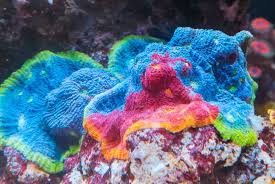
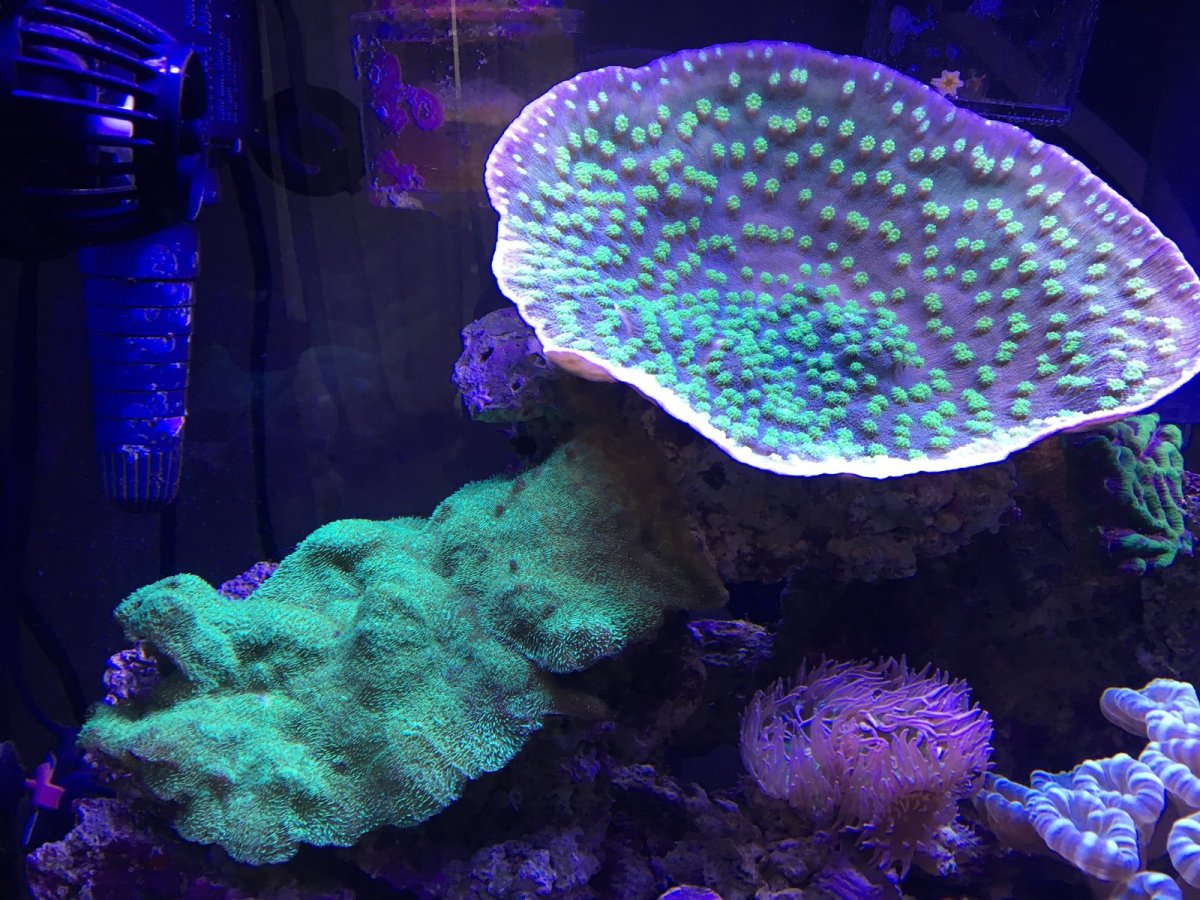
How do you know which chalices will plate and which will encrust? Are they both capable of either? Pics for reference (from Google).
IMG_4317.jpeg
IMG_4318.jpeg
 

thamnasteroid

2500 Club Member
View Badges
Joined
Aug 24, 2020
Messages
3,518
Reaction score
2,890
Location
Washington State
Rating - 100%
1   0   0
Chalice corals comprise of species that were formerly in the family Pectiniidae; they are now split up between the families Merulinidae and Lobophylliidae. The Lobophylliid chalices include Echinophyllia, Oxypora, Echinomorpha, and Paraechinophyllia (this one is not found in the coral trade since it's endemic to the western Indian Ocean). The Merulinid chalices include Mycedium and Pectinia. Most chalices will usually encrust, although Oxypora and Mycedium can become plating/foliose. Echinophyllia and Echinomorpha are always encrusting, and Pectinia is always "plating." Echinopora (lamellosa; the only species found in the hobby) are almost always plating/foliose, but I don't consider it a chalice coral, since it was never in Pectiniidae.

 

TOP 10 Trending Threads

WHAT AMOUNT OF LIVE ROCK AND SAND SHOULD BE PRIORITIZED FOR OPTIMAL BIODIVERSITY/FILTRATION?

  • 100% live rock + bagged sand

    Votes: 38 26.2%
  • 100% dry rock + 100% live sand

    Votes: 48 33.1%
  • 50/50 live/dry rock, 50/50 live/bagged sand

    Votes: 33 22.8%
  • 75% live rock, 25% live sand

    Votes: 15 10.3%
  • 25% live rock, 75% live sand

    Votes: 11 7.6%
Back
Top