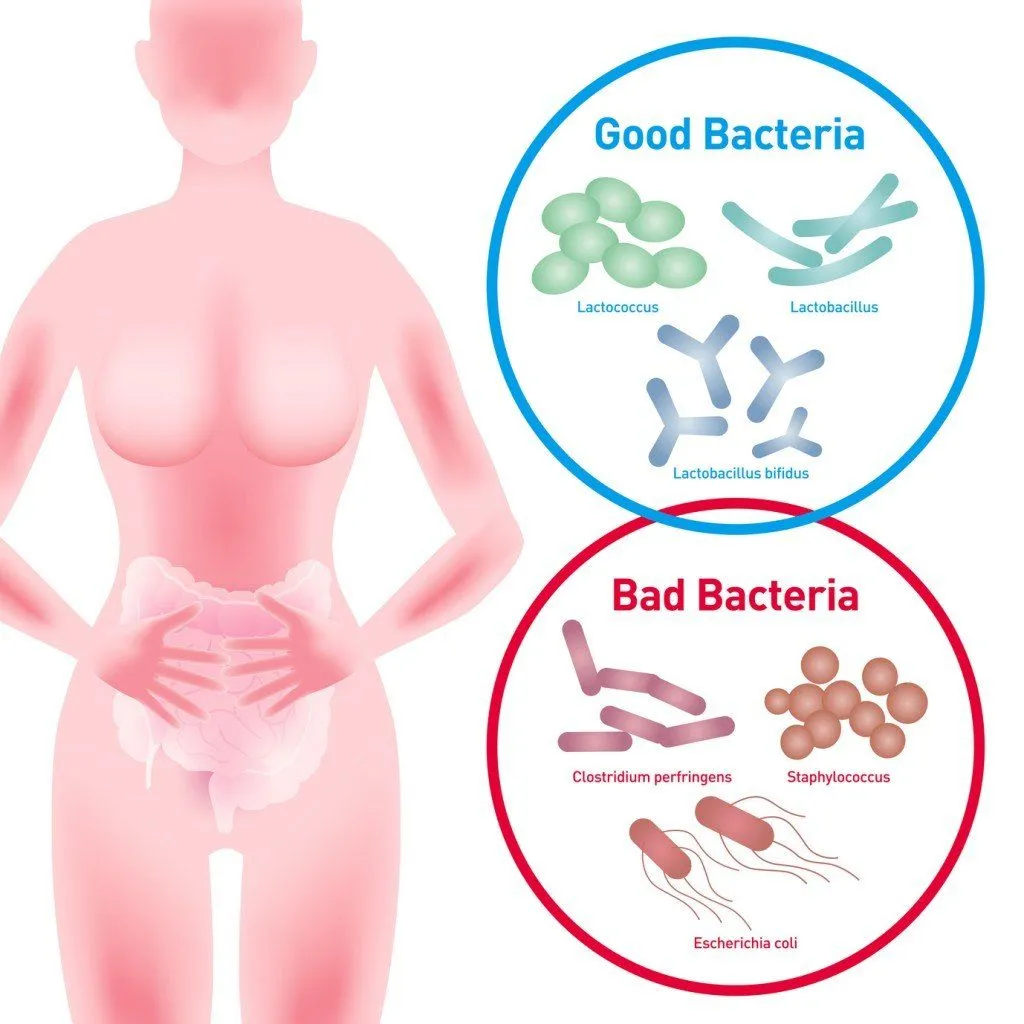
That's a rather large copy pasta there Paul. I don't think anyone disagrees with the science around humans. But there is a lot more devil in the details it seems with closed system marine tanks, and I think some of your opinions have maybe accidentally gone a bit beyond what the science suggests.
I've enjoyed reading both yours and Randy's thoughts so far, and thought I'd add a few papers I found and at least read and understood the abstracts for. Note that the below are AI-assisted so you should definitely validate the summary against the paper itself if you doubt it.
- Jang et al. (2022) showed that while fresh/raw feeds drove faster physical growth in flounder, they also increased opportunistic gut pathogens, whereas extruded pellets yielded a cleaner, probiotic-leaning microbial profile.
- Luo et al. (2024) found that while live/raw foods cause an initial surge in gut microbial diversity, the fish's intrinsic physiology stabilizes its gut microbiome back toward a core baseline over time. Plus, in an established closed reef system, fish fed a pellet-only diet still regularly ingest benthic microfauna, algae, and rockwork biofilms, which continuously inoculate their gut with beneficial ambient bacteria anyway.
- Gu et al. (2024) demonstrated that fresh marine meat drastically outperformed standard commercial pellets in short-chain fatty acid (SCFA) production, which directly stimulates gut-associated lymphoid tissue (GALT). Though a custom pellet with 40% high-grade fishmeal closed almost the entire gap, proving the issue is cheap plant binders rather than the pellet form factor itself.
- Rai et al. (2025) explains the underlying mechanism: gut microbes act as a "second genome" by fermenting unrefined dietary substrates into SCFAs that prime mucosal IgT antibodies, meaning unrefined whole foods do genuinely offer superior mucosal immune stimulation compared to heavily processed, starch-heavy dry feeds.
So, my read of this is that pellets don't do nothing, and fresh foods aren't a magic bullet. High-heat commercial pellets can lack the unrefined substrates needed for maximum SCFA-driven gut immunity, while raw/fresh foods drive better growth and mucosal priming at the cost of carrying higher ambient bacterial loads. An established closed system seems to eventually provide the fish with a baseline gut bacteria as they feed on various parts of the tank, no matter the feed type.
The science heavily points toward a
hybrid approach: feed quality pellets for baseline nutrient stability and convenience, and supplement with raw, whole marine seafoods (mysis, whole squid, bivalves, nori) to maximize gut microbial diversity and immune response.