Cycle problems

Tom McCoy

Community Member
View Badges
Joined
Feb 6, 2017
Messages
48
Reaction score
11
Rating - 0%
0   0   0
So I have a 20 gallon tall with about 19 lb of live rock and about 3 1/2" of substrate with 2 power heads. I am currently 2 weeks into my first fishless saltwater cycle using fish food as my ammonia source. Currently have brown alagae all over my rock too. I just added an 1 1/2" of sand and mixed the substrate a bit. Now I have noticed a horrible smell coming from my tank so I covered my tank with a towel to somewhat hide the smell. Is this normal? And if so how long will the smell be around for? One more thing. Buddy of mine went diving the other day and found a cool opened clam and some rock broken off of the reef and gave me them. I currently have them sitting in a bucket of RO/DI and don't know whether to put it straight into my tank or to treat the rock somehow. Any help would be awsome!

 

Mandrew

Well-Known Member
View Badges
Joined
Aug 22, 2014
Messages
964
Reaction score
427
Location
United States
Rating - 0%
0   0   0
The smell is from the die off on the live rock. You can run carbon to help with the smell. If you're cycling your tank right now with no fish in it, you can probably put those other items in now as well.
 
OP
OP
Tom McCoy

Tom McCoy

Community Member
View Badges
Joined
Feb 6, 2017
Messages
48
Reaction score
11
Rating - 0%
0   0   0
Ok makes sense. Is it ok to just cover the tank with a towel for now? I've read that it could mess with your pH. I have some carbon but my protein skimmer won't be here for a couple more days so I might suffer for a few days.
 

KJ

Lone Wolf
View Badges
Joined
Dec 14, 2011
Messages
22,317
Reaction score
111,151
Location
Tennessee
Rating - 0%
0   0   0
414224

image via @rusticgirls

In a freshwater aquarium you can add some flake food, wait a couple weeks, and then you can add fish. In the ocean there is much more involved than mechanical filtration. In fact, 70% of your aquariums filtration relies on the maturity of the live rock. A combination of bacteria, algae, and various invertebrates compose the “live” part of the rock. It takes quite a while to establish an ecosystem, even on a microscopic level. Without a proper understanding of the Marine Cycle, you will be in for a long term battle with parameters and algae. There are six main stages to a properly cycled tank. Follow this guide and you cannot mess up. You will need your basic test kit to test the progress.

Stage 1: Ammonia Cycle

Ammonia is the first thing that forms when something rots. It is a waste product in nearly all creatures as well. Instead of using a fish to start the cycle just use some food. Anything that is all natural and uncooked works just fine. Table shrimp that is uncooked works great. Drop it on the sand so it is in view. The shrimp should begin to rot within a couple hours or more. Let this shrimp rot until it is completely gone. If you are curious what your ammonia levels are, go ahead and take some tests. Keep track of the results as the shrimp rots. The smaller the food gets the more ammonia should be present in your water column and pretty soon should be off the charts. This will stay high for a while, but then start to drop. As soon as the ammonia starts to drop you will see a rise in Nitrite, you are now on the next stage.

Stage 2: Nitrite Cycle

Ammonia when broken down by bacteria becomes Nitrite, which is still a toxin. As your Nitrites rise your Ammonia will drop, drop, and keep dropping as long as you haven’t added any animals. Keep up with testing to observe your progress. Eventually your Ammonia will be very low and your nitrites will peak out until it starts feeding a different type of bacteria that turns it into Nitrates. Once your first signs of Nitrates are seen you are on the next stage.

Stage 3: Nitrate Cycle

Nitrates are removed within the live rock deep inside in all of the deep pours. This hidden bacteria consumes the nitrate and creates nitrogen gas as a byproduct. The nitrogen gas rises in the water column and escapes into the air. When one gas leave, another enters. Oxygen is then infused into the water. After the Nitrates start to dissipate your oxygen will increase and you will be ready for the intermission:

Intermission:

You are not done yet! You may have cultivated a nice crop of groovy bacteria and your water may be clean as can be, but, there are still 3 more stages to the cycle process before you can start your stocking. Take this time to consume all of which you have already done. The next 3 stages often put fear into the eyes of many newcomers. These are perfectly natural and are partially a representation of how the earth became an oxygen rich planet. Before there was any oxygen breathing organisms, there was the evolution of Cyanobacteria. This is a photosynthetic bacteria that creates Oxygen as a byproduct. There are several colors, but the commonality is that it is like a slime. The Cyanobacteria spread over a vast area and the atmosphere became oxygen rich like we breath today, without the smog. Cyanobacteria is responsible for life as we know it. The same applies to the reef. Now that your mind has been blown you may move on to the next stage of the cycle.

Pre-Algae Cycle:

LTIM95.jpg


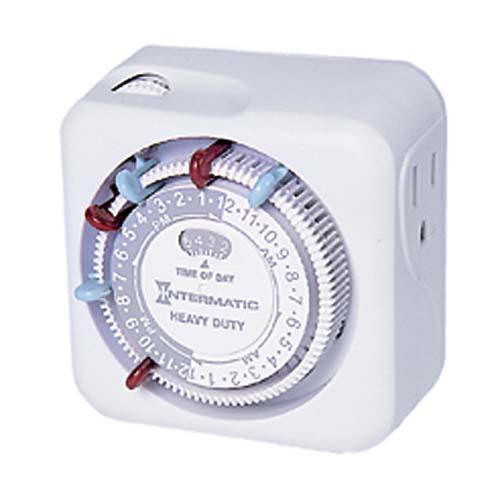
If your lights have not been setup yet do so now. Set your timers as you would for a reef tank. Anywhere from 6-12 hours is a good amount of time. Set the photoperiod to be on during the hours you will be viewing the tank most. If you work 2nd shift it is OK to have the lights come on after you get home from work or when you wake up in the morning. As long as there is not a supply of sunlight near the tank you wont have a long term battle with algae.

Stage 4: Diatoms

414226

diatom algae image via reef2reef member @Steven R

Diatoms are a brown dusty life form that consumes silicates. There is no avoiding Diatoms during their initial bloom. Leave it be. Let it go crazy. Before you know it, the brown stuff will soon start to change colors. Generally red, this is the start of the next stage!

Stage 5: Cyanobacteria

414227

cyanobacteria image via reef2reef member @Murfman

Cyanobacteria will now begin its course. Again you will let the slime just do its thing. This will be the nastiest of the stages. Cyanobacteria can gross some people out, especially if they catch a whiff of it. It is best to leave it be. It will start to clear up eventually. The clearing of the slime makes way for yet another stage.

Stage 6: Green/Brown algae

414228

hair algae image via reef2reef member @johnmaloney

If you have made it this far, give yourself a round of applause. This is the final “battle” of the cycle process. When the slime is gone you will see your first signs of plant life, algae! Green Hair algae is usually the type that you see, but some other types have been known to occur. This stuff will grow like mad. At this point you are ready to move on to the next phase.

The cycle is a long process in terms of hobbies. Find yourself a good rhythm for testing. Get yourself in the habit of staring for long periods of time. Practice observation by watching as life forms start taking foot in the aquarium. You will see things from dust sized particles to worms that reach a foot long. There really is no telling what could form in your tank. This is a great time to prepare for the animals you will get. Knowing how to describe things and being able to correctly test the water will help you get the information you need. Your parameters are perfect now. You are now ready to move on to the next section. You should actually study the next section during your cycle, since you will have quite a bit of time on your hands with all that waiting.

Cycles can be artificially induced, but it is always preferred to use as little foreign liquids as possible. Another thing you can do during the cycle is preparing your clean up crew and first fish, but be prepared to keep them quarantined for a prolonged time since the cycle is unpredictable.

Section 6: Live Stock

414229

mixed reef image via reef2reef member @ReefMP

A few holidays have passed, you have gone through a few types of hairstyles, and the seasons have changed dramatically. Your aquarium has gone from an idea in your head to a flowing ecosystem of algae and rock. You need to get some critters in there! But where do you begin? There are more bad combinations of marine animals than flavors of ice cream. Luckily, there are Compatibility charts that do the vague guessing for you. Locate these charts to help you get a picture of what does and does not mix. Some fish are obvious. Mixing a shark and a seahorse are not a good idea. When you get into the fish of the reef there are some unexpected no-no’s. A huge tang could fall victim to even a small blenny bullying or nipping at him. Stocking will be more research than anything. It is improbable the part time employee at your LFS has a mental encyclopedia of everything they sell. Always check for yourself anyways. If you plan on having predator fish you can skip the clean up crew and corals since they will either get eaten or destroyed. Every animal you buy WILL NEED QUARANTINED.

Quarantine and Acclimation:

414230

image via Advanced Aquarist

Quarantine tanks can be as simple as a bucket or you can setup a larger system if you plan to have larger fish. All the tank needs is flow, observation worthy light, and some hiding spots. You will want to use proven methods and avoid the herbal approaches like garlic.

Invertebrates (excluding corals) cannot be medicated. The can be carriers of parasites like ich that feed off fish. To prevent Ich from being transferred into your tank they will need to reside in a tank by themselves for 8 weeks. Keep the water aerated, give them some food now and then, and do periodic water changed to keep it fresh. It takes 8 weeks to starve the parasite. After that time period you can acclimate them into the aquarium.

Fish almost always have to be treated. Ich is present in most systems that deal with selling livestock. It is more cost efficient for them to leave the medicating up to you. There are a few trusted techniques for quarantine. Hyposalinity and copper treatment are the two most sure ways to kill anything that is not a fish.

Corals have their own predators as well. The first thing a lot of people do is dip their corals in a Lugol’s Solution, or Iodine. This disinfects them and often kills or irritates anything on them enough to jump off. Keeping them in quarantine until you are sure you rid any pests is very important or you risk growing these predators in your main system. Aptasia are another common hitch hiker. These can be injected with hot vinegar or lemon juice. What ever the problem, there is a solution. This is where your photography skills will first come into play when you are trying to identify problems. There are many methods of quarantine. Research the techniques and find one that is right for you. There will never be a perfect method for all. Ask your reef buddies how they approach certain problems. If you skip quarantine you may one day have to remove every animal in your tank later.

Acclimating livestock varies in time, but is the same as far as methods. It come in handy to have a large jar so you can view your animal. Simply siphon water from your display tank into the jar. You want to have an air valve or a knot so that the water drips into the container. To determine the acclimation time for your animal you can just look it up online, which you should know before purchasing.

CHOICE GUIDE:

Clean-up Crew:

414231

hermit crab image via reef2reef member @Rickyrooz

These guys do all the dirty work. They eat algae, detritus, dead animals, and whatever else makes its way into their grasp. Crabs, stars, snails, conchs, nudibranch, urchins, cowries, pods, and worms are only a small number of the available types of animals you can find. A variety of them is always best since they are each designed for their own reasons. Every breed of invertebrate has its exceptions. There are starfish that eat other animals you may want to keep. Some crabs grow into coral eating monsters. Some urchins can grow as large as soccer balls.

Snails are easy to pick. They rarely sell dangerous snails. Turbo, astrea, nerite, and cortez snails are good beginner species. I add one of each and observe them. Which species cleans the most, the fastest, or gets the hidden areas the best? Judge what areas need more attention and stock more snails that work that area well. Snails will clean parts of the glass, but you will always need to manually clean it. Do not rely on them for a clean window.

Hermits are not completely necessary, and can be known to steal a snails shell here and there. They are amazing creatures that work their claw off at all times. Some grow huge, but some stay small. Blue and red legged hermits are the lesser aggressive species that stays small.

Serpent stars and Brittle stars are good for a reef tank. They will be unseen for days until you feed and they come running on all fives, immediately cleaning the sand bed. They are quite impressive to watch scurry about. Sand sifters are good if you are not relying on a live sand bed. They stir the sand, but they eat all the good critters that live there. Urchins can be good, but they are very closely related to starfish and can also be predatory. Research the urchin you are looking at buying, it may be a crab hunter.

For more advanced inverts like shrimp and nudibranch it is best to learn about the species. Every nudibranch eats something different. Some can even eat coral. There is a ton of information out there and if you find an animal with no helpful info it is best to avoid it all together.

Fish:

414232

Desjardini tang image via reef2reef member @Mike&Terry

There are a ton of fish out there. Some are cheap and some cost more than the tank they will live in. There is no better way to come up with a stock list than going out and looking at the fish in person. Write a list of all that interest you and look them up. Do they seem like they are the right size? Are they compatible with each other? With Inverts? With Corals? Do tons of research. This is your first tank. You can go for the advanced creatures on your next round. Starting with peaceful hardy fish makes life a lot easier. Fish are not required, there are beautiful tanks with no fish.

A good way to organize your wish list is take a note of all the fish that tickle your fancy and then go home and investigate. Sometimes it is just easier to post your list online and take peoples input. People are dying to prevent you from making mistakes. Please let them help you. If you ask a question that has been answered they will point you the right way to get your reef in order. There are too many varieties to have a perfect formula. The animals diet is the single most important thing to consider. Some fish love corals, others love ornamental shrimp. Learn not only what the species does in the aquarium, but in the wild as well. They may spend their lives hunting animals you may want to mix with them.
 

TOP 10 Trending Threads

WHAT AMOUNT OF LIVE ROCK AND SAND SHOULD BE PRIORITIZED FOR OPTIMAL BIODIVERSITY/FILTRATION?

  • 100% live rock + bagged sand

    Votes: 34 27.6%
  • 100% dry rock + 100% live sand

    Votes: 43 35.0%
  • 50/50 live/dry rock, 50/50 live/bagged sand

    Votes: 27 22.0%
  • 75% live rock, 25% live sand

    Votes: 11 8.9%
  • 25% live rock, 75% live sand

    Votes: 8 6.5%
Back
Top