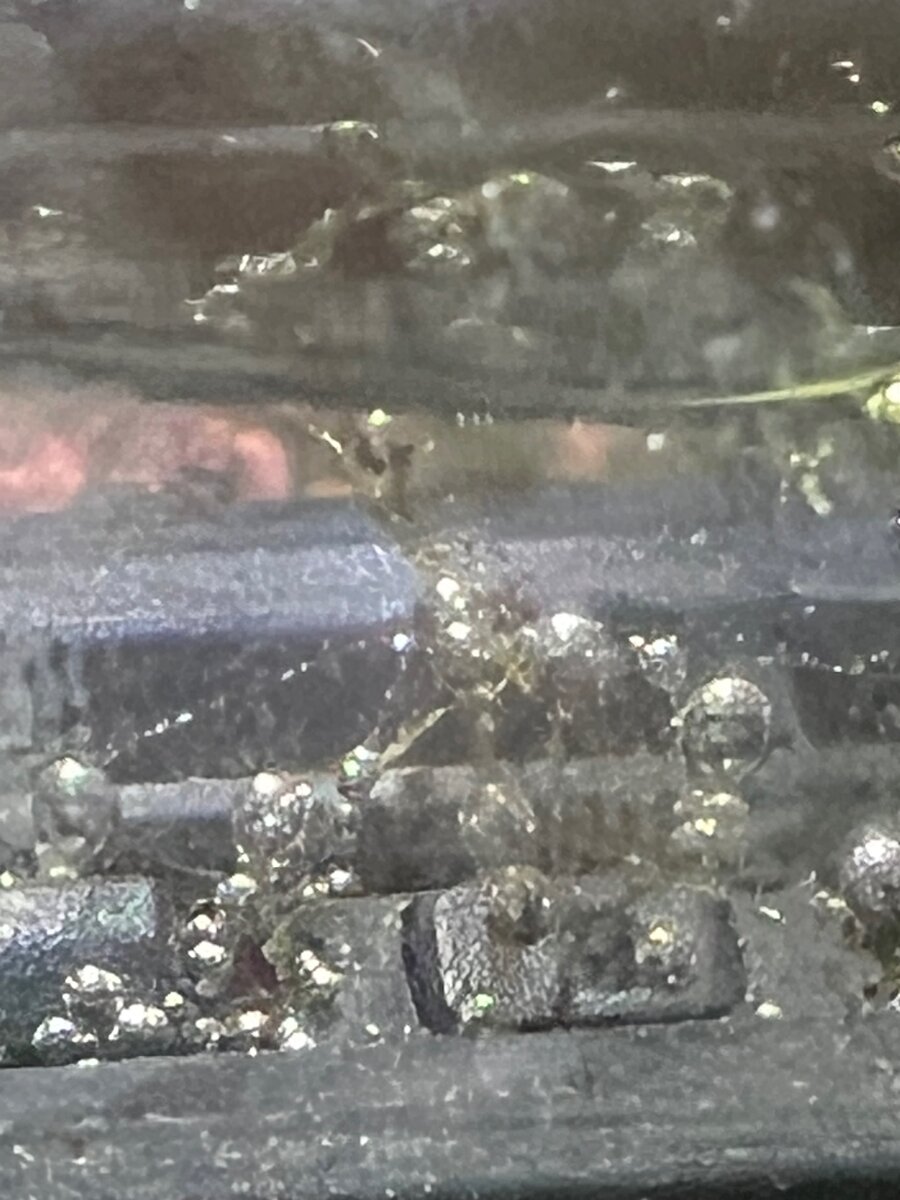
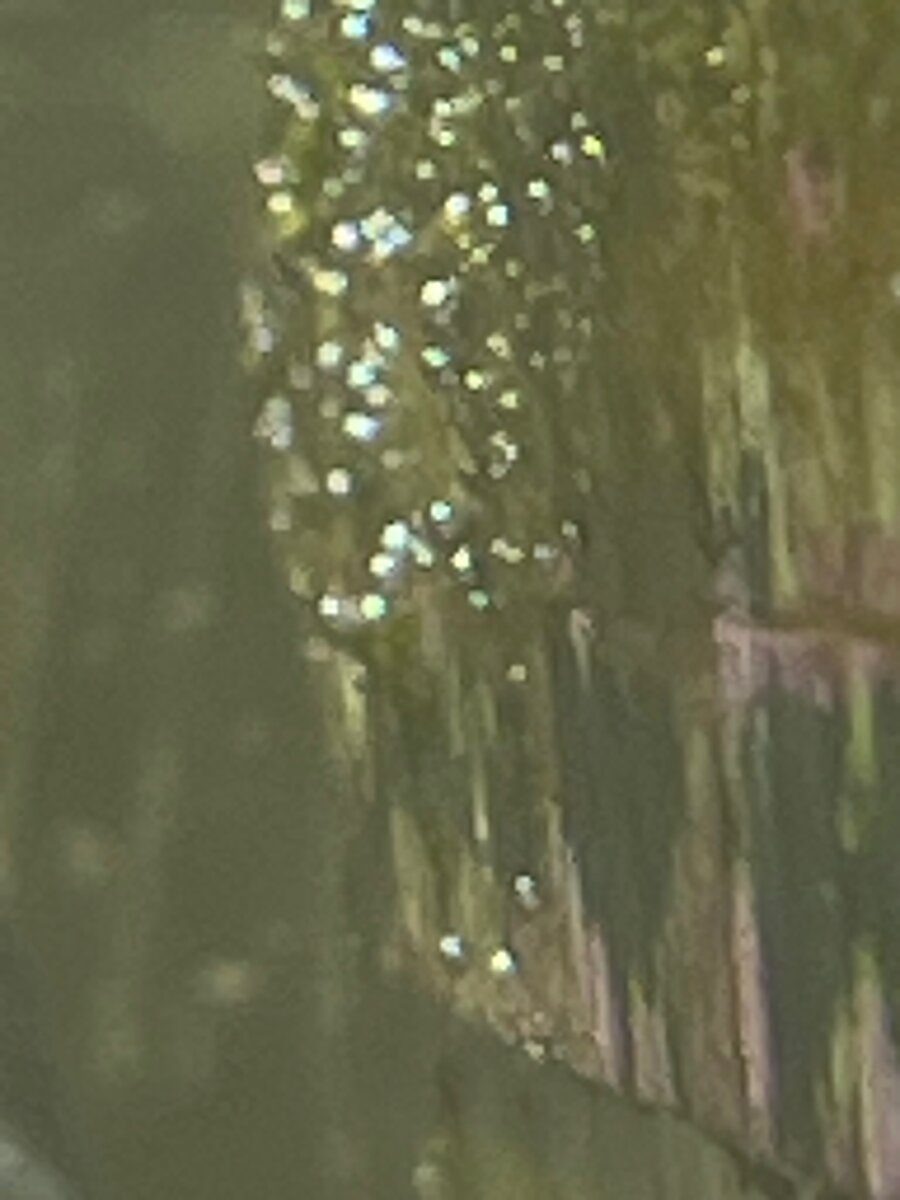
I have been fighting this for a few months. The stuff in the sand seems to clump and is very hard to vacuum because it is as heavy as the sand. I have used Red slime remover, with not much help. My nutrients are Nitrates 12 Phosphates .06 Salinity 35 Alkalinity 9.6. I am dosing Red Sea four part and have been happy with tank for years. Coral do not seem to be affected much. Tangs do not seem to eat it. My clean up crew do not seem to live very long. My sand sifting starfish looked like something was biting it. Can someone help me please?
I see cyano all the way and cyano blooms typically happen when phosphate, nitrate and other organic compound levels are too high where there are areas with little flow, detritus builds up and becomes a base for cyano. Water changes are important unlike what the perception of not doing one which reduces the organic content that feeds cyano.
Some of the most common causes include:
- Protein skimmer which fills water with air bubbles which form from the reaction chamber allow dissolved organic compound molecules stick to them. Foam forms at the surface of the water and is then transferred to the collection cup, where it settles as skim-mate. When a protein skimmer is ineffective or absent or cant keep up with the tank, the air bubbles created might be insufficient and can trigger this outbreak .
- Using Aminos can actually feed cyano.
- Overstocking / overfeeding, your tank with nutrients is often causes cyano
- Adding live rock that isn’t completely cured will be a breeding ground for this red slime .
- If you don’t change your water regularly, you’ll soon have this red substance as regular water changes dissolve nutrients which support cyano
- Using water high in nitrates or phosphates are a base for cyano. . . . . Tap water is an example of po4 and no3 introduction.
- Inadequate water flow is often a chief cause of cyano as slow moving water combined with excessive dissolved nutrients creates red slime algae
I recommend to reduce white light intensity or even turn them off for 3-5 days. Add liquid bacteria daily for a week during the day at 1.5ml per 10 gallons. Add Hydrogen peroxide at night at 1ml per 10 gallons. Add a pouch of chemipure Elite which will balance phos and nitrate and keep them in check.
After the 5 days, add a few snails such as cerith, margarita, astrea and nassarius plus 6-8 blue leg hermits to take control.