H. Crispa tentacle length variability

Randy Holmes-Farley

Reef Chemist
View Badges
Joined
Sep 5, 2014
Messages
89,236
Reaction score
92,255
Location
Massachusetts, United States
Rating - 0%
0   0   0
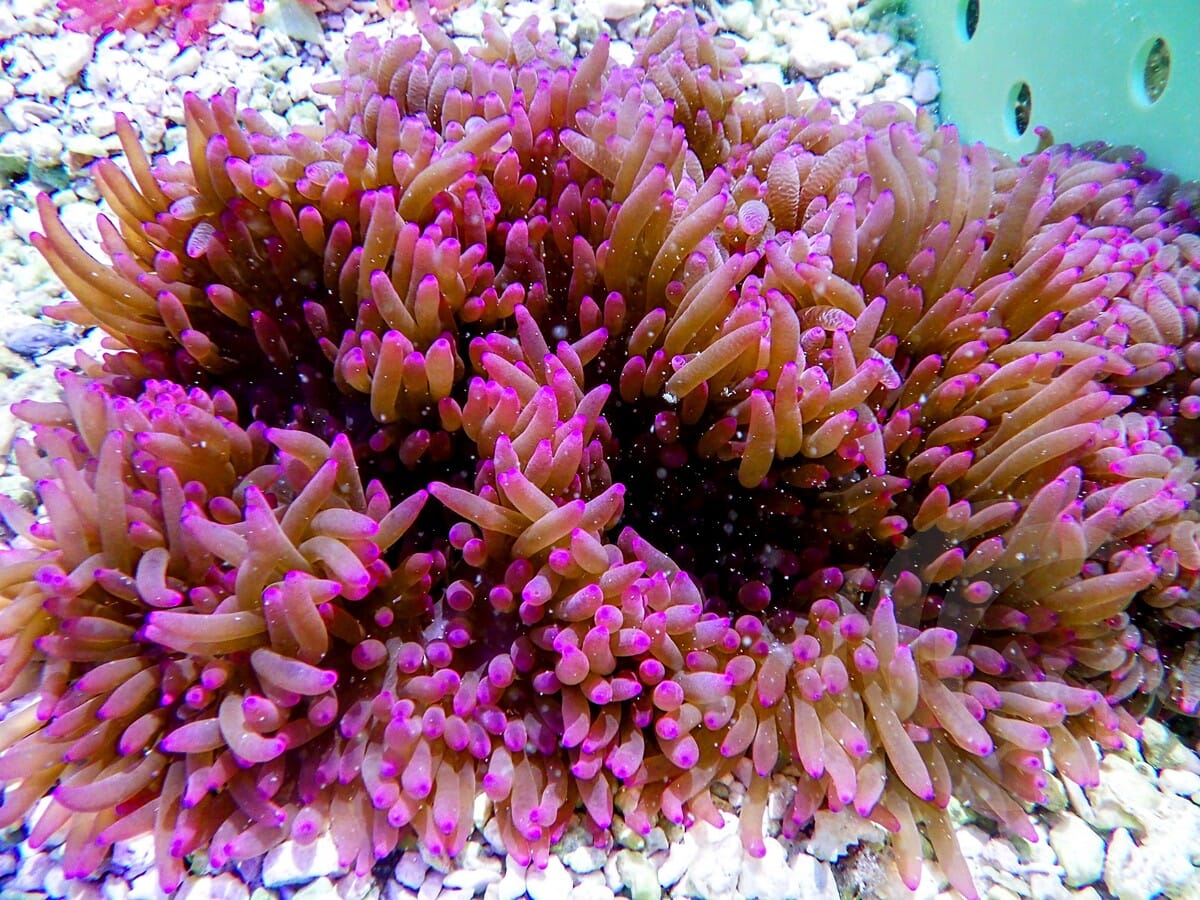
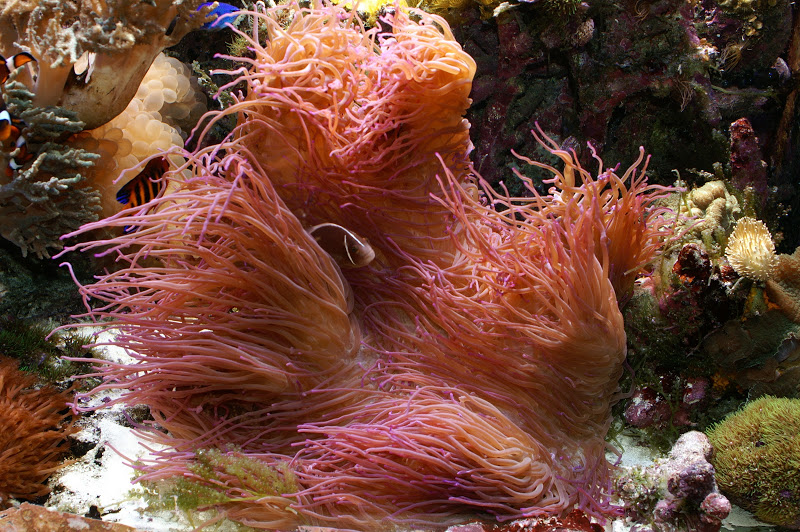
This may actually apply to other species as well, but many H. Crispa for sale have stubby tentacles while the one I had in my old tank had long flowing tentacles.

Why?

Indicator of long term health?
Different genes?
Different conditions?

Any comments are appreciated.


My old one:
1757012942542.jpeg


An H. Crispa currently at PEA:

1757013012625.jpeg
 

bradleym

Valuable Member
View Badges
Joined
Feb 26, 2011
Messages
1,163
Reaction score
1,256
Location
St. Louis, MO
Rating - 0%
0   0   0
Many times, H. Malu is mislabeled as H. Crispa. H. Malu naturally has much shorter tentacles, typically some short around the edge of the oral disc and the rest VERY short in the middle of the oral disc. This looks possibly the case with your photo from PEA.

However, H. Crispa in general often does not do well adapting to captivity at first. They tend to bleach, and during the recovery process will start to consume themselves for energy. This also can occur in aquariums with ultra low nutrients. Once established in a healthy environment with proper lighting and nutrition, the tentacles will regrow to their original length and color.

These are the two most common causes of the confusion regarding H. Crispa tentacle length as far as I am aware of.
 

OrionN

Anemones
View Badges
Joined
Jul 28, 2013
Messages
11,302
Reaction score
22,511
Location
Corpus Christi, TX
Rating - 0%
0   0   0
It is health related. However I also agree with @bradleym regarding (@PacificEastAquaculture) Dr. Mac has tendency to miss ID Malu and Crispa. The several purple tipped anemone on the site listed over the last several months, I would have ID them as Malu rather than Crispa on over 1/2 of them.
I am sure having them right in front of him, he would have an advantage over me so I cannot say I am right 100% of the time.
 

TOP 10 Trending Threads

WHAT AMOUNT OF LIVE ROCK AND SAND SHOULD BE PRIORITIZED FOR OPTIMAL BIODIVERSITY/FILTRATION?

  • 100% live rock + bagged sand

    Votes: 34 27.0%
  • 100% dry rock + 100% live sand

    Votes: 45 35.7%
  • 50/50 live/dry rock, 50/50 live/bagged sand

    Votes: 27 21.4%
  • 75% live rock, 25% live sand

    Votes: 11 8.7%
  • 25% live rock, 75% live sand

    Votes: 9 7.1%
Back
Top