Get your scrutiny glasses on. :)
But it's easy to tell these three apart if you know what you're looking for.
H. ornatissimus and H. claudia are a bit similar as adults, but knowing where the questionable fish was collected helps. H. ornatissimus comes from Hawaii, while claudia usually comes from Fiji.
H. biocellatus is easy distinguishable as an adult, but juveniles of this species are also pretty close to juveniles of biocellatus.
Clear as mud? Picture time.
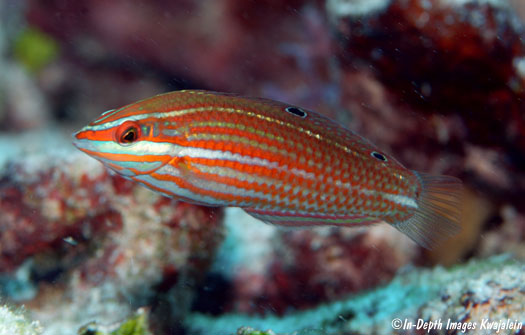
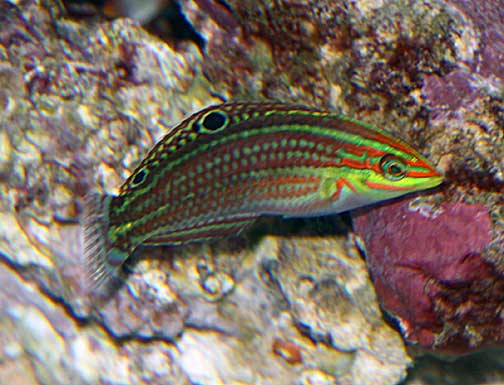
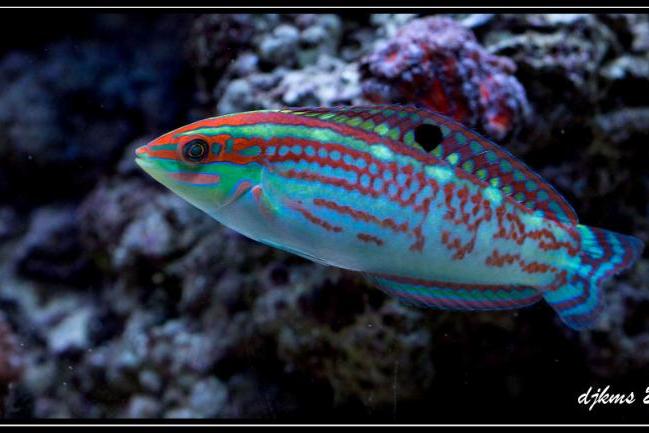
Let's start with biocellatus. It is the most different as it always has the wide white/light green stripe below the eye which continues down the mid-side of the fish. As a juvenile, it also faintly extends to the tail. Also pay attention to the red stripe below the wide white/light green stripe, as it is unique to this species. This is the only one of the three in question where it extends from the nose to the pectoral fins, and then bifurcates into two stripes.
Juvi H. biocellatus:
Adult H. biocellatus:
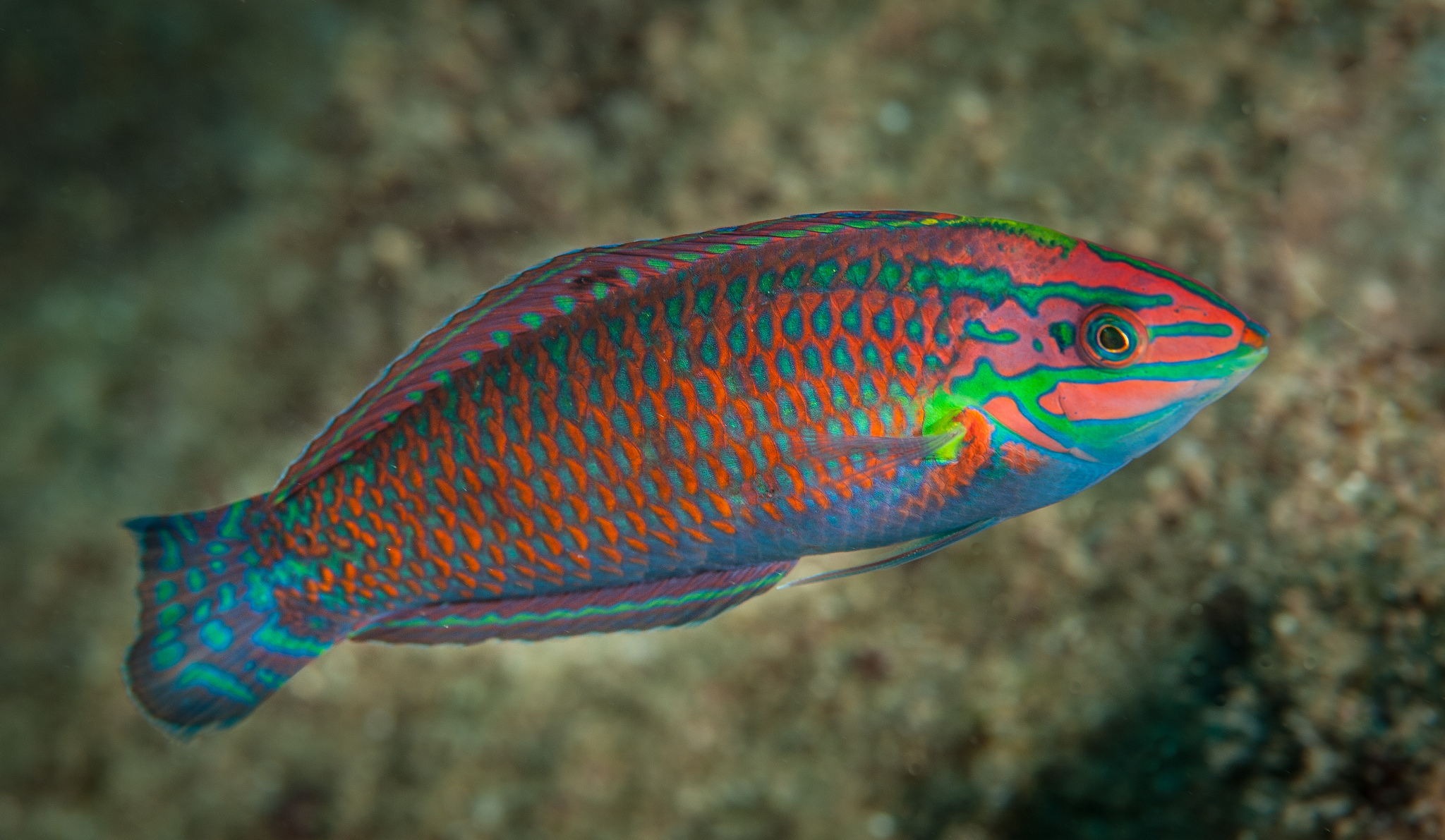
As I said, the juveniles of ornatissimus looks similar, but they are easily distinguished by paying mind to the red stripe below the wide white/light green stripe. You can see it does NOT extend back to the pelvic fins in the species. It's also more green overall than biocellatus as a juvi, but that doesn't help much if you haven't seen both before. As an adult, the species gets a pretty uniform pattern across the body. It also gets much larger than that other two in question here, and is also pretty nasty as an adult.
Juvi H. ornatissimus:
Adult H. ornatissimus:
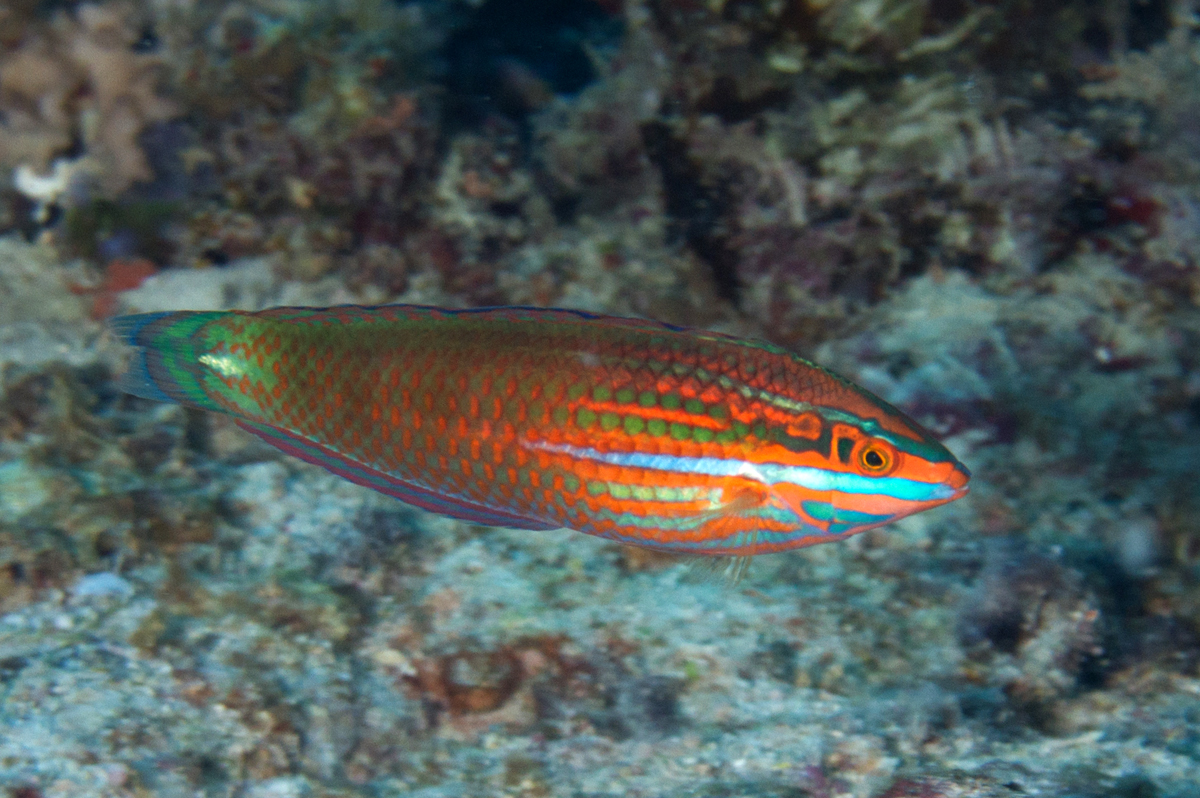
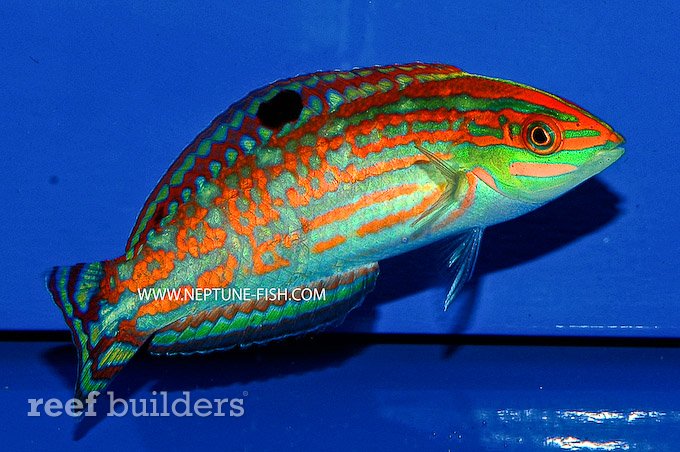
Lastly, H. claudia is pretty different as a juvi. It does have the identical marking under the wide stripe to ornatissimus, but the markings on the body are very different. As an adult, its markings do not change much, and it remains quite different from ornatissimus by having a seemingly random pattern in comparison.
Juvi H. claudia:
Adult H. claudia: