


Scoly Rehabilitation

  • Thread starter Thread starter Coralogy_
  • Start date Start date
  • Tagged users Tagged users None

Coralogy_

Community Member
View Badges
Joined
Dec 5, 2023
Messages
39
Reaction score
52
Location
Denver
Rating - 0%
0   0   0
About a month ago received a dying scoly and I've been in the process of rehabilitating it. I wanted to share my experience because I initially couldn’t find much information on what people were doing to bring back dying scolys. Since the scoly was in rough shape and didn't initially respond to feeding, I focused on additives that could be absorbed through its flesh to provide some nutrients.

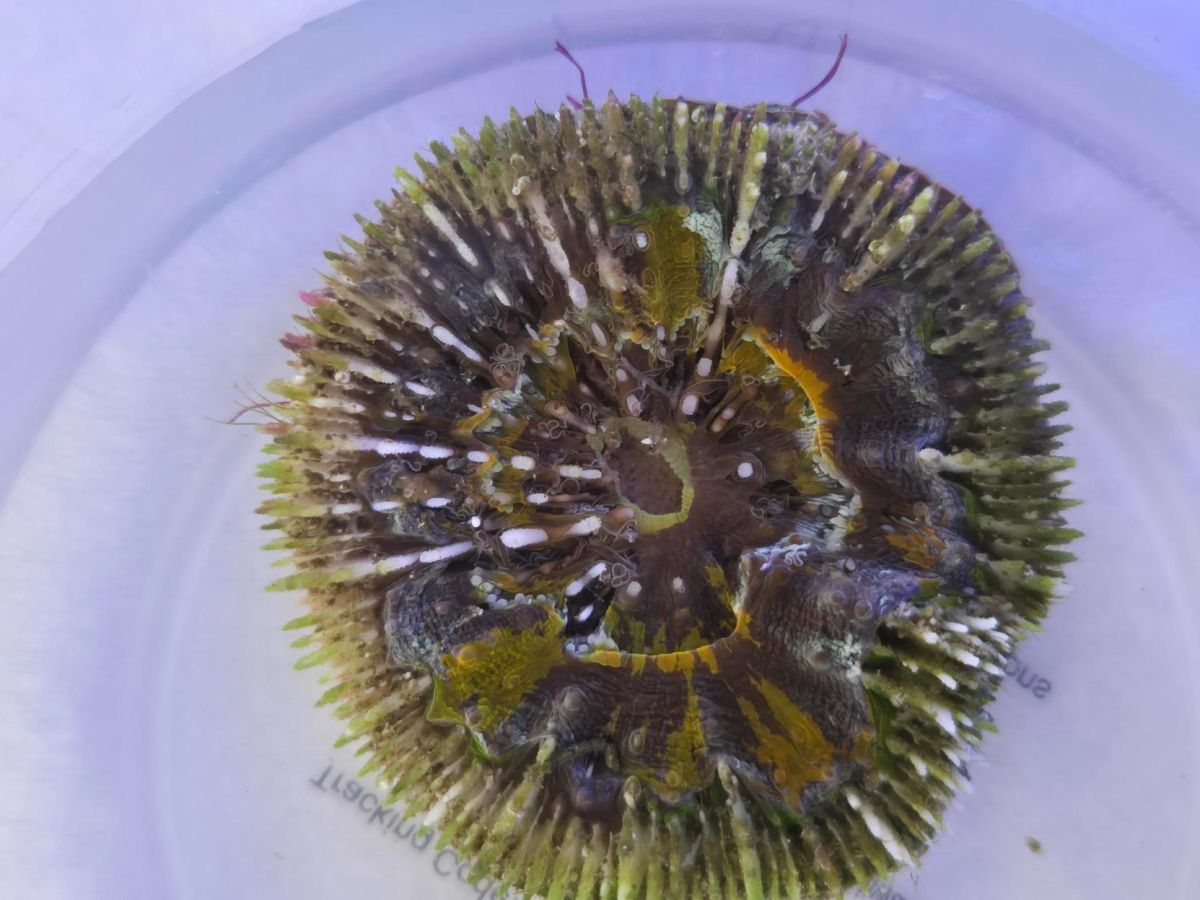
Day 1 (3/12): I received the coral, dipped it in Coral RX and examined the flesh and checked for pests. There was serious tissue damage, and an exposed skeleton. I placed it in low light (literally in a shaded area) and a low flow area.
1744232996204.png
1744233014353.png
1744233494583.png


Day 2 (3/13): I removed the scoly from the tank and placed it in a cup, where I added a drop of KZ Sponge Power, a drop of KZ Coral Vitalizer, some Brightwell Amino Acids, and a small amount of KZ Pohls Xtra. I repeated this for three days. The scoly’s tissue began expanding and looking fuller, the stress tentacles retracted, and its mouth closed for the most part.
1744233074159.png

Day 6 (3/17): I checked the scoly at night and for the first time since receiving it, I saw its feeder tentacles were extended.

Day 7 (3/18): I fed the scoly LPS pellets, and it had a good feeding response and ate some of the pellets before my hermit crabs stole the rest.

Day 8 (3/19): The scoly was looking much healthier. I decided that feeding the scoly once a week would probably help continue its recovery.
1744233125060.png


End of March (3/25): Scoly is looking much better. The tissue is starting to stretch over the skeleton.
1744233235496.png


(4/9): About a month later, the Scoly is almost fully recovered. I’ve moved the scoly to the front of my tank where it receives more light but still low flow. I'm hopeful that in the next few months the whole skeleton will be covered again.

1744233292937.png
1744233311155.png
 
Great recovery!
Cant wait to see the fully recovered pic under full lights.
 
About a month ago received a dying scoly and I've been in the process of rehabilitating it. I wanted to share my experience because I initially couldn’t find much information on what people were doing to bring back dying scolys. Since the scoly was in rough shape and didn't initially respond to feeding, I focused on additives that could be absorbed through its flesh to provide some nutrients.

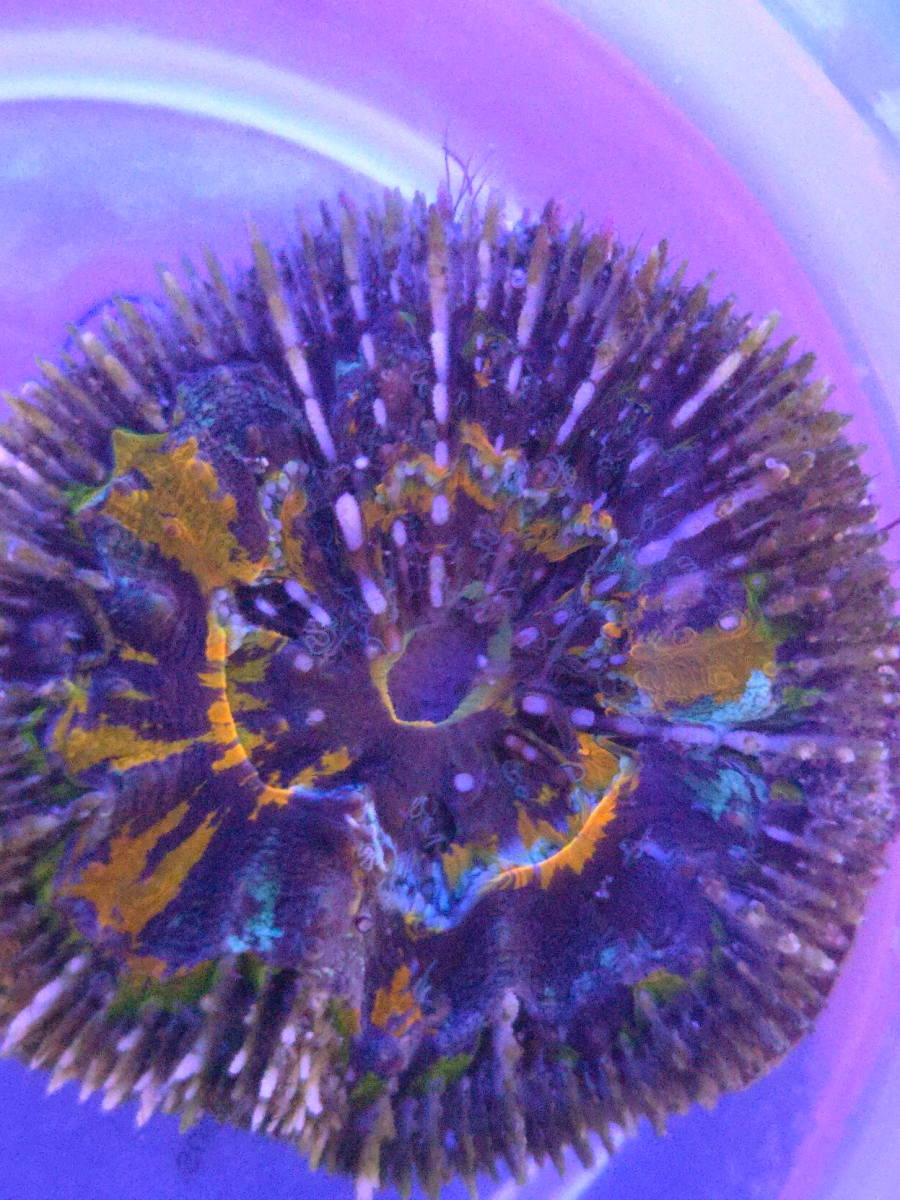
Day 1 (3/12): I received the coral, dipped it in Coral RX and examined the flesh and checked for pests. There was serious tissue damage, and an exposed skeleton. I placed it in low light (literally in a shaded area) and a low flow area.
1744232996204.png
1744233014353.png
1744233494583.png


Day 2 (3/13): I removed the scoly from the tank and placed it in a cup, where I added a drop of KZ Sponge Power, a drop of KZ Coral Vitalizer, some Brightwell Amino Acids, and a small amount of KZ Pohls Xtra. I repeated this for three days. The scoly’s tissue began expanding and looking fuller, the stress tentacles retracted, and its mouth closed for the most part.
1744233074159.png

Day 6 (3/17): I checked the scoly at night and for the first time since receiving it, I saw its feeder tentacles were extended.

Day 7 (3/18): I fed the scoly LPS pellets, and it had a good feeding response and ate some of the pellets before my hermit crabs stole the rest.

Day 8 (3/19): The scoly was looking much healthier. I decided that feeding the scoly once a week would probably help continue its recovery.
1744233125060.png


End of March (3/25): Scoly is looking much better. The tissue is starting to stretch over the skeleton.
1744233235496.png


(4/9): About a month later, the Scoly is almost fully recovered. I’ve moved the scoly to the front of my tank where it receives more light but still low flow. I'm hopeful that in the next few months the whole skeleton will be covered again.

1744233292937.png
1744233311155.png
Awesome set of photos! I admire your care and dedication. How is the scoly doing nowadays?
 
Thanks for the interest! It has now been 7 months since I got that scoly. It almost fully recovered, each month the flesh attaches more to the skeleton. Right now, it kind of skirts over the bottom of the skeleton. It looks great though:
1759782966596.png
 
Thanks for the interest! It has now been 7 months since I got that scoly. It almost fully recovered, each month the flesh attaches more to the skeleton. Right now, it kind of skirts over the bottom of the skeleton. It looks great though:
1759782966596.png
You are the Scoly Whisperer! The scoly looks fantastic!
 
Thanks for the interest! It has now been 7 months since I got that scoly. It almost fully recovered, each month the flesh attaches more to the skeleton. Right now, it kind of skirts over the bottom of the skeleton. It looks great though:
1759782966596.png
Awesome work!
What do you think was the main thing you did that helped help the scoly recover?
Asking as I've lost a couple over the years.
 
About a month ago received a dying scoly and I've been in the process of rehabilitating it. I wanted to share my experience because I initially couldn’t find much information on what people were doing to bring back dying scolys. Since the scoly was in rough shape and didn't initially respond to feeding, I focused on additives that could be absorbed through its flesh to provide some nutrients.

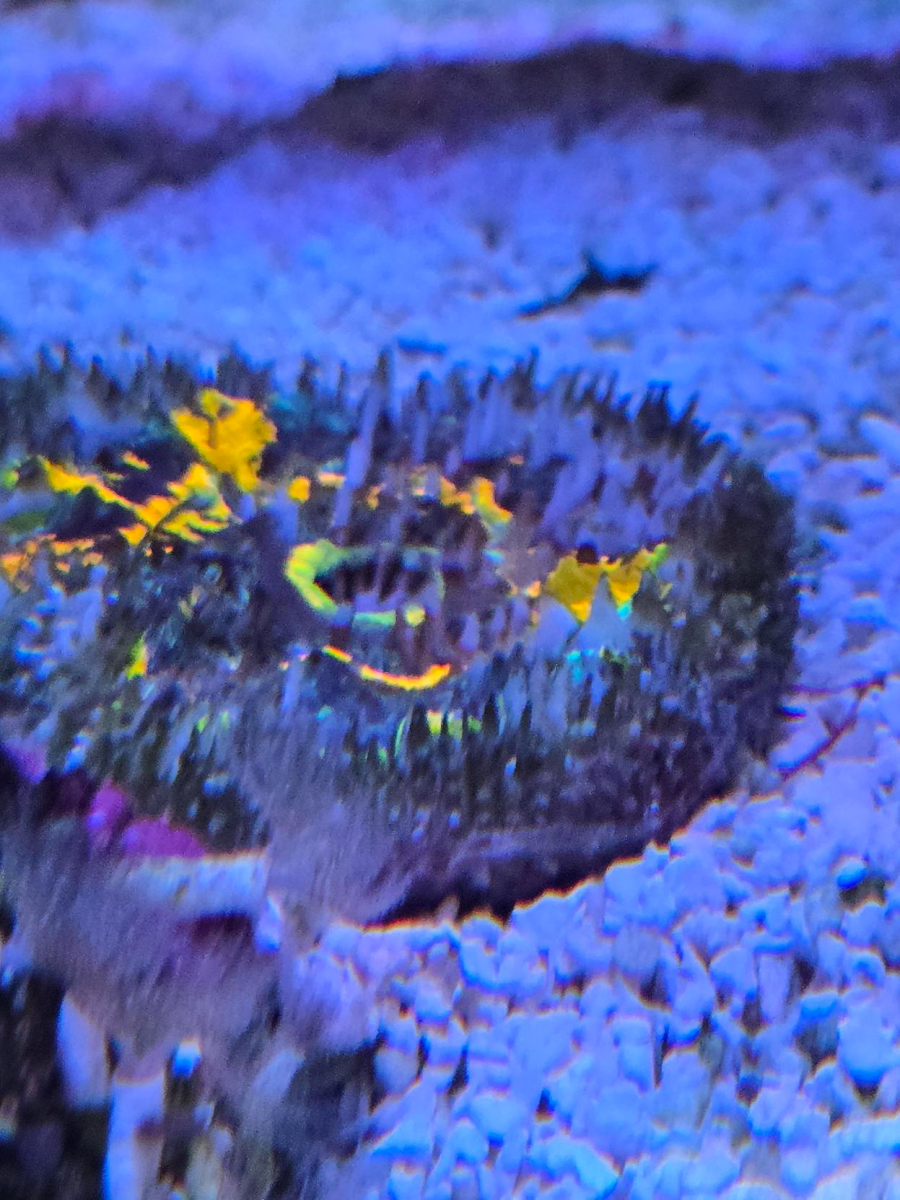
Day 1 (3/12): I received the coral, dipped it in Coral RX and examined the flesh and checked for pests. There was serious tissue damage, and an exposed skeleton. I placed it in low light (literally in a shaded area) and a low flow area.
1744232996204.png
1744233014353.png
1744233494583.png


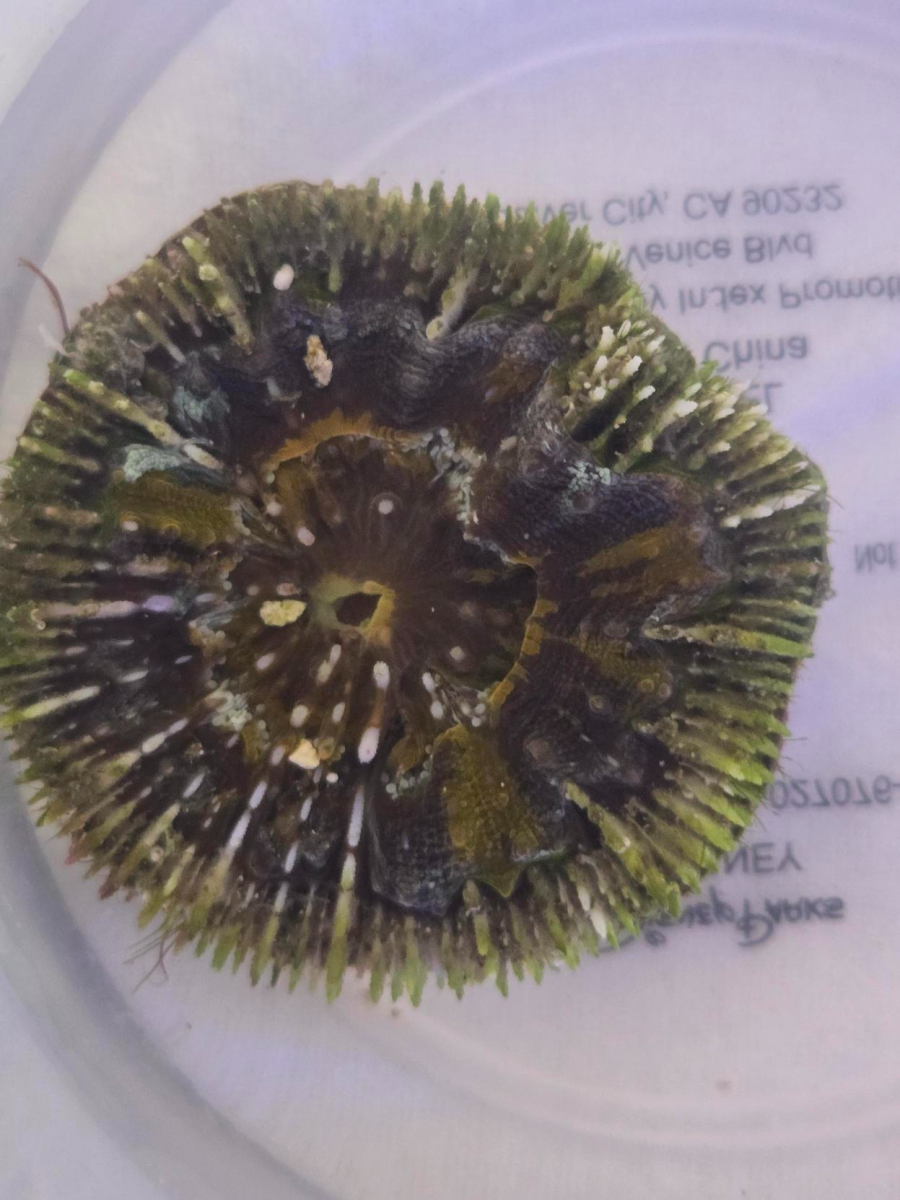
Day 2 (3/13): I removed the scoly from the tank and placed it in a cup, where I added a drop of KZ Sponge Power, a drop of KZ Coral Vitalizer, some Brightwell Amino Acids, and a small amount of KZ Pohls Xtra. I repeated this for three days. The scoly’s tissue began expanding and looking fuller, the stress tentacles retracted, and its mouth closed for the most part.
1744233074159.png

Day 6 (3/17): I checked the scoly at night and for the first time since receiving it, I saw its feeder tentacles were extended.

Day 7 (3/18): I fed the scoly LPS pellets, and it had a good feeding response and ate some of the pellets before my hermit crabs stole the rest.

Day 8 (3/19): The scoly was looking much healthier. I decided that feeding the scoly once a week would probably help continue its recovery.
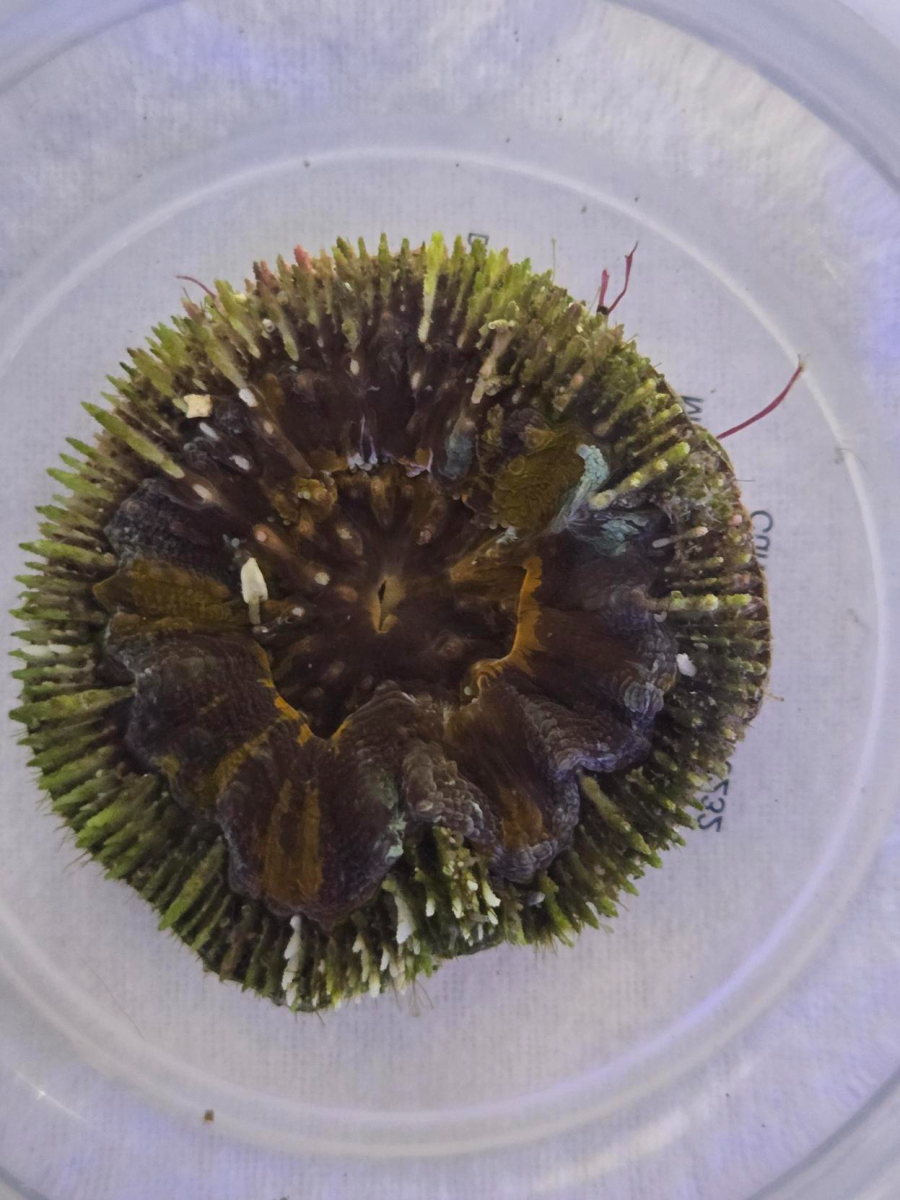
1744233125060.png


End of March (3/25): Scoly is looking much better. The tissue is starting to stretch over the skeleton.
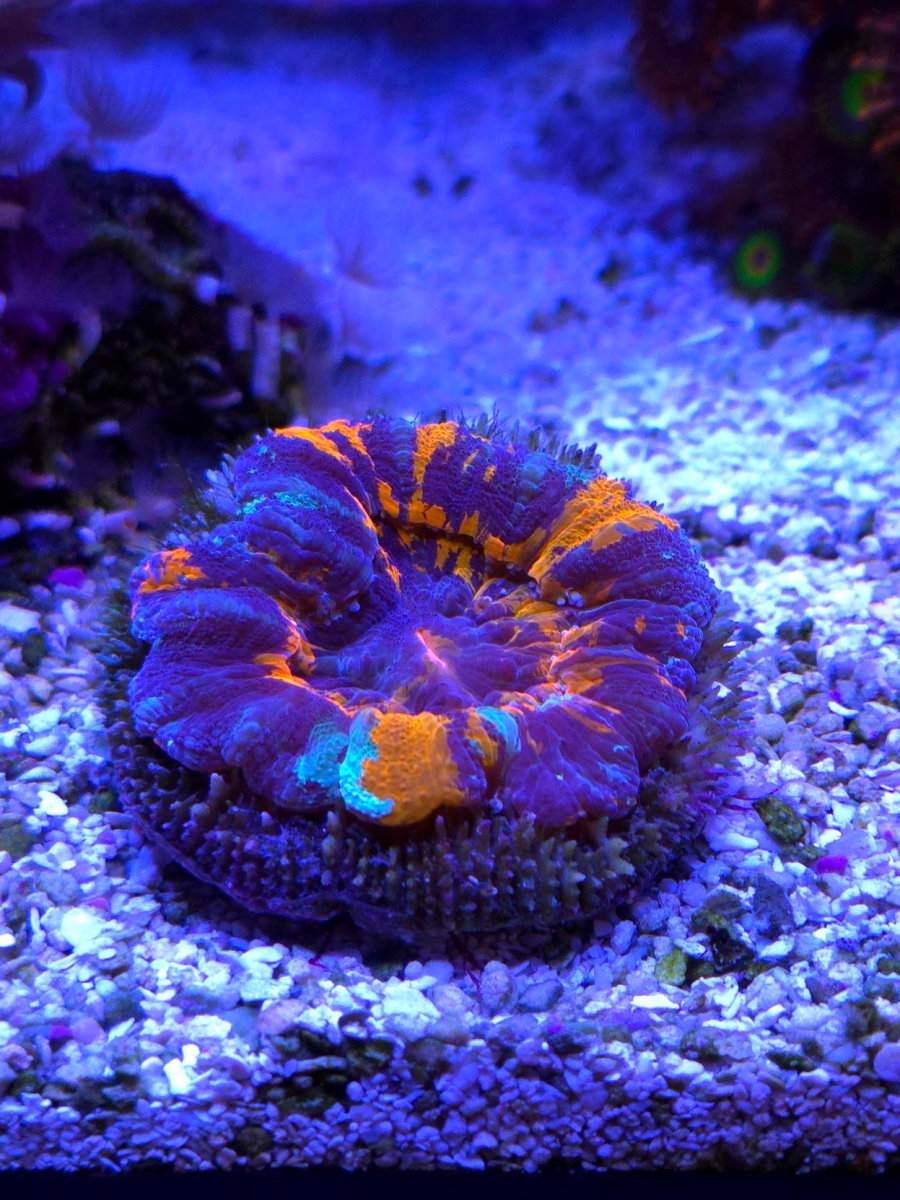
1744233235496.png


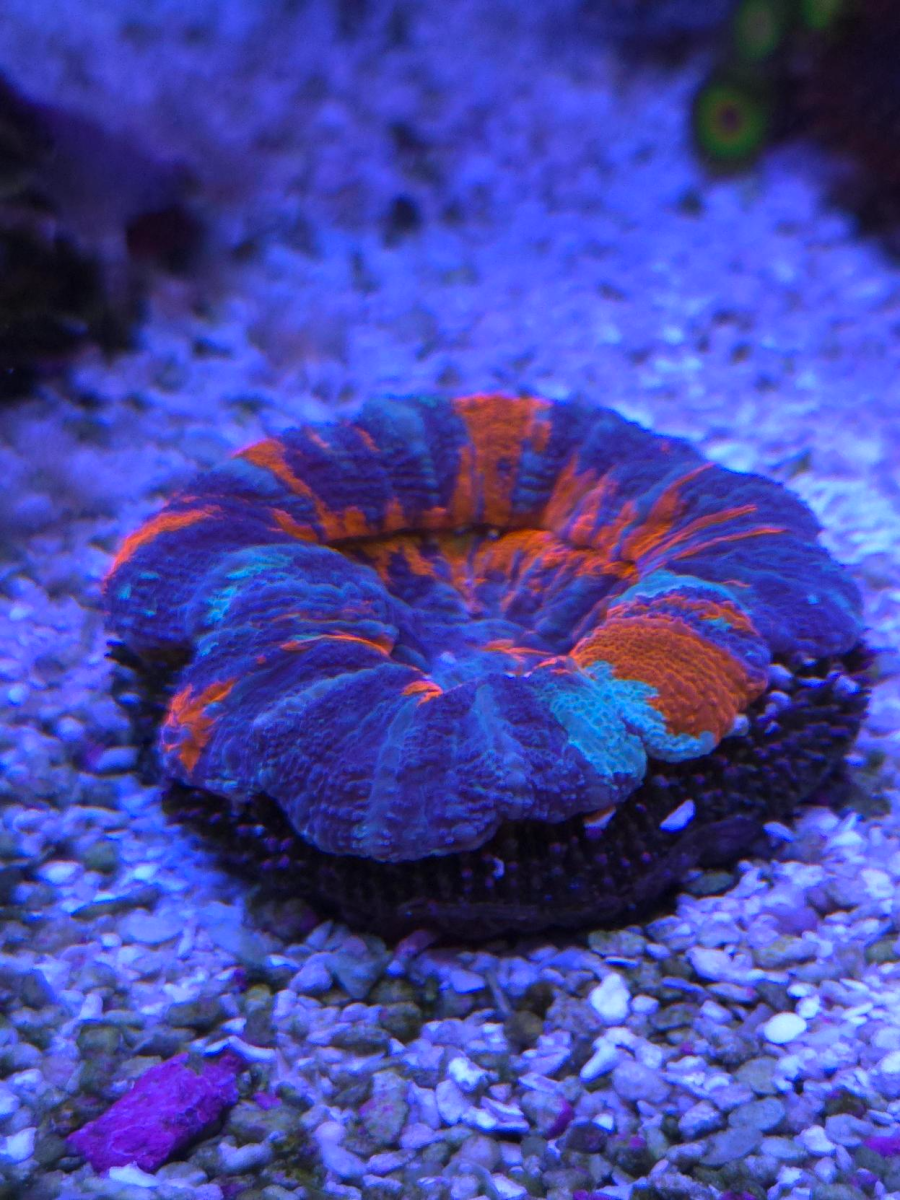
(4/9): About a month later, the Scoly is almost fully recovered. I’ve moved the scoly to the front of my tank where it receives more light but still low flow. I'm hopeful that in the next few months the whole skeleton will be covered again.
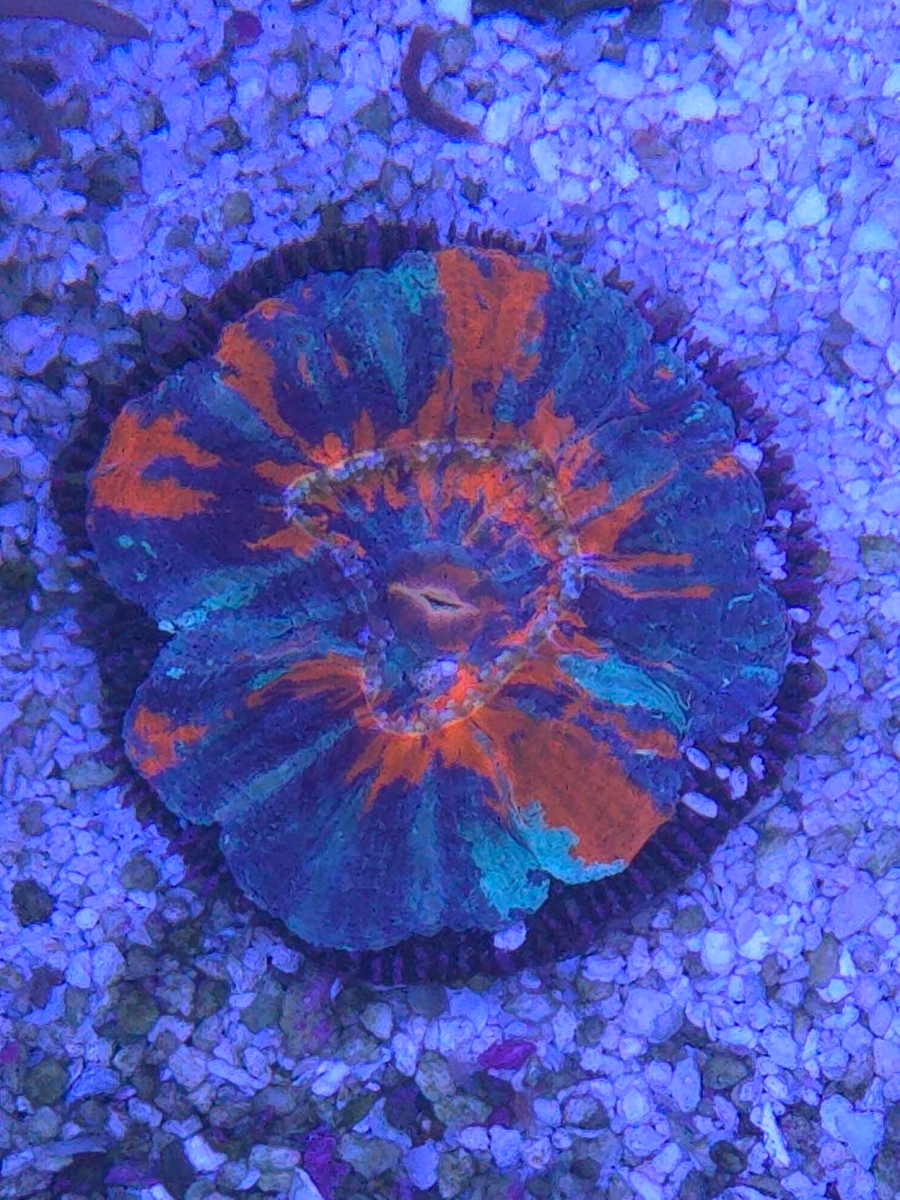
1744233292937.png
1744233311155.png
On the days were you removed the scoly from the tank and placed it in a cup, how long did you leave the scoly in the cup with the amino acid and KZ products before returning it to the tank?
 
Thanks for the interest! It has now been 7 months since I got that scoly. It almost fully recovered, each month the flesh attaches more to the skeleton. Right now, it kind of skirts over the bottom of the skeleton. It looks great though:
1759782966596.png
Awesome work!
What do you think was the main thing you did that helped help the scoly recover?
Asking as I've lost a couple over the years.
I'm not entirely sure! Since the scoly has recovered, I haven't fed it anything for the most part. I dose amino acids daily and I typically have nitrates below 5 and phosphates around .03.
 
About a month ago received a dying scoly and I've been in the process of rehabilitating it. I wanted to share my experience because I initially couldn’t find much information on what people were doing to bring back dying scolys. Since the scoly was in rough shape and didn't initially respond to feeding, I focused on additives that could be absorbed through its flesh to provide some nutrients.

Day 1 (3/12): I received the coral, dipped it in Coral RX and examined the flesh and checked for pests. There was serious tissue damage, and an exposed skeleton. I placed it in low light (literally in a shaded area) and a low flow area.
1744232996204.png
1744233014353.png
1744233494583.png


Day 2 (3/13): I removed the scoly from the tank and placed it in a cup, where I added a drop of KZ Sponge Power, a drop of KZ Coral Vitalizer, some Brightwell Amino Acids, and a small amount of KZ Pohls Xtra. I repeated this for three days. The scoly’s tissue began expanding and looking fuller, the stress tentacles retracted, and its mouth closed for the most part.
1744233074159.png

Day 6 (3/17): I checked the scoly at night and for the first time since receiving it, I saw its feeder tentacles were extended.

Day 7 (3/18): I fed the scoly LPS pellets, and it had a good feeding response and ate some of the pellets before my hermit crabs stole the rest.

Day 8 (3/19): The scoly was looking much healthier. I decided that feeding the scoly once a week would probably help continue its recovery.
1744233125060.png


End of March (3/25): Scoly is looking much better. The tissue is starting to stretch over the skeleton.
1744233235496.png


(4/9): About a month later, the Scoly is almost fully recovered. I’ve moved the scoly to the front of my tank where it receives more light but still low flow. I'm hopeful that in the next few months the whole skeleton will be covered again.

1744233292937.png
1744233311155.png
On the days were you removed the scoly from the tank and placed it in a cup, how long did you leave the scoly in the cup with the amino acid and KZ products before returning it to the tank?
I would keep it in there for about 3 minutes!
 
I have a Scoly that might be receding a bit, but I think that was previously because I have nitrate instability. Now about 2 weeks ago I have a giant phosphate bloom and they sit around 1.75-2. All my corals look great. Would the high phosphates cause the Scoly to start receding or damage its skeleton. It opens up a lot every day and at night it's feeders open up.
 
I have a Scoly that might be receding a bit, but I think that was previously because I have nitrate instability. Now about 2 weeks ago I have a giant phosphate bloom and they sit around 1.75-2. All my corals look great. Would the high phosphates cause the Scoly to start receding or damage its skeleton. It opens up a lot every day and at night it's feeders open up.
Possibly! The change phosphate could have resulted in stressing out the scoly and causing it to recede. But, hard to say because there could be so many contributing factors. Hopefully it'll go back to normal once your phos is stable.
 
I have a Scoly that might be receding a bit, but I think that was previously because I have nitrate instability. Now about 2 weeks ago I have a giant phosphate bloom and they sit around 1.75-2. All my corals look great. Would the high phosphates cause the Scoly to start receding or damage its skeleton. It opens up a lot every day and at night it's feeders open up.
Possibly! The change phosphate could have resulted in stressing out the scoly and causing it to recede. But, hard to say because there could be so many contributing factors. Hopefully it'll go back to normal once your phos is stable.
I got my phosphates to be stable at about 1.75-2, haven’t tested in a while bc I’m out of reagent but ordered some more and will be here soon. I think it might have been the fact I had some vermetid snails on there I thought I killed but they were still alive so I got rid of them completely and the scoly is looking happier now than it has been in a couple of days.
 
Thanks for the interest! It has now been 7 months since I got that scoly. It almost fully recovered, each month the flesh attaches more to the skeleton. Right now, it kind of skirts over the bottom of the skeleton. It looks great though:
1759782966596.png
Sorry if you answered this but I didn’t recall seeing it anywhere


How did you keep the exposed skeleton clean enough for the flesh to start growing back over it?

I had one I tried to revive and the exposed skeleton would get algae growth on it but I did not put it in a shaded area unlike yours

Thanks for any info.
 
Sorry if you answered this but I didn’t recall seeing it anywhere


How did you keep the exposed skeleton clean enough for the flesh to start growing back over it?

I had one I tried to revive and the exposed skeleton would get algae growth on it but I did not put it in a shaded area unlike yours

Thanks for any info.
I had some algae growth on the skeleton in the beginning, which I would take out and scrub off when I was dipping it in my mix. But, after the first month or so it wasn't really an issue. One of the issues I did have was vermitid snails growing on the skeleton, which I would scrape off every few weeks. The flesh hasn't completely grown over the skeleton, but it is slowly working its way down. It kind of just skirts over the rest of the skeleton now.
 
I had some algae growth on the skeleton in the beginning, which I would take out and scrub off when I was dipping it in my mix. But, after the first month or so it wasn't really an issue. One of the issues I did have was vermitid snails growing on the skeleton, which I would scrape off every few weeks. The flesh hasn't completely grown over the skeleton, but it is slowly working its way down. It kind of just skirts over the rest of the skeleton now.
That is kind of what my Scoly looks like.
 

TOP 10 Trending Threads

Back
Top
Home
Post thread…
Market
What's new








