White Fiber/Strands on Frogspawn Coral

fadijohn

New Member
View Badges
Joined
Jan 4, 2021
Messages
21
Reaction score
12
Location
USA
Rating - 0%
0   0   0
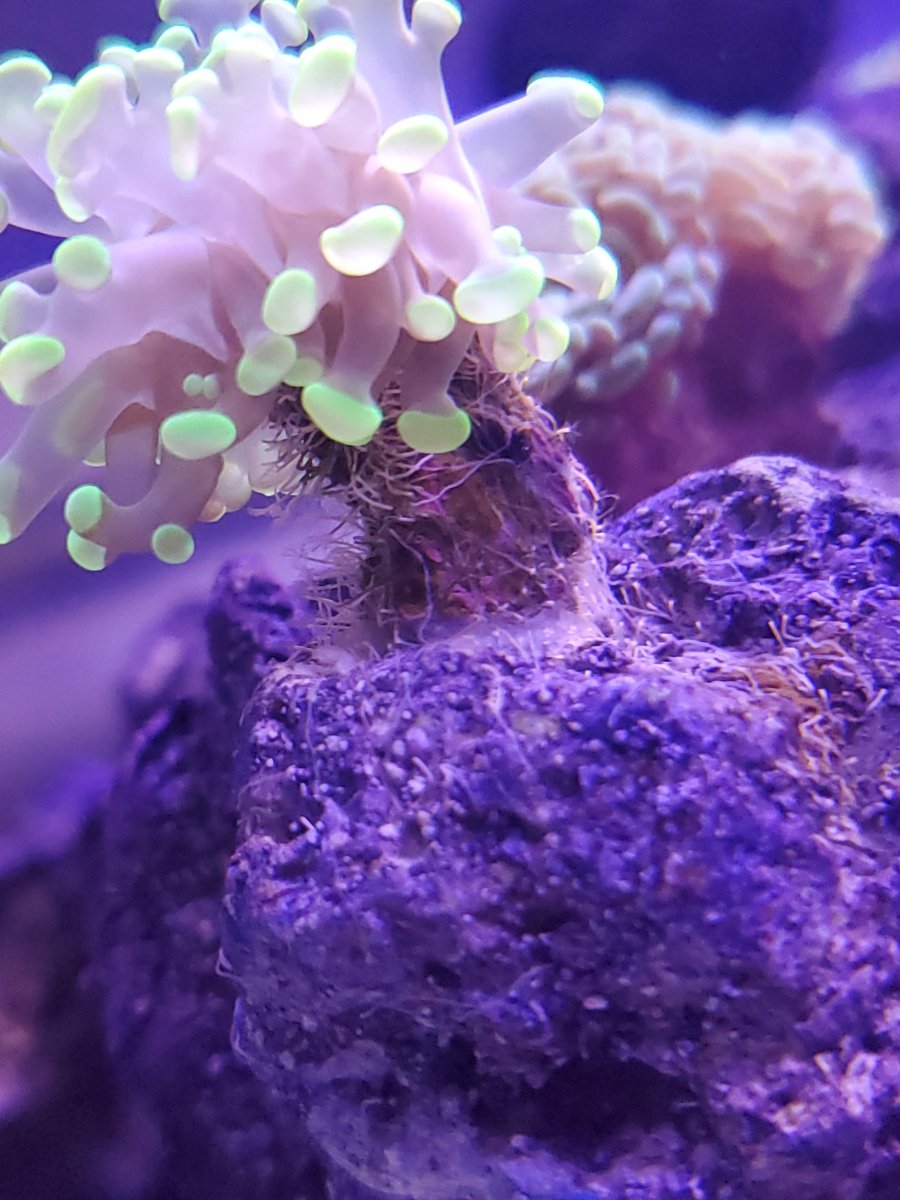
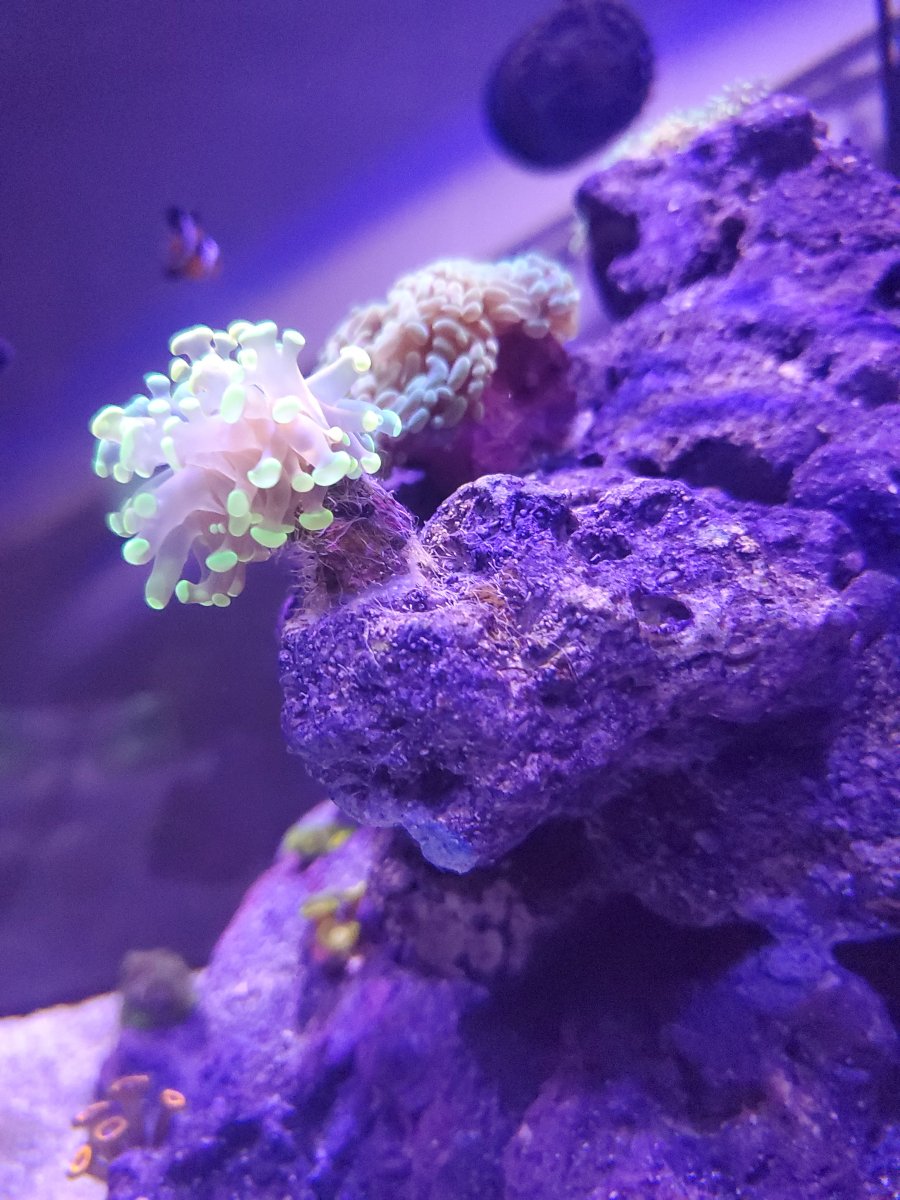
Anyone have an idea what these white fibers/strands/hairs are on my frogspawn coral? I can't tell if it's coming FROM the coral or if it's just wrapped around. I can say though that it's gotten more pronounced and it is moving onto/attaching to the rock as you can see. The coral itself is always fully open and healthy and I don't have any other "issues" in the tank, from what I can tell.

20210427_171543.jpg


20210427_171516.jpg
 

Eagle_Steve

Grandpa of Cronies
View Badges
Joined
Jan 30, 2018
Messages
11,564
Reaction score
48,938
Location
Tennessee
Rating - 0%
0   0   0
Anyone have an idea what these white fibers/strands/hairs are on my frogspawn coral? I can't tell if it's coming FROM the coral or if it's just wrapped around. I can say though that it's gotten more pronounced and it is moving onto/attaching to the rock as you can see. The coral itself is always fully open and healthy and I don't have any other "issues" in the tank, from what I can tell.

20210427_171543.jpg


20210427_171516.jpg
They look like a type of bryozoan. If they are slightly hard and break off, then more than likely what they are. If they are soft and retract when touched, they would be colonial hydroids. Colonial hydroids can irritate corals, so best to check for retraction.

If bryozoans, they are harmless filter feeders and similar to moss, for example. If you want to remove them, no issues there. Just scrape off into a net and discard.

If hydroids, they have to be starved out or removed via a little manual effort. You will need to remove coral from tank, place in a Tupperware container with some old tank water. Scrub the Skelton, being careful not to scrub the flesh of the coral and then remove the coral from the tub for enough time to either put superglue gel over the entire Skelton or apply a 3% peroxide to the skeleton via a cotton ball. Again, make sure not to get any on the flesh of the coral. After that, you can rinse the Skelton in another tub of old tank water and place back in the tank.

To starve them out, you will need to direct flow right at them, but that may be too much flow for the coral, so may not be an option.

 
OP
OP
F

fadijohn

New Member
View Badges
Joined
Jan 4, 2021
Messages
21
Reaction score
12
Location
USA
Rating - 0%
0   0   0
They look like a type of bryozoan. If they are slightly hard and break off, then more than likely what they are. If they are soft and retract when touched, they would be colonial hydroids. Colonial hydroids can irritate corals, so best to check for retraction.

If bryozoans, they are harmless filter feeders and similar to moss, for example. If you want to remove them, no issues there. Just scrape off into a net and discard.

If hydroids, they have to be starved out or removed via a little manual effort. You will need to remove coral from tank, place in a Tupperware container with some old tank water. Scrub the Skelton, being careful not to scrub the flesh of the coral and then remove the coral from the tub for enough time to either put superglue gel over the entire Skelton or apply a 3% peroxide to the skeleton via a cotton ball. Again, make sure not to get any on the flesh of the coral. After that, you can rinse the Skelton in another tub of old tank water and place back in the tank.

To starve them out, you will need to direct flow right at them, but that may be too much flow for the coral, so may not be an option.


Thanks for the reply! Sounds like they're bryozoan as you said - they're very brittle and break off very easily, and do not retract when touched.

Will they ultimately take over my rockwork if I don't remove it? It's already started to grow onto the rock beneath, as you can see above.
 

Eagle_Steve

Grandpa of Cronies
View Badges
Joined
Jan 30, 2018
Messages
11,564
Reaction score
48,938
Location
Tennessee
Rating - 0%
0   0   0
Thanks for the reply! Sounds like they're bryozoan as you said - they're very brittle and break off very easily, and do not retract when touched.

Will they ultimately take over my rockwork if I don't remove it? It's already started to grow onto the rock beneath, as you can see above.
They will take over shaded areas and their population is dependent on a available food. Reducing free floating particles will slow them down or starve them out. I have them in all of my tanks and have no issues. They stay to the bottom side of the rocks and are eventually grown over by various sponges that I have.

Again, if they are unpleasing, you can scrub them off and siphon them out while scrubbing. It won’t hurt a thing by removing them.
 
OP
OP
F

fadijohn

New Member
View Badges
Joined
Jan 4, 2021
Messages
21
Reaction score
12
Location
USA
Rating - 0%
0   0   0
They will take over shaded areas and their population is dependent on a available food. Reducing free floating particles will slow them down or starve them out. I have them in all of my tanks and have no issues. They stay to the bottom side of the rocks and are eventually grown over by various sponges that I have.

Again, if they are unpleasing, you can scrub them off and siphon them out while scrubbing. It won’t hurt a thing by removing them.

Awesome, thanks again for the great help!
 

TOP 10 Trending Threads

WHAT AMOUNT OF LIVE ROCK AND SAND SHOULD BE PRIORITIZED FOR OPTIMAL BIODIVERSITY/FILTRATION?

  • 100% live rock + bagged sand

    Votes: 38 27.3%
  • 100% dry rock + 100% live sand

    Votes: 47 33.8%
  • 50/50 live/dry rock, 50/50 live/bagged sand

    Votes: 30 21.6%
  • 75% live rock, 25% live sand

    Votes: 14 10.1%
  • 25% live rock, 75% live sand

    Votes: 10 7.2%
Back
Top