



- Joined
- Mar 29, 2016
- Messages
- 967
- Reaction score
- 1,454
- Location
- Antarctica
- What state or country do you live in
- Other International
I recently came across a study that suggested extended exposure to cyanobacteria had links to ALS and other neurological disorders. The link between cyano and ALS focused on a non-protein amino acid present in cyanobacteria that affects the neurological system of humans.
Disclaimer: I am not a microbiologist. After reading a series of articles, I gathered what I believed to be key information, and compiled it below. This is by no means a way to scare people from the reefing hobby. I have multiple tanks and love them very much. However, I came across an article which got me thinking. So naturally, I now turn toward the R2R community for help.
The Science.
Cyanobacteria produces a non-protein amino acid titled, beta-N-methylamino-L-alanine (BMAA). If humans are subjected to BMAA exposure, the amino acid has a number of toxic effects on motor neurons. BMAA has a direct action on receptors such as NMDA, a glutamate receptor and ion channel protein found in nerve cells. The action on the receptor then causes oxidative stress, and a depletion of glutathione. As a non-protein amino acid, there is a strong possibility that BMAA could cause intraneuronal protein misfolding, the hallmark of neurodegeneration (and diseases such as ALS).
In simpler terms - BMAA is an amino acid produced by cyanobacteria. If humans are exposed to this substance in high and consistent amounts, it can cause degradation of the nervous system. The observed degradation can exist as ALS, Parkinson's, dementia, or other neurological disorders.

(above is BMAA)

(a picture showing what happens to degraded nerves)
What does this mean?
There are numerous species of cyanobacteria. The article referenced a case in Guam where high rates of ALS, Parkinson's, and Dementia existed. Upon further investigation, it became apparent that bio-accumulation of BMAA could be responsible for the observed neurological degradation. In Guam, cycad seeds were consumed and processed in high quantities. However, cycad seeds possess BMAA, which is derived from symbiotic cyanobacteria in the roots of the cycad plant itself. So, how does this pertain to aquariums?
As cyanobacteria contains BMAA, it is know that individuals living near impaired bodies of water possess a 25-fold increased chance of developing ALS. This information was gathered by Dartmouth College while surveying residents and testing water in New Hampshire. As cyanobacterial blooms can occur in both fresh and marine bodies of water, they too exist in aquariums. As exposure to BMAA is possible through direct consumption and contact, is it possible that our aquariums could pose the same risk as an impaired water body?

(cyano in a marine aquarium)

(cyano in a freshwater aquarium)

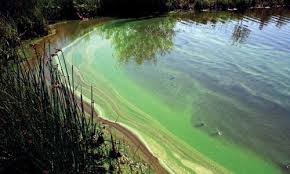
(a wild bloom of cyano - blue-green algae)
So what?
I could not find any studies that suggested aquariums would increase an individuals risk of developing ALS or another neurological disease. However, if cyanobacteria produces BMAA, an amino acid linked to ALS, and humans come in contact with cyanobacteria in the aquarium hobby, are we at risk?
I am wondering if anyone else has come across this information?
My questions are as follow:
- Is cynaobacteria always present in a reef aquarium?
- What type of cyanobacteria typically exist in a reef aquarium? (FYI, there are 2,698 described species of Cyanobacteria)
- Are reefers most at risk of cyano/BMAA exposure during the cycling phase of a tank?
- Does a clean tank possess less cyano than a dirty tank?
- Are there ways to completely remove cyanobactera from a reef system?
- Would LFS and aquaculture workers possess the highest risk of BMAA exposure?
Thank you to anyone who took the time to read this. Would love for more info to manifest on this topic and thread.
_______________________________
Work Cited:
Article explaining Dartmouth study:
https://www.wmur.com/article/could-there-be-a-link-between-cyanobacteria-and-als/5208090
2010 Study on Cyano toxicity:
https://www.mdpi.com/2072-6651/2/12/2837/htm
Cycad Seeds:
https://en.wikipedia.org/wiki/Cycad
BMAA:
https://en.wikipedia.org/wiki/Beta-Methylamino-L-alanine
Species of cyano:
https://link.springer.com/article/10.1007/s10531-013-0561-x
BMAA exposure and ALS:
https://www.tandfonline.com/doi/abs/10.3109/17482960903286066
Disclaimer: I am not a microbiologist. After reading a series of articles, I gathered what I believed to be key information, and compiled it below. This is by no means a way to scare people from the reefing hobby. I have multiple tanks and love them very much. However, I came across an article which got me thinking. So naturally, I now turn toward the R2R community for help.
The Science.
Cyanobacteria produces a non-protein amino acid titled, beta-N-methylamino-L-alanine (BMAA). If humans are subjected to BMAA exposure, the amino acid has a number of toxic effects on motor neurons. BMAA has a direct action on receptors such as NMDA, a glutamate receptor and ion channel protein found in nerve cells. The action on the receptor then causes oxidative stress, and a depletion of glutathione. As a non-protein amino acid, there is a strong possibility that BMAA could cause intraneuronal protein misfolding, the hallmark of neurodegeneration (and diseases such as ALS).
In simpler terms - BMAA is an amino acid produced by cyanobacteria. If humans are exposed to this substance in high and consistent amounts, it can cause degradation of the nervous system. The observed degradation can exist as ALS, Parkinson's, dementia, or other neurological disorders.
(above is BMAA)
(a picture showing what happens to degraded nerves)
What does this mean?
There are numerous species of cyanobacteria. The article referenced a case in Guam where high rates of ALS, Parkinson's, and Dementia existed. Upon further investigation, it became apparent that bio-accumulation of BMAA could be responsible for the observed neurological degradation. In Guam, cycad seeds were consumed and processed in high quantities. However, cycad seeds possess BMAA, which is derived from symbiotic cyanobacteria in the roots of the cycad plant itself. So, how does this pertain to aquariums?
As cyanobacteria contains BMAA, it is know that individuals living near impaired bodies of water possess a 25-fold increased chance of developing ALS. This information was gathered by Dartmouth College while surveying residents and testing water in New Hampshire. As cyanobacterial blooms can occur in both fresh and marine bodies of water, they too exist in aquariums. As exposure to BMAA is possible through direct consumption and contact, is it possible that our aquariums could pose the same risk as an impaired water body?
(cyano in a marine aquarium)
(cyano in a freshwater aquarium)
(a wild bloom of cyano - blue-green algae)
So what?
I could not find any studies that suggested aquariums would increase an individuals risk of developing ALS or another neurological disease. However, if cyanobacteria produces BMAA, an amino acid linked to ALS, and humans come in contact with cyanobacteria in the aquarium hobby, are we at risk?
I am wondering if anyone else has come across this information?
My questions are as follow:
- Is cynaobacteria always present in a reef aquarium?
- What type of cyanobacteria typically exist in a reef aquarium? (FYI, there are 2,698 described species of Cyanobacteria)
- Are reefers most at risk of cyano/BMAA exposure during the cycling phase of a tank?
- Does a clean tank possess less cyano than a dirty tank?
- Are there ways to completely remove cyanobactera from a reef system?
- Would LFS and aquaculture workers possess the highest risk of BMAA exposure?
Thank you to anyone who took the time to read this. Would love for more info to manifest on this topic and thread.
_______________________________
Work Cited:
Article explaining Dartmouth study:
https://www.wmur.com/article/could-there-be-a-link-between-cyanobacteria-and-als/5208090
2010 Study on Cyano toxicity:
https://www.mdpi.com/2072-6651/2/12/2837/htm
Cycad Seeds:
https://en.wikipedia.org/wiki/Cycad
BMAA:
https://en.wikipedia.org/wiki/Beta-Methylamino-L-alanine
Species of cyano:
https://link.springer.com/article/10.1007/s10531-013-0561-x
BMAA exposure and ALS:
https://www.tandfonline.com/doi/abs/10.3109/17482960903286066

















