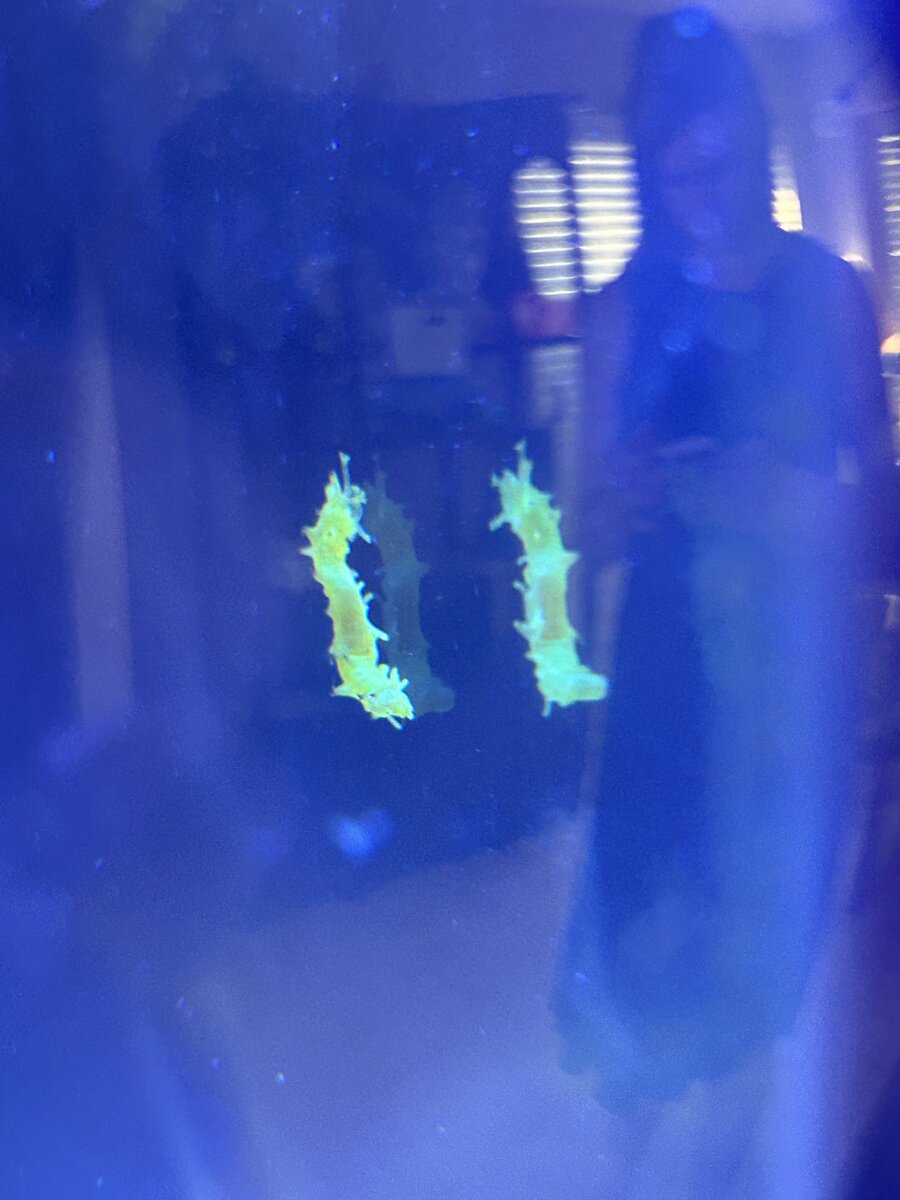
Yeah, all sea cucumbers (including sea apples) are toxic - some are just much, much less likely to release that toxin than others, and some contain less of it than others in the first place. As a general rule (there are exceptions), filter-feeding sea cucumbers are more likely to release toxins than deposit-feeding (A.K.A. sand-sifting) cukes are, and they are more likely to contain more of the toxins as well.
The toxin - Holothurin - is an ichthyotoxin (so it primarily impacts fish); importantly, however, like many other toxins, it will affect inverts (and people) in high enough concentrations. In most aquariums this isn't an issue, as most cukes kept contain relatively low levels of the toxin and are kept in tanks with enough water to dilute it, but it could potentially be an issue in a pico tank if toxins are released into the water (so don't touch the water in the pico if the cuke dies - just change 100% of the water and move on at that point to be safe).
Sea cucumbers can release Holothurin in a variety of ways when severely stressed and when dead/decaying (the toxin is literally in the body - the body wall, organs, etc. - so the cuke doesn't need to be alive to produce the toxin). So, keeping sea cucumbers in a low stress environment is key to avoiding the release of toxins - don't keep them with anything that might harass them (thankfully, not many things typically kept in aquariums bother cukes), make sure they can't get harmed by the equipment/setup of the tank (cukes and unprotected powerheads don't get along), watch for signs of stress or poor health, remove them right away if they die, and keep carbon and mixed saltwater on hand in case of emergencies.
All that to say, in most cases, sea cucumbers are cool, beneficial critters in our tanks and don't "cuke nuke" the tanks even if they do release their toxins - the rare cases where they do "nuke" a tank are good reminders to be aware of and prepared for the risk that they might though.