





Miami Reef
Reef Chem Enthusiast
View BadgesPartner Member 2026
Excellence Award
R2R App User
Expert Contributor
Article Contributor
Rest In Peace
Hospitality Award
305 Reef Club
R2R Research
ThreadAward
My Tank Thread
- Joined
- Sep 8, 2017
- Messages
- 17,251
- Reaction score
- 29,662
- Location
- Miami
- What state or country do you live in
- Florida
I'd like to give my perspective on how I approach dinoflagellates in reef tanks. They can be challenging to treat and release a lot of toxins. I personally dealt with dinos several times in the past, so I've gained a lot of hands-on experience. I've done a lot of research on them, too. Here's how I approach dinos in reef tanks.
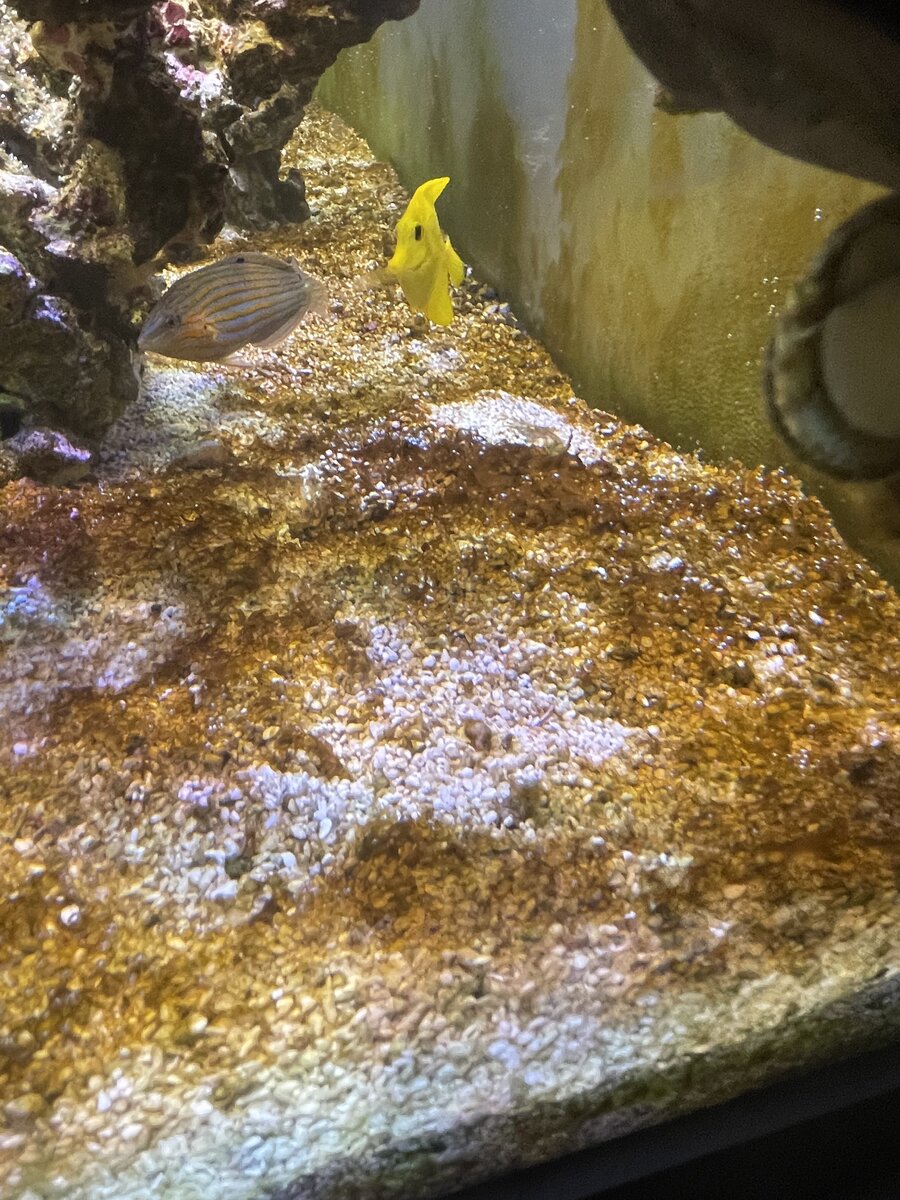
Figure 1. An aquarium with dinos covering the substrate. Photo credit: @jonelder68
Nutrients: Phosphate and Nitrate
If Dinos are present, it is very likely nutrients are bottomed out. There is a massive correlation between tanks with barely detectable nutrients and dinoflagellate infestations, with the strongest correlation of 0 ppm phosphate. The exact cause of Dinos isn't 100% fully understood. While low nutrients don't directly "cause" dinos, per se, they can limit the natural algae and microfauna that naturally dominate and outcompete Dinos in healthy aquariums. You can't exterminate Dinos; they will be present in almost all aquariums, but they usually stay suppressed and dormant in reef tanks.
Phosphate
Keep the phosphate level at a bare minimum of 0.10 ppm. Never allow it to drop below that when dealing with an active dino infestation. I'd personally shoot for 0.20 ppm phosphate to give a nice buffer and account for rock adsorption and consumption. There can be a high phosphate demand in tanks with a dinoflagellate outbreak.
Here is my DIY for phosphate. You can also use Neophos by Brightwell, but the Amazon source in the DIY is inexpensive and more concentrated.
DIY Phosphate Dosing Recipe
Nitrate
While the correlation of dinos is with phosphate, ensuring detectable nitrate can ensure that algae and microorganisms have their nitrogen requirements met to give the best possible chance of success. I'd want at least 10 ppm nitrate available at all times. There are many ways to dose nitrogen sources, and the exact type isn't critical since they all eventually convert into nitrate when enough is dosed. I have several recipes and sources for nitrogen, but Neonitro by Brightwell can also work. Like with Neophos, it's just a bit more expensive and diluted.
DIY Nitrate Dosing Recipe
DIY Ammonia Dosing Chart
DIY Urea + Ammonia Mix Dosing Chart
Even though many of these sources can supply nutrients, I recommend stopping or limiting these additions, at least until dinos are undetectable. Once you're in the clear, you can gradually reintroduce those sources, if desired.
Amino Acids: It's likely the worst thing to add when there's a dino issue. They can exacerbate the problem and can sometimes influence dinos in healthy tanks.
Carbon dosing: Also very unhelpful. Many dino issues significantly worsen with carbon dosing.
Too much food: They provide nutrients, yes, but they also contain lots of organics that dinos can use. Of course, we should always feed our fish. I'm only suggesting feeding what the fish require, and use the inorganic nutrients mentioned above for nutrient dosing. I'd prefer not to excessively feed to raise nutrients if dinos are present, as it can take a while to make a measurable impact on increasing them, and dinos can take advantage of the organic matter.
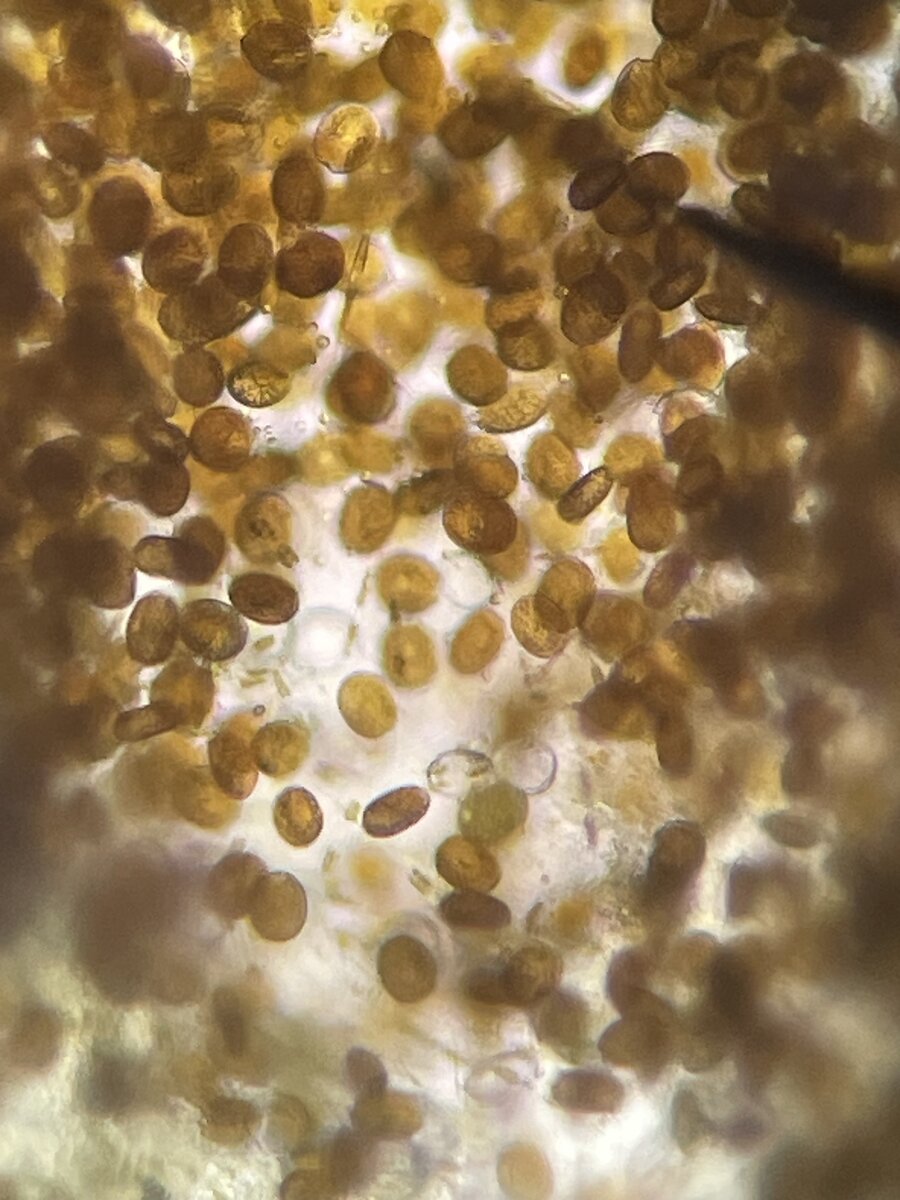
Figure 2. A microscopic view of the dinos from Figure 1. Photo credit: @jonelder68
Microscope
I'm going to go against the grain here and say microscopes are not necessary. Almost every dino species responds to the same general treatment of encouraging competition. Short of determining if the "algae" are actually dinos, I really don't believe a microscope is necessary. There are straightforward, visual cues that tell you all you need to know: if the dinos release from the rocks and substrate at night, they are susceptible to UV or micron filtration. If they don't, the equipment will likely be ineffective, unless you follow the upcoming advice to encourage them to release. I don't want to get too ahead of myself yet. Basically, the money spent on the microscope could have been used just outright to purchase the UV "required" for that particular species. Generally speaking, I believe microscopes are unnecessary.
Increase Biodiversity
It might sound like trading one problem for another, but having natural algae isn't a concern as the tank continues to mature. Herbivores readily consume most of the common algae strains we encounter, and they are not toxic compared to dinoflagellates. If the tank only contains dry rock, go ahead and find some live rocks with natural greens and purples present (algae and coralline). There isn't a need to add pounds and pounds of them. A few pieces of rubble will suffice to seed the tank.
Silicate Dosing
I'm a massive fan of dosing silicate. The diatoms they encourage are fierce competitors of dinos. It's impressive how fast they can work. In my opinion, any dino problems can benefit from silica dosing because diatoms can occupy the bare real estate and similar niche the dinos took over. In addition, diatoms readily feed copepods, and corals can likely consume them when the glass is scraped, too. It makes the tank a much healthier ecosystem.
Contrary to popular belief, your tank will not turn into a brown field of diatoms. It doesn't work like that, and if it did, you wouldn't have to worry about the dinos ever again. Diatoms are palatable to herbivores and are actually less noticeable than the green film algae they replace. In any case, you can always stop silicate dosing, and the diatoms will go away in short order. It's low risk and cost with significant potential gains.
Dosing 1 ppm once per week provides a nice buffer for diatoms to grow. Mix with some water before adding it to the front of a powerhead. Testing silicate is unnecessary because it is non-toxic and quickly depleted. It won't accumulate. My dosing schedule and volume will not have any interference with phosphate test kits:
Silicate Dosing for Reef Tanks
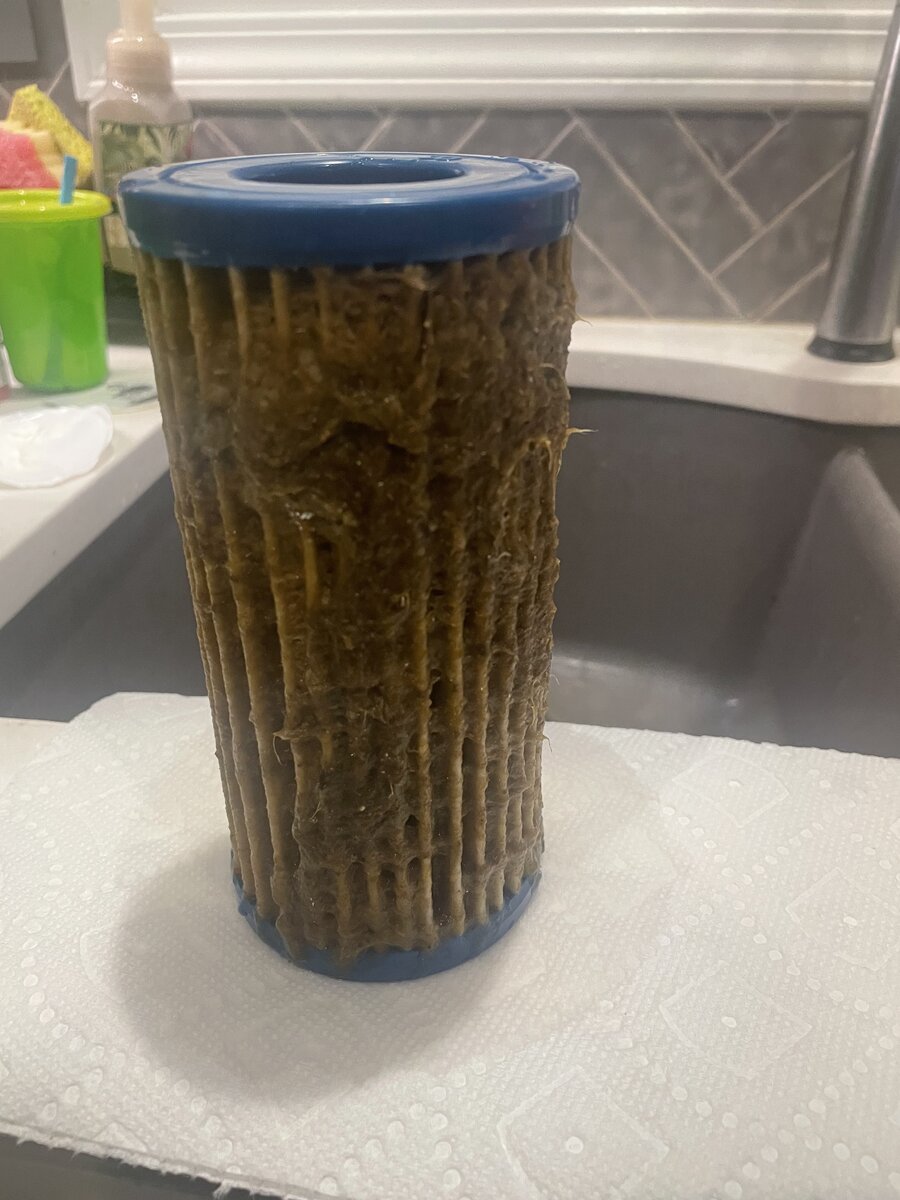
Figure 3. In heavy dino infestations, the Marineland diatom filter can clog within a day, requiring frequent cleanings to maintain effectiveness. Photo credit: @jonelder68
UV and Filtration
I encourage UV sterilizers if one can add one. Most dinoflagellate cases will generally free swim at night, and those that don't can still be encouraged to release into the water column by basting and blowing the sand and rocks with a powerhead. For sand-dwelling types that don't release at night, a sweeper-style UV can have almost immediate results.
Filter socks and roller mats work OK, but I don't consider them a panacea since dinos are only a few microns in size and can usually slip through most of them. Having some mechanical filtration is probably better than not having it at all since dinos can conjugate into mats, and those could be filtered out. Marineland sells a filter that can be "charged" with diatom powder, and that can remove particles smaller than a micron. For heavy dino issues, the canister will likely need daily cleaning, which is more work than a UV, which works 24/7 and requires minimal maintenance besides a quartz cleaning every six months and a bulb replacement every year or so.
Organic removal is vital for dino blooms. Protein skimmers are excellent at removing organics and keeping the tank clean. It can help prevent cyano, which could sometimes replace dinos after an outbreak. Calcium carbonate powder (Coral Snow) binds organics and is a flocculant. I think it can coat dinos and help export them. It's inexpensive, and I would dose it if I had it on hand.
Most importantly, I'd highly encourage moderate to heavy use of activated carbon. In my opinion, ROX 0.8 has the best adsorbing capabilities and is one of the least dusty carbon brands. Use it in a reactor or media bag. If using it in a media bag, place it in a high-flow area, and even consider hanging it inside the display. Gently agitate the carbon daily to expose the inner granules to the water column. Carbon is crucial and very effective at removing the toxins that dinos are infamous for releasing. It can also help prevent cyanobacteria and increase the water clarity.
Water Changes and Trace Elements
Many are split when it comes to water changes and dinos. First, mathematically speaking, water changes aren't very effective for removing nutrients. A 20% water change, which is usually on the normal end, will only reduce nitrate by 2 ppm when starting from 10 ppm. That is insignificant. It's even worse at removing phosphate. Rocks and sand hold a significant reservoir, and a 20% change would almost certainly have absolutely zero effect on the phosphate concentration. If your nutrients are so low that a water change could tank it to zero, you'd need to focus on dosing nutrients rather than limiting export. You can always and easily outcompete any filtration system with enough inorganic nutrient dosing.
Trace elements are another factor that many avoid changing water for. Again, water changes do not bring in much unless you are changing near 100% volume. A normal water change percentage can only bring in a fraction of the starting salt mix concentration, which is usually insignificant. Foods likely bring in many more trace elements. In any case, I'd actually suggest purposely dosing trace elements. Iron, manganese, and other trace elements are necessary for all algae growth, and dosing nutrients + trace elements creates the perfect opportunity for other competitors to take hold. I'd probably use Chaeto Gro or Tropic Marin A- and K+, but pretty much any reef brand can work, as well as DIYs.
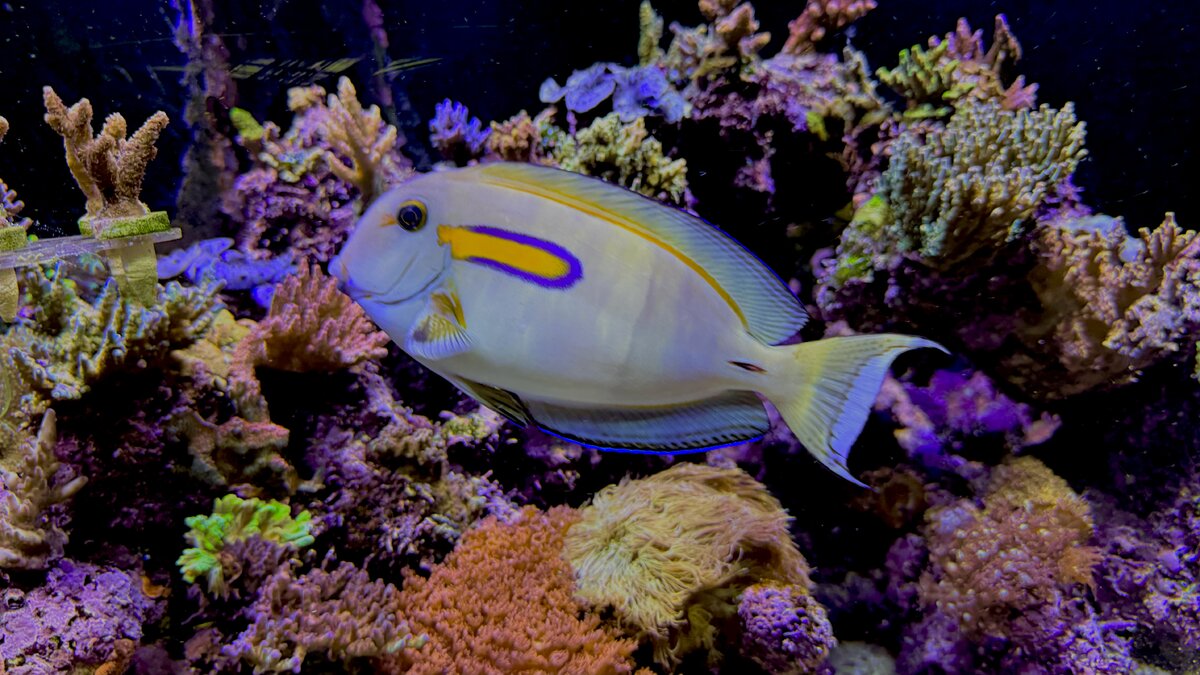
Figure 4. My all-time favorite fish, the orange shoulder tang, under full spectrum lights in my aquarium.
Photoperiod and Light Spectrum
As far as the photoperiod goes, I'd probably keep it no longer than 8 hours a day. There really isn't much reason for that suggestion besides there not really being much benefit for extending it longer. Many people encourage a shorter period of 4 hours per day. I don't have any objections. I don't think it makes an appreciable difference in the grand scheme of things, but you can reduce them to see if there are any noticeable improvements. I will say, however, that I am not a believer that reducing white lights is necessary. Dinos can utilize the blue spectrum. I think the main reason blue spectrums are recommended is because they make the dinos less visible, which can calm the anxiety of some people while waiting for the other treatments to take effect.
Medications and Chemicals
In my opinion, the only crucial chemicals needed to beat dinos are nitrate and phosphate dosing. Anything else is optional. I highly discourage using DinoX or any harsh treatments that might be more harmful than good for the corals and microfauna. Some people like dosing hydrogen peroxide, and I don't really have anything negative to say about it, except that it's an oxidizer. So, avoid using massive doses if you're housing corals and inverts. As long as the dose is appropriate, I don't have any objections to it. All the bacterial products are hit-or-miss. Some tout its effectiveness while others call it snake oil. I never needed bacterial products when fighting dinos, but I don't really see the harm in trying them. I only discourage harmful or aggressive chemicals. I prefer a calmer approach of encouraging microfauna rather than dosing proprietary substances that have warning orcaution labels attached to them. There are numerous horror stories of them killing corals or causing massive cyanobacterial outbreaks.
Blackouts
This one is interesting. I'll be upfront and say I don't really like blackouts, nor do I usually recommend them. Most cases of dino outbreaks can be solved with the above. Turning off the lights for three whole days can be a little stressful for photosynthetic corals, and feeding fish can be challenging during that time period. That being said, some dino species don't readily free swim, and blackouts can encourage them to release into the water column and into the UV sterilizer. You can achieve a similar effect of a blackout by using a strong powerhead to blow around the sand and rocks to push the dinos into the water column. If, after following the above, you still have dinos, sometimes a blackout is what's needed to nudge the needle in the right direction.
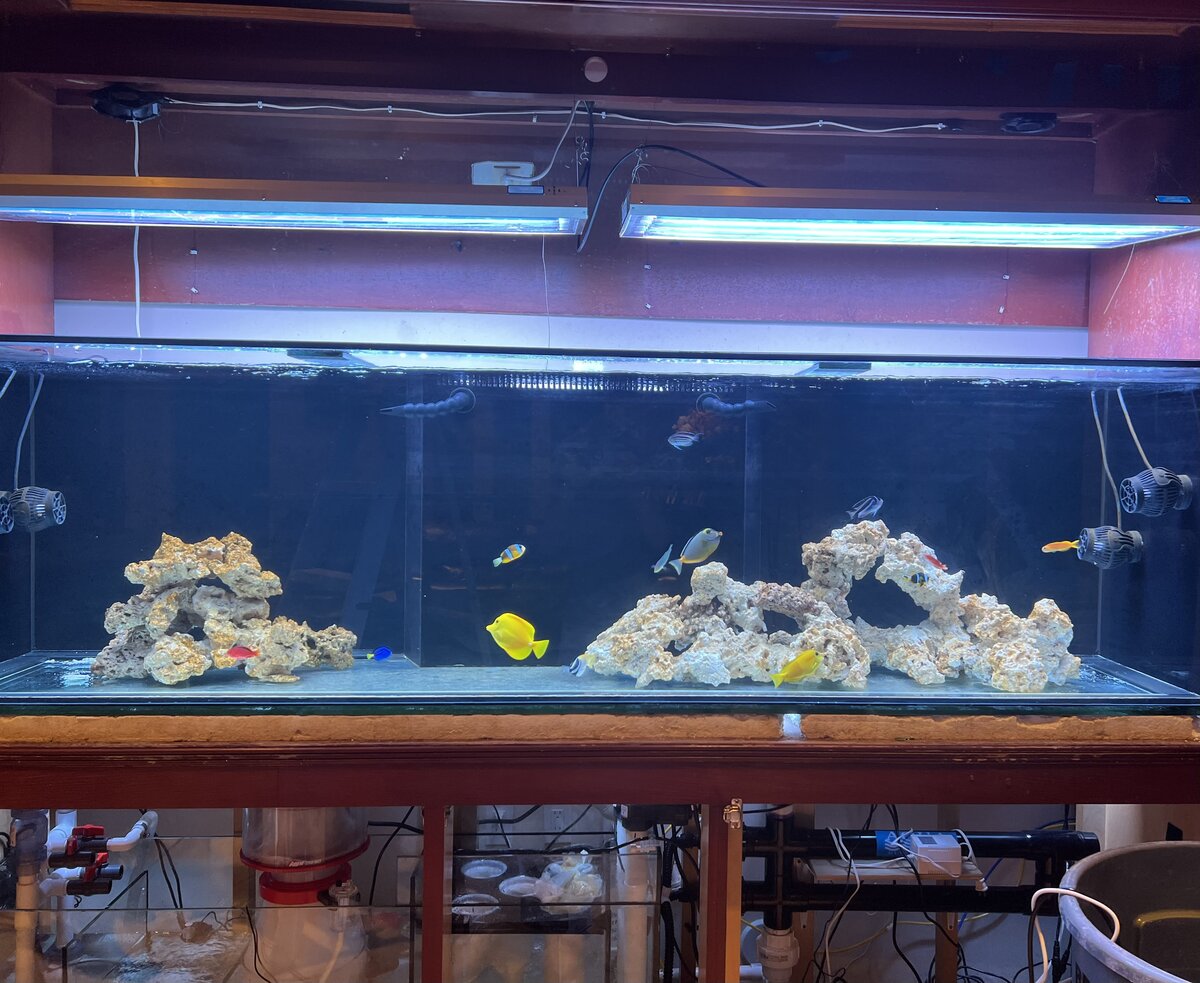
Figure 5. My aquarium when it was new. I have an 80 watt Aqua Ultraviolet UV sterilizer (black sterilizer on the bottom right), but I only use it sparingly for when I want increased water clarity.
Honorable Mention: Rip Cleans
If you tried all the above with no luck, sometimes a reset is necessary. I'm not sure what constitutes a "rip clean," but I'd assume removing all the substrate and sand is the first step. Some people decide to take all of their rocks outside, hose them down, then do large water changes. I came across scenarios where some individuals had removed all inhabitants, temporarily placed them in a tank, and then administered bleach doses to the tank, effectively nuking the entire ecosystem. They'd eventually return the inhabitants after the tank cycled again. I don't know how this approach works if you intend to reintroduce the corals and snails that contain the same initial dino strains. It's safe to say this is a last, final resort if you've tried absolutely everything with no success. In any case, once the "rip clean" was complete, I'd ensure nutrients are very detectable, add a lot of new, live rocks, and follow the other methods laid out here to ensure a normal biome establishes.
I hope my take on dino control was interesting and helpful. I find it fascinating how little shifts to the tank can cause large ecological shifts. There really isn't anything more satisfying than watching the dino-infested tank slowly come back to life. Seeing the corals happy and open back up can be very exciting. I would give the above 1-2 weeks to start seeing improvements. I've had outstanding results with the above protocol, sometimes achieving results within the same week.
Figure 1. An aquarium with dinos covering the substrate. Photo credit: @jonelder68
Nutrients: Phosphate and Nitrate
If Dinos are present, it is very likely nutrients are bottomed out. There is a massive correlation between tanks with barely detectable nutrients and dinoflagellate infestations, with the strongest correlation of 0 ppm phosphate. The exact cause of Dinos isn't 100% fully understood. While low nutrients don't directly "cause" dinos, per se, they can limit the natural algae and microfauna that naturally dominate and outcompete Dinos in healthy aquariums. You can't exterminate Dinos; they will be present in almost all aquariums, but they usually stay suppressed and dormant in reef tanks.
Phosphate
Keep the phosphate level at a bare minimum of 0.10 ppm. Never allow it to drop below that when dealing with an active dino infestation. I'd personally shoot for 0.20 ppm phosphate to give a nice buffer and account for rock adsorption and consumption. There can be a high phosphate demand in tanks with a dinoflagellate outbreak.
Here is my DIY for phosphate. You can also use Neophos by Brightwell, but the Amazon source in the DIY is inexpensive and more concentrated.
DIY Phosphate Dosing Recipe
Nitrate
While the correlation of dinos is with phosphate, ensuring detectable nitrate can ensure that algae and microorganisms have their nitrogen requirements met to give the best possible chance of success. I'd want at least 10 ppm nitrate available at all times. There are many ways to dose nitrogen sources, and the exact type isn't critical since they all eventually convert into nitrate when enough is dosed. I have several recipes and sources for nitrogen, but Neonitro by Brightwell can also work. Like with Neophos, it's just a bit more expensive and diluted.
DIY Nitrate Dosing Recipe
DIY Ammonia Dosing Chart
DIY Urea + Ammonia Mix Dosing Chart
Stop or Limit Dosing These:Even though many of these sources can supply nutrients, I recommend stopping or limiting these additions, at least until dinos are undetectable. Once you're in the clear, you can gradually reintroduce those sources, if desired.
Amino Acids: It's likely the worst thing to add when there's a dino issue. They can exacerbate the problem and can sometimes influence dinos in healthy tanks.
Carbon dosing: Also very unhelpful. Many dino issues significantly worsen with carbon dosing.
Too much food: They provide nutrients, yes, but they also contain lots of organics that dinos can use. Of course, we should always feed our fish. I'm only suggesting feeding what the fish require, and use the inorganic nutrients mentioned above for nutrient dosing. I'd prefer not to excessively feed to raise nutrients if dinos are present, as it can take a while to make a measurable impact on increasing them, and dinos can take advantage of the organic matter.
Figure 2. A microscopic view of the dinos from Figure 1. Photo credit: @jonelder68
Microscope
I'm going to go against the grain here and say microscopes are not necessary. Almost every dino species responds to the same general treatment of encouraging competition. Short of determining if the "algae" are actually dinos, I really don't believe a microscope is necessary. There are straightforward, visual cues that tell you all you need to know: if the dinos release from the rocks and substrate at night, they are susceptible to UV or micron filtration. If they don't, the equipment will likely be ineffective, unless you follow the upcoming advice to encourage them to release. I don't want to get too ahead of myself yet. Basically, the money spent on the microscope could have been used just outright to purchase the UV "required" for that particular species. Generally speaking, I believe microscopes are unnecessary.
Increase Biodiversity
It might sound like trading one problem for another, but having natural algae isn't a concern as the tank continues to mature. Herbivores readily consume most of the common algae strains we encounter, and they are not toxic compared to dinoflagellates. If the tank only contains dry rock, go ahead and find some live rocks with natural greens and purples present (algae and coralline). There isn't a need to add pounds and pounds of them. A few pieces of rubble will suffice to seed the tank.
Silicate Dosing
I'm a massive fan of dosing silicate. The diatoms they encourage are fierce competitors of dinos. It's impressive how fast they can work. In my opinion, any dino problems can benefit from silica dosing because diatoms can occupy the bare real estate and similar niche the dinos took over. In addition, diatoms readily feed copepods, and corals can likely consume them when the glass is scraped, too. It makes the tank a much healthier ecosystem.
Contrary to popular belief, your tank will not turn into a brown field of diatoms. It doesn't work like that, and if it did, you wouldn't have to worry about the dinos ever again. Diatoms are palatable to herbivores and are actually less noticeable than the green film algae they replace. In any case, you can always stop silicate dosing, and the diatoms will go away in short order. It's low risk and cost with significant potential gains.
Dosing 1 ppm once per week provides a nice buffer for diatoms to grow. Mix with some water before adding it to the front of a powerhead. Testing silicate is unnecessary because it is non-toxic and quickly depleted. It won't accumulate. My dosing schedule and volume will not have any interference with phosphate test kits:
Silicate Dosing for Reef Tanks
Figure 3. In heavy dino infestations, the Marineland diatom filter can clog within a day, requiring frequent cleanings to maintain effectiveness. Photo credit: @jonelder68
UV and Filtration
I encourage UV sterilizers if one can add one. Most dinoflagellate cases will generally free swim at night, and those that don't can still be encouraged to release into the water column by basting and blowing the sand and rocks with a powerhead. For sand-dwelling types that don't release at night, a sweeper-style UV can have almost immediate results.
Filter socks and roller mats work OK, but I don't consider them a panacea since dinos are only a few microns in size and can usually slip through most of them. Having some mechanical filtration is probably better than not having it at all since dinos can conjugate into mats, and those could be filtered out. Marineland sells a filter that can be "charged" with diatom powder, and that can remove particles smaller than a micron. For heavy dino issues, the canister will likely need daily cleaning, which is more work than a UV, which works 24/7 and requires minimal maintenance besides a quartz cleaning every six months and a bulb replacement every year or so.
Organic removal is vital for dino blooms. Protein skimmers are excellent at removing organics and keeping the tank clean. It can help prevent cyano, which could sometimes replace dinos after an outbreak. Calcium carbonate powder (Coral Snow) binds organics and is a flocculant. I think it can coat dinos and help export them. It's inexpensive, and I would dose it if I had it on hand.
Most importantly, I'd highly encourage moderate to heavy use of activated carbon. In my opinion, ROX 0.8 has the best adsorbing capabilities and is one of the least dusty carbon brands. Use it in a reactor or media bag. If using it in a media bag, place it in a high-flow area, and even consider hanging it inside the display. Gently agitate the carbon daily to expose the inner granules to the water column. Carbon is crucial and very effective at removing the toxins that dinos are infamous for releasing. It can also help prevent cyanobacteria and increase the water clarity.
Water Changes and Trace Elements
Many are split when it comes to water changes and dinos. First, mathematically speaking, water changes aren't very effective for removing nutrients. A 20% water change, which is usually on the normal end, will only reduce nitrate by 2 ppm when starting from 10 ppm. That is insignificant. It's even worse at removing phosphate. Rocks and sand hold a significant reservoir, and a 20% change would almost certainly have absolutely zero effect on the phosphate concentration. If your nutrients are so low that a water change could tank it to zero, you'd need to focus on dosing nutrients rather than limiting export. You can always and easily outcompete any filtration system with enough inorganic nutrient dosing.
Trace elements are another factor that many avoid changing water for. Again, water changes do not bring in much unless you are changing near 100% volume. A normal water change percentage can only bring in a fraction of the starting salt mix concentration, which is usually insignificant. Foods likely bring in many more trace elements. In any case, I'd actually suggest purposely dosing trace elements. Iron, manganese, and other trace elements are necessary for all algae growth, and dosing nutrients + trace elements creates the perfect opportunity for other competitors to take hold. I'd probably use Chaeto Gro or Tropic Marin A- and K+, but pretty much any reef brand can work, as well as DIYs.
Figure 4. My all-time favorite fish, the orange shoulder tang, under full spectrum lights in my aquarium.
Photoperiod and Light Spectrum
As far as the photoperiod goes, I'd probably keep it no longer than 8 hours a day. There really isn't much reason for that suggestion besides there not really being much benefit for extending it longer. Many people encourage a shorter period of 4 hours per day. I don't have any objections. I don't think it makes an appreciable difference in the grand scheme of things, but you can reduce them to see if there are any noticeable improvements. I will say, however, that I am not a believer that reducing white lights is necessary. Dinos can utilize the blue spectrum. I think the main reason blue spectrums are recommended is because they make the dinos less visible, which can calm the anxiety of some people while waiting for the other treatments to take effect.
In my opinion, the only crucial chemicals needed to beat dinos are nitrate and phosphate dosing. Anything else is optional. I highly discourage using DinoX or any harsh treatments that might be more harmful than good for the corals and microfauna. Some people like dosing hydrogen peroxide, and I don't really have anything negative to say about it, except that it's an oxidizer. So, avoid using massive doses if you're housing corals and inverts. As long as the dose is appropriate, I don't have any objections to it. All the bacterial products are hit-or-miss. Some tout its effectiveness while others call it snake oil. I never needed bacterial products when fighting dinos, but I don't really see the harm in trying them. I only discourage harmful or aggressive chemicals. I prefer a calmer approach of encouraging microfauna rather than dosing proprietary substances that have warning orcaution labels attached to them. There are numerous horror stories of them killing corals or causing massive cyanobacterial outbreaks.
Blackouts
This one is interesting. I'll be upfront and say I don't really like blackouts, nor do I usually recommend them. Most cases of dino outbreaks can be solved with the above. Turning off the lights for three whole days can be a little stressful for photosynthetic corals, and feeding fish can be challenging during that time period. That being said, some dino species don't readily free swim, and blackouts can encourage them to release into the water column and into the UV sterilizer. You can achieve a similar effect of a blackout by using a strong powerhead to blow around the sand and rocks to push the dinos into the water column. If, after following the above, you still have dinos, sometimes a blackout is what's needed to nudge the needle in the right direction.
Figure 5. My aquarium when it was new. I have an 80 watt Aqua Ultraviolet UV sterilizer (black sterilizer on the bottom right), but I only use it sparingly for when I want increased water clarity.
Honorable Mention: Rip Cleans
If you tried all the above with no luck, sometimes a reset is necessary. I'm not sure what constitutes a "rip clean," but I'd assume removing all the substrate and sand is the first step. Some people decide to take all of their rocks outside, hose them down, then do large water changes. I came across scenarios where some individuals had removed all inhabitants, temporarily placed them in a tank, and then administered bleach doses to the tank, effectively nuking the entire ecosystem. They'd eventually return the inhabitants after the tank cycled again. I don't know how this approach works if you intend to reintroduce the corals and snails that contain the same initial dino strains. It's safe to say this is a last, final resort if you've tried absolutely everything with no success. In any case, once the "rip clean" was complete, I'd ensure nutrients are very detectable, add a lot of new, live rocks, and follow the other methods laid out here to ensure a normal biome establishes.
I hope my take on dino control was interesting and helpful. I find it fascinating how little shifts to the tank can cause large ecological shifts. There really isn't anything more satisfying than watching the dino-infested tank slowly come back to life. Seeing the corals happy and open back up can be very exciting. I would give the above 1-2 weeks to start seeing improvements. I've had outstanding results with the above protocol, sometimes achieving results within the same week.
Last edited by a moderator:


 .
.  . Third times a charm right? So we’re done with Dino’s after this round
  .
. 













