


OP
OP


My Friend Hated My Plan and Was Kinda Right (UPDATE#3):
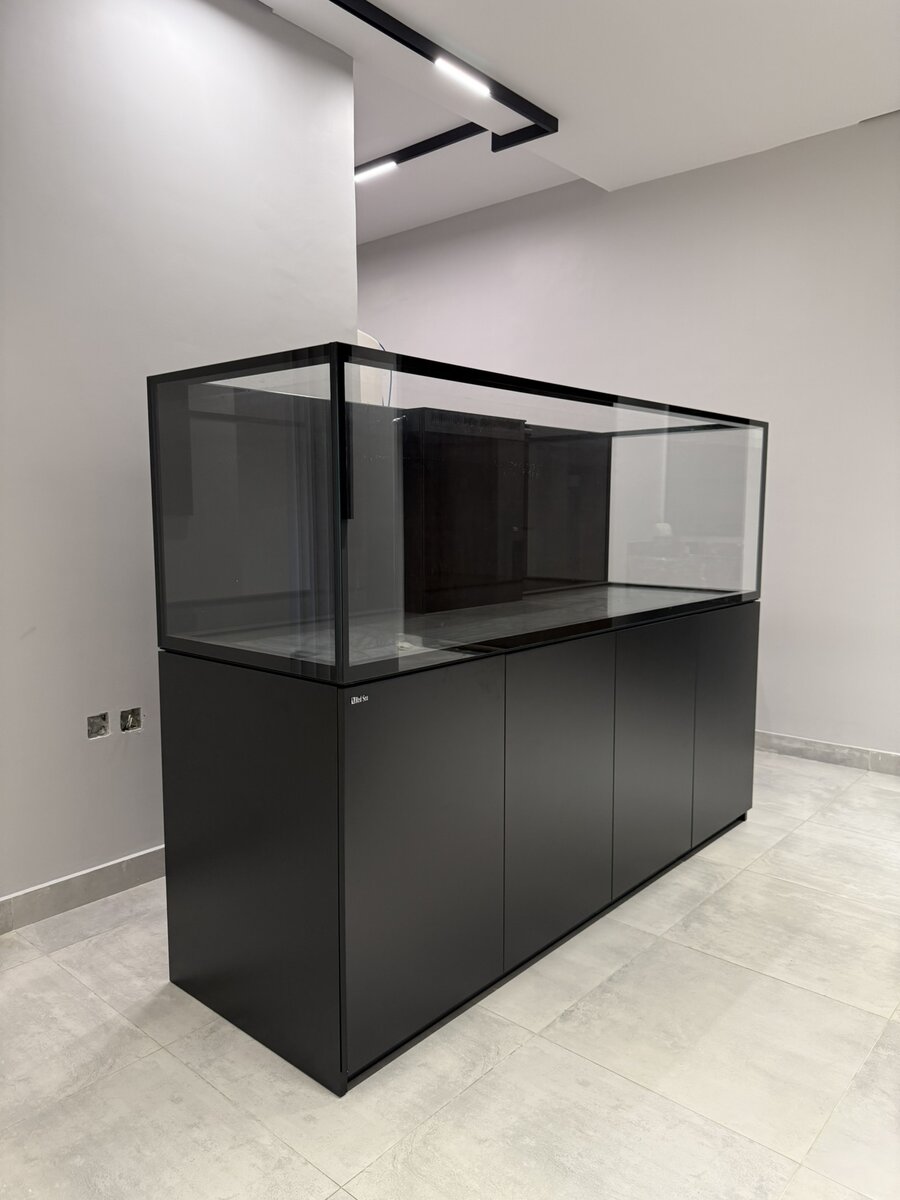
A lot has happened since I got the tank. I spent almost three months planning and executing the next steps. It all started when a childhood friend of mine visited and asked about the big empty aquarium. I got super excited and started walking him through my plan, only for him to tear it apart.
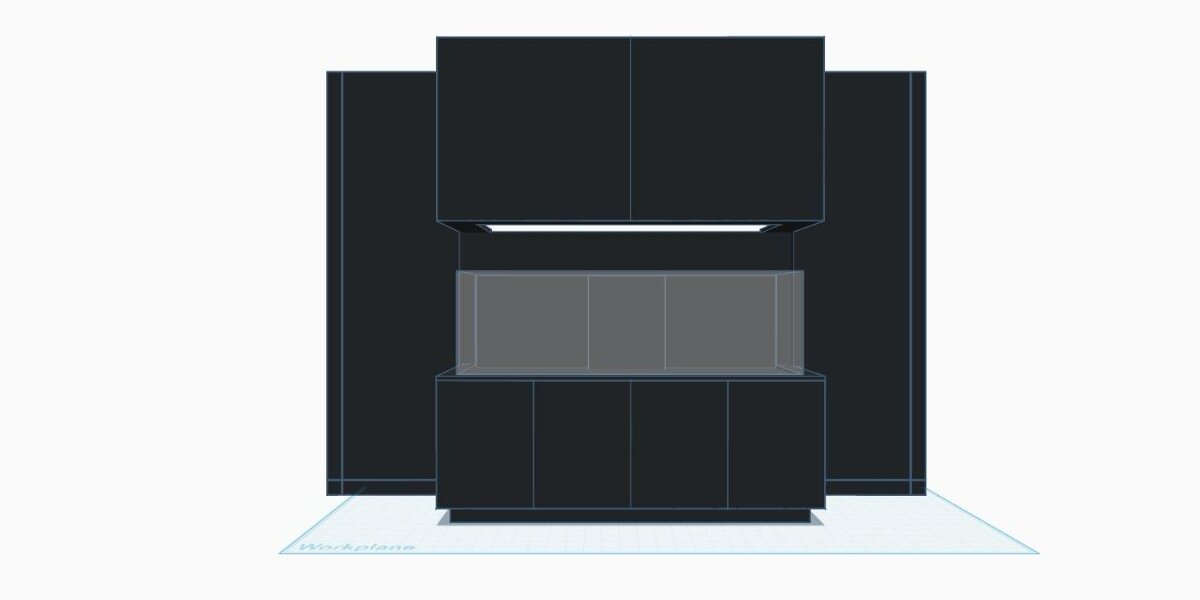
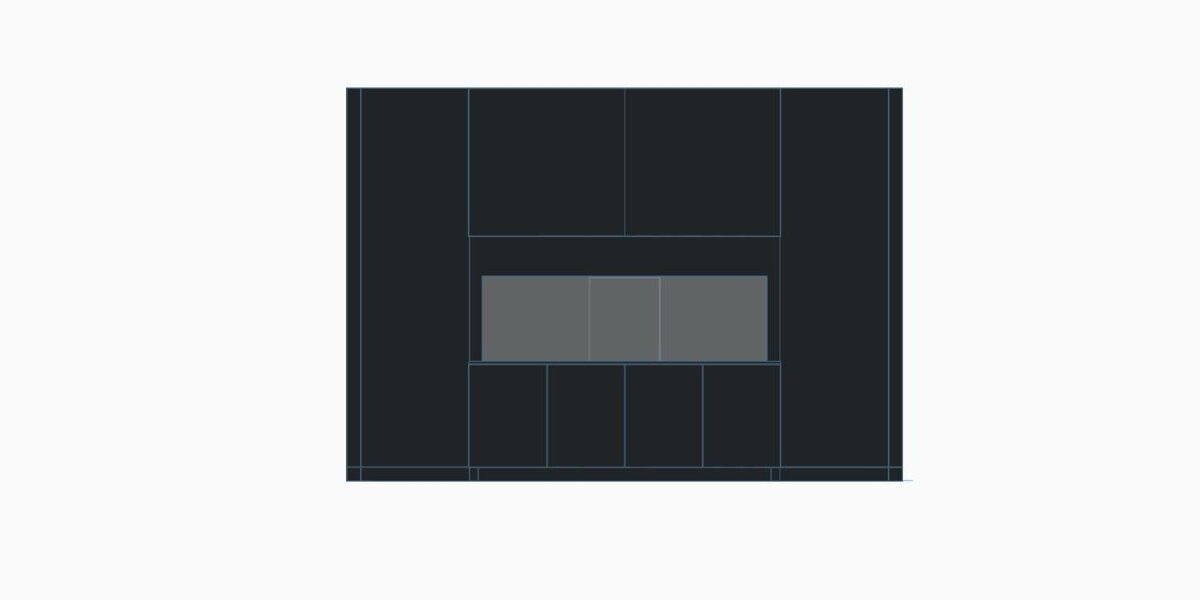
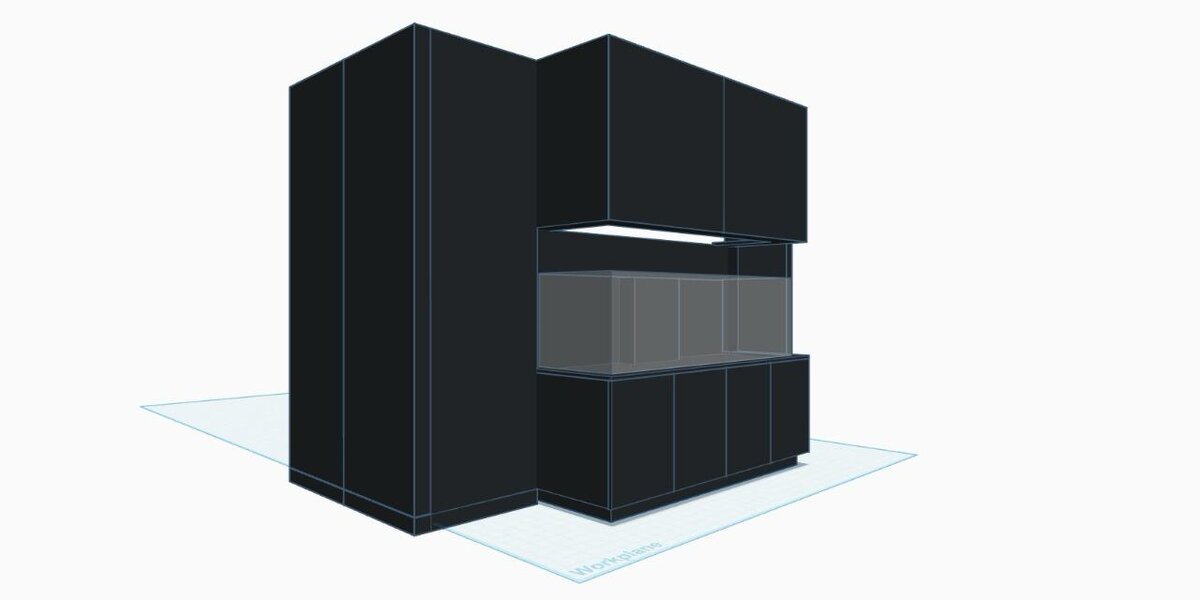
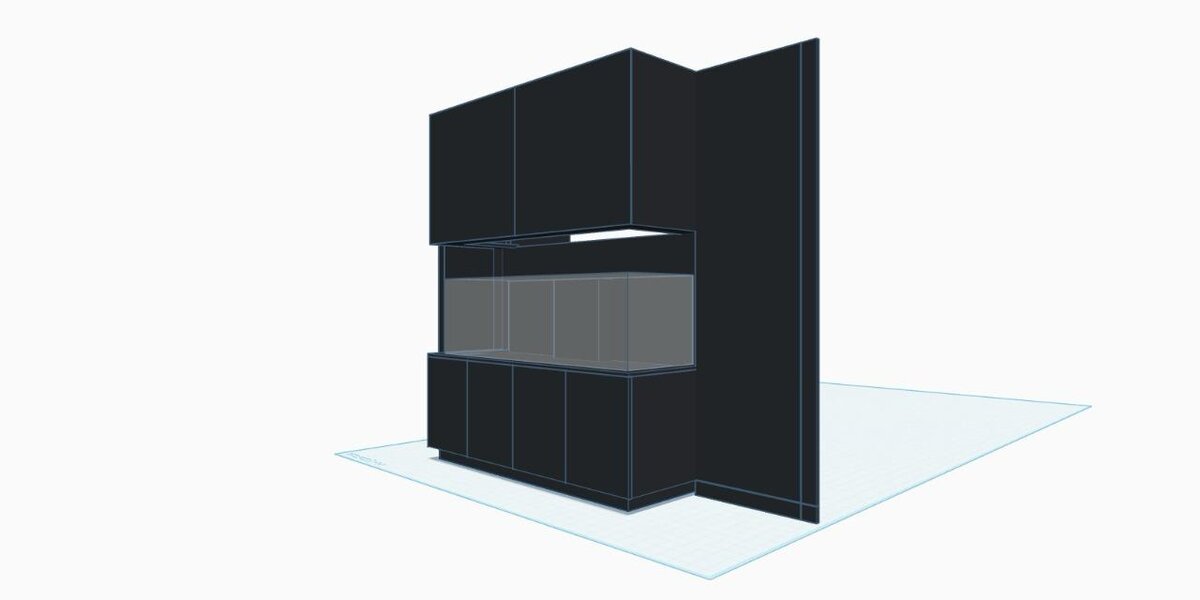
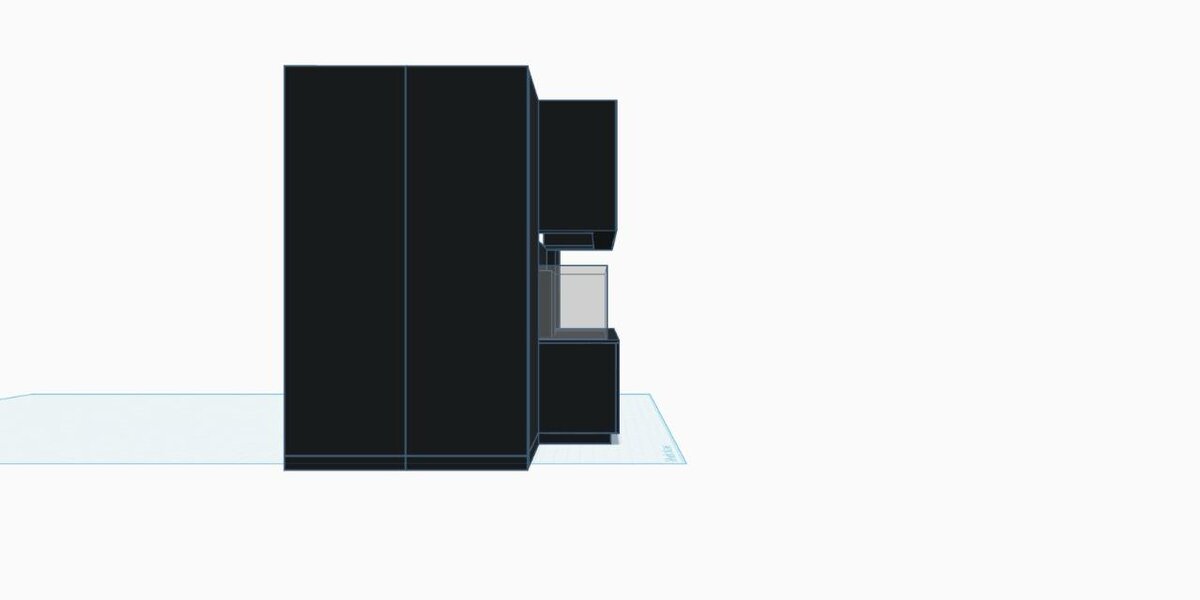
He’s a very artistic person and thought it was a shame to completely block the tank with a full wood cabinet. After a couple of weeks of back and forth, with him wanting a clean open centerpiece and me wanting a functional enclosure, we finally came up with the redesign you’ll see below. It’s a new take on the tank’s wood cladding and overall décor.
The idea is to have the aquarium sink about 10 cm into a fake wall made of wood. This will give it depth and help hide the overflow box. The aquarium cabinet will also extend 10 cm out from each side to reduce the tank’s massive, boxy appearance. The canopy will then float fully above the aquarium. A small wall-like wood plank will link the canopy to the tank and cabinet, and by extension, to the wood wall itself.
This layout will let me walk behind the tank easily for maintenance and functionality, while also making the display look like a large, integrated décor piece.
A hidden door will be placed to the right of the aquarium, leading into the fish room, laundry, and storage area.
The canopy is the most complicated part of the design. Since it will float above the aquarium, it will sit slightly higher than I would like, which creates some challenges with PAR levels. The goal is to create a single blanket of light across the tank instead of individual light sources. We’re working on a large diffuser-style solution to close the open canopy gap and spread the light more evenly.
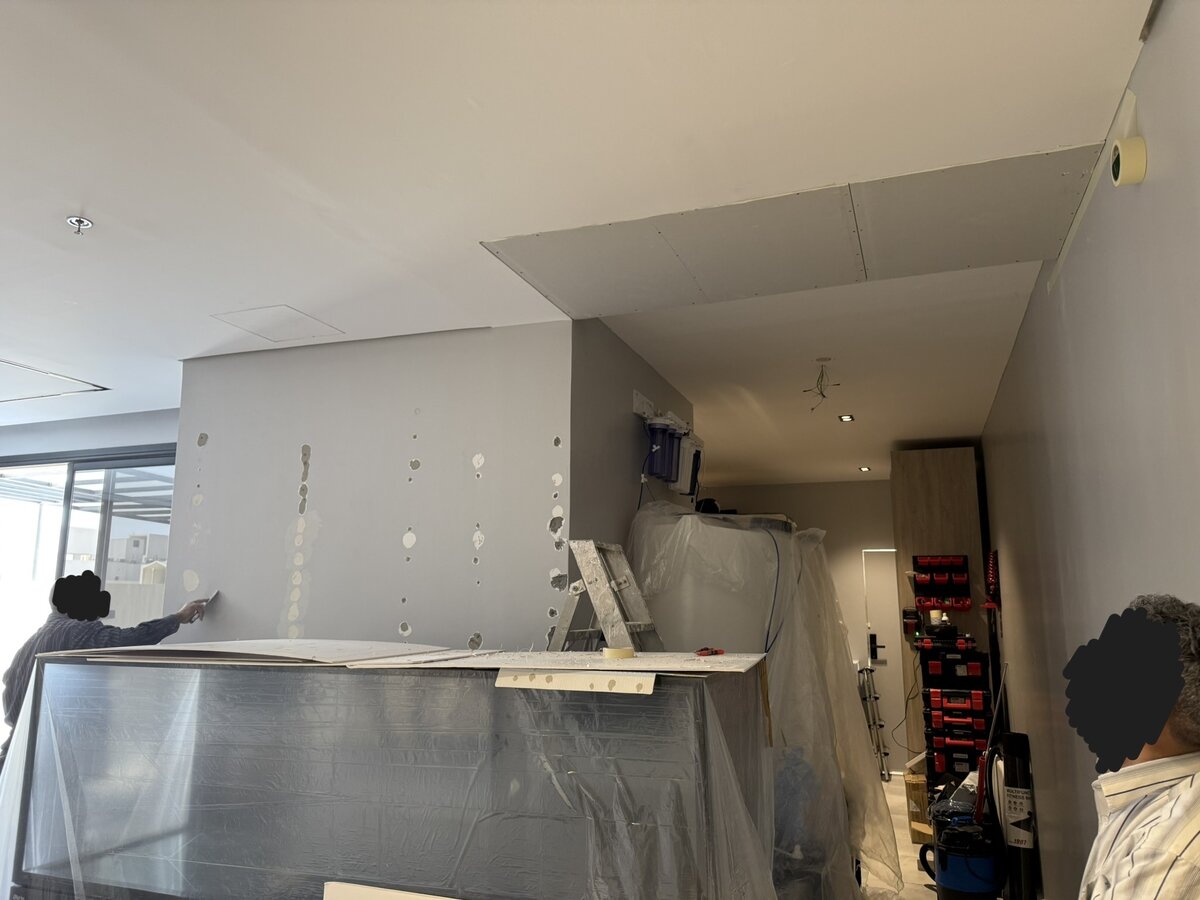
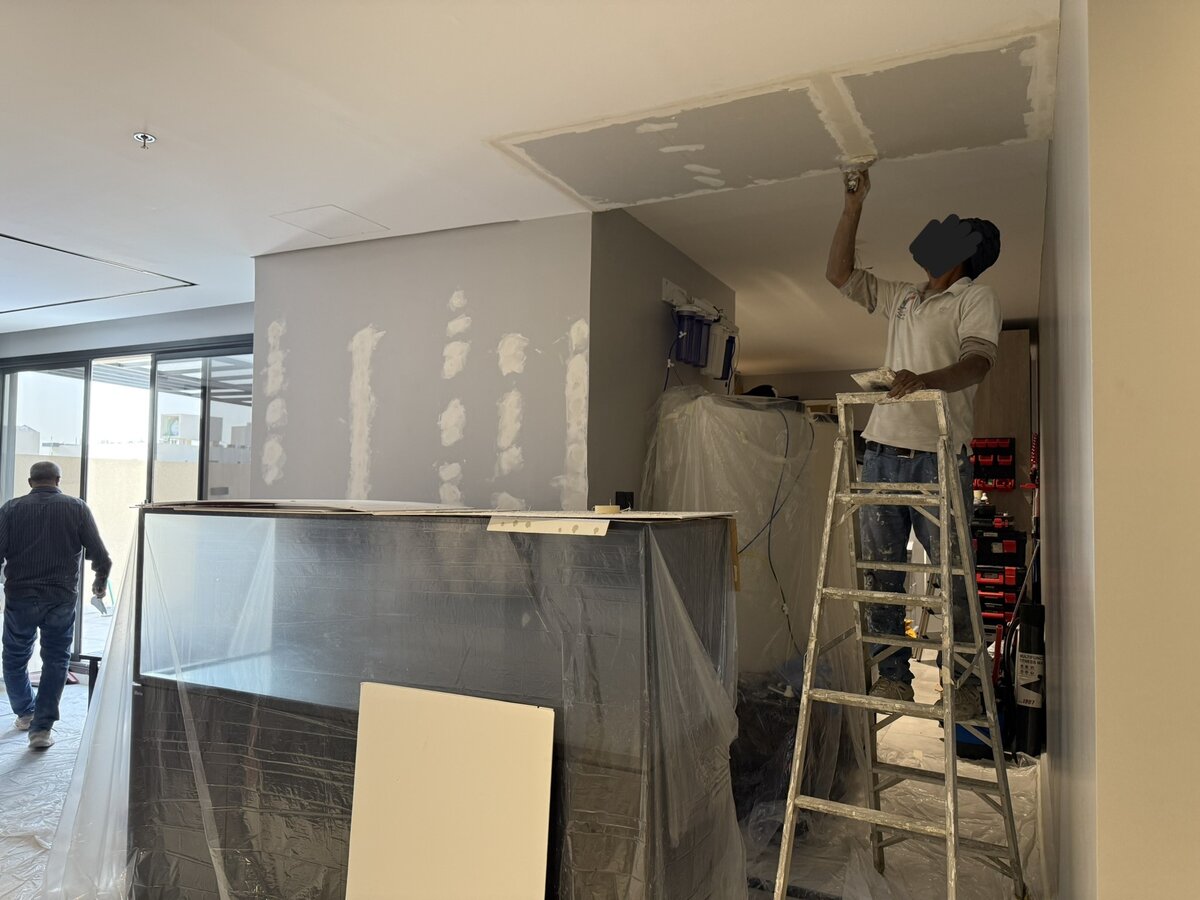
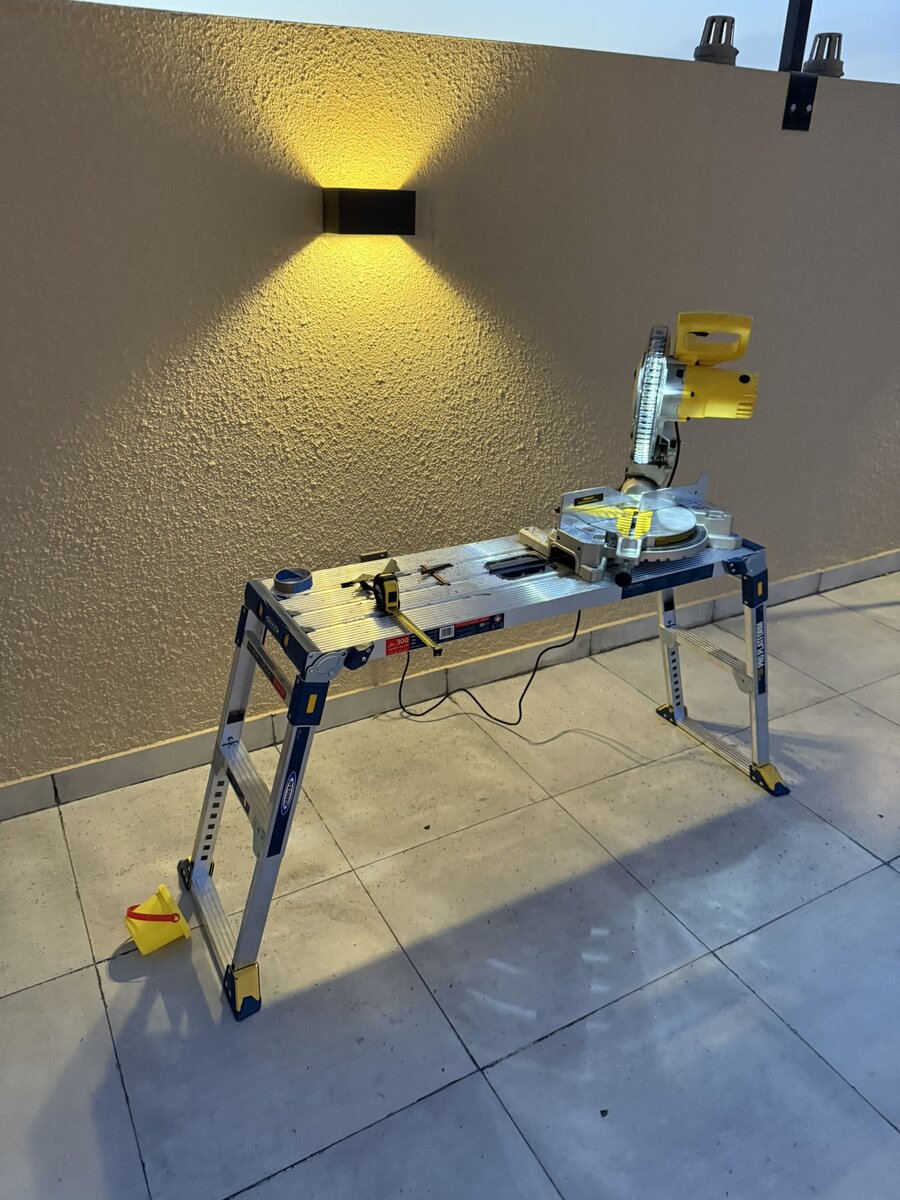
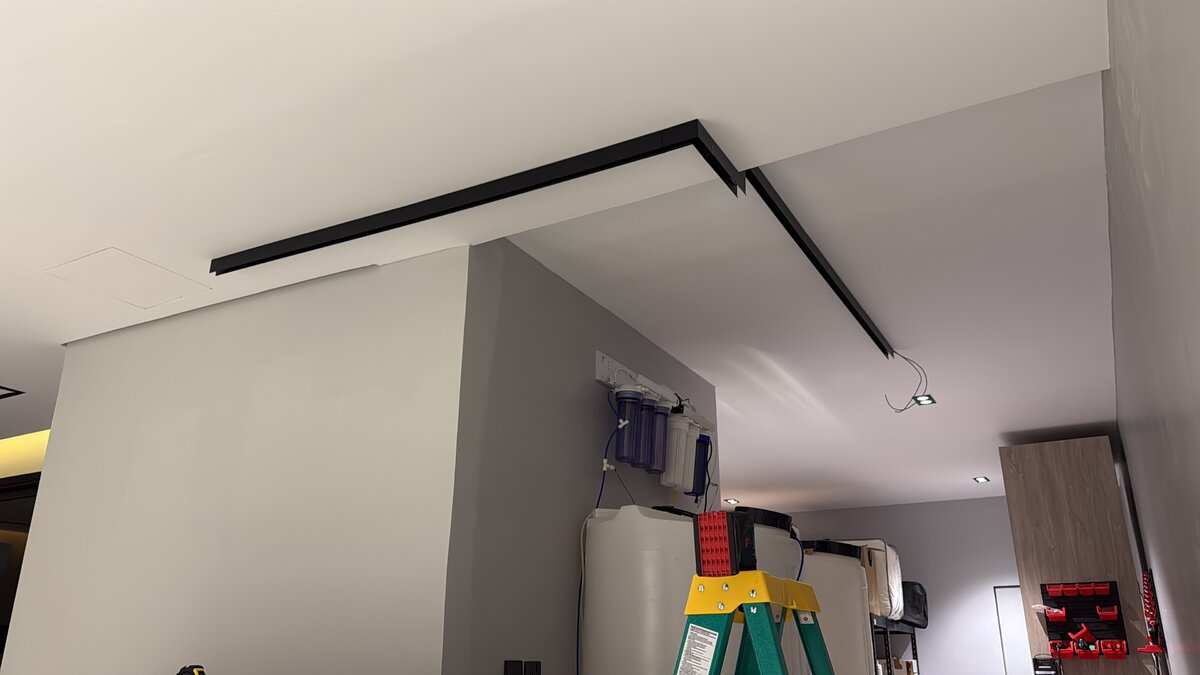
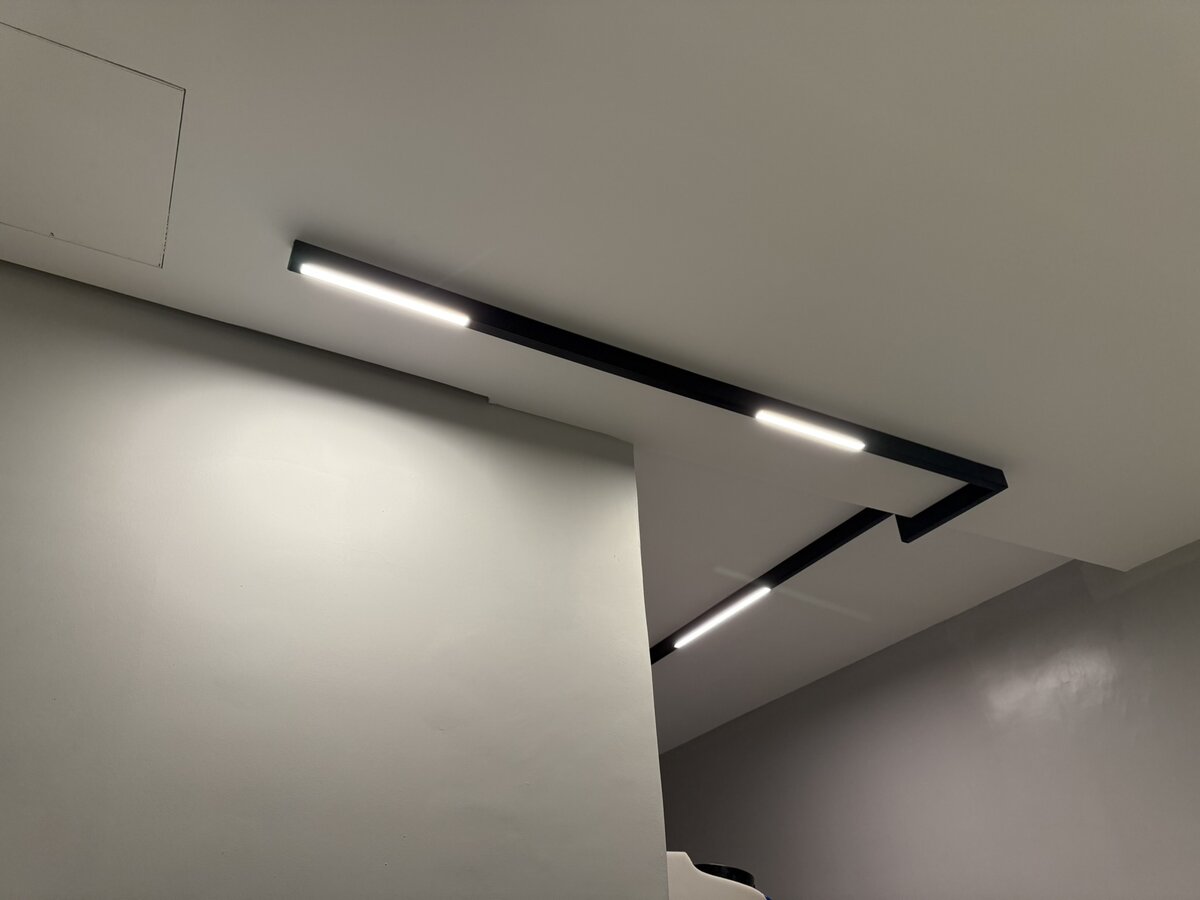
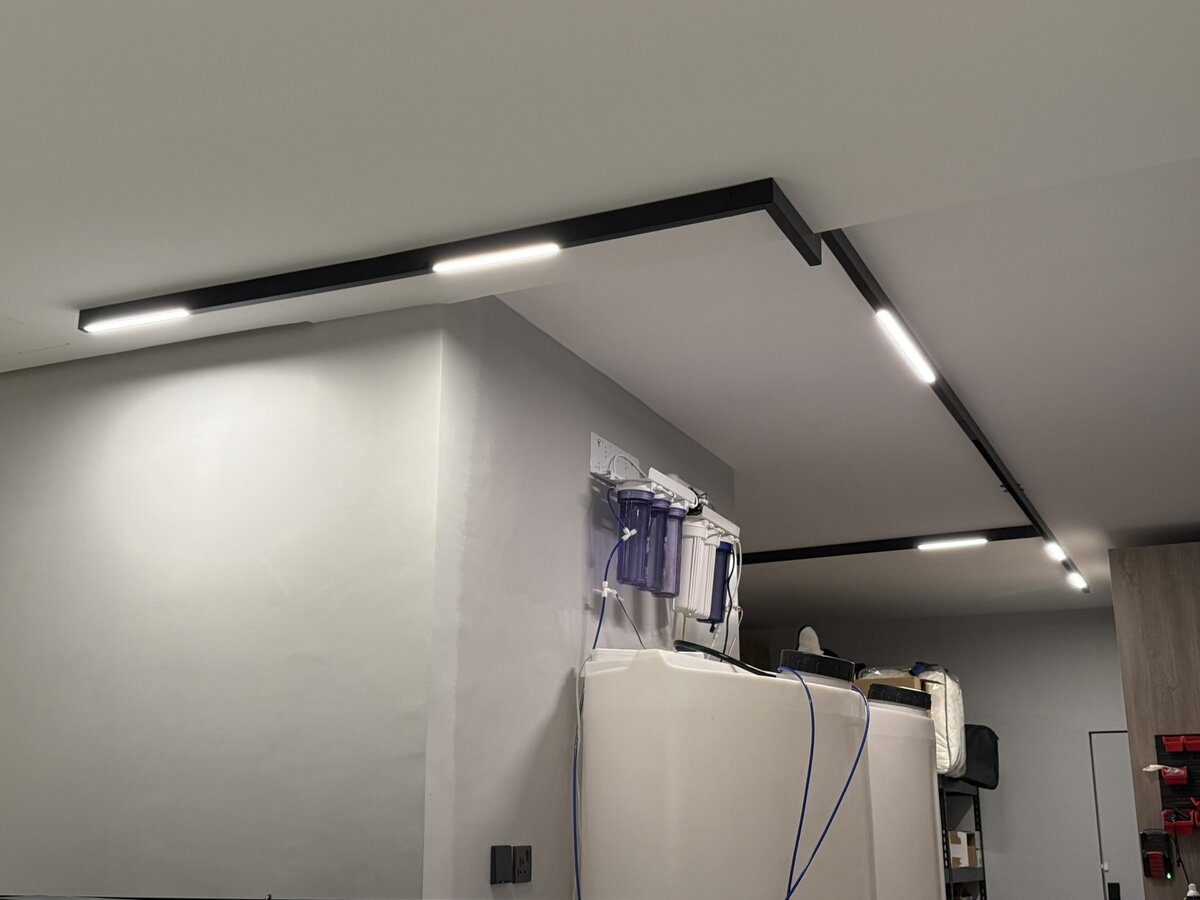
Now that the idea and design were ready, and I somehow managed to convince my trusty carpenter to take it on (for a lot more money than I’d like), I turned my attention to closing the gypsum ceiling gap and installing some lighting strips.
A lot has happened since I got the tank. I spent almost three months planning and executing the next steps. It all started when a childhood friend of mine visited and asked about the big empty aquarium. I got super excited and started walking him through my plan, only for him to tear it apart.
He’s a very artistic person and thought it was a shame to completely block the tank with a full wood cabinet. After a couple of weeks of back and forth, with him wanting a clean open centerpiece and me wanting a functional enclosure, we finally came up with the redesign you’ll see below. It’s a new take on the tank’s wood cladding and overall décor.
The idea is to have the aquarium sink about 10 cm into a fake wall made of wood. This will give it depth and help hide the overflow box. The aquarium cabinet will also extend 10 cm out from each side to reduce the tank’s massive, boxy appearance. The canopy will then float fully above the aquarium. A small wall-like wood plank will link the canopy to the tank and cabinet, and by extension, to the wood wall itself.
This layout will let me walk behind the tank easily for maintenance and functionality, while also making the display look like a large, integrated décor piece.
A hidden door will be placed to the right of the aquarium, leading into the fish room, laundry, and storage area.
The canopy is the most complicated part of the design. Since it will float above the aquarium, it will sit slightly higher than I would like, which creates some challenges with PAR levels. The goal is to create a single blanket of light across the tank instead of individual light sources. We’re working on a large diffuser-style solution to close the open canopy gap and spread the light more evenly.
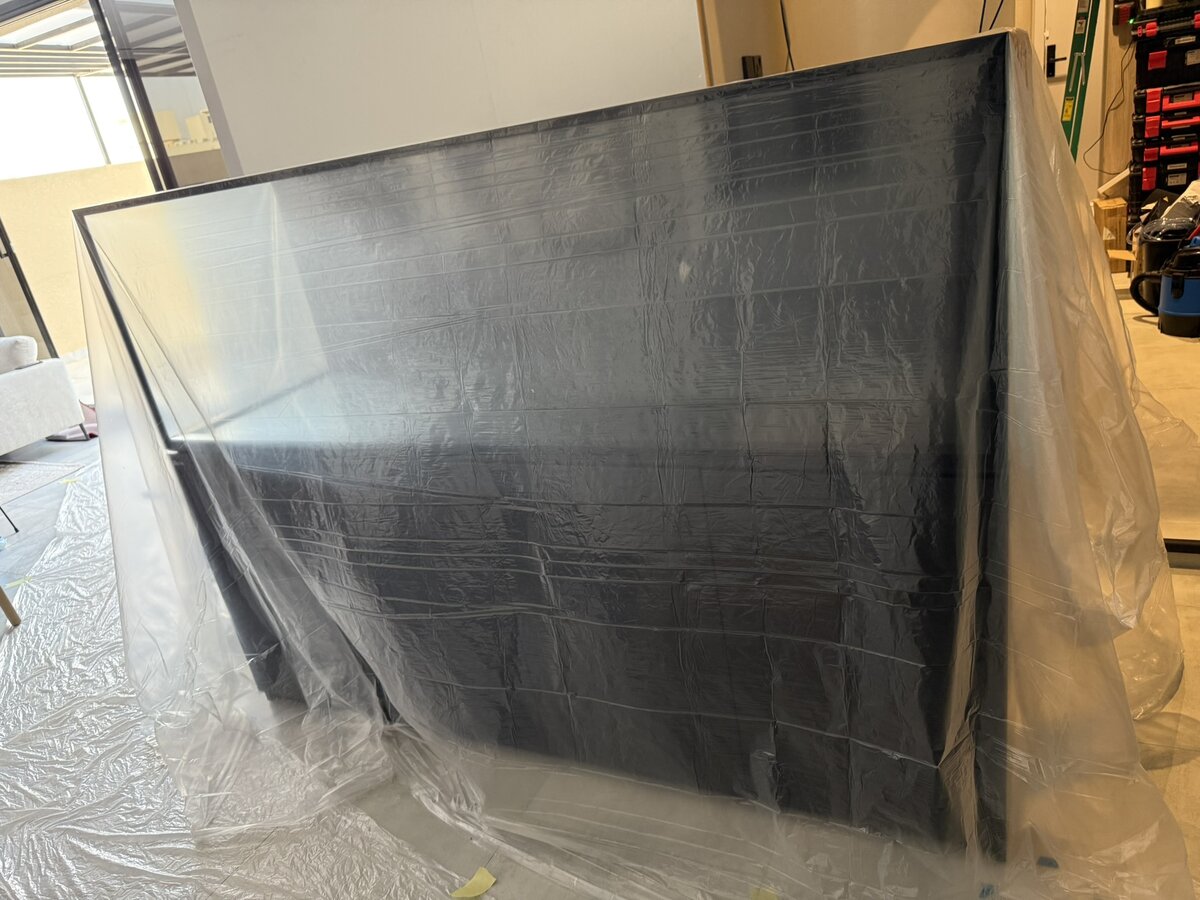
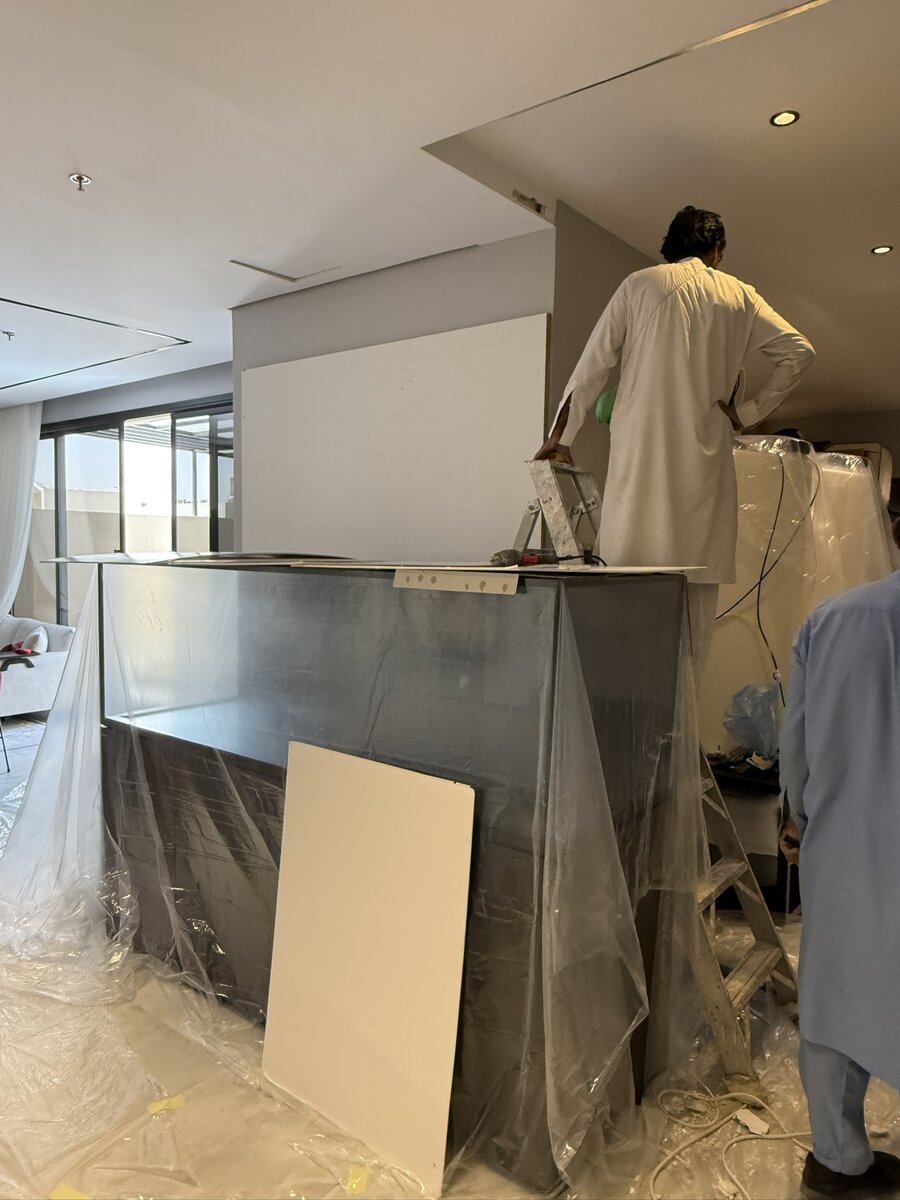
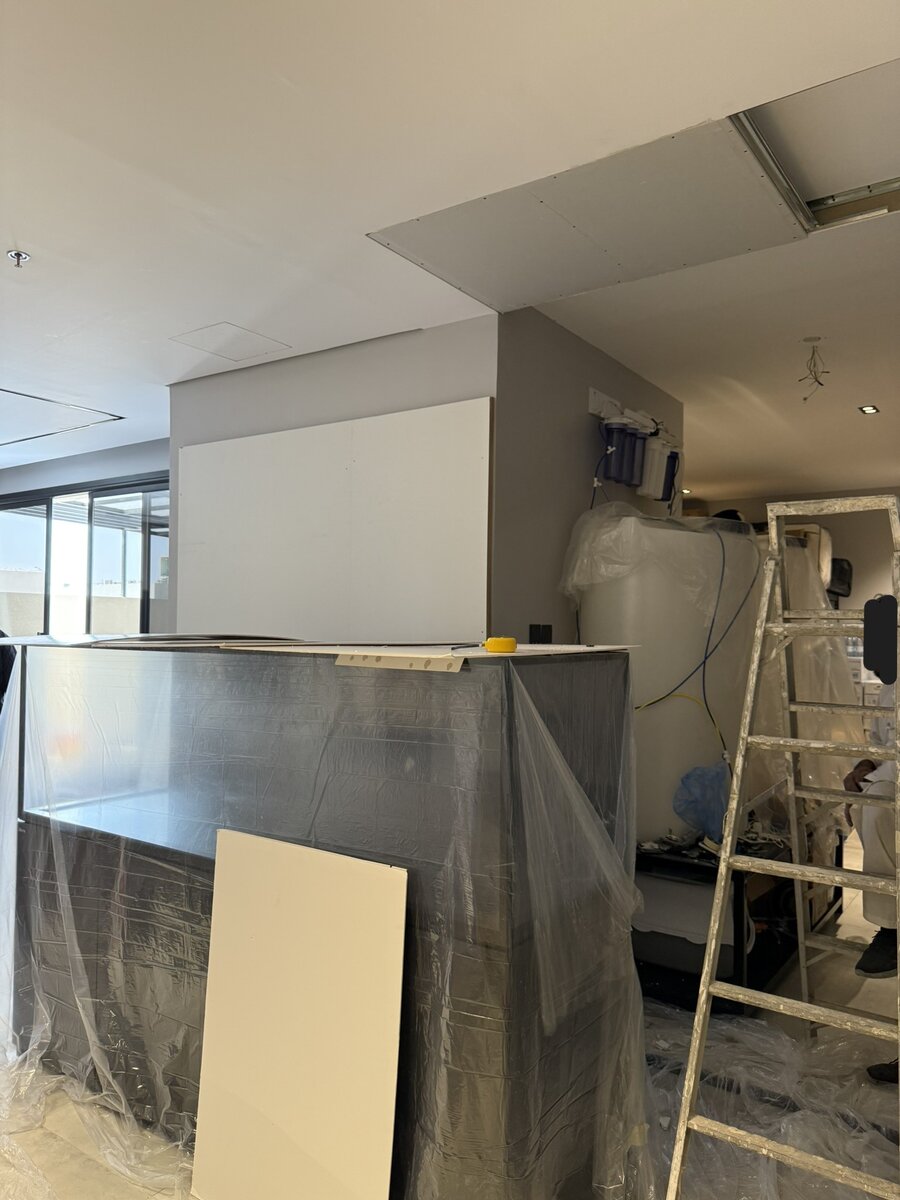
Now that the idea and design were ready, and I somehow managed to convince my trusty carpenter to take it on (for a lot more money than I’d like), I turned my attention to closing the gypsum ceiling gap and installing some lighting strips.






















