Cyano in a macro algae display tank

zwalter38

Active Member
View Badges
Joined
Dec 5, 2019
Messages
231
Reaction score
106
Location
Scranton, PA
Rating - 0%
0   0   0
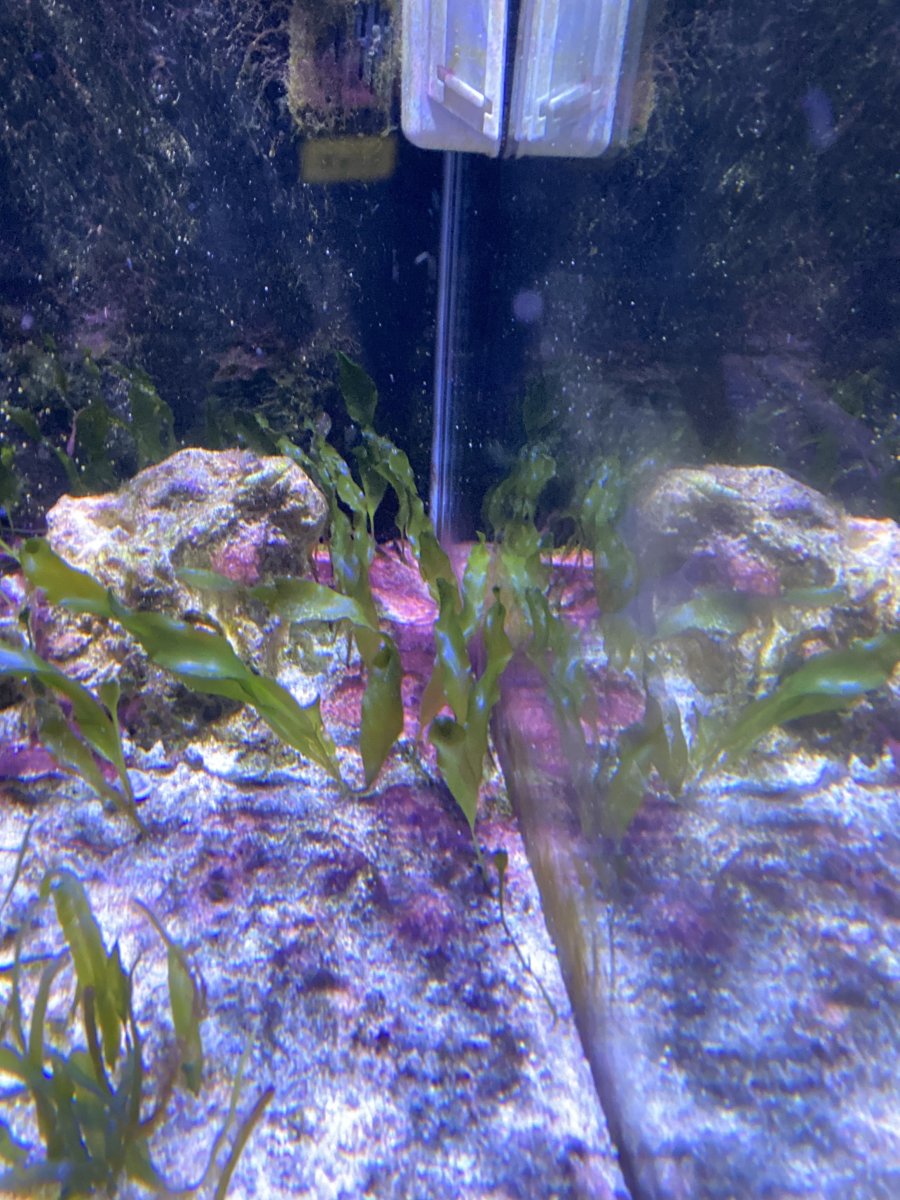
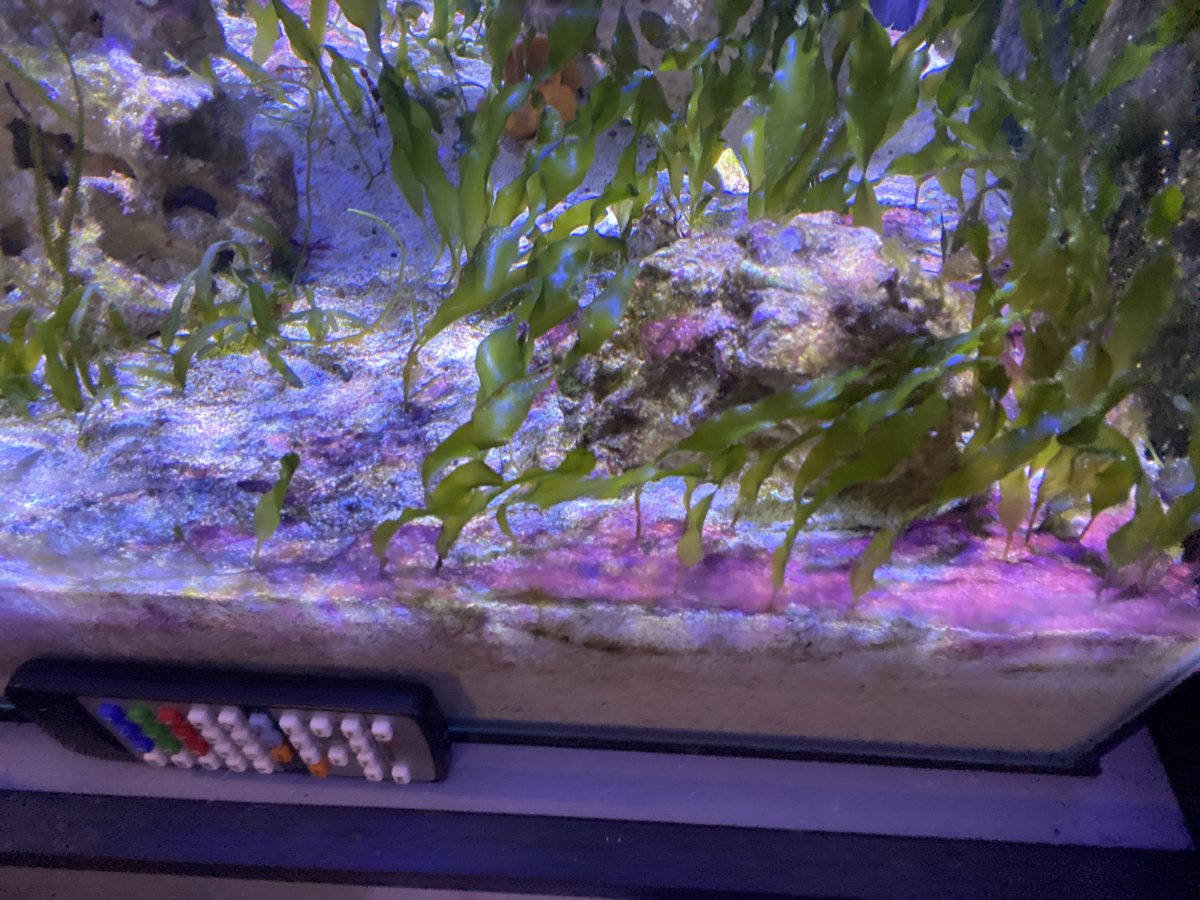
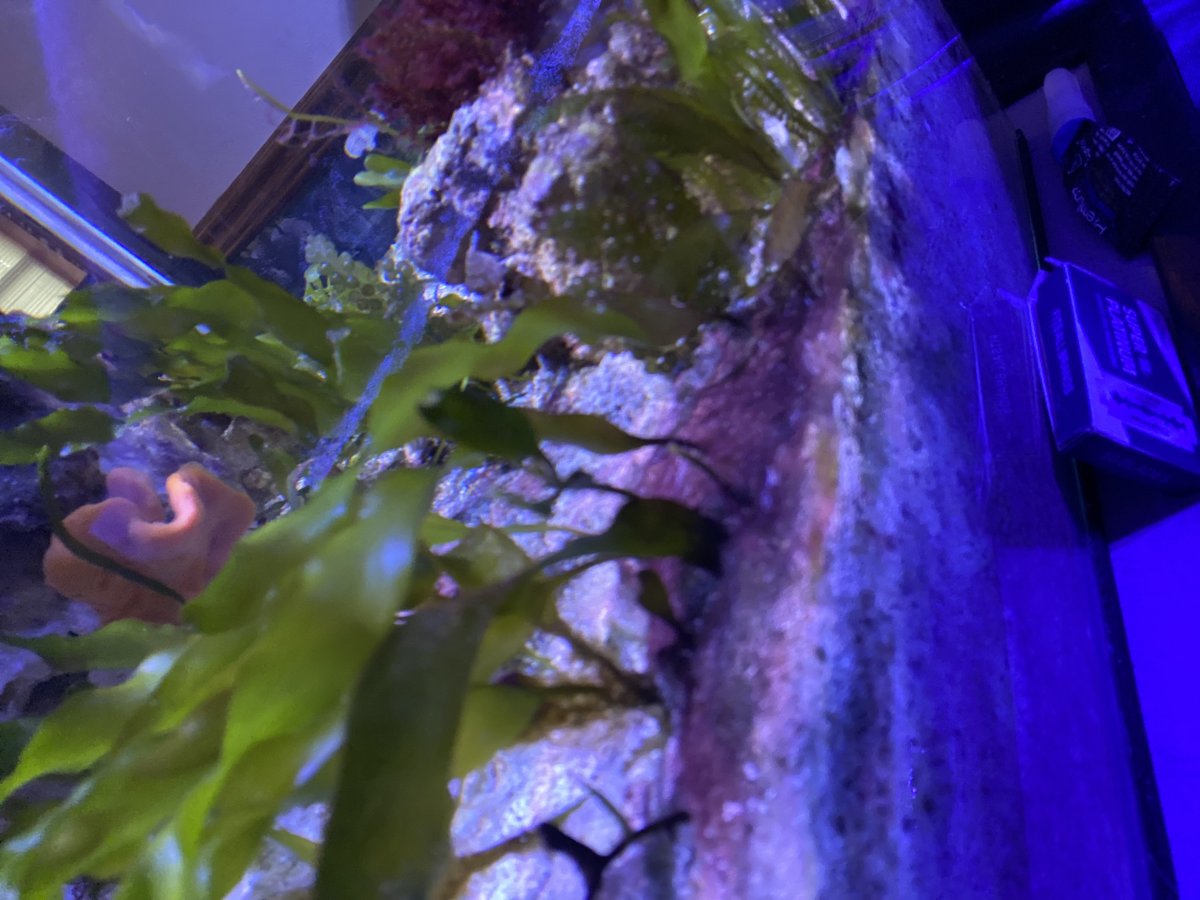
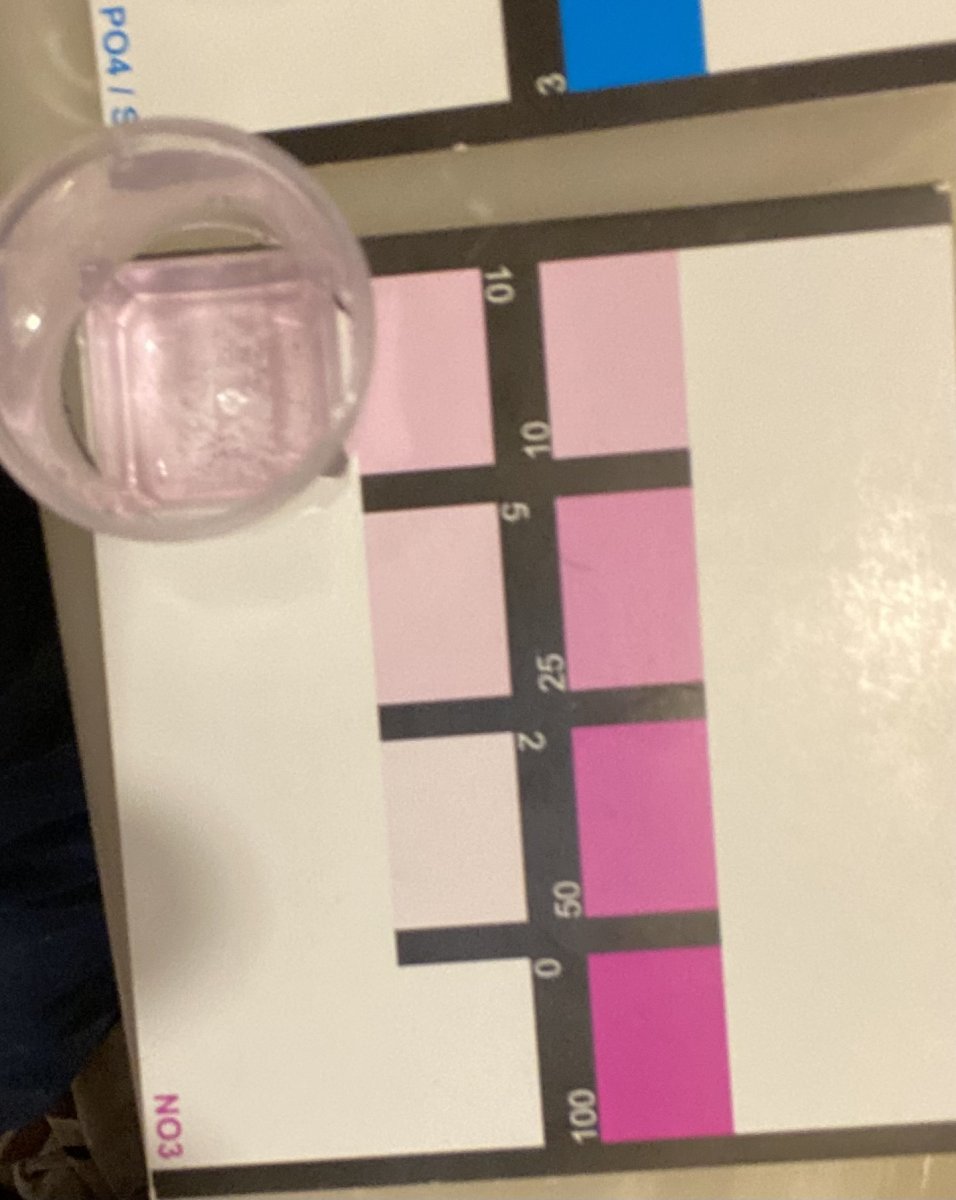
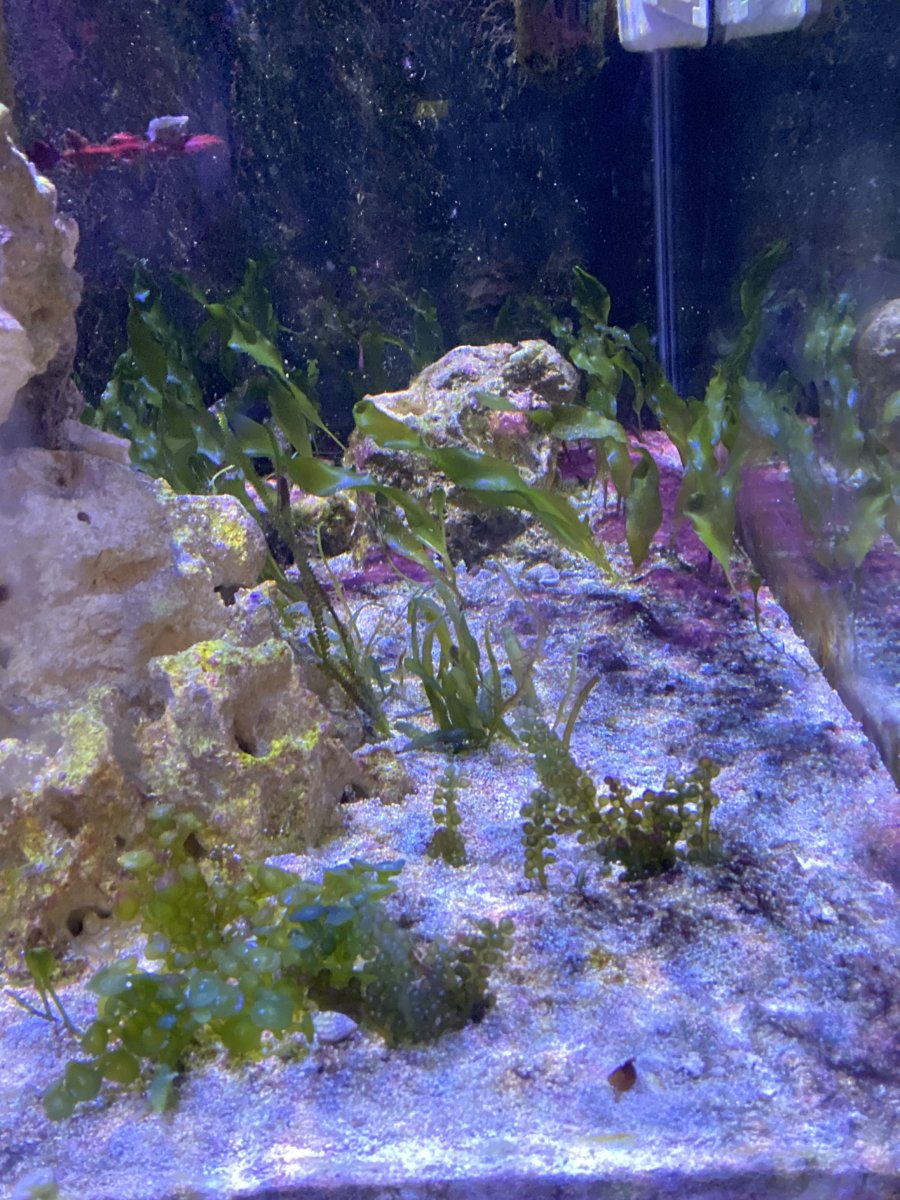
So I have a display refugium plumbed into my main display. In the refugium I have some what I believe is cyano starting to grow. How can I combat this in a refugium without damaging the ornamental macro algae?

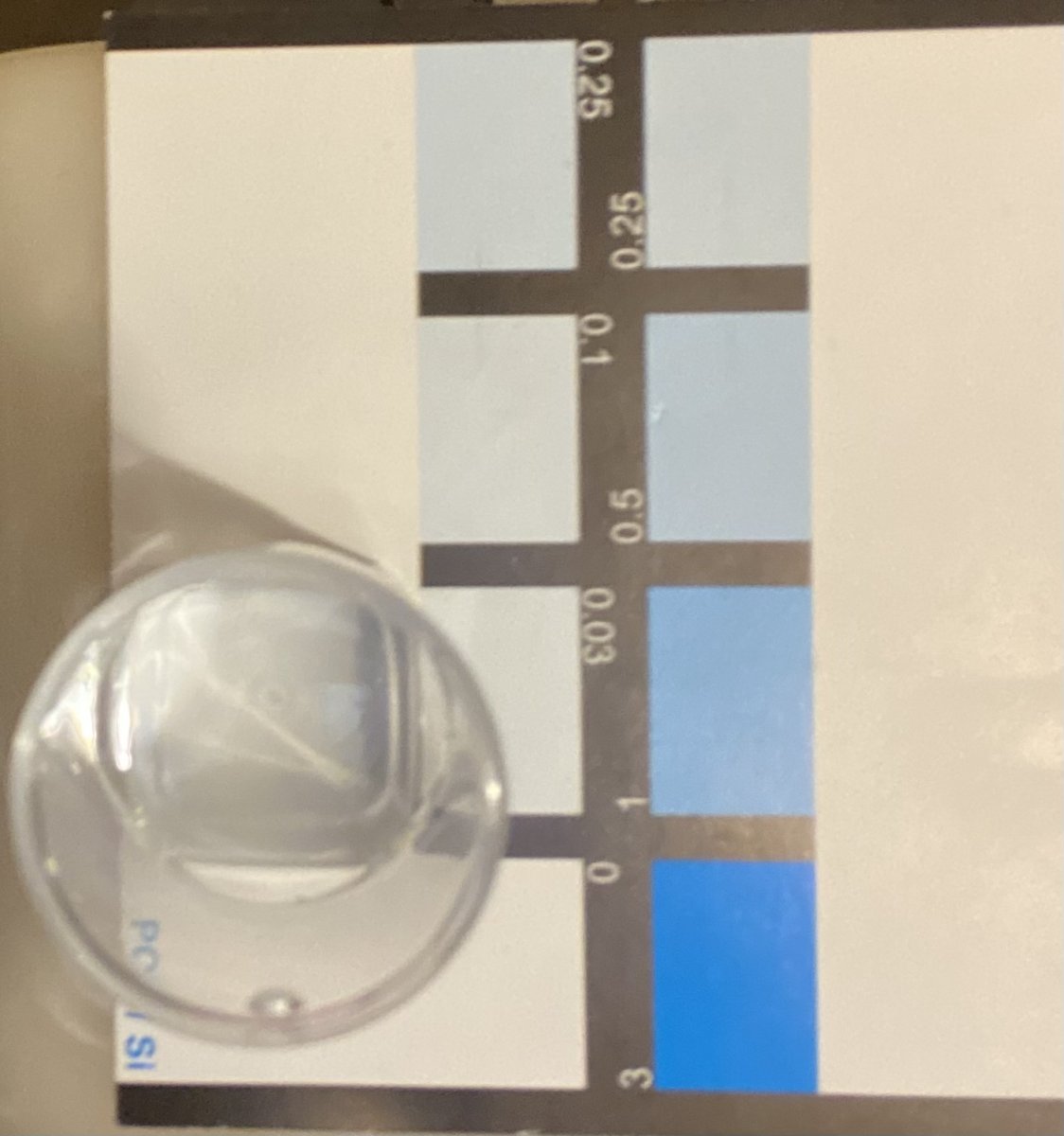
Nitrate is 8-10ppm
Phosphate is 0 - 0.03ppm

I’ll attach some photos of the what I believe is cyano, and the tests just to verify that as well. It’s hard to tell the colors of the test through the pictures. But if it’s necessary I can borrow Hannah test kits to get an exact number.
IMG_2865.jpeg
IMG_2864.jpeg
IMG_2860.jpeg
IMG_2853.jpeg
IMG_2850.jpeg
IMG_2855.jpeg
 

Dan_P

7500 Club Member
View Badges
Joined
Sep 21, 2018
Messages
9,785
Reaction score
9,638
Rating - 0%
0   0   0
So I have a display refugium plumbed into my main display. In the refugium I have some what I believe is cyano starting to grow. How can I combat this in a refugium without damaging the ornamental macro algae?

Nitrate is 8-10ppm
Phosphate is 0 - 0.03ppm

I’ll attach some photos of the what I believe is cyano, and the tests just to verify that as well. It’s hard to tell the colors of the test through the pictures. But if it’s necessary I can borrow Hannah test kits to get an exact number.
IMG_2865.jpeg
IMG_2864.jpeg
IMG_2860.jpeg
IMG_2853.jpeg
IMG_2850.jpeg
IMG_2855.jpeg
Pretty aquarium. Looks new.

I wouldn’t put much effort into getting more exact nitrate and phosphate numbers. Cyanobacteria seems to just happen, and after being exposed to a dozen remedies, it tends to go away. Nitrate and phosphate numbers seem irrelevant. Keep siphoning it off the sand. You may see it getting worse before it goes away. By all means try suggested remedies. They may work for you.
 
OP
OP
Z

zwalter38

Active Member
View Badges
Joined
Dec 5, 2019
Messages
231
Reaction score
106
Location
Scranton, PA
Rating - 0%
0   0   0
Pretty aquarium. Looks new.

I wouldn’t put much effort into getting more exact nitrate and phosphate numbers. Cyanobacteria seems to just happen, and after being exposed to a dozen remedies, it tends to go away. Nitrate and phosphate numbers seem irrelevant. Keep siphoning it off the sand. You may see it getting worse before it goes away. By all means try suggested remedies. They may work for you.
that’s kind of what I anticipated. I’m probably just going to siphon it as it gets worse and hope in time it goes away. The tank is technically a year old, however about a month or so ago I restarted it. I took it apart and deep cleaned things. I also added some new macros and two orange sponges which seem to be doing well.
 

Dan_P

7500 Club Member
View Badges
Joined
Sep 21, 2018
Messages
9,785
Reaction score
9,638
Rating - 0%
0   0   0
that’s kind of what I anticipated. I’m probably just going to siphon it as it gets worse and hope in time it goes away. The tank is technically a year old, however about a month or so ago I restarted it. I took it apart and deep cleaned things. I also added some new macros and two orange sponges which seem to be doing well.
If you start losing sleep over the cyano, you can always come back for a second helping of advice :-)
 
OP
OP
Z

zwalter38

Active Member
View Badges
Joined
Dec 5, 2019
Messages
231
Reaction score
106
Location
Scranton, PA
Rating - 0%
0   0   0
If you start losing sleep over the cyano, you can always come back for a second helping of advice :)
One thing I was reading about is adding more water movement in the areas that the cyano has settled in. Any truth to that?
 
OP
OP
Z

zwalter38

Active Member
View Badges
Joined
Dec 5, 2019
Messages
231
Reaction score
106
Location
Scranton, PA
Rating - 0%
0   0   0
Well it’s an unconventional system. I have an external pump drawing from this refugium and returning into my main 135g reef display. Then there are siphons returning the water into the refugium. I wanted to change some of the equipment in the fuge. Plus it had some hair algae taking over the tank and the macro. I couldn’t get the hair algae under control so I took the rocks out scrubbed them, siphoned the sandbed, salvaged any good macro, and ordered some new macro.
 

Dan_P

7500 Club Member
View Badges
Joined
Sep 21, 2018
Messages
9,785
Reaction score
9,638
Rating - 0%
0   0   0
One thing I was reading about is adding more water movement in the areas that the cyano has settled in. Any truth to that?
Water movement by itself does not seem to be a deterrent to cyanobacteria growth. An area of slow water circulation is a location where organic matter might accumulate and bacteria grow on it. Metabolites and nutrients from the decomposing organic matter might be the direct cause of enhanced cyanobacteria growth in this area. Sickly macro algae seems to be another locale for cyanobacteria growth.
 
OP
OP
Z

zwalter38

Active Member
View Badges
Joined
Dec 5, 2019
Messages
231
Reaction score
106
Location
Scranton, PA
Rating - 0%
0   0   0
Water movement by itself does not seem to be a deterrent to cyanobacteria growth. An area of slow water circulation is a location where organic matter might accumulate and bacteria grow on it. Metabolites and nutrients from the decomposing organic matter might be the direct cause of enhanced cyanobacteria growth in this area. Sickly macro algae seems to be another locale for cyanobacteria growth.
Awesome thank you for the clarity!
 

Ocypode sinensis

Active Member
View Badges
Joined
Apr 19, 2021
Messages
442
Reaction score
205
Location
Pittsburgh
Rating - 0%
0   0   0
I used to have the same issue but that's a heavily stocked macro tank and I cannot add more flow to it (like the reason of low flow is too much macro) so I dosed chemiclean, probably doesn't apply to your system since its linked to your 135G and mine is a dedicated 7G.
 
OP
OP
Z

zwalter38

Active Member
View Badges
Joined
Dec 5, 2019
Messages
231
Reaction score
106
Location
Scranton, PA
Rating - 0%
0   0   0
I used to have the same issue but that's a heavily stocked macro tank and I cannot add more flow to it (like the reason of low flow is too much macro) so I dosed chemiclean, probably doesn't apply to your system since its linked to your 135G and mine is a dedicated 7G.
I could isolate the refugium from the main reef fairly easily. Does the chemiclean harm any of the macros?
 

OfficeReefer

Well-Known Member
View Badges
Joined
May 25, 2020
Messages
736
Reaction score
530
Rating - 0%
0   0   0
I considered a blackout period. How long would you suggest?
Normally it's done for a few days at a time. This will no doubt raise nitrates and move one problem from one area to another. It may be advised to stop the two from cycling to each other during this time, maybe use a gyre or similar wave-maker in the tank.

Most people recommend three days for a blackout on R2R but it would depend on your current water parameters and current amount of cyano. I would try to clean the fuge before the blackout though as it lives on such.
 
OP
OP
Z

zwalter38

Active Member
View Badges
Joined
Dec 5, 2019
Messages
231
Reaction score
106
Location
Scranton, PA
Rating - 0%
0   0   0
Normally it's done for a few days at a time. This will no doubt raise nitrates and move one problem from one area to another. It may be advised to stop the two from cycling to each other during this time, maybe use a gyre or similar wave-maker in the tank.

Most people recommend three days for a blackout on R2R but it would depend on your current water parameters and current amount of cyano. I would try to clean the fuge before the blackout though as it lives on such.
When you say it will move th problem from one place to another. Are you saying it could cause the cyano to move to the main tank that still has light? I’m currently on the downside of a hair algae battle in that tank. So would the blackout cause more hair algae? Or just the cyano to move into the tank with light?
also would the blackout harm the macro would you think?
 

OfficeReefer

Well-Known Member
View Badges
Joined
May 25, 2020
Messages
736
Reaction score
530
Rating - 0%
0   0   0
Umm... yeah, that would likely be the result of the same. I don't think the macro in the tank is the concern at the moment but what one feeds a macro algae tank can absolutely result in non desirables.

It's probably best you consider separating the two, doing a cleanup and if possible, a blackout and water change on the fuse. I'd also recommend a removal or clean up of as much GHA from the main tank. Afterwards, do a blackout on it at the same time. You can do them for the same length if you want to change as much as 25-50% of the water. I'd recommend doing a nitrate measurement afterwards and stay on a lower end of colors, if that's the test you are using.

There is also Reef Flux you can purchase for very persistent hair algae that does not go away after blackouts. This is likely to impact other algae but is worth a try if all else fails.
 
OP
OP
Z

zwalter38

Active Member
View Badges
Joined
Dec 5, 2019
Messages
231
Reaction score
106
Location
Scranton, PA
Rating - 0%
0   0   0
Umm... yeah, that would likely be the result of the same. I don't think the macro in the tank is the concern at the moment but what one feeds a macro algae tank can absolutely result in non desirables.

It's probably best you consider separating the two, doing a cleanup and if possible, a blackout and water change on the fuse. I'd also recommend a removal or clean up of as much GHA from the main tank. Afterwards, do a blackout on it at the same time. You can do them for the same length if you want to change as much as 25-50% of the water. I'd recommend doing a nitrate measurement afterwards and stay on a lower end of colors, if that's the test you are using.

There is also Reef Flux you can purchase for very persistent hair algae that does not go away after blackouts. This is likely to impact other algae but is worth a try if all else fails.
Awesome thanks for the info!

Are you suggesting separating the two tanks permanently? Or just for the blackouts?
 

TOP 10 Trending Threads

WHAT AMOUNT OF LIVE ROCK AND SAND SHOULD BE PRIORITIZED FOR OPTIMAL BIODIVERSITY/FILTRATION?

  • 100% live rock + bagged sand

    Votes: 38 27.3%
  • 100% dry rock + 100% live sand

    Votes: 47 33.8%
  • 50/50 live/dry rock, 50/50 live/bagged sand

    Votes: 30 21.6%
  • 75% live rock, 25% live sand

    Votes: 14 10.1%
  • 25% live rock, 75% live sand

    Votes: 10 7.2%
Back
Top