H. malu anemone drawbacks?

Randy Holmes-Farley

Reef Chemist
View Badges

Joined
Sep 5, 2014
Messages
89,286
Reaction score
92,345
Location
Massachusetts, United States
Rating - 0%
0   0   0
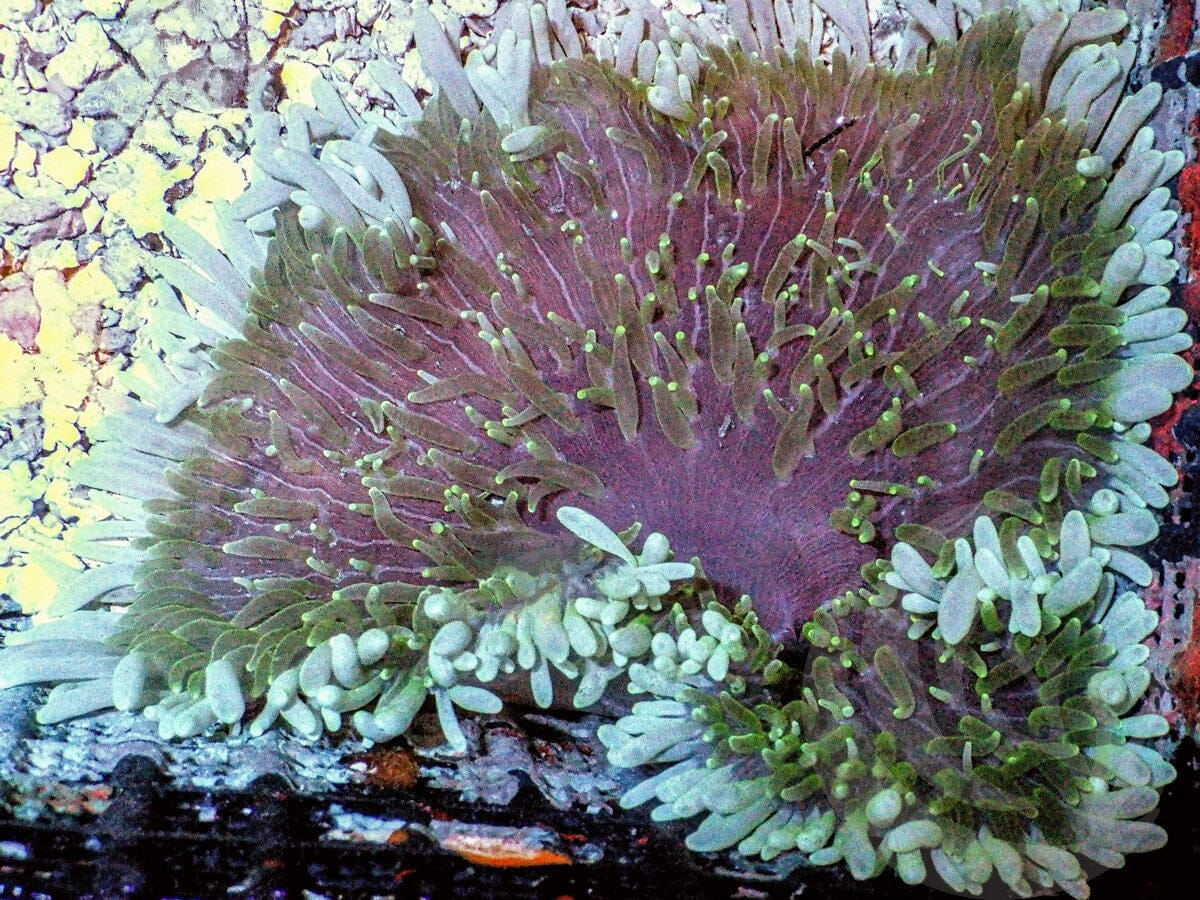
H. malu seems a lot less popular than many other anemones, despite some being very attractive and maybe less prone to shipping infections than some species.

Aside from not being a natural host for anything except Clarkii clownfish, what are the drawbacks making them seemingly less popular?

Here's one currently available from Pacific east, and it seems quite attractive.


1734979833835.png
 

Ron Reefman

Lets Go Snorkeling!
View Badges
Joined
Aug 12, 2012
Messages
9,629
Reaction score
12,365
Location
SW Florida
Rating - 0%
0   0   0
Maybe the cost has something to do with it not being so popular?
 

argiBK

Well-Known Member
View Badges
Joined
Apr 3, 2020
Messages
708
Reaction score
686
Location
Brooklyn, NY
Rating - 100%
2   0   0
Malus are my second favorite anemone after Giganteas. Some of the raddest colors in the anemone family, bar a high end BTA.

They’re still often mistaken for and come into the hobby as Sebaes (probably the main reason). I think their old reputation for being very difficult to keep successfully might still be haunting their attractiveness; I don’t believe this is the case anymore, however.
 

gbroadbridge

5000 Club Member
View Badges
Joined
Mar 25, 2021
Messages
5,405
Reaction score
5,607
Location
Sydney, Australia
Rating - 0%
0   0   0
H. malu seems a lot less popular than many other anemones, despite some being very attractive and maybe less prone to shipping infections than some species.

Aside from not being a natural host for anything except Clarkii clownfish, what are the drawbacks making them seemingly less popular?

Here's one currently available from Pacific east, and it seems quite attractive.


1734979833835.png

I've never actually seen one at any of my LFS.
 

yanni

Well-Known Member
View Badges
Joined
Feb 7, 2021
Messages
644
Reaction score
358
Location
Australia
Rating - 0%
0   0   0
I find them incredibly attractive. Once you add them, hardly move, not very aggressive, and beautiful colours. They just tend to grow fairly quick if fed, but if you don’t feed them, nice slow growers. This has been progress of mine over 2/3 months?
 

Attachments

  • IMG_0705.jpeg
    IMG_0705.jpeg
    171.4 KB · Views: 359
  • IMG_1209.jpeg
    IMG_1209.jpeg
    200.5 KB · Views: 386

Miami Reef

Reef Chem Enthusiast
View Badges
Joined
Sep 8, 2017
Messages
17,255
Reaction score
29,618
Location
Miami
Rating - 0%
0   0   0
@Randy Holmes-Farley

What do you think of haddoni anemones? Have you considered one? Why or why not?
 

BeanAnimal

7500 Club Member
View Badges
Joined
Jul 16, 2009
Messages
9,306
Reaction score
15,607
Rating - 0%
0   0   0
Waiting for more responses, I know absolutely nothing about them but am very interested to hear first hand information other than what I can google.
 
OP
OP
Randy Holmes-Farley

Randy Holmes-Farley

Reef Chemist
View Badges
Joined
Sep 5, 2014
Messages
89,286
Reaction score
92,345
Location
Massachusetts, United States
Rating - 0%
0   0   0
@Randy Holmes-Farley

What do you think of haddoni anemones? Have you considered one? Why or why not?

I tried a red one years ago, and it didn’t make it. That was before I was aware of antibiotic treatments. It might have made it had I tried.

They are more fish eaters than most other anemones and that has me holding back on recommending them over gigantea or magnifica.
 

Miami Reef

Reef Chem Enthusiast
View Badges
Joined
Sep 8, 2017
Messages
17,255
Reaction score
29,618
Location
Miami
Rating - 0%
0   0   0
I tried a red one years ago, and it didn’t make it. That was before I was aware of antibiotic treatments. It might have made it had I tried.

They are more fish eaters than most other anemones and that has me holding back on recommending them over gigantea or magnifica.
One ate my foxface fish. That was years ago.

They also don’t have flowy tentacles, which you really like.

I was just curious on your reasons. I think the magnifica might be your favorite. Having an anemone that flows and can host ocellaris clownfish seem to be big priorities of yours.
 
OP
OP
Randy Holmes-Farley

Randy Holmes-Farley

Reef Chemist
View Badges
Joined
Sep 5, 2014
Messages
89,286
Reaction score
92,345
Location
Massachusetts, United States
Rating - 0%
0   0   0
I was just curious on your reasons. I think the magnifica might be your favorite. Having an anemone that flows and can host ocellaris clownfish seem to be big priorities of yours.
They are and that is the plan. :)
 

OrionN

Anemones
View Badges
Joined
Jul 28, 2013
Messages
11,302
Reaction score
22,512
Location
Corpus Christi, TX
Rating - 0%
0   0   0
I think H. malu are very beautiful anemone. My Percula and Ocellaris always go into a Malu. They are not prone to wander and not anywhere near as demanding as other host anemones. This is one of only three host anemones that have been sexually reproduced in captivity. The other two are E. quadricolor and S. gigantea. The females of all three species take in sperms, had internal fertilization and release fully formed babies.
 

Hot2na

Valuable Member
View Badges
Joined
Mar 5, 2018
Messages
1,356
Reaction score
971
Rating - 100%
2   0   0
It is a crispa .. I actually bought that one and have it in a tank now..has grown huge ...I also have a purple malu I got from PEA right around the same time.. It has shorter tentacles as noted above..when i get time I'll post pics of both ..
 

TOP 10 Trending Threads

WHAT AMOUNT OF LIVE ROCK AND SAND SHOULD BE PRIORITIZED FOR OPTIMAL BIODIVERSITY/FILTRATION?

  • 100% live rock + bagged sand

    Votes: 38 26.2%
  • 100% dry rock + 100% live sand

    Votes: 48 33.1%
  • 50/50 live/dry rock, 50/50 live/bagged sand

    Votes: 33 22.8%
  • 75% live rock, 25% live sand

    Votes: 15 10.3%
  • 25% live rock, 75% live sand

    Votes: 11 7.6%
Back
Top