ID help

edolan

Community Member
View Badges
Joined
Apr 26, 2017
Messages
75
Reaction score
19
Rating - 0%
0   0   0
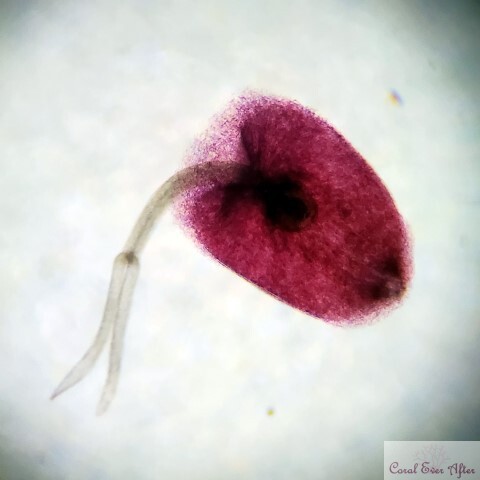
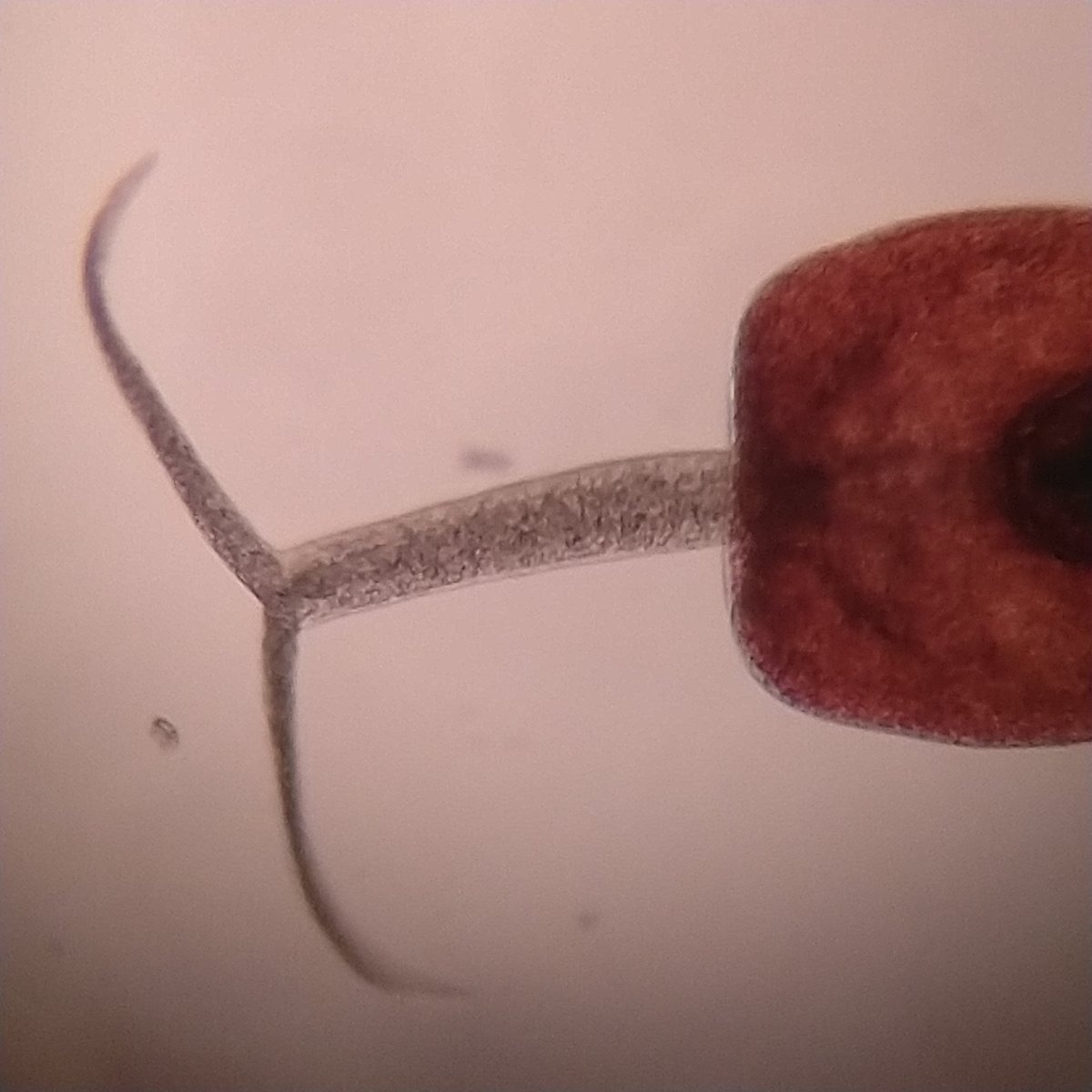
I just got a delivery of snails and my hermit crab was going after them so I separated them in a small container so they had some time to recover. I noticed these small spheres floating to the top that were moving about. I put a few under the microscope. They wiggle the tentacles to move about. Anyone have any idea what these are? My order included astrea, nassarius, and cerith snails.
IMG_20221103_191836.jpg
IMG_20221103_191807.jpg
 
OP
OP
E

edolan

Community Member
View Badges
Joined
Apr 26, 2017
Messages
75
Reaction score
19
Rating - 0%
0   0   0
They are easily visible to the eye. This about 10x magnification. Hopefully nothing too bad.
 

ying yang

2500 Club Member
View Badges
Joined
Apr 16, 2021
Messages
4,860
Reaction score
9,590
Location
Liverpool
Rating - 0%
0   0   0
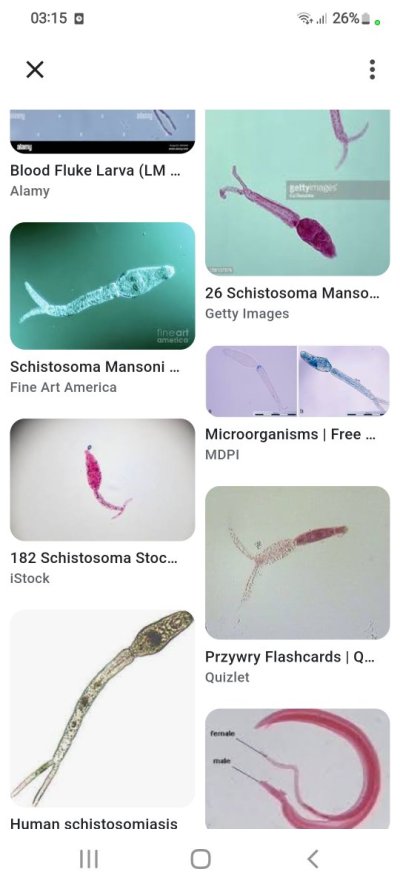
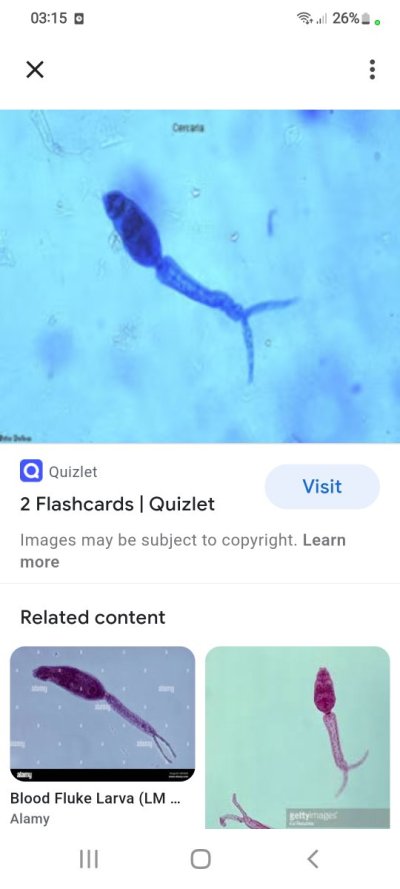
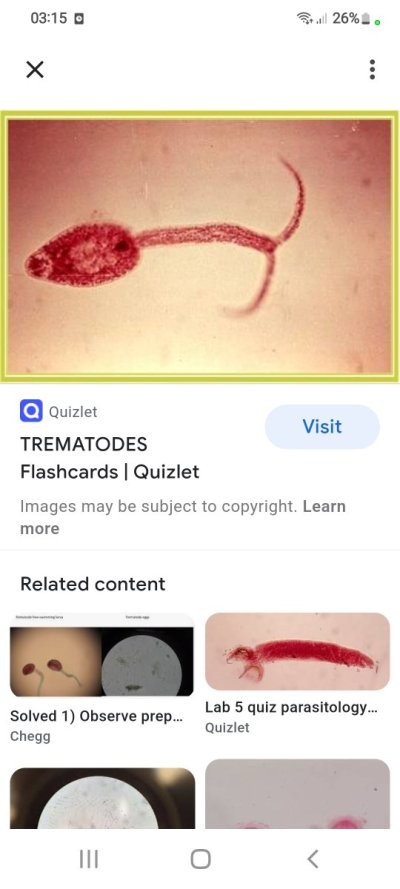
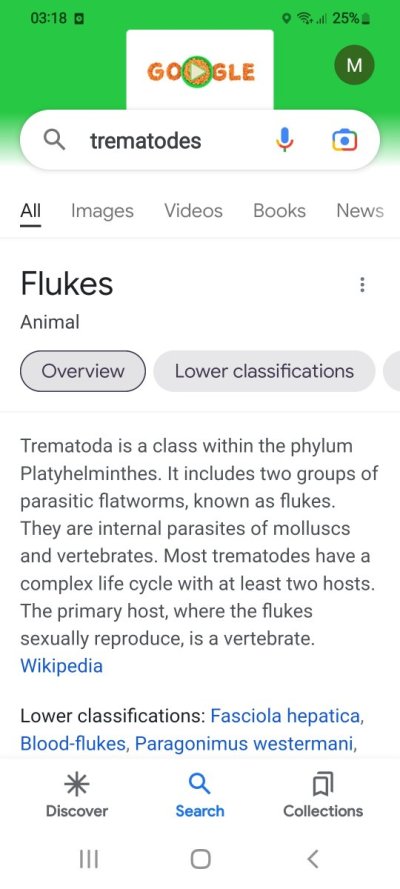
Press on google lens which I outlined then it will bring up same/similar images and look at info that comes up.
Googled trematodes and says parasitic flatworm of molluscs ( snails are molluscs)
If that's what you got or not idk,does look like it though but not experienced enough in stuff like this to give advice, but seeing as no one answered so far,can use Google lens and try get some Info while you wait ^_^

Screenshot_20221104-031556_One UI Home.jpg Screenshot_20221104-031552_Google.jpg Screenshot_20221104-031543_Google.jpg Screenshot_20221104-031531_Google.jpg Screenshot_20221104-031803_Google.jpg
 
Last edited:
OP
OP
E

edolan

Community Member
View Badges
Joined
Apr 26, 2017
Messages
75
Reaction score
19
Rating - 0%
0   0   0
Unfortunately I am sure a bunch just got in my aquarium. At the end of the article there is a post from someone who believes they have to be eaten to infect the host. Not sure what to do now.
 

ying yang

2500 Club Member
View Badges
Joined
Apr 16, 2021
Messages
4,860
Reaction score
9,590
Location
Liverpool
Rating - 0%
0   0   0
Unfortunately I am sure a bunch just got in my aquarium. At the end of the article there is a post from someone who believes they have to be eaten to infect the host. Not sure what to do now.
If needs to be eaten by a fish like article says ,then I would guess need to fallow dt off all fish probably for 90 days,treat fish in a hospital tank with something like prazipro,but as I just said,that is a guess as I'm no expert on these matters but @Jay Hemdal and @vetteguy53081 will probably know
and #fishmedic
Good luck

Edit: don't do what I just guessed until more experienced people recommend what to do or if read general consensus on other threads is to do something ^_^
 
Last edited:
OP
OP
E

edolan

Community Member
View Badges
Joined
Apr 26, 2017
Messages
75
Reaction score
19
Rating - 0%
0   0   0
Thanks for your reply. I will consider it. At the moment since it just happened I am wondering if I can nip it in the bud and treat the tank with Prazipro. And hopefully kill the cycle before it gets to far along. I do have a mixed reef with sps, lps and some softies. I only have four fish in an 80 gallon tank. From what I have read it seems some people have had success treating a display tank directly with Prazipro. Any feedback on this idea is appreciated.
 

vetteguy53081

Well known Member and monster tank lover
View Badges
Joined
Aug 11, 2013
Messages
108,225
Reaction score
242,972
Location
Wisconsin -
Rating - 100%
17   0   0
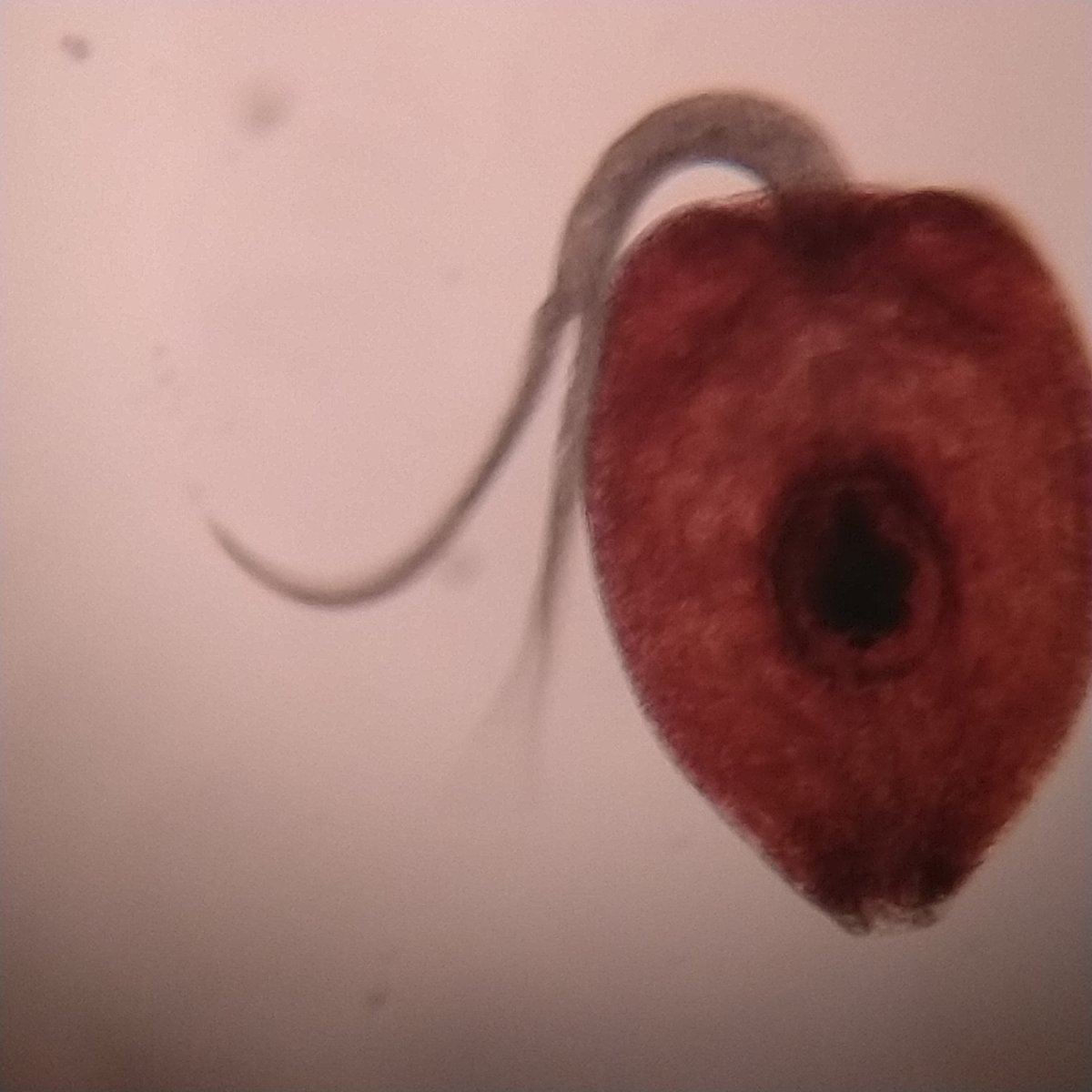
I just got a delivery of snails and my hermit crab was going after them so I separated them in a small container so they had some time to recover. I noticed these small spheres floating to the top that were moving about. I put a few under the microscope. They wiggle the tentacles to move about. Anyone have any idea what these are? My order included astrea, nassarius, and cerith snails.
IMG_20221103_191836.jpg
IMG_20221103_191807.jpg
cercariae stage of a fluke and may be parasitic.
 

MnFish1

10K Club member
View Badges
Joined
Dec 28, 2016
Messages
26,939
Reaction score
24,640
Location
Midwest
Rating - 100%
2   0   0
They look like Cercariae. Not all are pathogenic. However, at this point, I'm not sure you can tell. separating the fish, and letting the tank go fallow would be the likely way to go. The fallow period is another story. The fluke egg cycle can be quite short. Others have said 'weeks'. Hopefully @Jay Hemdal will weigh in - as to whether these are flukes that would infect fish. You could also check with the company/place from which you got the snails to see if they have any idea. FYI - Many human diseases are caused by trematodes Schistosomiasis, etc. And by far, not all flukes infect humans. For example swimmers itch Cercariae look exactly (or almost exactly) the same. These affect mainly birds/mammals). Humans just get a rash
 
OP
OP
E

edolan

Community Member
View Badges
Joined
Apr 26, 2017
Messages
75
Reaction score
19
Rating - 0%
0   0   0
Thank you. A whole new area of learning for me. I am just wondering since I know that these cercariae we're introduced yesterday with the snails I added there should be no eggs since there has not been time to infect a host and grow to that stage. That is why I am thinking of dosing Prazipro and breaking the cycle before it can get started. Do you see any fault with how I am looking at this?
 

MnFish1

10K Club member
View Badges
Joined
Dec 28, 2016
Messages
26,939
Reaction score
24,640
Location
Midwest
Rating - 100%
2   0   0
Thank you. A whole new area of learning for me. I am just wondering since I know that these cercariae we're introduced yesterday with the snails I added there should be no eggs since there has not been time to infect a host and grow to that stage. That is why I am thinking of dosing Prazipro and breaking the cycle before it can get started. Do you see any fault with how I am looking at this?
If you're asking - can I treat my display with Prazipro - Yes you could. According to most research it's safe with snails. If you have other worms you might have a problem. 2. It doesn't take much time for the cercariae to infect a host (assuming the ones you have are pathogenic to fish). Increased aeration, etc Is important. One problem is determining exactly the dose required in a display tank - with rock, etc.
 

Jay Hemdal

10K Club member
View Badges
Joined
Jul 31, 2020
Messages
37,736
Reaction score
37,600
Location
Dundee, MI
Rating - 0%
0   0   0
They look like Cercariae. Not all are pathogenic. However, at this point, I'm not sure you can tell. separating the fish, and letting the tank go fallow would be the likely way to go. The fallow period is another story. The fluke egg cycle can be quite short. Others have said 'weeks'. Hopefully @Jay Hemdal will weigh in - as to whether these are flukes that would infect fish. You could also check with the company/place from which you got the snails to see if they have any idea. FYI - Many human diseases are caused by trematodes Schistosomiasis, etc. And by far, not all flukes infect humans. For example swimmers itch Cercariae look exactly (or almost exactly) the same. These affect mainly birds/mammals). Humans just get a rash
That’s what these seem to be. I know little about them. I though most species of digeneans were freshwater. They should be self limiting due to lack of proper hosts. I’ve never seen them in marine tanks…new to me!
Jay
 
Last edited:
OP
OP
E

edolan

Community Member
View Badges
Joined
Apr 26, 2017
Messages
75
Reaction score
19
Rating - 0%
0   0   0
They should be self limiting due to lack of proper hosts.
@Jay Hemdal when you say "lack of proper hosts" can you help me understand this. From what I understand cercariae are released from infected snails which infect fish, eggs are released from fish which reinfect snails.

Also are you aware of a general timeline for the life cycle for Marine trematodes. All I can find seems to apply specifically to fresh water which I assume is similar.

Infected fish lay eggs 10-16 days
Fertilized eggs 2-3 weeks to develop
Infected snail release cercariae 4-6 weeks
Cercariae must find host within 1-3 days?

https://www.sciencedirect.com/topics/immunology-and-microbiology/digenea
(Section Hazards and Diseases - Life Cycle)
 

Jay Hemdal

10K Club member
View Badges
Joined
Jul 31, 2020
Messages
37,736
Reaction score
37,600
Location
Dundee, MI
Rating - 0%
0   0   0
@Jay Hemdal when you say "lack of proper hosts" can you help me understand this. From what I understand cercariae are released from infected snails which infect fish, eggs are released from fish which reinfect snails.

Also are you aware of a general timeline for the life cycle for Marine trematodes. All I can find seems to apply specifically to fresh water which I assume is similar.

Infected fish lay eggs 10-16 days
Fertilized eggs 2-3 weeks to develop
Infected snail release cercariae 4-6 weeks
Cercariae must find host within 1-3 days?

https://www.sciencedirect.com/topics/immunology-and-microbiology/digenea
(Section Hazards and Diseases - Life Cycle)
As I said, I'm not at all familiar with marine digeneans - the freshwater ones have three hosts; snail, fish, bird/mammal so unless you have birds or mammals in your tank, they are self-limiting. If these marine ones can go snail to fish in two steps, and the proper snails are present, then I can see how an infection could continue - I've just never seen that though. Digeneans don't usually reach numbers to kill fish like monogeneans do. However, the eye fluke, Diplostomum, can apparently cause blindness in marine fish, even in low numbers (but I've not seen that firsthand).

Jay
 
OP
OP
E

edolan

Community Member
View Badges
Joined
Apr 26, 2017
Messages
75
Reaction score
19
Rating - 0%
0   0   0
I am currently running Prazipro in my tank. Everything looks fine and I see no negative effects. I guess in a sense I am lucky that I caught when the actual introduction into my tank occurred and that they were in the cercariae stage so there should be no eggs. I am trying to decide if I should run a second course of Prazipro. If my logic is correct then if one of my fish did get infected then a second round of treatment could handle this.
 
OP
OP
E

edolan

Community Member
View Badges
Joined
Apr 26, 2017
Messages
75
Reaction score
19
Rating - 0%
0   0   0
Just an update. I went ahead and did two rounds of Prazipro. Everything survived fine however I was surprised though when I did my water testing after the second round and discovered my alk had spiked from 8.4 up to 9.9 dkh. Also my nitrate which was around 16 had crashed to 0 ppm. I stopped dosing alk for a couple of days and did dose nitrate to adjust. I don't think this happens to everyone dosing Prazipro from what I have read but something to be aware of if anyone decides to dose Prazipro to their display tank. On the plus slide the green hair algae in my tank is dying off
 

fzs122

New Member
View Badges
Joined
Sep 16, 2020
Messages
20
Reaction score
18
Location
Cumming
Rating - 0%
0   0   0
@edolan Thanks for creating this post and, more importantly, posting your progress and conclusion. Although this is over 3 years old, it has immense value for me as I've just experienced a very similar situation.

I ordered some snails and crabs. When dumping out the discard water from each bag before transferring them to the display tank, I noticed some red dots moving around in the discard water. The dots were too big to be anything I'd recognize; bbs or copepods. I put one under 100x magnification and saw something very much like the pictures you and "Coral Ever After" posted.

Unfortunately, I didn't notice these red "bugs" in my discarded shipping water until after I transferred my snails to the display tank. 😭

Since I'm certain some of them must have made it into my display, I've just started Prazipro with hopes of heading these flukes off at the pass.

2025-09-10_13-58-11.jpg


Jay Hemdal

10K Club member
View Badges
Joined
Jul 31, 2020
Messages
37,736
Reaction score
37,600
Location
Dundee, MI
Rating - 0%
0   0   0
@edolan Thanks for creating this post and, more importantly, posting your progress and conclusion. Although this is over 3 years old, it has immense value for me as I've just experienced a very similar situation.

I ordered some snails and crabs. When dumping out the discard water from each bag before transferring them to the display tank, I noticed some red dots moving around in the discard water. The dots were too big to be anything I'd recognize; bbs or copepods. I put one under 100x magnification and saw something very much like the pictures you and "Coral Ever After" posted.

Unfortunately, I didn't notice these red "bugs" in my discarded shipping water until after I transferred my snails to the display tank. 😭

Since I'm certain some of them must have made it into my display, I've just started Prazipro with hopes of heading these flukes off at the pass.

2025-09-10_13-58-11.jpg


Did you match these images up with anything on the Internet, maybe with Google images? Those don't look like external flukes to me. Could they be larval schistosomes (Cercariae)? If so, they most likely have multiple hosts through their life stage that means that they won't cause massive fish disease outbreaks like other external flukes do. Prazipro won't help much with larva like this - the way prazi works is that they cause the adult fluke to spasm and drop off the fish, and then they cannot return.

Prazi doesn't affect eggs or larval flukes.
 

TOP 10 Trending Threads

HOW DO YOU ADJUST YOUR CUC AS ALGAE DISAPPEARS?

  • Capture and re-home CUC

    Votes: 5 6.9%
  • Increase white light/hours in tank to spur algae growth to feed CUC

    Votes: 5 6.9%
  • Feed nori to support CUC

    Votes: 27 37.5%
  • Feed herbivore pellets to support CUC

    Votes: 22 30.6%
  • Allow attrition to balance CUC and algae

    Votes: 34 47.2%
  • Provide macro algae to feed CUC

    Votes: 6 8.3%
  • Introduce CUC predators

    Votes: 1 1.4%
  • Other (please explain)

    Votes: 7 9.7%

New Posts

Back
Top